
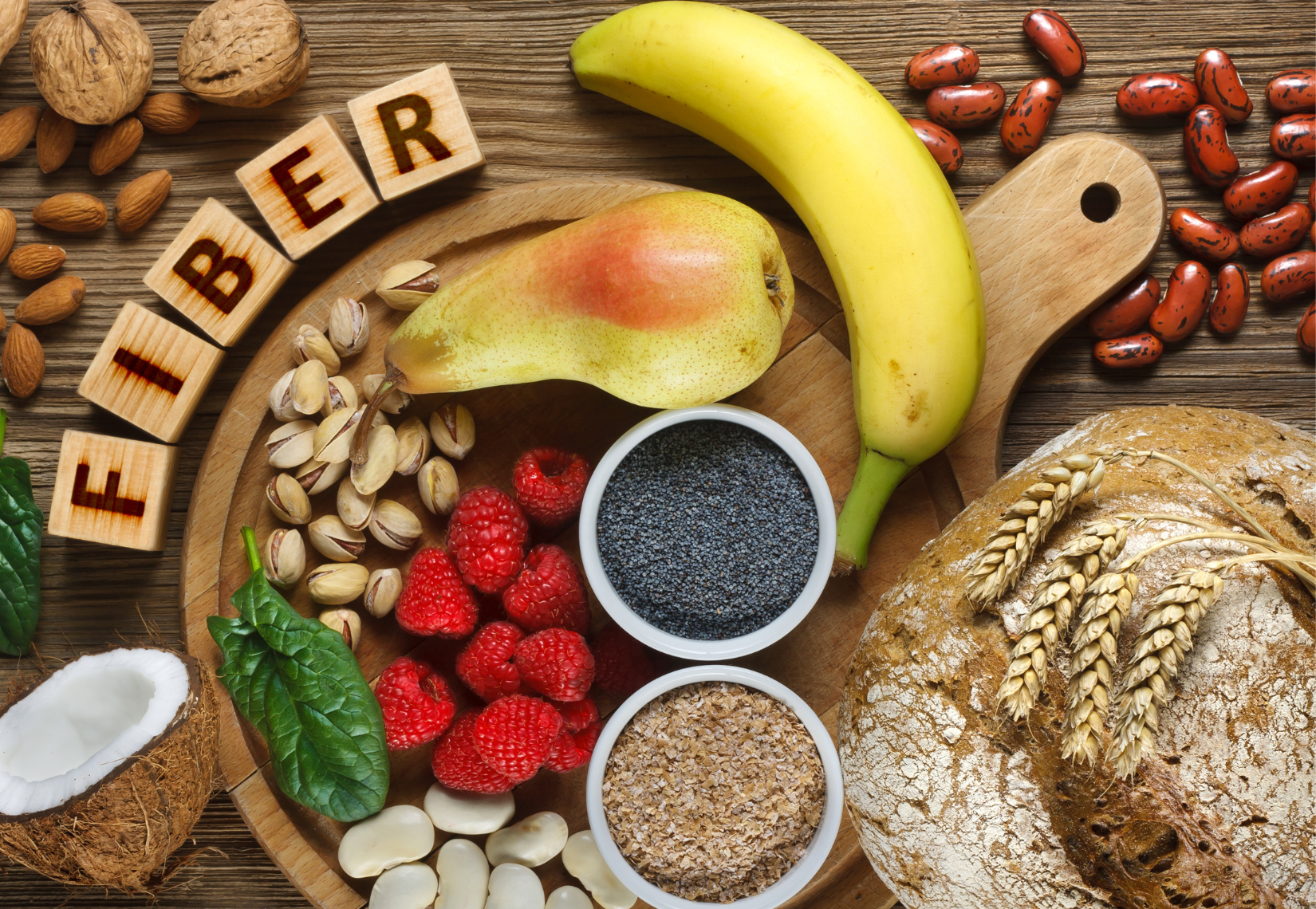
Embarking on the journey through the dietary fiber landscape can be simple and enlightening. This guide aims to simplify the complexities of dietary fiber and its role in health, offering easy-to-implement strategies for incorporating more fiber-rich foods into your diet. You'll learn about the essence of fiber, its health advantages, and actionable tips for enhancing your meals with a fiber-rich touch.
Dietary fiber, a non-digestible carbohydrate, is an important component of our diets with two primary forms: soluble and insoluble fibers. Soluble fibers act like sponges that absorb water, creating a gel-like substance that slows digestion, while insoluble fibers sweep through your digestive system, aiding in forming bulkier stools and promoting better digestion. By incorporating these high-fiber foods into your meals regularly, you support a variety of bodily functions and encourage healthier eating habits.
High-fiber foods contribute to a reduced risk of chronic diseases, support digestive health, manage weight, and regulate blood sugar levels. To meet the recommended intake of 25 to 35 grams of fiber daily, meal planning should include a variety of high-fiber foods, and dietary changes should be made gradually to avoid digestive distress.
Fiber-rich diets are linked with lower incidences of the coronary heart disease and, diabetes, certain forms of cancer, and obesity. Consuming nutrient-dense, fibrous foods like fruits, vegetables, whole grains, nuts, and seeds can enhance overall well-being. Fruits such as pears, strawberries, and avocados, and vegetables like carrots and broccoli are high in fiber and essential for a balanced diet.
Whole grains, another high-fiber option, provide additional nutrients including B vitamins and antioxidants. Including a variety of these foods in your diet not only increases fiber intake but also contributes to sustained health.
By understanding the science behind fiber's health benefits and learning how to incorporate high-fiber foods into your diet, you can take significant strides towards improving your overall health. Fiber's role extends beyond just aiding digestion; it also plays a crucial part in reducing the risk of various chronic diseases, managing weight effectively, and maintaining stable blood sugar levels. By making informed choices about the foods you eat and understanding how different types of fiber affect the body, you can optimize your dietary fiber intake for better health outcomes.
Read More