
21 Healthy, Filling Lunches You Can Prep Ahead

Lunch doesn’t have to feel like a last-minute scramble or a repetitive routine you dread halfway through the week. With a bit of intention and simple planning, it can become one of the easiest and most enjoyable meals of your day. Preparing lunches in advance not only saves time but also helps you make healthier choices, keeping your energy stable whether you’re working, studying, or managing a busy schedule.

One of the most effective strategies is to think in components rather than full recipes. By batch cooking a few basics—like grilled chicken, roasted vegetables, or a pot of grains—you give yourself flexible building blocks that can be mixed and matched in different ways. This approach keeps lunches interesting without requiring extra effort each day. For example, the same roasted sweet potatoes and broccoli can be turned into a grain bowl one day and added to a salad or wrap the next.

Meal prep doesn’t have to be complicated to be effective. Even dedicating a short amount of time to washing, chopping, or pre-cooking ingredients can drastically simplify your week. Leftovers from dinner can easily be transformed into a new meal with a different sauce, added greens, or a change in presentation. What was once a roasted vegetable side can become part of a hearty lunch bowl or a filling wrap the next day.

Ultimately, the goal is to make lunch something you can rely on—quick, nourishing, and satisfying. With a few smart habits, like planning ahead, keeping your fridge stocked with ready-to-use ingredients, and focusing on balance and flavor, you can turn lunchtime into an effortless part of your routine. Over time, these small changes add up, helping you stay consistent, reduce stress, and actually look forward to your midday break.

Read More
Juicing for Anti-Inflammation: Recipes, Shots, and Diet Guide

Juicing for anti-inflammation offers a practical and nutrient-rich way to support overall health and combat chronic inflammation at its source. By extracting juice from fresh fruits, vegetables, and roots, you deliver a concentrated dose of vitamins, minerals, and powerful antioxidant compounds that help reduce oxidative stress and strengthen the immune system. Unlike heavily processed beverages, fresh juices—especially those made with cold press juicers—retain more nutrients and preserve the integrity of anti-inflammatory compounds, making them an effective addition to a balanced diet.

The foundation of anti-inflammatory juicing lies in choosing the right ingredients. Roots like turmeric and ginger are among the most potent, thanks to compounds such as curcumin and gingerols, which help reduce pain, support digestion, and fight inflammation. Fruits like pineapple and citrus provide enzymes and vitamin C that aid tissue repair and immune function, while leafy greens such as kale and spinach offer chlorophyll, magnesium, and phytonutrients that help neutralize inflammation at a cellular level. Combining these ingredients allows you to create flavorful juices that are both therapeutic and enjoyable.

Read More
Diabetes Menu Planning: Balanced Meals for Better Health

Are you struggling to keep your blood sugar levels in check? Unlock the secrets to effective diabetes menu plans and transform your health journey with our comprehensive guide. Dive into a world where meal planning becomes a breeze, thanks to the Diabetes Plate Method, which simplifies portion control and ensures balanced nutrition. Imagine effortlessly creating perfectly portioned meals that not only stabilize your blood glucose but also tantalize your taste buds.

Our expertly crafted meal plans are designed to help you manage your diabetes while enjoying a variety of nutritious foods. From hearty breakfasts featuring Greek yogurt and berries to satisfying dinners like lemon chicken with roasted sweet potatoes, each meal is tailored to support your health goals. Discover smart snacking choices that keep your energy levels steady throughout the day and learn which foods to avoid for optimal blood sugar management.

Whether you're aiming for weight loss or simply want to maintain a healthy balance, our guide provides the tools and inspiration you need. Embrace a diabetes-friendly diet that empowers you to make informed, healthy food choices and enjoy a more vibrant life. Don't miss out on this opportunity to take control of your health—read on to uncover the full potential of diabetes menu planning!

Read More
Is Saturated Fat or Sugar Worse for Your Health?

In today's world, the debate over whether saturated fat or sugar is worse for your health is more relevant than ever. Both have been linked to significant health issues, including heart disease, obesity, and metabolic disorders. This article offers an in-depth exploration of the distinct ways each of these dietary components impacts your health, aiming to provide clarity and actionable advice for making informed food choices.

Saturated fats, commonly found in fatty meats, full-fat dairy products, and tropical oils like coconut and palm oil, are known to raise LDL cholesterol levels, which can increase the risk of heart disease. However, not all sources of saturated fat are equally harmful. Some dairy products may not elevate the risk of coronary heart disease and might even offer health benefits. The article underscores the importance of understanding the sources of saturated fats and how they affect your body, recommending a daily intake limit to reduce heart disease risk.

On the other hand, added sugars, prevalent in processed foods and sugary drinks, contribute significantly to obesity and other health problems. High sugar intake is linked to increased cardiovascular disease risk and can lead to insulin resistance, a precursor to type 2 diabetes. By reducing sugar consumption, individuals can manage their weight more effectively and improve their overall health.

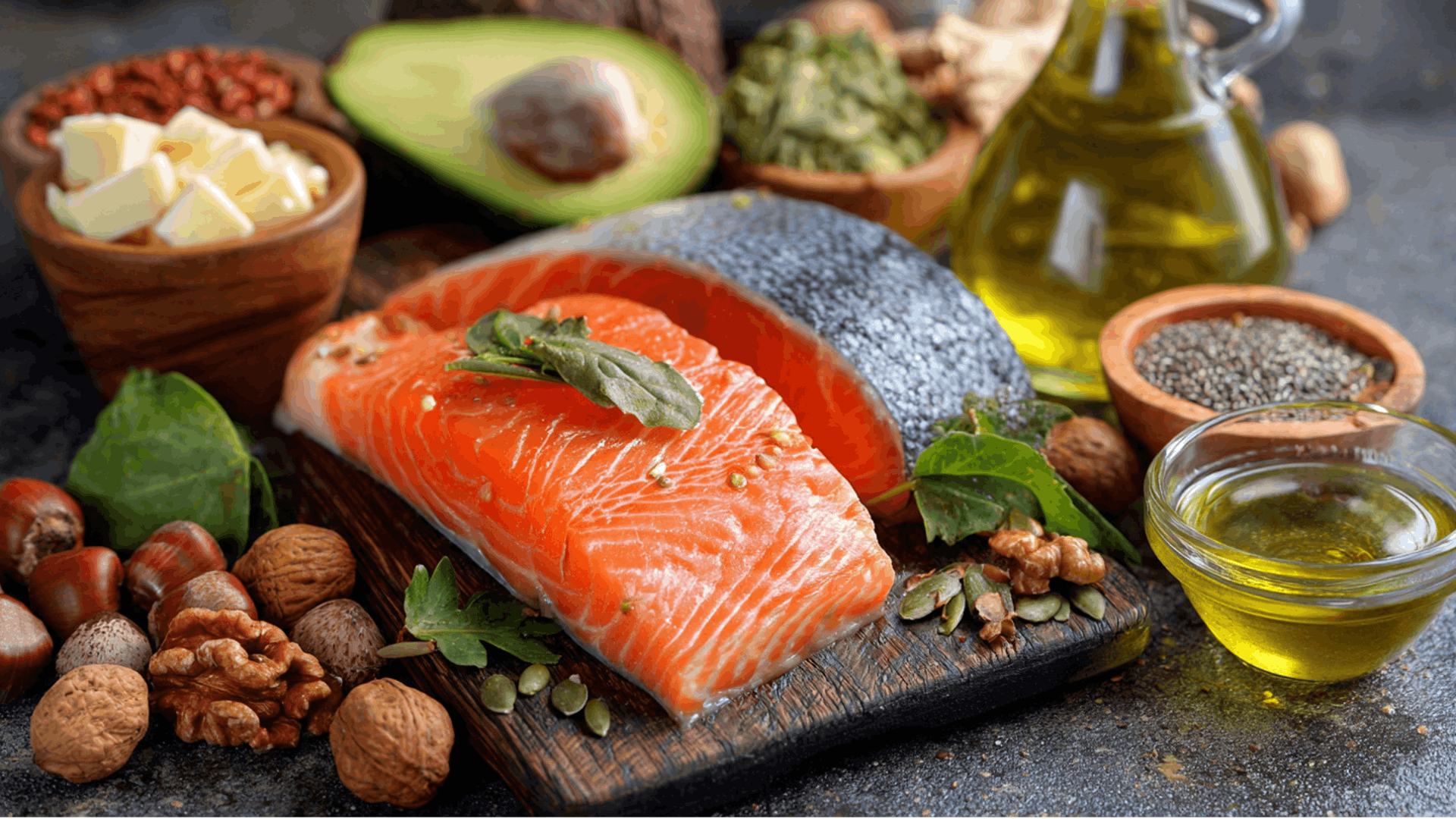
The article also highlights the benefits of incorporating unsaturated fats into your diet. These healthier fats, found in foods like olive oil, nuts, and oily fish, can lower LDL cholesterol levels and reduce the risk of cardiovascular disease. By replacing saturated fats with unsaturated fats, you can enhance your heart health and overall well-being.

Furthermore, the article provides practical dietary guidelines and recommendations, emphasizing the importance of a balanced diet that limits both saturated fats and added sugars. It encourages readers to make healthier food choices by examining food labels and opting for nutrient-rich foods. By making these informed choices, you can significantly improve your cardiovascular health and reduce the risk of chronic diseases.

In summary, this article offers a comprehensive look at the health implications of saturated fat and sugar, providing valuable insights and strategies for maintaining a balanced diet. By understanding the effects of these dietary components and adhering to recommended guidelines, you can take proactive steps toward achieving optimal health. Dive into the full article to uncover more about how you can balance these elements in your diet and make informed decisions for a healthier lifestyle.

Read More