
High blood pressure is a common health concern that significantly increases the risk of heart disease, stroke, and kidney problems. One of the simplest yet most effective ways to manage blood pressure is by starting your day with a heart-healthy breakfast. This article presents 15 easy and delicious breakfast recipes designed to support healthy blood pressure levels, all based on the proven principles of the DASH diet.
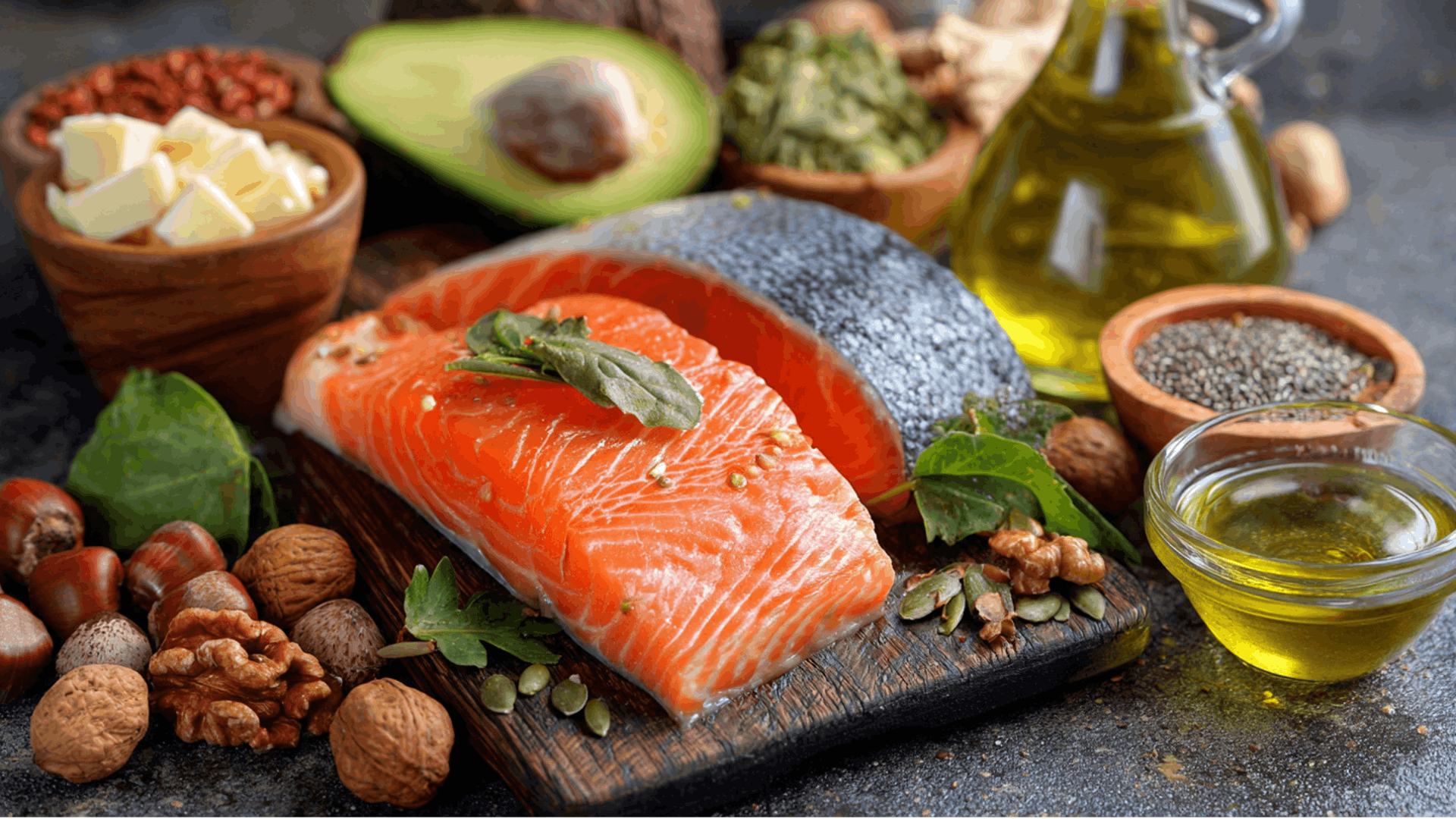
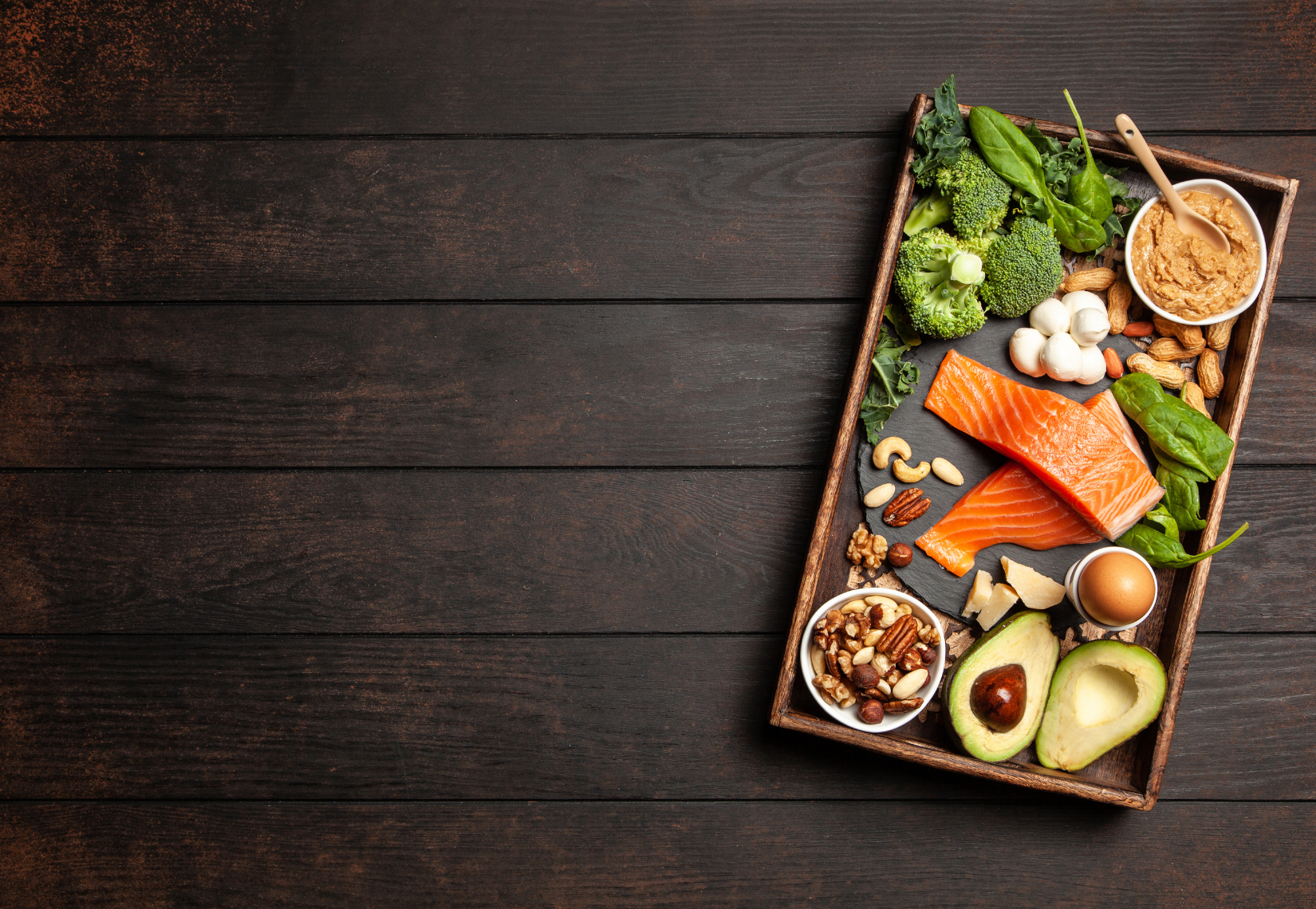
The DASH diet emphasizes eating foods rich in potassium, magnesium, calcium, and fiber while limiting sodium and unhealthy fats. These nutrients work together to help relax blood vessel walls, improve blood flow, and reduce the strain on your heart. By incorporating whole grains, fresh fruits, vegetables, low-fat dairy, and healthy fats into your morning meal, you can make a meaningful impact on your cardiovascular health.
Among the featured recipes are favorites like overnight oats topped with berries and nuts, Greek yogurt parfaits loaded with probiotics and antioxidants, and avocado toast on whole grain bread. Each recipe is quick to prepare, making it easy to maintain a consistent, heart-healthy breakfast routine even on busy mornings. Additionally, smoothie bowls packed with spinach, banana, and almond butter provide a nutrient-dense option for those who prefer a lighter start to the day.
The article also highlights the importance of avoiding common breakfast pitfalls such as processed meats, sugary cereals, and high-sodium packaged foods, which can elevate blood pressure and undermine your health goals. Instead, it encourages the use of herbs and spices to add flavor without salt and suggests low salt snacks and beverages like hibiscus tea and green tea that may offer additional blood pressure benefits.
Whether you’re newly diagnosed with hypertension or simply looking to improve your heart health, these recipes and tips offer practical, evidence-based guidance to help you take control of your blood pressure through nutrition. The article also addresses common questions about breakfast choices, including the role of eggs, coffee, and dark chocolate in a blood pressure-friendly diet.
Ready to transform your mornings and support your heart health? Dive into these 15 high blood pressure breakfast recipes and discover how small changes can lead to big benefits. Your heart will thank you for it!
Read More