
Top Tips for Incorporating Healthier Food into Your Daily Meals
Healthy eating has become unnecessarily complicated. Between endless diet trends, highly processed “health” foods, unsubstantiated benefits claims, and nutrition labels that require a degree to interpret, many people feel overwhelmed before they even start.
At Peqish, we take a different approach. Healthy eating doesn’t need to be restrictive, obsessive, or confusing. At its core, eating well means choosing real food, building balanced meals, and creating sustainable habits that support your energy, digestion, mood, and overall well-being over time.
This guide is designed to be comprehensive, approachable, and genuinely useful. It brings together evidence‑based nutrition principles, culinary medicine thinking, and real‑world practicality so you can feel more confident, less stressed, and actually enjoy eating well.
Key Takeaways
Prioritize whole, minimally processed foods such as fruits, vegetables, whole grains, lean proteins, and healthy fats to build balanced, nutrient-dense meals.
Aim to eat a variety of colorful fruits and vegetables daily, including fresh, frozen, and canned options without added sugars or excessive sodium, to maximize vitamin, fiber, and mineral intake.
Incorporate a mix of protein sources like lean meats, fish (including canned fish), legumes, nuts, and seeds to support muscle maintenance, satiety, and overall health.
Focus on sustainable, realistic healthy eating patterns that emphasize variety, balance, and simplicity rather than perfection or strict restrictions, making nutritious choices easier and more enjoyable long term.
Table of Contents
At a Glance: What Healthy Eating Really Means
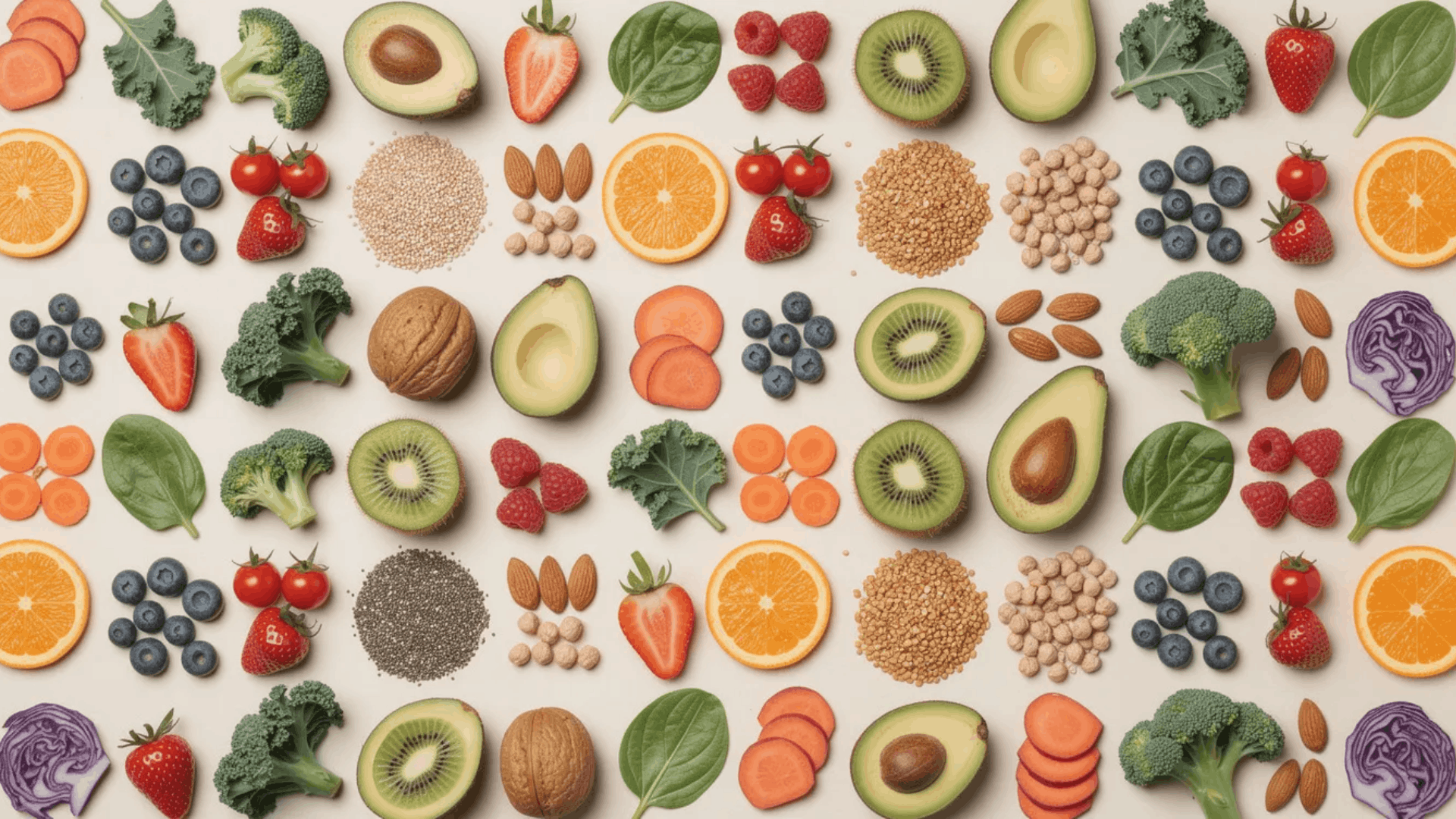
Healthy eating is not about perfection. It’s about patterns. At its foundation, this means:
Prioritizing whole, minimally processed foods
Building meals that include plants, protein, fiber, and healthy fats
Embracing variety over rigid rules
Reducing excess added sugars, refined carbohydrates, and unnecessary additives
Making choices that support long‑term outcomes, not short‑term fixes
Following established dietary guidelines and including all food groups such as fruits, vegetables, grains, dairy, and proteins helps ensure you get all the nourishment your body needs for optimal well-being.
This guide focuses on nutrition education and wellness‑oriented guidance. It is not intended as medical advice, but as a trusted resource to help you make better everyday choices with confidence, reflecting Peqish’s broader mission of providing science‑backed nutrition for real well‑being. Remember, no single food provides all the nutrients your body needs, so it's important to choose foods from different groups. Aim for a variety of colors on your plate, as different foods provide different nutrients and health benefits.
What Makes a Food “Healthy”?
There is no single “perfect” food and that’s good news. Choosing healthier food means selecting options that are nutrient-dense and minimally processed. Many foods contribute to a healthy diet, and vegetables are among the most concentrated sources of nutrients, offering high nutrient density and variety.
Some nutrition experts use a scoring system to evaluate and rank foods based on nutrient ratios, vitamins, minerals, and other health-related factors to help determine which foods are the healthiest overall.
Healthy foods tend to share a few consistent qualities:
1. They Are Nutrient‑Dense
Nutrient‑dense foods provide generous amounts of vitamins, minerals, fiber, and beneficial fats or proteins relative to their calorie content. Think vegetables, fruits, whole grains, legumes, nuts, and seeds, which are a good source of protein, fiber, and healthy fats (and can also add texture to salads and dishes), quality proteins, and thoughtfully prepared meals.
2. They Are Minimally Processed
The closer food is to its natural state, the easier it is for your body to recognize and use it. That doesn’t mean all processing is bad, but it does mean fewer additives, refined sugars, industrial oils, and unnecessary fillers.
3. They Contribute to Balanced Meals
Healthy foods don’t exist in isolation. They work together on your plate to support steady energy, satiety, digestion, and metabolic balance.
Healthy eating patterns are built over time, not through strict elimination or fear of specific ingredients. This principle sits at the heart of culinary medicine: translating nutrition science into meals people actually want to eat.
Discovering Healthier Food Options (Without Stress)
1. Fruits and Vegetables: The Foundation of Plant‑Rich Eating
Fruits and vegetables are the backbone of a nourishing diet. They are among the most concentrated sources of nutrients, delivering fiber, vitamins, minerals, antioxidants and phytonutrients that support digestive health, immune function, cardiovascular health, and long‑term vitality.
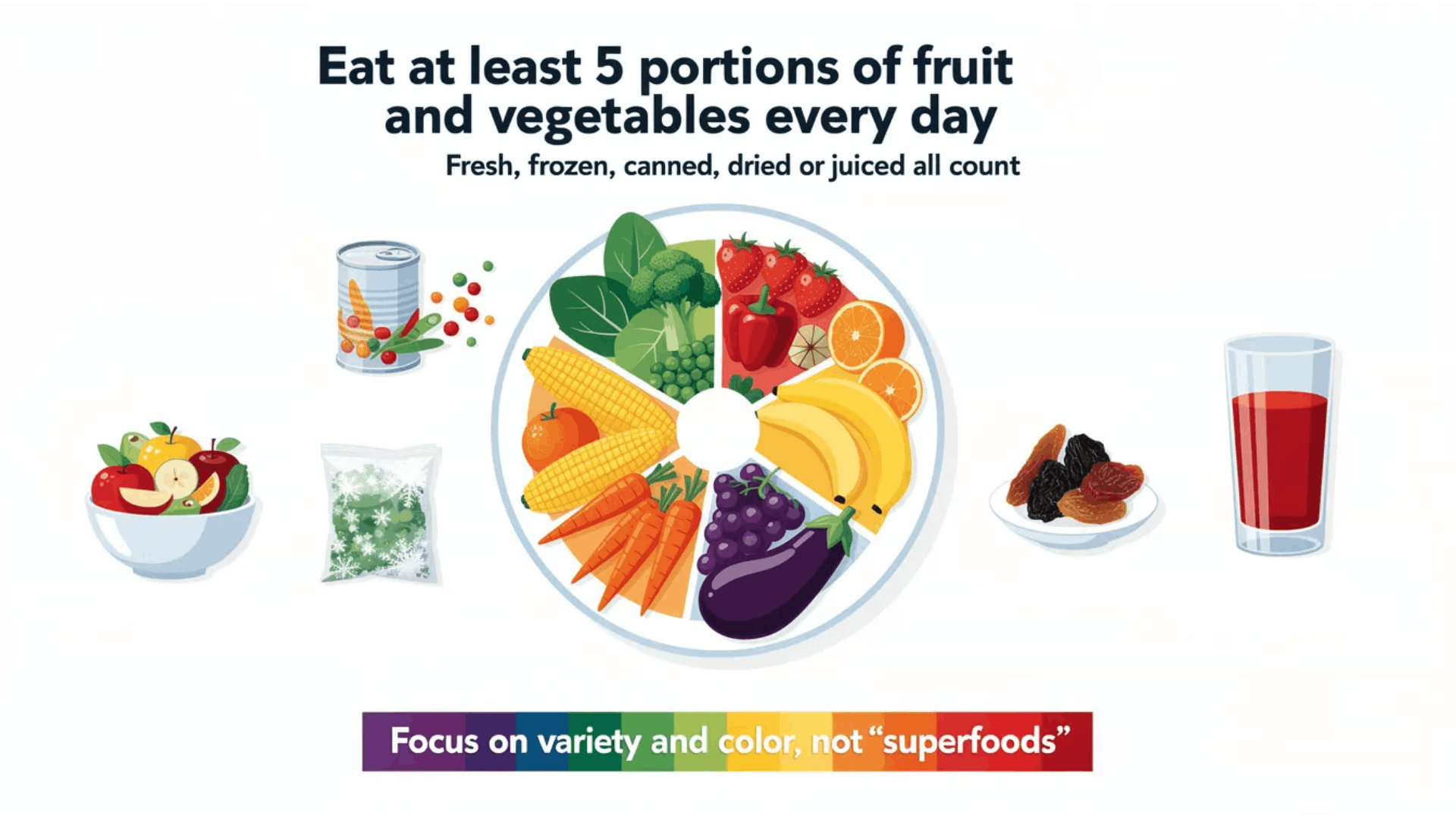
It is recommended to eat at least 5 portions of a variety of fruits and vegetables every day, which can be fresh, frozen, canned, dried, or juiced. A portion is 80g for fresh, canned, or frozen fruit and vegetables, 30g for dried fruit, and a 150ml glass of fruit or vegetable juice counts as one portion, but should be limited to one glass a day due to drinks high in sugar.
Rather than obsessing over specific “superfoods,” focus on variety and color:
leafy greens
cruciferous vegetables
root vegetables
berries
citrus
seasonal produce
Fresh, frozen, and canned fruits and vegetables (without added sugar or excessive sodium) can all play a role. Choosing produce like onions, apples, leafy greens, berries, and green tea adds quercetin‑rich foods that help combat oxidative stress. If you’re curious about supplements, understanding how much quercetin per day is beneficial and safe can help you make more informed choices. Convenient options like freeze‑dried fruit smoothie bites can also help you keep nourishing choices on hand. What matters most is consistency and diversity.
2. How to Add More Fruits and Vegetables
Here are some practical ways to eat more plants:
Add vegetables to breakfast (yes, this works)
Build meals around bowls, salads, and stir‑fries
Use nuts, seeds, and legumes for texture and satiety
Let plants take up more space on the plate, not all of it
3. Whole Grains: Sustained Energy and Digestive Support
Whole grains provide complex carbohydrates, fiber, and micronutrients that help maintain steady energy levels and support gut health. They’re one important piece of a broader approach to boosting your digestive health naturally.
4. Choosing Whole Grains
Examples of whole grains include:
oats
quinoa
brown rice (as opposed to white rice, which is a refined grain)
barley
whole wheat
Whole grains, such as whole wheat, barley, quinoa, and brown rice, have a milder effect on blood sugar and insulin compared to refined grains like white rice. Choosing higher fiber or whole grain varieties of starchy carbohydrates can help you feel full for longer and provide more fiber than white or refined options. Fiber from whole grains also lowers cholesterol levels, supporting cardiovascular health.
Compared to refined grains, whole grains:
have a milder effect on blood sugar
help you feel full longer
support digestive regularity
Healthy eating doesn’t require eliminating carbohydrates, it means choosing better ones and pairing them thoughtfully with protein and fat.
5. Protein‑Rich Foods: Building Balance and Satiety
Protein plays a central role in:
muscle maintenance
immune function
appetite regulation
blood sugar stability
Both animal‑based and plant‑based proteins can support a healthy diet. Examples include:
lean beef, which is an excellent source of protein and provides highly bioavailable iron your body can readily absorb
chicken breast, which is low in fat and calories but high in protein, potassium, and B vitamins
eggs, poultry, fish, and other lean meats. Choosing healthy, unprocessed meats like lean poultry or fish helps manage saturated fat intake and promotes heart health
beans, lentils, tofu, soy foods, legumes such as lentils and beans are a great plant-based source of protein, iron, and fiber
nuts and seeds, which are nutrient-dense, can help lower the risk of cardiovascular disease, cancer, and other health issues, and provide a satisfying source of protein
Beans, fish high in Omega-3, lean poultry, nuts and seeds are all healthy, versatile protein sources that can be mixed into salads and pair well with vegetables on a plate. Moderation with red meat is recommended for overall health, as balancing protein choices supports a healthier diet.
Including a meaningful protein source at meals often reduces cravings and helps meals feel more satisfying especially when paired with fiber‑rich foods.
6. Dairy and Dairy Alternatives: Supporting Structure and Sufficiency
Dairy products and fortified alternatives can contribute calcium, protein, and additional nutrients that support bone and metabolic health.
Options such as yogurt, milk, fortified plant milks, and moderate amounts of cheese can fit into a balanced diet. As with all foods, simplicity matters: fewer added sugars and recognizable ingredients tend to align best with long‑term health.
7. Healthy Fats: Essential, Not the Enemy
Fats are not something to fear. They are essential for:
nutrient absorption (especially vitamins A, D, E, and K)
hormone production
cell membrane health
meal satisfaction
Healthy fat sources include:
extra‑virgin olive oil
avocados
nuts and seeds
fatty fish
Avocados, nuts, and olive oil are excellent examples of healthy fats that can help reduce the risk of heart disease and improve overall health. Monounsaturated fats, like those found in olive oil and avocados, are considered heart-healthy and can help lower bad cholesterol levels. Incorporating healthy fats into your diet also enhances the absorption of fat-soluble vitamins A, D, E, and K, which are essential for various bodily functions, and antioxidant‑rich supplements like Phyto‑P™ polyphenol blend or the Phyto‑P™ plant‑based antioxidant extract may offer additional support for managing oxidative stress.
If you are following a low fat diet, focus on reducing saturated fat intake and choosing healthy fats instead. Even healthy fats should be consumed in small amounts for balance. Additionally, fiber-rich foods such as nuts and seeds can help lower cholesterol levels and support cardiovascular health.
Rather than avoiding fat altogether, focus on fat quality and context. Fat works best when paired with fiber‑rich foods and proteins, not as an ultra‑processed afterthought.
Building a Balanced Plate (A Culinary Medicine Perspective)
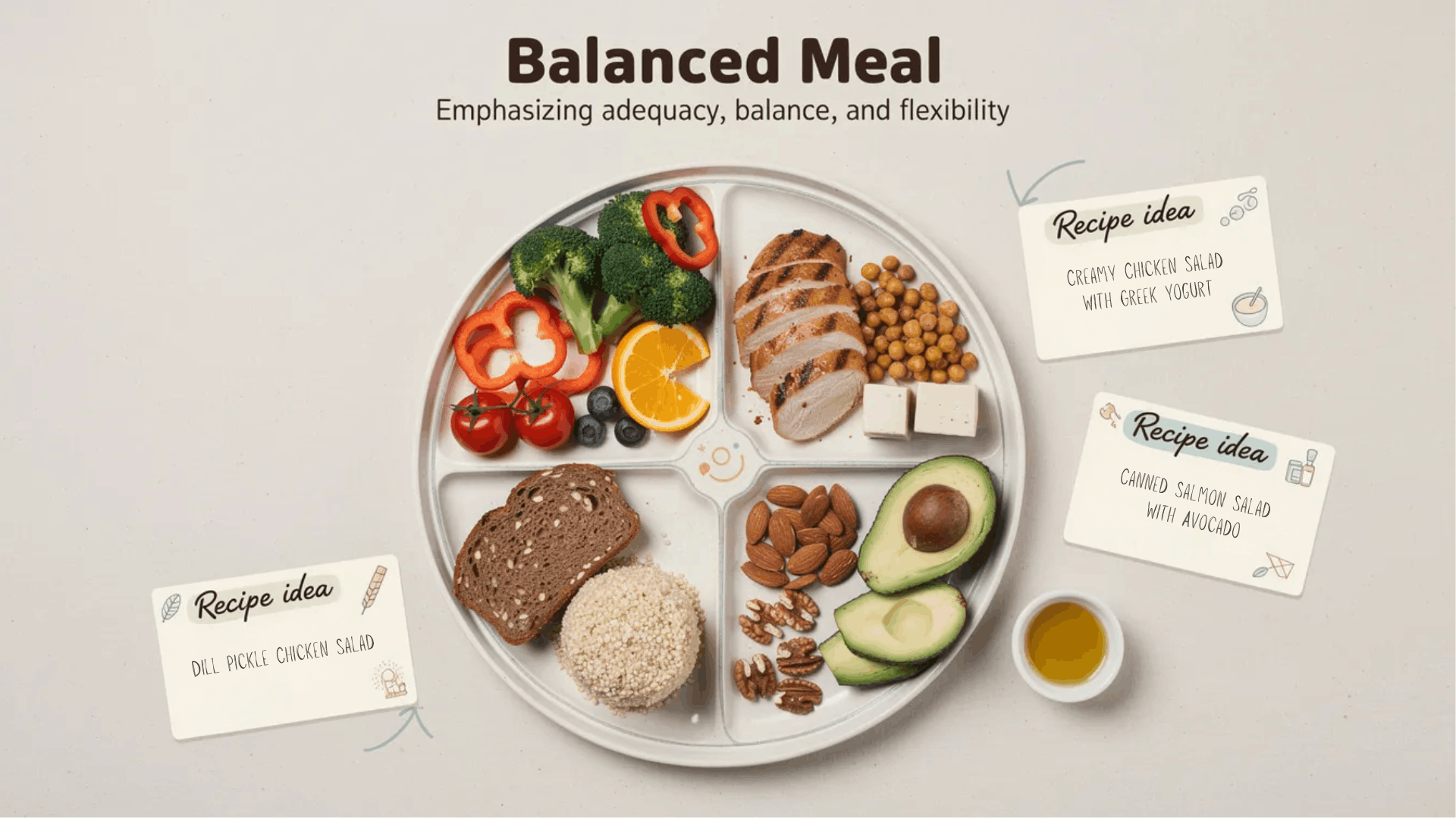
One of the simplest ways to eat well without counting, tracking, or overthinking is to look at your plate.
A balanced meal generally includes:
vegetables or fruit
a protein source
a fiber‑rich carbohydrate
a healthy fat
Using recipes can help you combine these different food groups and create balanced, enjoyable meals.
This approach emphasizes adequacy and balance, not restriction. It’s also flexible enough to adapt to different cuisines, cultures, and preferences making it far easier to sustain over time.
Staying Hydrated and Active
Staying hydrated and moving your body are essential pillars of a healthy lifestyle, right alongside balanced meals and smart food choices. Drinking enough water each day supports digestion, helps regulate blood pressure, and keeps your energy steady. Aim for about 8–10 glasses of water daily, and let thirst be your guide—especially if you’re active or the weather is warm. Choosing water, unsweetened tea, or a small glass of milk over sugary drinks can help you avoid unnecessary calories and added sugar, supporting your efforts to lose weight and maintain good health.
Physical activity is just as important as what you eat. Regular movement, whether it’s walking, cycling, swimming, or dancing, helps lower cholesterol levels, supports heart health, and reduces the risk of cardiovascular disease and weight gain. Nutrition experts recommend at least 30 minutes of moderate activity most days of the week. Pairing this with a balanced diet rich in whole grains, lean meats, healthy fats like olive oil, plenty of fresh fruit and vegetables, and habits that nurture your gut health and well‑being can amplify the health benefits and help you feel your best by supporting your intestinal barrier and reducing issues related to leaky gut symptoms and causes.
Don’t forget about the little things: adding more veggies to your meals, choosing unsaturated fats from nuts and oily fish, and opting for low fat dairy and low sodium options when possible. These small choices, combined with staying hydrated and active, can make a big difference in your overall health and wellbeing. Remember, healthy eating patterns are about consistency, not perfection, so find routines that fit your life and enjoy the journey toward better health.
Healthy Eating Patterns That Last
Healthy eating works best when it feels realistic.
Supportive patterns include:
eating a wide variety of foods across the week
limiting ultra‑processed foods high in added sugars and refined fats
staying hydrated
eating consistently rather than skipping meals
eating less salt and monitoring salt intake
Even small habits, like adding protein and fiber at breakfast or planning simple lunches, can have meaningful effects on energy and focus throughout the day. Convenient options like thoughtfully prepared packaged sandwiches and healthy, nutritious lunch ideas built around whole grains and vegetables can also fit into a balanced approach when they’re made with whole grains, lean proteins, and plenty of vegetables. Consuming too much salt and saturated fat can increase the risk of developing heart disease, so paying attention to these nutrients is important for long-term health.
Making Healthy Eating Feel Effortless
One of the biggest barriers to eating well is decision fatigue. Constant planning, label reading, and conflicting advice can make even the healthiest intentions collapse.
This is where simplicity matters.
Helpful strategies for making nutritious choices easier include:
having repeatable “go‑to” meals
shopping with ingredient intent
choosing foods aligned with your goals and lifestyle
reducing reliance on hyper‑processed convenience items
checking labels, since many foods, especially packaged ones, can be high in sugar or saturated fat
When nutritious choices are easier, choosing foods wisely, incorporating science‑backed innovations like those described in Peqish’s Phyto‑P™ antioxidant research, and using meal kits or grocery store variety can make it much simpler to eat healthy throughout the week, so healthier eating stops feeling like work and starts feeling natural.
Common Questions About Healthy Eating
What foods should I eat regularly for good health?
There’s no universal list. Diets around the world associated with longevity tend to emphasize plants, adequate protein, whole foods, and balance. A balanced diet includes a variety of foods from all food groups—such as fruits, vegetables, grains, dairy, and proteins—to ensure you get all the nutrients your body needs.
Is healthy eating expensive?
Not inherently. Beans, lentils, oats, eggs, frozen vegetables, and seasonal produce are among the most affordable and nutrient‑dense foods available.
Do I need to eliminate sugar completely?
No. Healthy eating focuses on reducing excess added sugars, not eliminating joy. Regularly consuming foods and drinks high in sugar increases your risk of obesity and tooth decay. Free sugars; any sugars added to foods or drinks, or found naturally in honey, syrups, and unsweetened fruit juices and smoothies, should be limited. Too much added sugar in your diet can contribute to weight gain, obesity, type 2 diabetes, and heart disease. Balance and intention matter more than strict avoidance.
The Bottom Line
Healthy eating isn’t about being perfect. It’s about learning how to nourish yourself with real food, care, and confidence.
When you focus on variety, balance, and simplicity, rather than fear or restriction, healthy eating becomes something you can enjoy every day. That philosophy sits at the heart of Peqish’s approach to food: evidence‑based, human‑centered, and designed to support real life.
Disclaimer
The information provided in this article is for educational and informational purposes only and is not intended as medical advice. While we work diligently to provide accurate and up-to-date information, we make no representations or warranties of any kind, express or implied, about the completeness, accuracy, reliability, suitability, or availability with respect to the content. The information contained herein should not be used as a substitute for the advice of an appropriately qualified and licensed physician or other healthcare provider. The suggestions and insights should not be used for diagnosing or treating a health problem or disease, or prescribing any medication. Always seek the advice of your physician or other qualified health provider with any questions you may have regarding a medical condition or treatment and before undertaking a new health care regimen. Never disregard professional medical advice or delay in seeking it because of something you have read on this site.


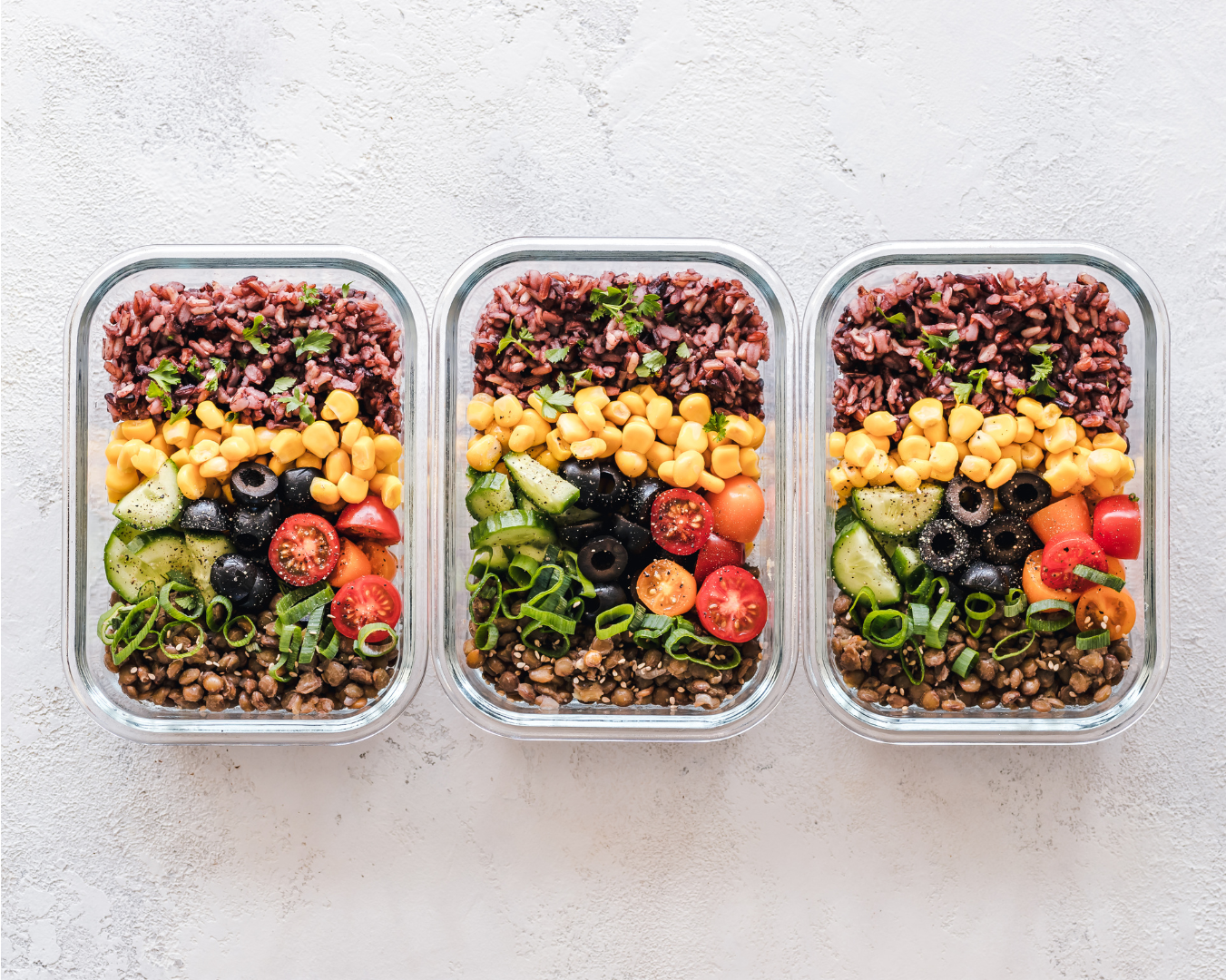


Dietary fats play a crucial role in our health, providing essential energy but also posing challenges when consumed in excess. With 9 calories per gram, fats are the most calorie-dense macronutrient, significantly influencing total caloric intake. The problem lies in the overconsumption of fats, such as saturated and trans-fats, which elevate LDL ("bad") cholesterol levels and heighten the risk of chronic conditions like heart disease and obesity.
This guide focuses on understanding the different types of fats, their caloric impact, and practical strategies to manage fat intake, helping individuals make informed choices for a balanced and healthy diet.