
oxidative stress
it’s impact of well-being

Free radicals are atoms or molecules with unpaired electrons. Their formation occurs during normal metabolic processes, such as mitochondrial respiration and enzymatic reactions. External factors, including UV radiation, pollution, and toxins, further contribute to their generation. These unpaired electrons make free radicals highly reactive, seeking stability by snatching electrons from nearby molecules. This dance of electron exchange lies at the heart of cellular dynamics and underscore the importance of ensuring that you get enough antioxidants through a healthy diet and by limiting processed foods.
Reactive Oxygen Species
The common types of free radicals, also known as reactive oxygen species (ROS), encompass a variety of molecules such as hydroxyl radical (HO•), superoxide anion (O2•−), hydrogen peroxide (H2O2), and nitric oxide (NO•). These unstable molecules are highly reactive due to the presence of unpaired valence electrons, making them integral in various biological and chemical processes.
The Yin and Yang of Free Radicals
Beneficial Roles
Free radicals can serve essential functions:
Cell Signaling: Reactive oxygen species (ROS), a subset of free radicals, act as cellular messengers. They regulate processes like cell growth, immune responses, and apoptosis.
Defense Mechanisms: Immune cells produce ROS to combat pathogens. TThese radicals assist in neutralizing invading microbes by creating holes in the cell membranes of pathogens such as harmful bacteria.
The Dark Side: Oxidative Stress
When free radicals overwhelm the body’s antioxidant defenses, oxidative stress ensues. This imbalance damages lipids, proteins, and DNA. Chronic oxidative stress contributes to aging, neurodegenerative diseases (e.g., Alzheimer’s), cardiovascular disorders, and even cancer. The delicate equilibrium between beneficial and detrimental roles underscores their significance.
Learn More About Antioxidants
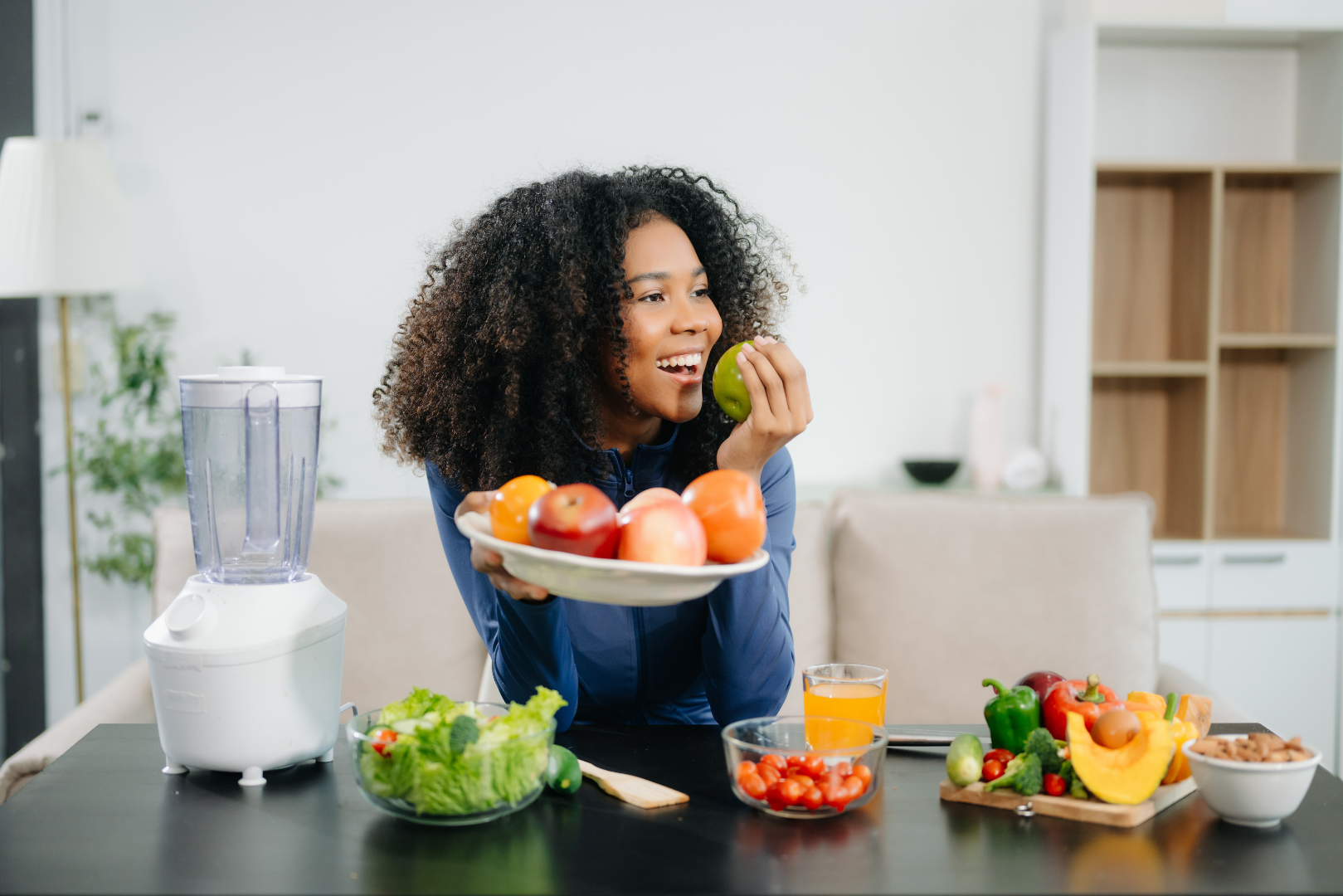

Antioxidants play a vital role in protecting our bodies from the harmful effects of oxidative stress, a condition caused by an imbalance between free radicals and the body's natural defenses. Free radicals are unstable molecules that can damage cells, proteins, and DNA, contributing to the development of chronic diseases such as cancer, heart disease, and neurodegenerative disorders. Understanding antioxidants and their sources can empower you to make healthier dietary choices that support long-term well-being.
This article delves into the science behind antioxidants, explaining how these powerful molecules neutralize free radicals and prevent cellular damage. You'll discover the best natural sources of antioxidants, including a wide variety of fruits, vegetables, nuts, seeds, and whole grains, and learn why a diet rich in these foods is linked to lower risks of many chronic diseases. The article also highlights how cooking methods can influence antioxidant levels, sometimes enhancing their availability and other times causing losses, offering practical tips to maximize their benefits.
Beyond diet, the article explores the complex relationship between antioxidant supplements and health. While supplements may seem like an easy solution, scientific evidence suggests that they do not always provide the same benefits as antioxidants from whole foods and, in some cases, may even pose risks. The discussion includes important insights into how high doses of certain supplements can have adverse effects, emphasizing the importance of consulting healthcare providers before starting any supplementation.
You'll also find an overview of the different types of antioxidants, such as vitamins C and E, beta-carotene, and polyphenols, and how they contribute uniquely to health. The article touches on how antioxidants support immune function, protect skin and brain health, and may help slow age-related decline.
Whether you're interested in improving your diet, understanding the science of antioxidants, or considering supplements, this comprehensive guide offers evidence-based information to help you navigate the topic confidently. Dive into the full article to uncover the fascinating world of antioxidants, learn how to incorporate them into your lifestyle, and take proactive steps toward better health.