
Top Antioxidant Sources and Their Powerful Health Benefits
This content was reviewed by Dr. Jil Busmann, PhD to ensure alignment with current nutrition science and evidence‑based education principles.
Antioxidants protect the body from oxidative stress, the imbalance that develops when free radicals outpace the body's defenses. The cell damage that follows is linked to chronic diseases including cancer, heart disease, and neurodegenerative disorders. This article covers what antioxidants do, which foods supply the most of them, how cooking changes antioxidant content, and where antioxidant supplements help and where they don't.
Key Takeaways
Antioxidants neutralize free radicals and support the body's natural defenses against oxidative stress.
Naturally occurring antioxidants from whole foods such as fruits, vegetables, nuts, and whole grains are the preferred dietary source. Where supplements have been tested against disease outcomes, the results have been inconsistent and sometimes unfavorable.
Cooking methods can enhance or reduce antioxidant levels in foods, making it crucial to choose the right techniques to maximize health benefits.
Understanding Antioxidants
Antioxidants are substances that protect our bodies from cell damage caused by free radicals. Free radicals are unstable molecules produced as by-products of chemical processes inside our cells, including metabolism, digestion, and exercise. They also come from outside: UV rays and sunlight, pollution, cigarette smoke, and environmental chemicals.
A build-up of free radicals that outpaces the body's ability to clear them is associated with health problems such as heart disease, diabetes, cancer, and Alzheimer's. Vitamin C, vitamin E, beta carotene, selenium, and polyphenols help neutralize these molecules [1].
The best way to get antioxidants is through whole foods: fruits, vegetables, nuts, and grains. Colorful fruits and vegetables such as berries, spinach, and sweet potatoes are rich sources of vitamins and other plant chemicals, though antioxidant activity varies widely between them [2,3].
A simple way to build that variety into meals is the USDA's MyPlate guidance: fill half your plate with fruits and vegetables [4].
The Science Behind Free Radicals
Free radicals form when atoms gain or lose electrons, leaving an unpaired electron behind. Some free radical production is normal and necessary. Trouble starts when it outruns the body's antioxidant capacity.
Free radicals attack DNA, proteins, and lipids. Lipid peroxidation in particular spreads as a chain reaction: once started, it damages large numbers of lipid molecules and compromises cell membranes. Over time this contributes to aging and raises the risk of chronic disease [1,5]. Antioxidants break these chain reactions, either by stabilizing the radical or by preventing the reaction from starting [1,5,6].Health Benefits of Naturally Occurring Antioxidants
The benefits of antioxidants are extensive and well-documented. These powerful substances can neutralize free radicals, which are linked to various diseases, including heart disease and certain cancers. Consuming a diet rich in antioxidants from natural sources such as fruits and vegetables is associated with the same benefits as taking antioxidant supplements but with a lower risk of chronic diseases.
Fruits and vegetables, in particular, are among the richest sources of antioxidants in our diet. Studies have shown that dietary sources of antioxidants are more effective in disease prevention and cancer prevention than supplements. Regularly incorporating these natural sources into meals enhances overall health and reduces the risk of serious illnesses.
Health Benefits of Naturally Occurring Antioxidants
Diets rich in fruits, vegetables, and minimally refined cereals are associated with lower rates of chronic degenerative disease, and the antioxidant content of those foods is one proposed explanation [7]. Plant foods contribute far more antioxidants to the diet than animal foods. In a survey of more than 3,100 items, plant foods had a median antioxidant content roughly nine times that of animal foods [2].
One caveat matters here. Most of this evidence is observational. Whether the antioxidants themselves are doing the work, or whether they mark a broader pattern of healthy eating, has not been settled [1,5,7].
Top Natural Sources of Antioxidants
Plant foods vary enormously in antioxidant content, by several thousand-fold across the full range of foods tested [2]. Eating a variety of certain foods matters more than chasing any single item.
Fruits and Vegetables
Red fruits are among the richest sources in the produce aisle. Red plums measured highest of the common fruits in one analysis, ahead of black plums, red grapes, and red apples, while melons sat at the bottom of the range [3]. Citrus fruits contribute antioxidants too, though oranges measured 600 Trolox equivalents per 100 g, near the bottom of the fruits tested and well below the red fruits [3].
Among leafy vegetables and other produce, red cabbage, garlic, and beets rank highest, while cucumber, celery, and carrots are comparatively low [3]. Vegetables as a group average well below fruits. Green tea is another useful addition to dietary intake of antioxidants [2].
Nuts, Seeds, and Vitamin E
Walnuts and pecans stand out among nuts. Walnuts contain more than 20 mmol of antioxidants per 100 g, among the highest of any dietary plant [7]. Most of that sits in the pellicle, the papery skin. Remove it from a walnut and less than 10% of the antioxidant content remains [7]. Pecans rate highest among commonly consumed nuts in food assays, at 20.2 mg gallic acid equivalents per gram of total phenolic compounds and an antioxidant capacity of 179.4 µmol Trolox equivalents per gram [8]. Sunflower seeds sit alongside pecans with pellicle and chestnuts with pellicle in the 4.7 to 8.5 mmol per 100 g range [2].
Walnuts also supply tocopherols, one of the two families of compounds that make up vitamin E [7,9].
Vitamin E is worth a closer look, because the vitamin E in food and the vitamin E in a capsule are not the same thing and do not deliver the same benefits. Vitamin E is a group of fat-soluble compounds made up of tocopherols and tocotrienols, and tocopherols are the major source of vitamin E in the US diet, occurring as alpha, beta, gamma, and delta forms [9]. Tocopherols occur widely in dietary oils such as corn, soybean, sesame, and cottonseed, as well as in nuts. In those oils, gamma-tocopherol is three to five times more abundant than alpha-tocopherol [9]. Supplements are usually alpha-tocopherol alone [9].
Whole Grains and Other Foods
Among grains, buckwheat, millet and barley flours measured the highest antioxidant values [2]. Refining reduces what grain contributes, because these compounds sit mainly in the bran: wholegrain bread measured significantly higher in phenolic content than refined bread made from the same wheat cultivar [10].
Dark chocolate is another notable source, and its antioxidant content tracks closely with cocoa content. Products at 24 to 30% cocoa averaged 1.8 mmol/100 g, those at 40 to 65% averaged 7.2, and those at 70 to 99% averaged 10.9 [2].
Red kidney beans carry anthocyanins, and the colour of the bean tells you roughly how much. An analysis of seed coats from 26 kidney bean cultivars identified 16 anthocyanins, with delphinidin the most abundant anthocyanidin and total anthocyanidin content ranging from none at all up to 5.84 mg per gram of dry coat [11]. White-coated cultivars contained no anthocyanidins, and their antioxidant activity measured roughly a hundredfold lower than the most active pigmented cultivars [11]. Two caveats apply: the measurements are of the seed coat rather than the whole bean, and they come from laboratory assays rather than from people [11].
That second caveat applies to every antioxidant number in this article. A high score in a test tube is not the same as an effect in the body. Anthocyanins have limited bioavailability, with only about 0.26 to 2% absorbed intact [12]. The rest are not simply wasted. Unabsorbed polyphenols reach the colon, where gut bacteria break them into smaller phenolic compounds that are absorbed and act on tissues. The colon is not an absorption site for the intact pigments, but it is an active site for phenolic metabolism [12].
Antioxidants, Cancer Risk, and Disease Prevention
Oxidative stress is implicated in cardiovascular disease, several cancers, and disorders of the brain [1,5]. The hope has been that dietary antioxidants reduce that risk. The evidence is mixed.
Higher polyphenol intake, measured by urinary excretion, has been associated with better cardiovascular health scores in adolescents, including more favorable total cholesterol and blood pressure, though that study was cross-sectional and cannot establish cause [13]. Oxidative stress is also involved in age related macular degeneration, where oral antioxidant supplements have been studied for slowing progression rather than preventing onset [14,15].
Against that sits a counterweight. Antioxidants can behave as pro-oxidants at high doses or in the presence of iron and copper, generating the very radicals they are meant to quench [5,6]. Excess intake from supplements can disrupt normal cell signaling and may raise risk for people already vulnerable to specific diseases [5,6]. Which is why, for cancer prevention and for chronic disease more broadly, the sensible default is food first.
Cooking and Antioxidant Levels
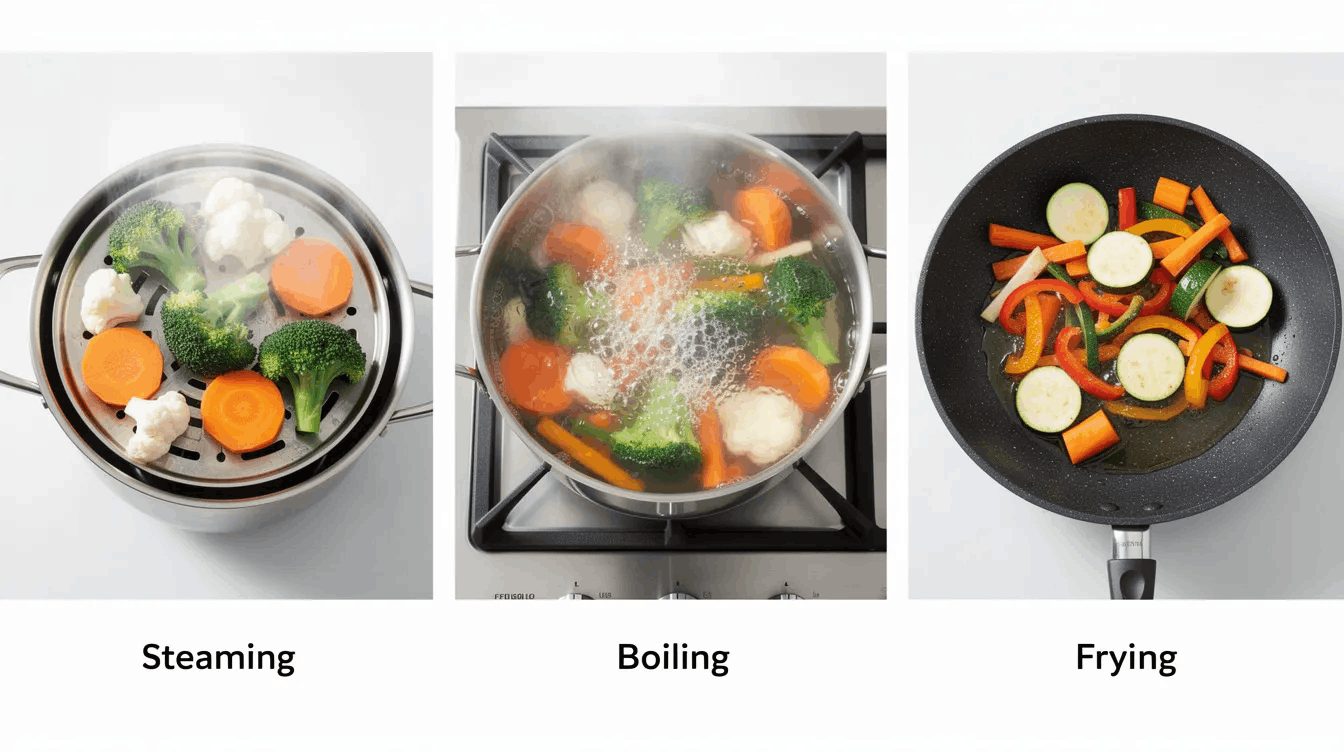
Cooking changes antioxidant content, sometimes downward and sometimes upward. Water-soluble antioxidants such as vitamin C are vulnerable: ascorbic acid is a labile molecule and can be lost during cooking [1].
Processing can also work in the other direction by releasing compounds from the food matrix that would otherwise pass through unabsorbed. Lycopene from heat-processed tomato sauce, for example, is more bioavailable than lycopene from unprocessed tomato [2].
Eating nuts with their skins on is often miscategorized as a cooking effect. It isn't. It's simply not discarding the part of the nut where most of the antioxidants live [7].
Anthocyanins are a particular case. The same chemical structure that gives them their antioxidant capacity also makes them unstable, more so than other polyphenols, and they degrade with changes in temperature, light, oxygen, and pH [12].
Antioxidant Supplements: Benefits and Risks
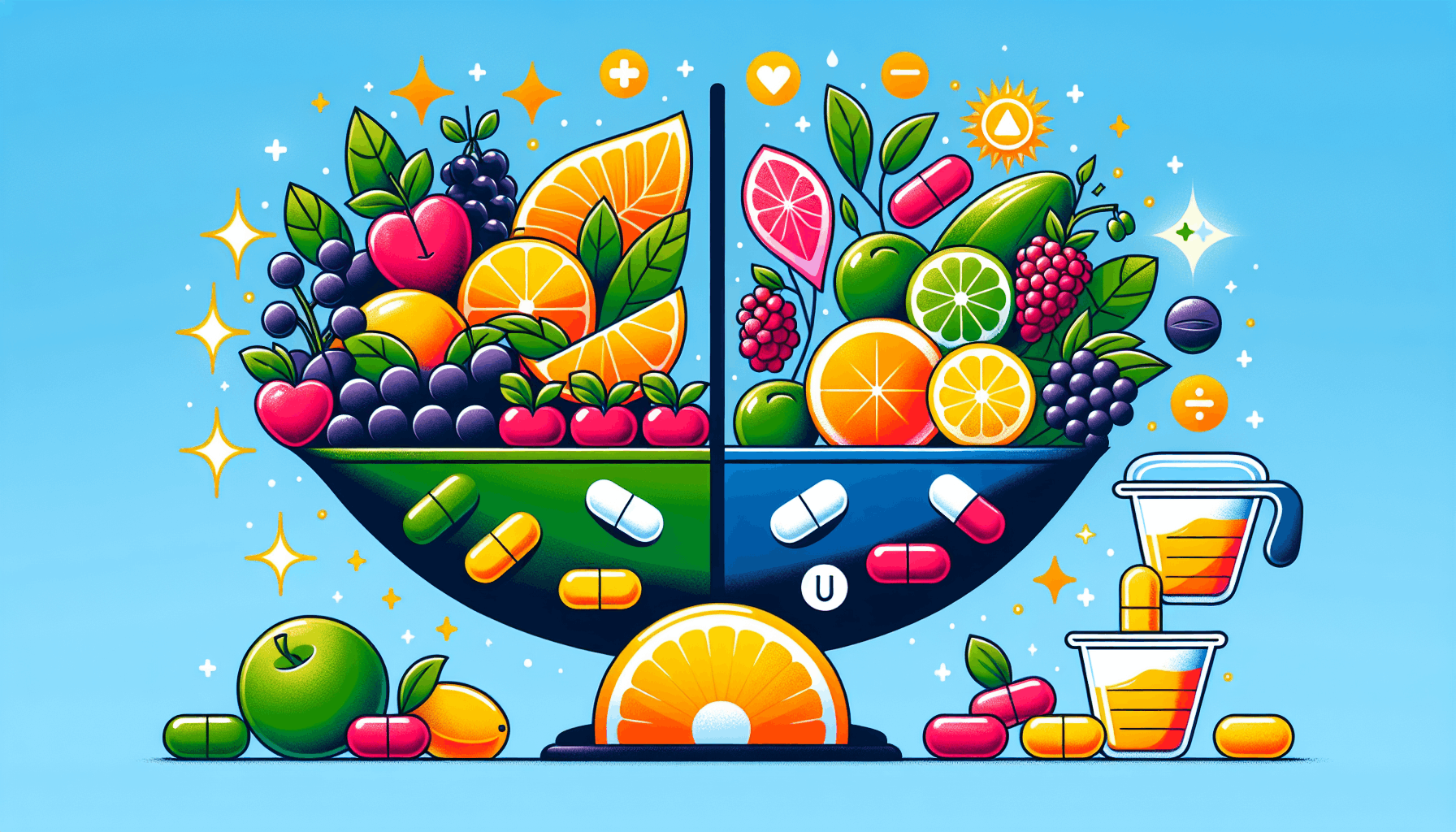
Consuming antioxidants from a diet abundant in fruits and vegetables is generally preferable to taking antioxidant supplements [1]. Supplements are extracted or synthesized and do not have the same composition as the antioxidants in whole foods, and opinion remains divided on whether they deliver comparable health benefits [1].
When Supplements Are Beneficial
Dietary supplements can help you get adequate amounts of essential nutrients if you don't eat a nutritious variety of foods, but they can't take the place of that variety [16]. People who don't get enough vitamins and minerals from food alone, who are on low-calorie diets, who have a poor appetite, or who avoid certain foods may consider a multivitamin with minerals, and health care providers also recommend them for patients with certain medical problems [15].
Consult a health care provider before taking dietary supplements to treat a health condition, including diabetes, cardiovascular disease, or cancer [16].
Potential Risks of High Doses
Side effects are most likely when supplements are taken at high doses, taken instead of prescribed medicines, or taken several at once [16]. Supplements can also interact with medicines. Antioxidant supplements such as vitamins C and E may reduce the effectiveness of some types of cancer chemotherapy [16]. Tell your health care providers about any supplements you take, and get their approval before taking supplements in place of, or in combination with, prescribed medicines [16].
Antioxidant supplements produce dose-related effects: beneficial at low doses, adverse at high ones, where antioxidants can act as pro-oxidants and exacerbate the very oxidative stress they are meant to relieve [6]. And numerous clinical trials of antioxidant supplements, covering beta carotene, vitamin E, vitamin C, selenium, retinol, zinc, riboflavin, and molybdenum, have not produced convincing evidence to justify their use for cancer prevention [6].
The clearest evidence of harm comes from a trial designed to look for a benefit. The Selenium and Vitamin E Cancer Prevention Trial, funded by the National Cancer Institute and the National Center for Complementary and Alternative Medicine at the National Institutes of Health, randomized more than 35,000 healthy men to vitamin E, selenium, both, or placebo [17]. Vitamin E at 400 IU per day increased prostate cancer risk by 17% compared with placebo, a difference that emerged about three years in [17]. The trial found no offsetting benefit for lung cancer, colorectal cancer, cardiovascular events, or overall survival [17].
Dose is what makes this worth knowing. More than half of adults over 60 take a supplement containing vitamin E, and nearly a quarter of those take at least 400 IU a day, roughly eighteen times the recommended dietary allowance of 22.4 IU for adult men [17].
Beta carotene shows the same pattern. A high dietary intake of beta carotene-rich fruits and vegetables has been associated with a reduced risk of cancer at several sites [5,18], but a meta-analysis of six randomized controlled trials covering 40,544 participants found that beta carotene supplements had no preventive effect on either cancer incidence or cancer mortality, and significantly increased the risk of bladder cancer, though that finding rested heavily on a single trial [18]. Supplement doses have also been correlated with lung cancer risk in smokers [5]. Beta carotene is the orange pigment in carrots, sweet potatoes, and apricots, and the body converts it to vitamin A [5].
Genetic evidence points the same direction. Research suggests no causal link: a Mendelian randomization analysis drew on ten cancer genome-wide association studies covering 602,435 people, then tried to validate the findings in 355,543 UK Biobank participants [19]. It found no convincing causal effect of circulating vitamin E, or of dietary vitamin E intake, on the risk of any of ten cancers including lung, colorectal, prostate, and breast [19]. The authors note the limitation that their genetic instruments captured alpha-tocopherol levels only [19].
Why would a supplement of an antioxidant found in food behave differently from the food? One proposed explanation is that concentrating a single form crowds out the others. In the SELECT trial, alpha-tocopherol supplementation caused a 50% decrease in median plasma gamma-tocopherol levels [9]. Whether that accounts for the result is not settled, and the researchers who raised it describe it as a proposal rather than a finding [9].
Food appears to work the other way. In a crossover trial in 16 healthy adults, a meal of 90 g of pecans, a nut rich in gamma-tocopherol, roughly doubled plasma gamma-tocopherol at 8 hours, raised plasma antioxidant capacity by about 12% at 2 hours, and lowered oxidized LDL by around 30% [8].
Exercise, Oxidative Stress, and Antioxidants
Physical activity generates reactive oxygen species while also strengthening the body's antioxidant defenses. At low concentrations these molecules are not waste. They are required for muscle contraction itself, and for drug detoxification [20].
Dose matters here too. Strenuous exercise increases oxidant production in muscle and limits performance, and that rise contributes to acute muscle fatigue [20]. Whether reactive species end up helping or harming depends on the duration and intensity of the effort, the fitness of the person, and other factors including their nutritional status [20].
Training changes the equation. People who exercise regularly carry higher mitochondrial content and accumulate less oxidative stress at a given intensity than untrained people, so an effort that damages an untrained body is handled comfortably by a trained one [20]. The benefit holds with age: physically active older adults show antioxidant activity and lipid peroxidation levels comparable to young sedentary people [20].
Summary
Antioxidants matter because oxidative stress sits upstream of a long list of chronic conditions. The practical advice is narrower than the science is broad. Eat a varied diet built on fruits, vegetables, nuts, seeds, and whole grains, vary your cooking methods, and treat supplements as a targeted tool rather than a default. Talk to a healthcare provider before adding them.
Frequently Asked Questions
What are antioxidants and why are they important?
Antioxidants protect the body against free radicals, which can cause cell damage and contribute to a range of health issues. They work alongside the body's own enzymatic defenses to keep oxidative stress in check [1].
How do free radicals affect our health?
An excess of free radicals leads to oxidative stress, damaging cells and raising the risk of conditions including cancer, heart disease, neurodegenerative disease, and vision loss [1].
Are naturally occurring antioxidants more effective than supplements?
Where possible, yes. The antioxidants in whole foods are the better starting point, and the most reliable way to raise your intake is a diet that includes a wide variety of vegetables, fruits, nuts, and whole grains [1,16].
How does cooking affect antioxidant levels in food?
Boiling can leach water-soluble antioxidants such as vitamin C [1]. Some processing increases how much your body can absorb by freeing compounds from the food's structure [2]. And eating nuts with their skins on preserves antioxidants that would otherwise be discarded [7].
Disclaimer
The information provided in this article is for educational and informational purposes only and is not intended as medical advice. While we work diligently to provide accurate and up-to-date information, we make no representations or warranties of any kind, express or implied, about the completeness, accuracy, reliability, suitability, or availability with respect to the content. The information contained herein should not be used as a substitute for the advice of an appropriately qualified and licensed physician or other healthcare provider. The suggestions and insights should not be used for diagnosing or treating a health problem or disease, or prescribing any medication. Always seek the advice of your physician or other qualified health provider with any questions you may have regarding a medical condition or treatment and before undertaking a new health care regimen. Never disregard professional medical advice or delay in seeking it because of something you have read on this site.
References
1. Pham-Huy LA et al., 2008. Free radicals, antioxidants in disease and health. Int J Biomed Sci. 2008 Jun;4(2):89–96.
2. Carlsen MH et al., 2010. The total antioxidant content of more than 3100 foods, beverages, spices, herbs and supplements used worldwide. Nutr J. 2010 Jan 22;9:3.
3. Miller HE et al., 2000. Antioxidant content of whole grain breakfast cereals, fruits and vegetables. J Am Coll Nutr. 2000 Jun;19(3 Suppl):312S–319S.
4. U.S. Department of Agriculture, Food and Nutrition Service. MyPlate. https://www.fna.usda.gov/tn/myplate
5. Sharifi-Rad M et al., 2020. Lifestyle, oxidative stress, and antioxidants: back and forth in the pathophysiology of chronic diseases. Front Physiol. 2020 Jul 2;11:694.
6. Kozlov AV et al., 2024. Cellular ROS and antioxidants: physiological and pathological role. Antioxidants (Basel). 2024 May 14;13(5):602.
7. Blomhoff R et al., 2006. Health benefits of nuts: potential role of antioxidants. Br J Nutr. 2006 Nov;96 Suppl 2:S52–S60.
8. Hudthagosol C et al., 2011. Pecans acutely increase plasma postprandial antioxidant capacity and catechins and decrease LDL oxidation in humans. J Nutr. 2011 Jan;141(1):56–62.
9. Yang CS et al., 2012. Does vitamin E prevent or promote cancer? Cancer Prev Res (Phila). 2012 May;5(5):701–705.
10. Falcinelli B et al., 2018. Phenolic content and antioxidant activity of wholegrain breads from modern and old wheat (Triticum aestivum L.) cultivars and ancestors enriched with wheat sprout powder. Ital J Agron. 2018;13(3):297–302.
11. Kan L et al., 2016. Antioxidant activities and anthocyanins composition of seed coats from twenty-six kidney bean cultivars. J Funct Foods. 2016 Oct;26:622–631.
12. Hernández-Ruiz RG et al., 2025. Phenolic compounds and anthocyanins in legumes and their impact on inflammation, oxidative stress, and metabolism: comprehensive review. Molecules. 2025 Jan 4;30(1):174.
13. Laveriano-Santos EP et al., 2022. Total urinary polyphenols and ideal cardiovascular health metrics in Spanish adolescents enrolled in the SI Program: a cross-sectional study. Sci Rep. 2022 Sep 14;12(1):15468.
14. Ruan Y et al., 2021. Age-related macular degeneration: role of oxidative stress and blood vessels. Int J Mol Sci. 2021 Jan 28;22(3):1296.
15. National Institutes of Health, Office of Dietary Supplements, 2024. Multivitamin/mineral Supplements: Fact Sheet for Consumers. Updated February 15, 2024. https://ods.od.nih.gov/factsheets/MVMS-Consumer/
16. National Institutes of Health, Office of Dietary Supplements, 2023. Dietary Supplements: What You Need to Know. Fact Sheet for Consumers. Updated January 4, 2023. https://ods.od.nih.gov/factsheets/WYNTK-Consumer/
17. Klein EA et al., 2011. Vitamin E and the risk of prostate cancer: the Selenium and Vitamin E Cancer Prevention Trial (SELECT). JAMA. 2011 Oct 12;306(14):1549–1556.
18. Jeon YJ et al., 2011. Effects of beta-carotene supplements on cancer prevention: meta-analysis of randomized controlled trials. Nutr Cancer. 2011;63(8):1196–1207.
19. Xin J et al., 2022. Association between circulating vitamin E and ten common cancers: evidence from large-scale Mendelian randomization analysis and a longitudinal cohort study. BMC Med. 2022 May 11;20(1):168.
20. Simioni C et al., 2018. Oxidative stress: role of physical exercise and antioxidant nutraceuticals in adulthood and aging. Oncotarget. 2018 Mar 30;9(24):17181–17198.

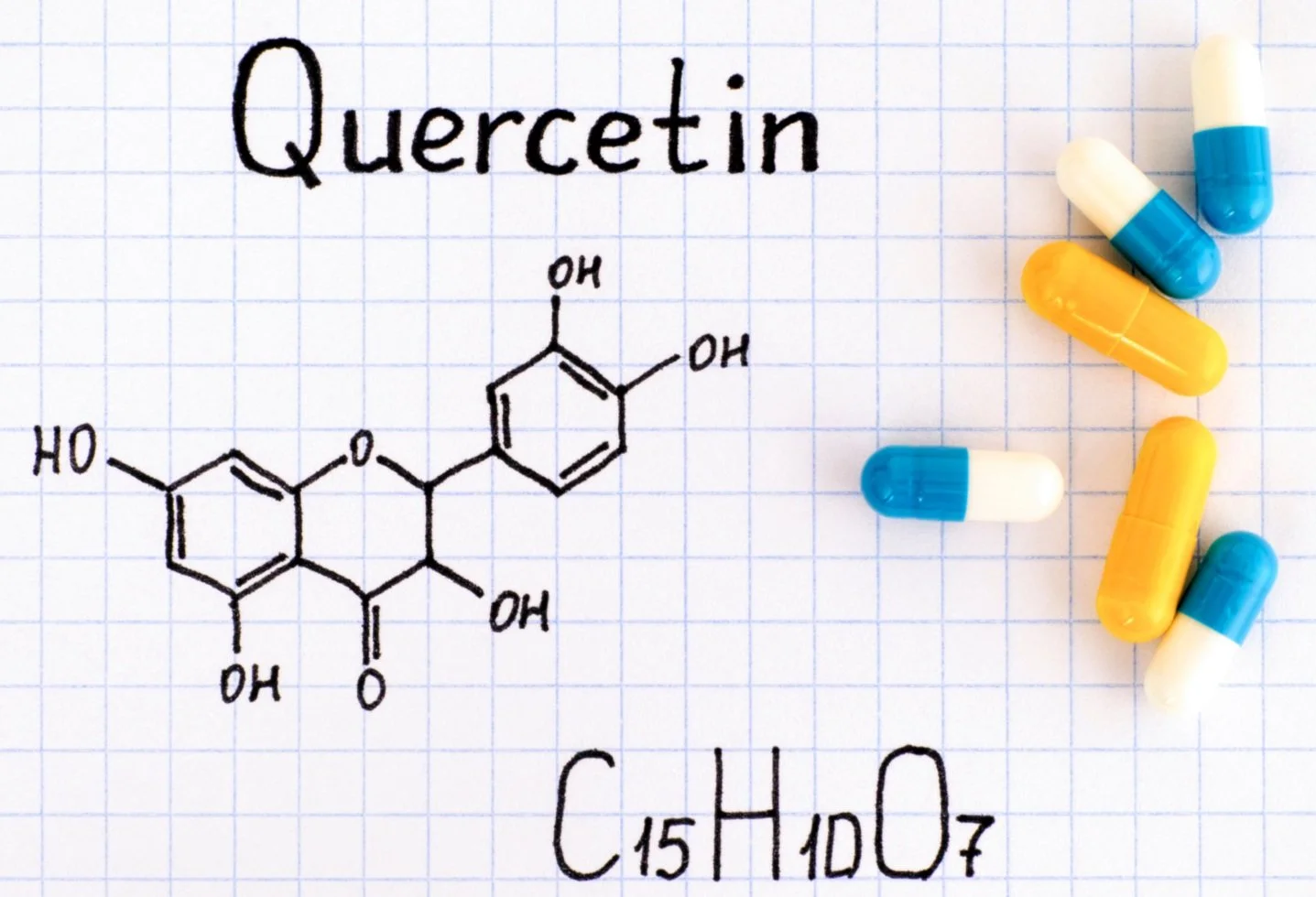
Antioxidants play a vital role in protecting our bodies from the harmful effects of oxidative stress, a condition caused by an imbalance between free radicals and the body's natural defenses. Free radicals are unstable molecules that can damage cells, proteins, and DNA, contributing to the development of chronic diseases such as cancer, heart disease, and neurodegenerative disorders. Understanding antioxidants and their sources can empower you to make healthier dietary choices that support long-term well-being.
This article delves into the science behind antioxidants, explaining how these powerful molecules neutralize free radicals and prevent cellular damage. You'll discover the best natural sources of antioxidants, including a wide variety of fruits, vegetables, nuts, seeds, and whole grains, and learn why a diet rich in these foods is linked to lower risks of many chronic diseases. The article also highlights how cooking methods can influence antioxidant levels, sometimes enhancing their availability and other times causing losses, offering practical tips to maximize their benefits.
Beyond diet, the article explores the complex relationship between antioxidant supplements and health. While supplements may seem like an easy solution, scientific evidence suggests that they do not always provide the same benefits as antioxidants from whole foods and, in some cases, may even pose risks. The discussion includes important insights into how high doses of certain supplements can have adverse effects, emphasizing the importance of consulting healthcare providers before starting any supplementation.
You'll also find an overview of the different types of antioxidants, such as vitamins C and E, beta-carotene, and polyphenols, and how they contribute uniquely to health. The article touches on how antioxidants support immune function, protect skin and brain health, and may help slow age-related decline.
Whether you're interested in improving your diet, understanding the science of antioxidants, or considering supplements, this comprehensive guide offers evidence-based information to help you navigate the topic confidently. Dive into the full article to uncover the fascinating world of antioxidants, learn how to incorporate them into your lifestyle, and take proactive steps toward better health.