
Stress and Oxidative Stress: Impact, Symptoms, and Preventive Tips
This content was reviewed by Dr. Jil Busmann, PhD to ensure alignment with current nutrition science and evidence‑based education principles.
Stress has become an unavoidable part of modern life, influencing physical and mental health in profound ways. Among its many effects, stress is a major contributor to oxidative stress, a harmful process that occurs when free radicals overwhelm the body's antioxidant defenses, leading to cellular damage and chronic disease. Understanding this link is critical, as oxidative stress plays a pivotal role in conditions such as heart disease, diabetes, and cognitive decline. This article explores that connection and offers practical advice on how to manage and reduce this type of damage.
Key Takeaways
Chronic stress leads to elevated free radical production, which can cause oxidative stress, contributing to various chronic health conditions such as heart disease, type 2 diabetes, gut health issues, and neurodegenerative disorders.
Effective management of oxidative stress includes dietary changes, such as consuming antioxidant-rich foods and lifestyle practices like regular exercise and stress management techniques.
Antioxidant supplements show limited benefit in people with already adequate antioxidant status, and in some cases carry risk at high doses. Obtaining antioxidants through a balanced diet remains the best-supported strategy.
Understanding Stress And Its Impact On Health
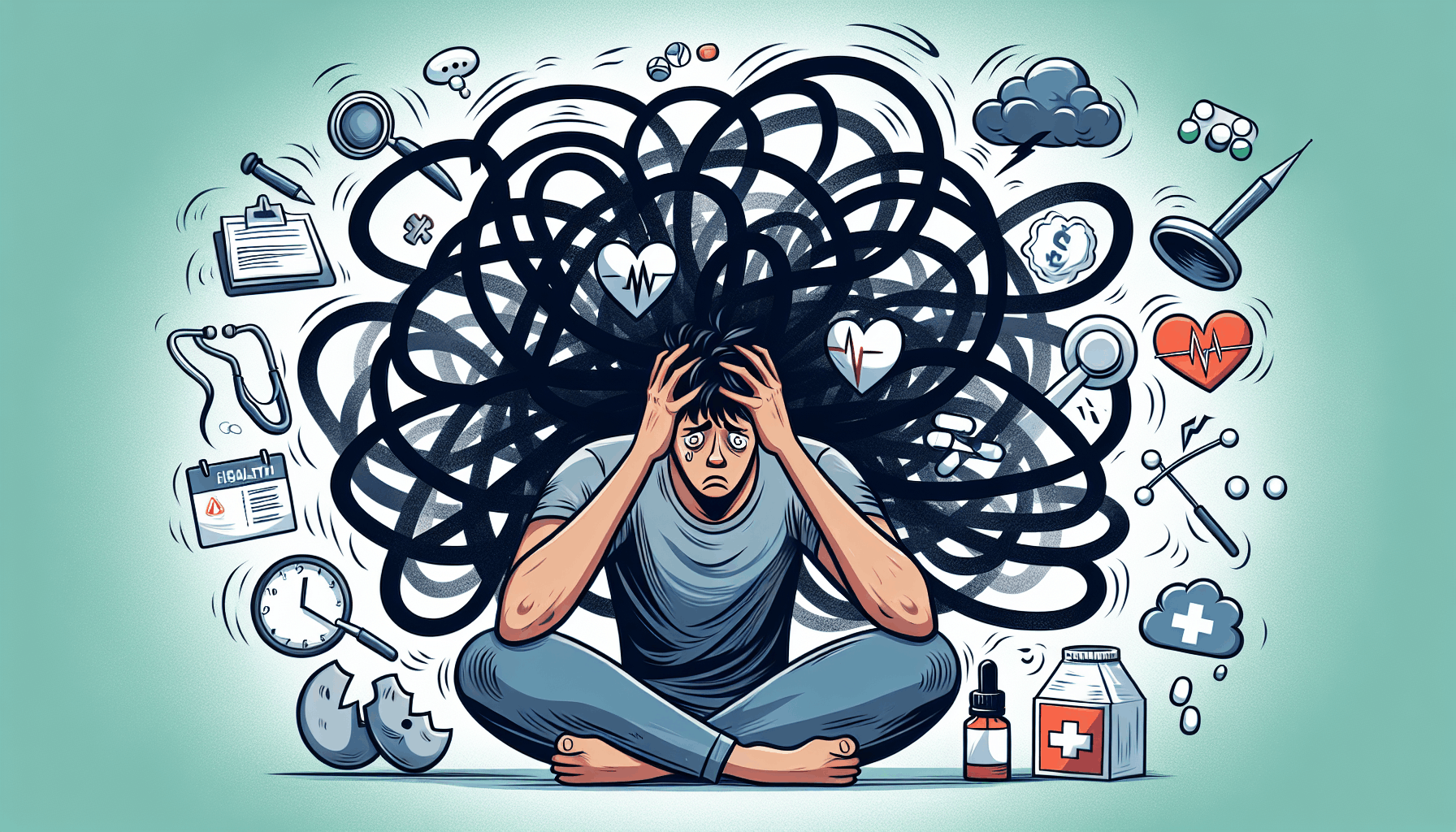
In its most basic form, stress is the body's response to demands or challenges that arise. When you face sudden stress, your brain releases hormones like adrenaline and cortisol, which speed up your heartbeat and direct more blood to your muscles and key organs, boosting energy and focus.
Stress is typically classified into two varieties: acute and chronic. Acute stress is a short-lived reaction triggered by specific incidents such as an impending job interview or narrowly avoiding an accident. Chronic stress persists over time due to continuous pressures like ongoing financial strain, workplace difficulties, caregiving responsibilities, or living with a chronic illness [1].
Stress prompts our bodies to produce more free radicals, which are unstable molecules with the potential to damage DNA, proteins, and lipids if they accumulate excessively. While free radicals are a normal part of metabolism, their overabundance can drive oxidative stress: a state where free radical production outpaces antioxidant defense [2].
Persistent long-term exposure can precipitate multiple ailments ranging from heart disease and diabetes to mental health disorders. The sustained presence of free radicals promotes inflammation and harms tissues, outcomes that can intensify existing health issues or trigger new ones [3].
Counterbalancing these harmful effects involves ensuring adequate antioxidant intake through fruits and vegetables, maintaining sufficient sleep, incorporating stress management practices such as mindfulness and relaxation techniques.
Oxidative Stress: Definition and Mechanisms
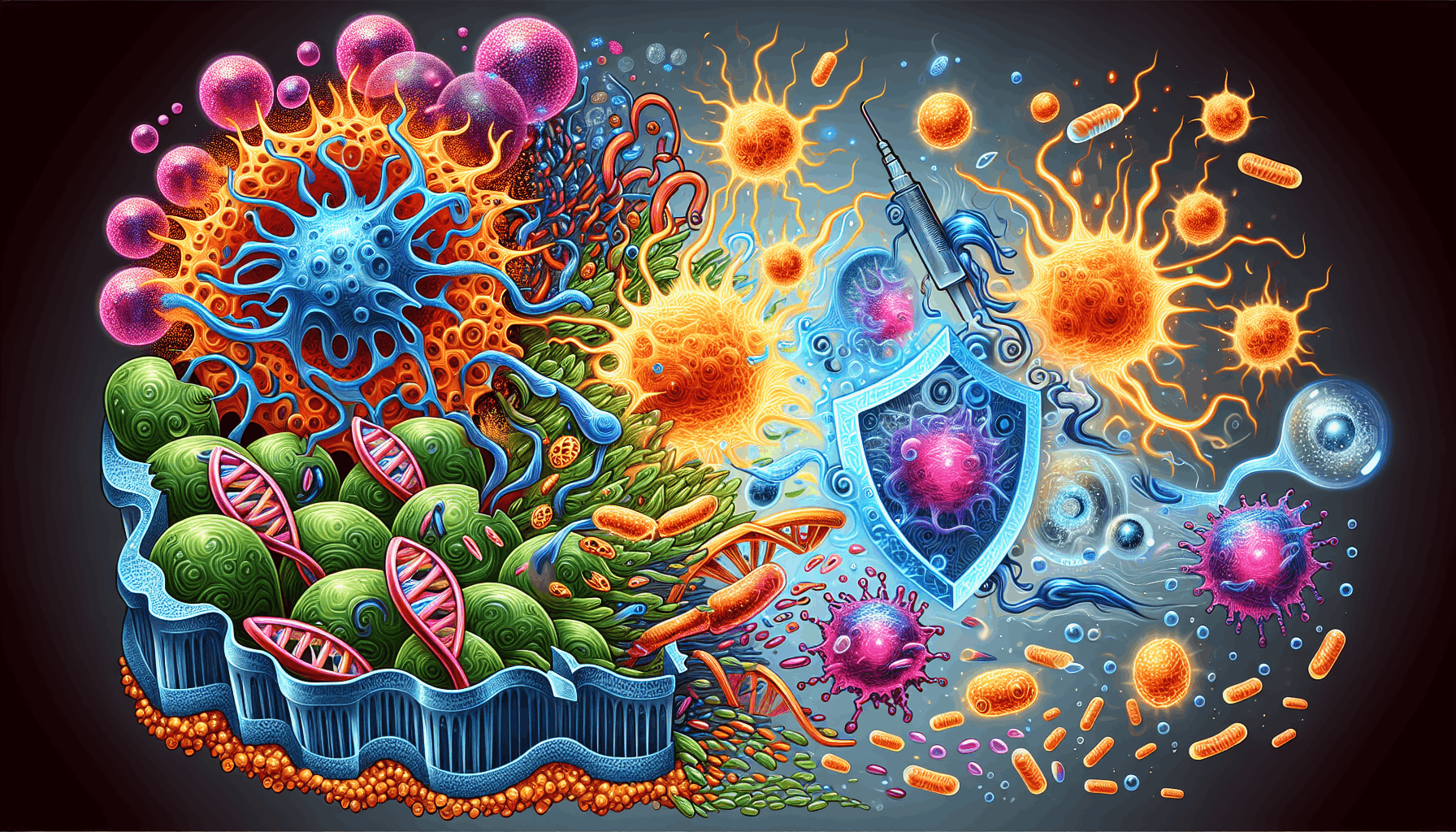
Oxidative stress arises when there is a disturbance in the balance between the production of reactive oxygen species (ROS) and the body’s capacity to counteract them with antioxidants. This imbalance may result from an escalated generation of ROS or a shortfall in antioxidant protection. Molecules known as ROS, such as superoxide anion and hydroxyl radicals, are highly reactive chemicals capable of inflicting considerable damage on cellular components [4].
As part of regular metabolic activities, cells produce ROS that play positive roles at low levels, participating in cell signaling and maintaining physiological equilibrium. An overload of free radicals, however, can damage DNA, proteins, and lipids, disrupting their normal functions and leading to harm across both cells and tissues [5].
Mitochondria are both major contributors to and targets of ROS activity. Mitochondrial dysfunction prompted by oxidative injury can initiate further production of harmful molecules, perpetuating a destructive cysle implicated in disease progression and natural aging [6].
Oxidative stress is also closely intertwined with chronic inflammation. Damaged cells release pro-inflammatory signals that sustain chronic inflammation, which in turn exacerbates tissue degeneration and fuels conditions ranging from cardiovascular disease and to neurodegenerative disorders [7].
ROS and the resulting tissue damage contribute to functional decline by promoting both apoptosis (programmed cell death) and necrosis (unregulated cell death). These processes highlight the importance of strategies to reduce ROS burden through diet, lifestyle, and where appropriate, supplementation.
Sources of Reactive Oxygen Species (ROS)
Reactive oxygen species are produced through both internal and external mechanisms. Inside the body, the mitochondrial electron transport chain creates ROS as a byproduct when generating ATP. While this production is part of normal cell function, an imbalance can cause oxidative stress [8].
Externally, environmental pollutants like heavy metals and pesticides act as significant contributors to ROS generation, promoting excessive reactive oxygen formation that can overwhelm our innate antioxidant defenses.
Ionizing radiation poses another substantial exogenous threat by producing ROS via water radiolysis, causing oxidative DNA damage and lipid peroxidation - changes that may result in mutations fostering cancer cell development [9].
Lifestyle factors such as alcohol intake and smoking also increase ROS production. The metabolism of alcohol into acetaldehyde disrupts calcium stability within cells and encourages more ROS production. Cigarette smoke compounds this effect by inducing high levels of oxidative stress while simultaneously depleting antioxidants [10].
Diet directly impacts ROS levels. Diets deficient in antioxidants but rich in highly-processed foods tend to elevate oxidative stress, whereas diets abundant in antioxidants-rich food offer protective effects and support the body's natural antioxidant defense system [11].
Connection Between Psychological Stress and Oxidative Stress
The connection between psychological stress and oxidative stress is rooted in the body’s hormonal response to mental strain. Under psychological distress, the brain signals the release of stress hormones, most notably cortisol. These elevated hormone levels drive increased free radical production, with particularly strong effects on brain tissue [12].
When stress becomes chronic, this hormonal response stays switched on. The sustained presence of cortisol and related compounds - known as glucocorticoids - pushes mitochondria to overproduce reactive oxygen species, damaging neurons over time. This is one pathway through which chronic stress may contribute to cognitive impairment and neurological conditions [13]. The body's stress response system that governs this process is called the hypothalamic-pituitary-adrenal axis, or HPA axis - a chain of signals running from the brain to the adrenal glands that controls how much cortisol gets released.
The effects are not only internal. Persistent oxidative burden from chronic stress shows up as fatigue, a pattern seen in conditions like fibromyalgia, as well as visible physical changes such as premature wrinkles and gray hair. These external signs reflect deeper cellular wear driven by sustained oxidative stress.
Managing psychological stress is therefore not just a mental health concern. Practices like mindfulness, combined with antioxidant-rich diets, address both the hormonal trigger and the cellular damage it produces.
Health Implications of Oxidative Stress

The implications of oxidative stress for health are significant and widespread. It has been connected with the onset of numerous chronic ailments, including cancers, cardiovascular issues, and diabetes. Oxidative stress also plays a pivotal role in advancing neurodegenerative conditions like Alzheimer’s disease and Parkinson’s disease.
Oxidative harm is fundamental to both aging and the genesis of many lingering diseases. The unrelenting accrual of free radicals results in notable cell and tissue damage, as well as persistent inflammation that intensifies these disorders. For example, ongoing inflammation caused by oxidative stress can speed up the progression of cancerous conditions [14].
Regarding heart-related illnesses, oxidative stress aids atherosclerosis development by instigating lipid peroxidation alongside endothelial dysfunction. Such injury to blood vessels may cause cardiac illness and strokes. Thus it underlines managing oxidative stresses to mitigate cardiovascular diseases and risks.
Concerning diabetes mellitus, there exists an important role played by oxidative distress concerning pancreatic cell malfunctioning along with their eventual breakdowns. This leads not only towards defective insulin release but also increases cumulative oxidative deterioration resulting, eventually, in diabetic complications [15].
Neurodegenerative afflictions have robust links with protein oxidation stresses. Excess buildup of ROS within cerebral regions triggering protein oxidations together with mitochondrial dysfunctions participate in neuronal death. Further damage could result in Alzheimer’s, ALS, and other related neurological disturbances. Targeting this could be key to enhancing therapeutic benefits for treating said neurological disorders. [16].
Overall broader picture reflects dire necessity for efficient strategies aimed at curbing adverse effects tied directly to ROS pressures Below suggested methodologies aim assist management.
Improve inherent antioxidizing defense mechanisms via nutritional habits
Adapt lifestyle modifications conducive to general wellbeing
Contemplate upon dietary supplementation to potentially mitigate oxidative stress
Following the proposed approaches might give more control over adverse health effects perpetuated by elevated levels of oxidative stress.
Symptoms and Indicators of Oxidative Stress
It is vital to recognize the symptoms and indicators of oxidative stress early on for timely intervention. Visible signs such as gray hair and wrinkles are among the clearest indications of long-term oxidative stress or damage within the body.
To gauge the levels of oxidative stress, biomarkers play a pivotal role. Key biomarkers include substances like malondialdehyde (MDA), nitrotyrosine, and ratios such as GSH/GSSG. These markers shed light on how extensive oxidative damage exists in our bodies and also measure our capacity for antioxidation.
In assessing oxidative stress accurately, one highly reliable ratio stands out: GSH/GSSG. This ratio reflects how much reduced glutathione, an essential antioxidant, compares with its oxidized form in your system. When this ratio lowers, it suggests increased levels of oxidative stress, necessitating corrective measures to rebalance antioxidants in your body [17].
Keeping track of these various symptoms and biomarker readings assists us greatly in understanding just how high our exposure to oxidative stresses might be. This allows us to make well-informed decisions towards curtailing their harmful effects through antioxidant-rich dietary choices, regular physical activity, or even improved management techniques for dealing with life’s daily stresses.
Antioxidant Defense System
The essential function of the body’s antioxidant defense system lies in its ability to counteract free radicals and alleviate oxidative stress. This system includes a blend of enzymatic and non-enzymatic antioxidants, which work collectively to safeguard cells against oxidative harm.
Key enzymes like superoxide dismutase (SOD) are at the forefront of transforming dangerous superoxide radicals into hydrogen peroxide, subsequently broken down into water by additional enzymes. Such mechanisms are critical for diminishing ROS impact while preserving cellular redox equilibrium.
Non-enzymatic antioxidants such as vitamin C also significantly contribute to neutralizing ROS. The role of vitamin C involves extinguishing reactive oxygen species and restoring oxidized vitamin E back to its functional state, thereby bolstering the body’s total antioxidant potential [18].
Lifestyle habits that include consistent physical exercise and adopting a diet rich in plant-based foods can boost antioxidant levels, including SOD, within our bodies. These lifestyle choices fortify our natural antioxidant defenses, helping to minimize oxidative stress repercussions.
Optimal and immune system performance is dependent on antioxidants due to their protective effect on immune cells from oxidative damage. This protection aids in sustaining potent immunity crucial for warding off infections as well as chronic diseases linked with oxidative stress conditions.
Grasping how components operate within the antioxidant defense network lays groundwork on which methods could be formulated for improving it. Engaging in healthy living practices plus eating diets abundant with antioxidative substances reinforces resilience against oxidative distress whilst promoting general wellness.
Dietary and Lifestyle Strategies to Reduce Oxidative Stress
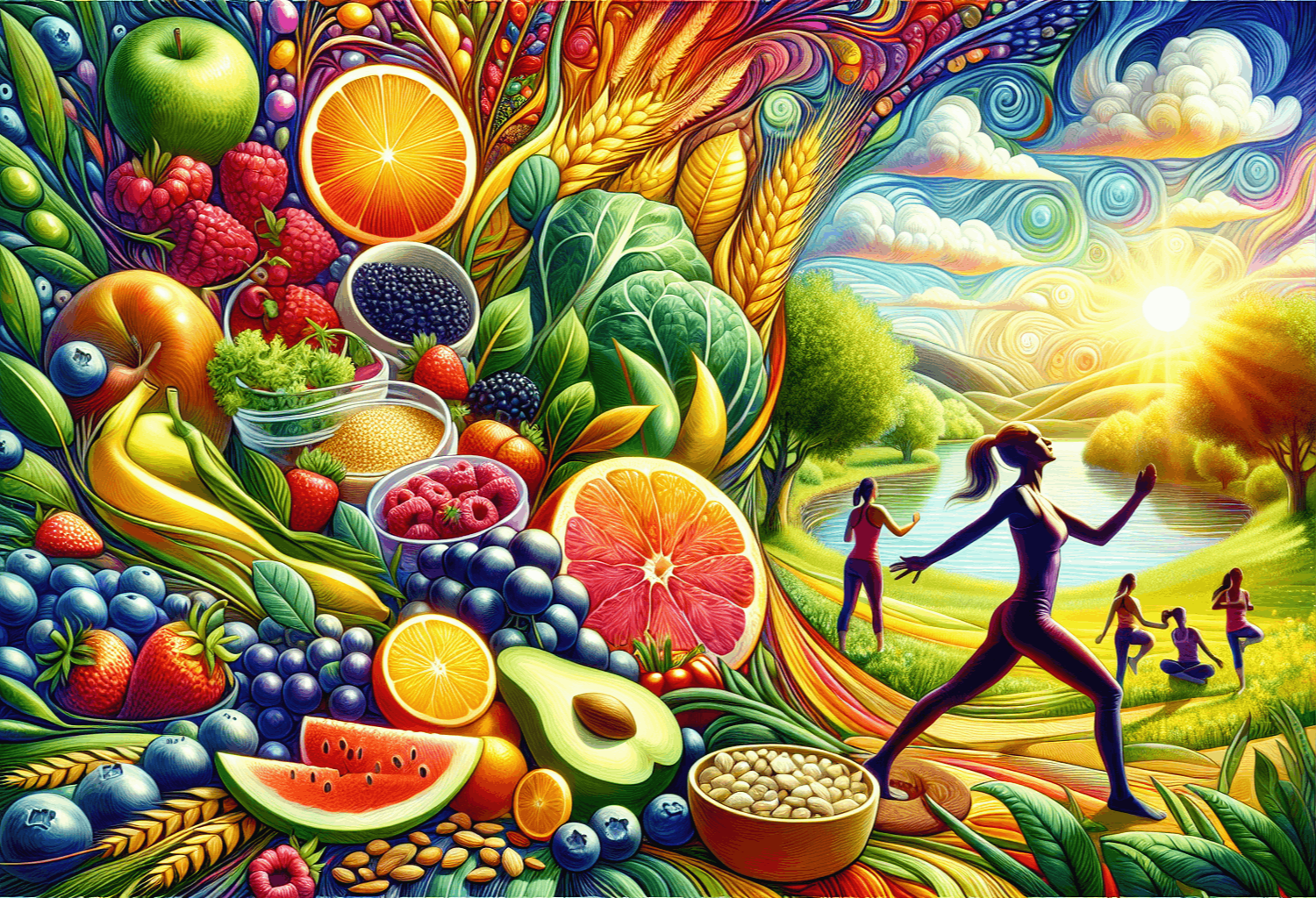
Altering one’s diet and lifestyle to combat oxidative stress is both practical and within reach. The consumption of a nutrient-dense assortment of fruits and vegetables correlates with reduced levels of oxidative stress, owed to their potent antioxidant properties. These natural food sources are vital in quelling the presence of reactive oxygen species (ROS).
The Mediterranean diet stands out for its considerable concentration of antioxidants. This nutritional regimen advocates for the increased intake of antioxidant-rich foods such as:
Various fruits
An array of vegetables
Whole grain products
Beneficial fats found in items such as olive oil and nuts
Adherence to this dietary pattern has been consistently linked through research studies with diminished oxidative stress, paving the way towards improved well-being.
Another pivotal tactic is engaging in consistent, moderate physical activity. Doing so invigorates our intrinsic antioxidant defenses while minimizing potential oxidative harm. Exercise prompts an upsurge in protective enzymes like superoxide dismutase (SOD), which play a key role in neutralizing ROS, thereby preserving the equilibrium essential for cellular redox processes.
Tailored eating habits paired with physical exertion can aid significantly in curtailing oxidative stress on the body. Increased ROS production could go hand-in-hand with excessive weight, therefore, shedding these extra pounds serves as a deterrent against such effects.
It is also imperative that certain lifestyle choices be made or modified accordingly. For instance, avoiding smoking or alcohol intake, which have direct ties to the accelerated generation of ROS coupled with weakened antioxidant shields causing elevated degrees of oxidative stress.
Regularly adding foods rich in antioxidants, like berries, leafy greens, and nuts, to your meals is a smart way to combat the harmful effects of free radicals. These substances help reduce oxidative stress on cells, which can lower the various risk factors of chronic diseases linked to cellular damage. By making thoughtful choices about your diet and lifestyle, you can significantly improve your overall health.
Incorporating nutritious foods, staying active, and avoiding harmful habits are key steps in building long-term resilience against disease. These positive changes not only support cellular health but also enhance your body’s ability to maintain balance and prevent deterioration. Breaking away from unhealthy patterns requires effort, but the benefits, such as improved well-being and a lower risk of chronic illness, are well worth it.
By taking a proactive approach to health, you can empower yourself to lead a more balanced and fulfilling life. Small, consistent steps toward better nutrition and fitness create lasting improvements, helping you maintain a healthier and more stable internal environment throughout your body.
Role of Antioxidant Supplements
Antioxidant supplements have grown in popularity as a potential method for managing oxidative stress. These supplements are marketed as convenient ways to boost antioxidant levels and protect healthy cells against oxidative damage. However, the efficacy and safety of these supplements are subjects of ongoing debate.
Animal studies suggest that antioxidant supplementation can provide benefits in reducing oxidative stress. However, human clinical trials have largely failed to confirm these benefits, raising questions about the effectiveness of supplements in different populations.
For instance, antioxidants such as alpha-tocopherol (vitamin E) may not improve health outcomes in healthy individuals with adequate baseline antioxidant levels. The American Heart Association does not recommend vitamin E supplements to prevent cardiovascular disease, highlighting the limited benefits of supplementation in certain cases.
Moreover, high doses of certain antioxidants may lead to adverse health effects, including an increased risk of cancer. This paradoxical effect underscores the importance of careful use of antioxidant supplements and the need for more research to understand their long-term impact.
Research shows that larger randomized trials are necessary. These trials will help evaluate the benefits and risks of antioxidant supplementation during cancer treatment. These studies are crucial to determine the appropriate use of supplements and to develop guidelines for their safe and effective use [19].
Given the mixed results from studies, it is essential to approach antioxidant supplements with caution. While they may offer benefits in specific contexts, obtaining antioxidants from a balanced diet rich in fruits and vegetables remains the best strategy for reducing oxidative stress and supporting overall health.
Emerging Research and Future Directions
Ongoing research in the realm of oxidative stress is pivotal for grasping its influence on well-being and devising preventative measures. It is particularly important to pinpoint reliable indicators that reflect oxidative stress levels and antioxidant defenses. These markers are crucial for assessing the severity of oxidative stress and guiding corrective actions [20].
There’s growing evidence indicating a link between oxidative stress, aging, and potential impact on lifespan in certain life forms. By delving into how oxidative stress affects the aging process, we may unlock novel ways to foster healthy longevity [21].
It has become apparent through various studies that oxidative stress has a significant role to play in illnesses like cardiovascular disease, diabetes, and neurodegenerative conditions. There’s an urgent need for continued investigation into therapeutic approaches aimed at minimizing this type of cellular distress as it could amplify treatment effectiveness while also enhancing patients’ lives suffering from these ailments.
The use of antioxidant supplements presents both potential upsides and downsides according to current findings, thus, necessitating extensive clinical trials. Such investigations are needed to appraise their true value within different groups afflicted by diseases or health disorders thoroughly before prescribing such interventions broadly across diverse demographics.
As we continue exploring these expanding fields related to managing negative effects arising from oxidant imbalances in our bodies, improved medical tactics aimed squarely at such issues can be expected down the line. Some of which, would be based on an increasingly sophisticated understanding revolving around mechanisms involving physiological stresses which might translate into enhanced patient care long-term.
Summary
Throughout this exploration of oxidative stress, it has become clear that these forces can significantly impact our health. From the production of reactive oxygen species (ROS) to the development of chronic diseases, oxidative stress plays a pivotal role in many health issues. Understanding the relationship between psychological and oxidative stress allows us to develop comprehensive strategies to manage their effects.
Key strategies to reduce oxidative stress include adopting a balanced diet rich in antioxidants, engaging in regular physical activity, and avoiding harmful lifestyle habits. While antioxidant supplements may offer benefits in specific contexts, obtaining antioxidants from natural food sources remains the most effective approach.
By staying informed about the latest research and implementing practical dietary and lifestyle changes, we can enhance our antioxidant defenses and improve our overall well-being. Embracing these strategies empowers us to take control of our health and mitigate the harmful effects of stress.
Frequently Asked Questions
What is oxidative stress?
When the body’s antioxidants are outnumbered by reactive oxygen species (ROS), oxidative stress arises, which can lead to cellular harm.
Such an imbalance has the potential to precipitate a range of health complications.
How does stress contribute to oxidative stress?
Stress triggers the activation of the hypothalamic-pituitary-adrenal (HPA) axis, which in turn prompts the secretion of stress hormones. These hormones elevate levels of oxidative stress, with a particularly strong impact on brain health.
As such, it is essential to control stress in order to lessen its harmful influence on general well-being.
What are some effective dietary strategies to reduce oxidative stress?
Adopting a diet abundant in antioxidants, like the Mediterranean diet, which is packed with fruits and vegetables, serves as an efficient tactic to combat oxidative stress. This method promotes not just improved health, but also bolsters general wellness.
Are antioxidant supplements effective in reducing oxidative stress?
Clinical trials in humans have failed to demonstrate that antioxidant supplements substantially diminish oxidative stress.
It is recommended that antioxidants be sourced from natural foods rather than relying on supplemental forms.
What role does oxidative stress play in chronic diseases?
Managing oxidative stress is crucial for health maintenance, given its substantial influence on the emergence and advancement of chronic diseases including cancer, cardiovascular disease, diabetes, and neurodegenerative disorders. The involvement of oxidative stress in these conditions highlights its critical role in their development and progression.
Disclaimer
The information provided in this article is for educational and informational purposes only and is not intended as medical advice. While we work diligently to provide accurate and up-to-date information, we make no representations or warranties of any kind, express or implied, about the completeness, accuracy, reliability, suitability, or availability with respect to the content. The information contained herein should not be used as a substitute for the advice of an appropriately qualified and licensed physician or other healthcare provider. The suggestions and insights should not be used for diagnosing or treating a health problem or disease, or prescribing any medication. Always seek the advice of your physician or other qualified health provider with any questions you may have regarding a medical condition or treatment and before undertaking a new health care regimen. Never disregard professional medical advice or delay in seeking it because of something you have read on this site.
References
Hammen C, Kim EY, Eberhart NK, & Brennan PA. Chronic and acute stress and the prediction of major depression in women. Depress Anxiety. 2009;26(8):718-23. doi: 10.1002/da.20571. PMID: 19496077; PMCID: PMC3380803.
Srivastava KK, & Kumar R. Stress, oxidative injury and disease. Indian J Clin Biochem. 2015 Jan;30(1):3-10. doi: 10.1007/s12291-014-0441-5. Epub 2014 Jun 1. PMID: 25646036; PMCID: PMC4310835.
Griffin MA, & Clarke S (2011). Stress and well-being at work. In S. Zedeck (Ed.), APA handbook of industrial and organizational psychology, Vol. 3. Maintaining, expanding, and contracting the organization (pp. 359–397). American Psychological Association. https://doi.org/10.1037/12171-010
Pizzino G, Irrera N, Cucinotta M, Pallio G, Mannino F, Arcoraci V, Squadrito F, Altavilla D, & Bitto A. Oxidative Stress: Harms and Benefits for Human Health. Oxid Med Cell Longev. 2017;2017:8416763. doi: 10.1155/2017/8416763. Epub 2017 Jul 27. PMID: 28819546; PMCID: PMC5551541.
de Almeida AJPO, de Oliveira JCPL, da Silva Pontes LV, de Souza Júnior JF, Gonçalves TAF, Dantas SH, de Almeida Feitosa MS, Silva AO, & de Medeiros IA. ROS: Basic Concepts, Sources, Cellular Signaling, and its Implications in Aging Pathways. Oxid Med Cell Longev. 2022 Oct 19;2022:1225578. doi: 10.1155/2022/1225578. PMID: 36312897; PMCID: PMC9605829.
Hernansanz-Agustín P, & Enríquez JA (2021). Generation of Reactive Oxygen Species by Mitochondria. Antioxidants, 10(3), 415. https://doi.org/10.3390/antiox10030415
Juan CA, Pérez de la Lastra JM, Plou FJ, & Pérez-Lebeña E. The Chemistry of Reactive Oxygen Species (ROS) Revisited: Outlining Their Role in Biological Macromolecules (DNA, Lipids and Proteins) and Induced Pathologies. Int J Mol Sci. 2021 Apr 28;22(9):4642. doi: 10.3390/ijms22094642. PMID: 33924958; PMCID: PMC8125527.
Kausar S, Wang F, & Cui H. (2018). The Role of Mitochondria in Reactive Oxygen Species Generation and Its Implications for Neurodegenerative Diseases. Cells, 7(12), 274. https://doi.org/10.3390/cells7120274
Zheng Z, Su J, Bao X, Wang H, Bian C, Zhao Q, & Jiang X. Mechanisms and applications of radiation-induced oxidative stress in regulating cancer immunotherapy. Front Immunol. 2023 Aug 4;14:1247268. doi: 10.3389/fimmu.2023.1247268. PMID: 37600785; PMCID: PMC10436604.
Wu D, & Cederbaum AI. Alcohol, oxidative stress, and free radical damage. Alcohol Res Health. 2003;27(4):277-84. PMID: 15540798; PMCID: PMC6668865.
Babakr A, & Althubiti M. (2023). Impact of Antioxidant-rich Diet on Decreasing Oxidized Low-density Lipoproteins, 8-hydroxy-2´-deoxyguanosine and HbA1c in Saudi Men. Biomedical and Pharmacology Journal. 16. 729-737. 10.13005/bpj/2655.
Salim S. Oxidative stress and psychological disorders. Curr Neuropharmacol. 2014 Mar;12(2):140-7. doi: 10.2174/1570159X11666131120230309. PMID: 24669208; PMCID: PMC3964745.
Hiroya S, Takeyuki T, Kazumi S, Hirokatsu T, & Shiro U. Glucocorticoid Generates ROS to Induce Oxidative Injury in the Hippocampus, Leading to Impairment of Cognitive Function of Rats, Journal of Clinical Biochemistry and Nutrition, 2010, Volume 47, Issue 3, Pages 224-232, Released on J-STAGE October 29, 2010, Online ISSN 1880-5086, Print ISSN 0912-0009, https://doi.org/10.3164/jcbn.10-58,
Martínez A, Portero-Otin M, Pamplona R, & Ferrer I. Protein targets of oxidative damage in human neurodegenerative diseases with abnormal protein aggregates. Brain Pathol. 2010 Mar;20(2):281-97. doi: 10.1111/j.1750-3639.2009.00326.x. Epub 2009 Aug 6. PMID: 19725834; PMCID: PMC8094880.
Zhou Y, Zhen Y, Wang G, & Liu B. Deconvoluting the Complexity of Reactive Oxygen Species (ROS) in Neurodegenerative Diseases. Front Neuroanat. 2022 Jun 9;16:910427. doi: 10.3389/fnana.2022.910427. PMID: 35756499; PMCID: PMC9218067.
Ho E, Karimi Galougahi K, Liu CC, Bhindi R, & Figtree GA. Biological markers of oxidative stress: Applications to cardiovascular research and practice. Redox Biol. 2013 Oct 8;1(1):483-91. doi: 10.1016/j.redox.2013.07.006. PMID: 24251116; PMCID: PMC3830063.
Wang Y, Branicky R, Noë A, & Hekimi S.Superoxide dismutases: Dual roles in controlling ROS damage and regulating ROS signaling. J Cell Biol. 2018 Jun 4;217(6):1915-1928. doi: 10.1083/jcb.201708007. Epub 2018 Apr 18. PMID: 29669742; PMCID: PMC5987716.
https://www.cancer.gov/news-events/cancer-currents-blog/2015/antioxidants-metastasis
Rahman T, Hosen I, Islam M, Towhidul M, & Shekhar H. (2012). Oxidative stress and human health. Advances in Bioscience and Biotechnology. 03. 997-1019. 10.4236/abb.2012.327123.
Mendoza-Núñez VM, Ruiz-Ramos M, Sánchez-Rodríguez MA, Retana-Ugalde R, & Muñoz-Sánchez JL. Aging-related oxidative stress in healthy humans. Tohoku J Exp Med. 2007 Nov;213(3):261-8. doi: 10.1620/tjem.213.261. PMID: 17984623.
Additional Reading



Products for a healthier lifestyle

Antioxidants play a vital role in protecting our bodies from the harmful effects of oxidative stress, a condition caused by an imbalance between free radicals and the body's natural defenses. Free radicals are unstable molecules that can damage cells, proteins, and DNA, contributing to the development of chronic diseases such as cancer, heart disease, and neurodegenerative disorders. Understanding antioxidants and their sources can empower you to make healthier dietary choices that support long-term well-being.
This article delves into the science behind antioxidants, explaining how these powerful molecules neutralize free radicals and prevent cellular damage. You'll discover the best natural sources of antioxidants, including a wide variety of fruits, vegetables, nuts, seeds, and whole grains, and learn why a diet rich in these foods is linked to lower risks of many chronic diseases. The article also highlights how cooking methods can influence antioxidant levels, sometimes enhancing their availability and other times causing losses, offering practical tips to maximize their benefits.
Beyond diet, the article explores the complex relationship between antioxidant supplements and health. While supplements may seem like an easy solution, scientific evidence suggests that they do not always provide the same benefits as antioxidants from whole foods and, in some cases, may even pose risks. The discussion includes important insights into how high doses of certain supplements can have adverse effects, emphasizing the importance of consulting healthcare providers before starting any supplementation.
You'll also find an overview of the different types of antioxidants, such as vitamins C and E, beta-carotene, and polyphenols, and how they contribute uniquely to health. The article touches on how antioxidants support immune function, protect skin and brain health, and may help slow age-related decline.
Whether you're interested in improving your diet, understanding the science of antioxidants, or considering supplements, this comprehensive guide offers evidence-based information to help you navigate the topic confidently. Dive into the full article to uncover the fascinating world of antioxidants, learn how to incorporate them into your lifestyle, and take proactive steps toward better health.