Posts in Antioxidants
Top Antioxidant Sources and Their Powerful Health Benefits

Antioxidants play a vital role in protecting our bodies from the harmful effects of oxidative stress, a condition caused by an imbalance between free radicals and the body's natural defenses. Free radicals are unstable molecules that can damage cells, proteins, and DNA, contributing to the development of chronic diseases such as cancer, heart disease, and neurodegenerative disorders. Understanding antioxidants and their sources can empower you to make healthier dietary choices that support long-term well-being.

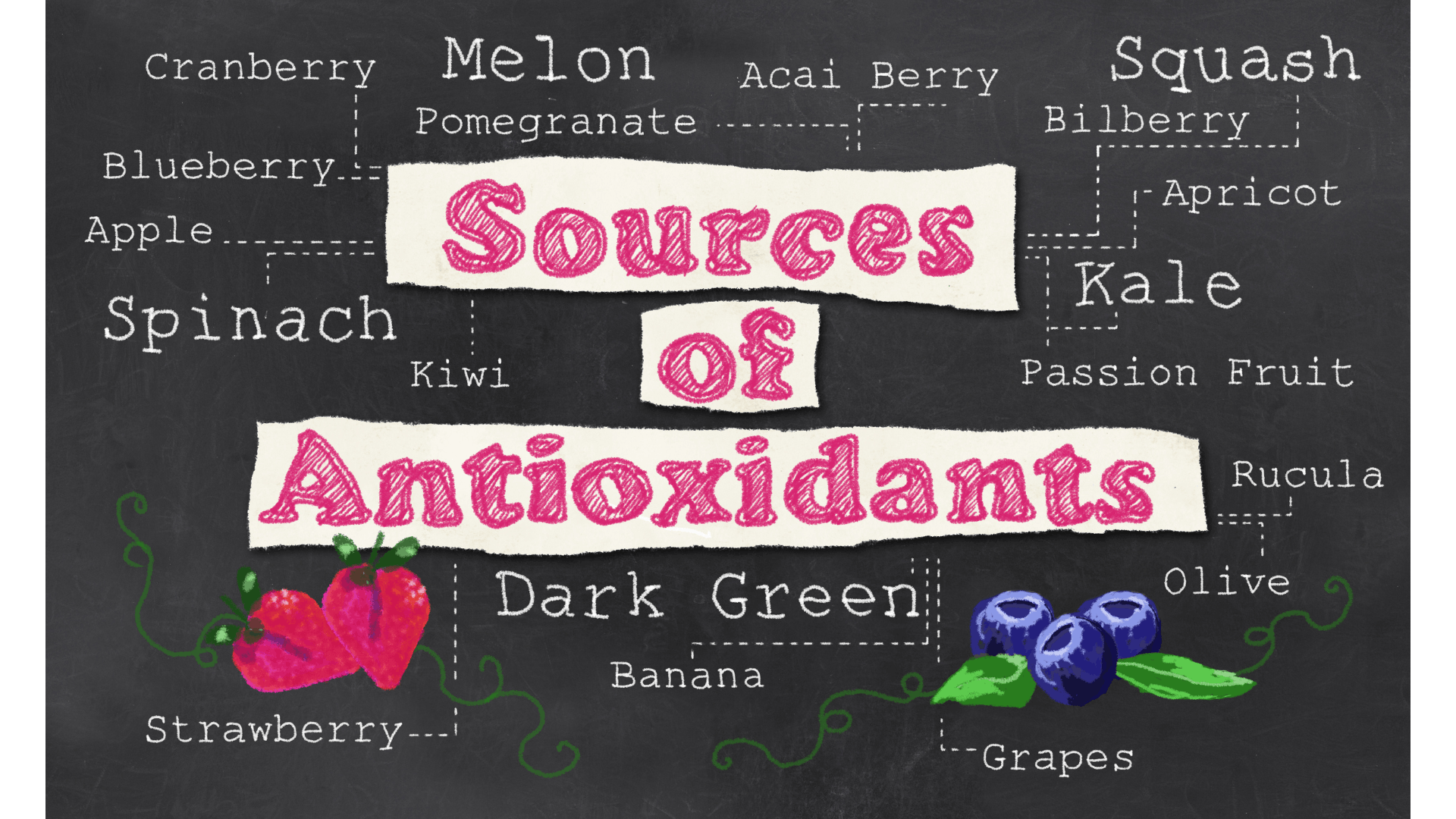
This article delves into the science behind antioxidants, explaining how these powerful molecules neutralize free radicals and prevent cellular damage. You'll discover the best natural sources of antioxidants, including a wide variety of fruits, vegetables, nuts, seeds, and whole grains, and learn why a diet rich in these foods is linked to lower risks of many chronic diseases. The article also highlights how cooking methods can influence antioxidant levels, sometimes enhancing their availability and other times causing losses, offering practical tips to maximize their benefits.

Beyond diet, the article explores the complex relationship between antioxidant supplements and health. While supplements may seem like an easy solution, scientific evidence suggests that they do not always provide the same benefits as antioxidants from whole foods and, in some cases, may even pose risks. The discussion includes important insights into how high doses of certain supplements can have adverse effects, emphasizing the importance of consulting healthcare providers before starting any supplementation.

You'll also find an overview of the different types of antioxidants, such as vitamins C and E, beta-carotene, and polyphenols, and how they contribute uniquely to health. The article touches on how antioxidants support immune function, protect skin and brain health, and may help slow age-related decline.

Whether you're interested in improving your diet, understanding the science of antioxidants, or considering supplements, this comprehensive guide offers evidence-based information to help you navigate the topic confidently. Dive into the full article to uncover the fascinating world of antioxidants, learn how to incorporate them into your lifestyle, and take proactive steps toward better health.

Read More


Foods High in Quercetin: Top Sources, Benefits, and How to Use Them

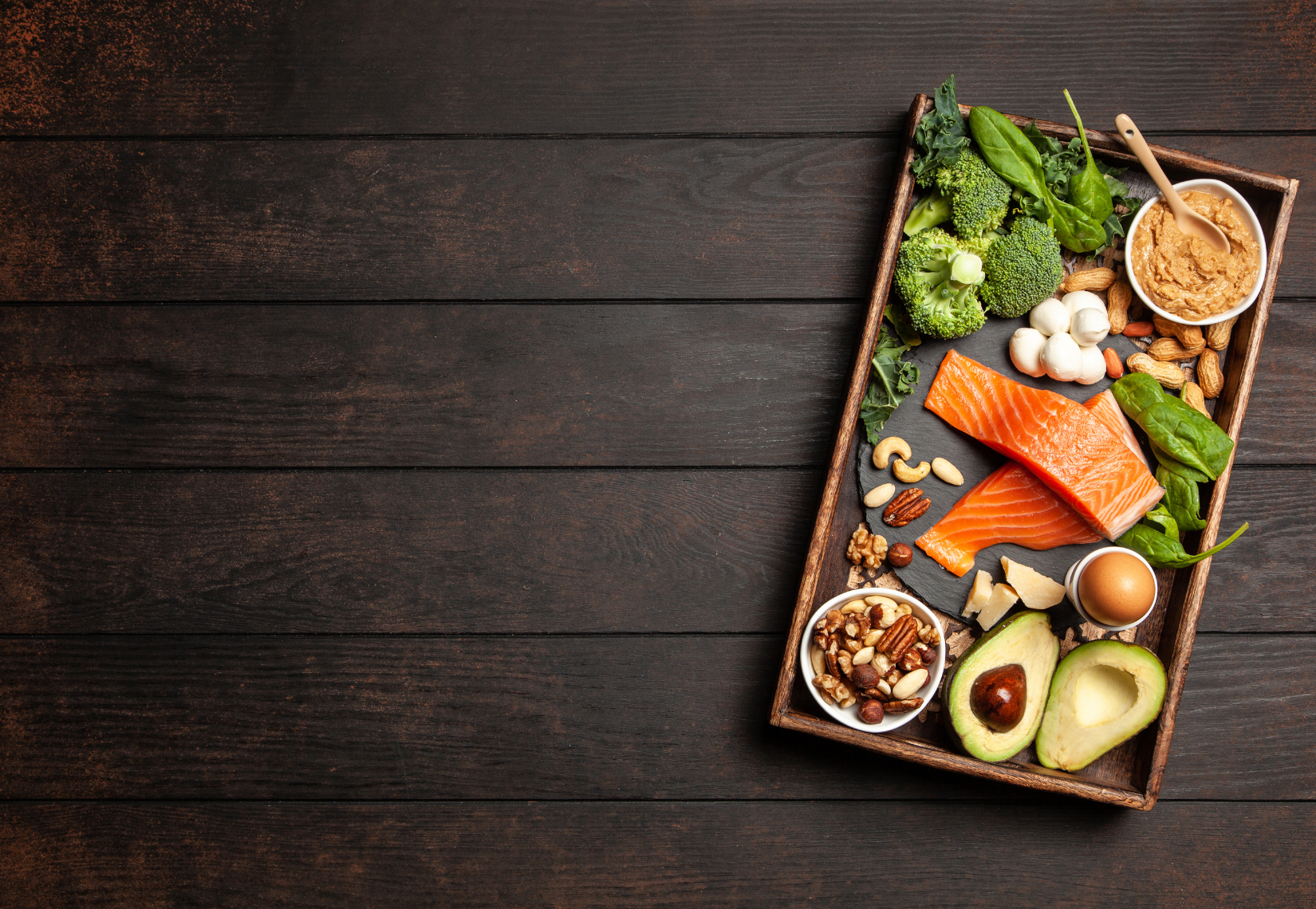
Discover the remarkable world of quercetin, a powerful flavonoid antioxidant found abundantly in everyday colorful fruits, vegetables, and herbs. From the vibrant red onions and crisp apples to the tangy capers and antioxidant-rich berries, quercetin is nature’s secret weapon for supporting your health. This naturally occurring compound plays a crucial role in neutralizing harmful free radicals, promoting a healthy inflammatory response, and supporting cardiovascular and immune health.

Imagine enhancing your meals with foods that not only delight your taste buds but also provide therapeutic effects that could help maintain healthy blood pressure, support brain function, and potentially reduce the risk of chronic diseases. Quercetin-rich foods are more than just ingredients; they are allies in your journey toward wellness.

But did you know that how you prepare these foods can significantly impact their quercetin content? Cooking methods like boiling may reduce quercetin levels by up to 30%, while techniques such as steaming, roasting, or microwaving without water help preserve this valuable nutrient. Pairing quercetin-rich foods with healthy fats or vitamin C-packed ingredients can further enhance absorption, making your meals both delicious and nutritionally potent.

For those seeking an extra boost, quercetin supplements offer a convenient option, with recommended doses typically ranging from 500 to 1,000 mg per day. However, it is essential to be mindful of dosage and consult with healthcare professionals, especially since excessive intake might affect kidney health. The natural synergy of quercetin in whole foods often provides a safer, more balanced approach to harnessing its health benefits.

Whether you’re interested in supporting heart health, managing inflammation, or simply embracing a diet rich in antioxidants, understanding foods high in quercetin empowers you to make informed choices. This article dives deep into the top sources of quercetin, how to maximize its benefits through preparation, and the latest insights into its health effects.

Ready to unlock the potential of quercetin and transform your diet into a vibrant, health-enhancing experience? Explore the full guide to discover practical tips, delicious food ideas, and evidence-based knowledge that can help you thrive naturally. Your journey to better health starts here—let quercetin be part of your everyday wellness strategy.

Read More
Stress and Oxidative Stress: Impact, Symptoms, and Preventive Tips

Chronic stress does more than affect mood or mental clarity, it initiates a cascade of biological changes that can significantly compromise physical health. One of the most critical, yet often overlooked, consequences is oxidative stress. This process arises when the body produces an excess of free radicals, unstable molecules that seek to stabilize themselves by damaging nearby cells, while simultaneously lacking sufficient antioxidants to neutralize them. Over time, this imbalance contributes to cellular dysfunction, inflammation, and the gradual deterioration of tissues throughout the body.

When stress becomes persistent, the body remains in a prolonged state of “fight or flight,” driven by elevated levels of cortisol and other stress hormones. While helpful in short bursts, this constant activation places strain on cellular systems, particularly within the mitochondria, where energy is produced. These structures become both a major source and target of reactive oxygen species (ROS), intensifying oxidative damage. As a result, essential biological components, including DNA, proteins, and lipids, begin to lose their integrity, impairing normal bodily functions.

The cumulative effect of these processes has been strongly linked to a wide range of chronic conditions. Cardiovascular disease, for example, is partly driven by oxidative damage to blood vessels, which promotes plaque buildup and reduces vascular flexibility. Similarly, in type 2 diabetes, oxidative stress contributes to insulin resistance and pancreatic cell dysfunction. Even the brain is vulnerable, as increased oxidative damage has been associated with cognitive decline and neurodegenerative disorders.

In everyday life, signs of elevated oxidative stress may appear subtly. Persistent fatigue, difficulty concentrating, premature aging of the skin, and increased susceptibility to illness are all potential indicators that the body is under oxidative strain. While these symptoms may seem unrelated, they often share a common biochemical root tied to prolonged stress exposure.

Fortunately, the body possesses its own defense system designed to counteract free radicals. Antioxidants, found both naturally within the body and in foods, play a crucial role in maintaining this balance. Nutrients such as vitamin C, vitamin E, and plant-derived compounds like polyphenols help neutralize harmful molecules before they can inflict damage. However, these defenses can become overwhelmed without proper support.

Adopting a proactive approach is key to reducing oxidative stress. Regular exercise, adequate sleep, and consistent stress management practices, such as mindfulness or relaxation techniques, help regulate hormone levels and reduce free radical production. Equally important is a diet rich in whole, unprocessed foods, particularly fruits, vegetables, nuts, and whole grains, which provide a steady supply of antioxidants.

By understanding how stress and oxidative damage are interconnected, individuals can take meaningful steps to protect their long-term health and resilience.

Read More
Chlorogenic Acid: Benefits, Mechanisms, and Potential Uses

Are you ready to uncover the secrets of a natural powerhouse that could revolutionize your health? Step into the fascinating world of chlorogenic acid, a hidden gem in your daily coffee beans and a variety of fruits and vegetables. Celebrated for its potent antioxidant, anti-inflammatory, and antidiabetic properties, chlorogenic acid boasts a myriad of health benefits that can elevate your well-being. From managing diabetes and boosting heart health to potentially warding off cancer, this article delves into the science behind chlorogenic acid and its transformative potential. Don’t miss out on learning how this mighty polyphenol can be a game-changer for your health journey!

Read More