Posts tagged Health
Stress and Oxidative Stress: Impact, Symptoms, and Preventive Tips

Chronic stress does more than affect mood or mental clarity, it initiates a cascade of biological changes that can significantly compromise physical health. One of the most critical, yet often overlooked, consequences is oxidative stress. This process arises when the body produces an excess of free radicals, unstable molecules that seek to stabilize themselves by damaging nearby cells, while simultaneously lacking sufficient antioxidants to neutralize them. Over time, this imbalance contributes to cellular dysfunction, inflammation, and the gradual deterioration of tissues throughout the body.

When stress becomes persistent, the body remains in a prolonged state of “fight or flight,” driven by elevated levels of cortisol and other stress hormones. While helpful in short bursts, this constant activation places strain on cellular systems, particularly within the mitochondria, where energy is produced. These structures become both a major source and target of reactive oxygen species (ROS), intensifying oxidative damage. As a result, essential biological components, including DNA, proteins, and lipids, begin to lose their integrity, impairing normal bodily functions.

The cumulative effect of these processes has been strongly linked to a wide range of chronic conditions. Cardiovascular disease, for example, is partly driven by oxidative damage to blood vessels, which promotes plaque buildup and reduces vascular flexibility. Similarly, in type 2 diabetes, oxidative stress contributes to insulin resistance and pancreatic cell dysfunction. Even the brain is vulnerable, as increased oxidative damage has been associated with cognitive decline and neurodegenerative disorders.

In everyday life, signs of elevated oxidative stress may appear subtly. Persistent fatigue, difficulty concentrating, premature aging of the skin, and increased susceptibility to illness are all potential indicators that the body is under oxidative strain. While these symptoms may seem unrelated, they often share a common biochemical root tied to prolonged stress exposure.

Fortunately, the body possesses its own defense system designed to counteract free radicals. Antioxidants, found both naturally within the body and in foods, play a crucial role in maintaining this balance. Nutrients such as vitamin C, vitamin E, and plant-derived compounds like polyphenols help neutralize harmful molecules before they can inflict damage. However, these defenses can become overwhelmed without proper support.

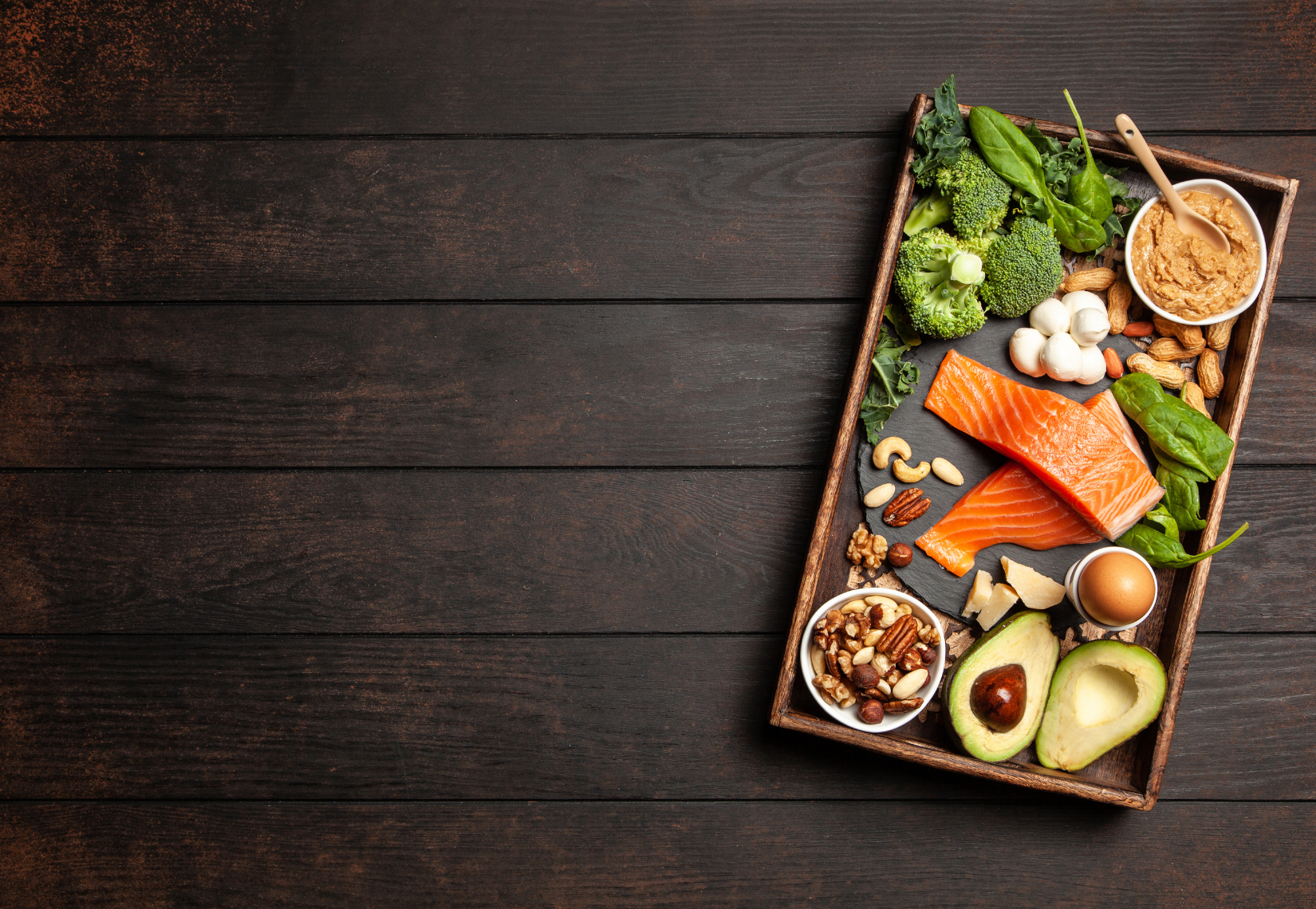
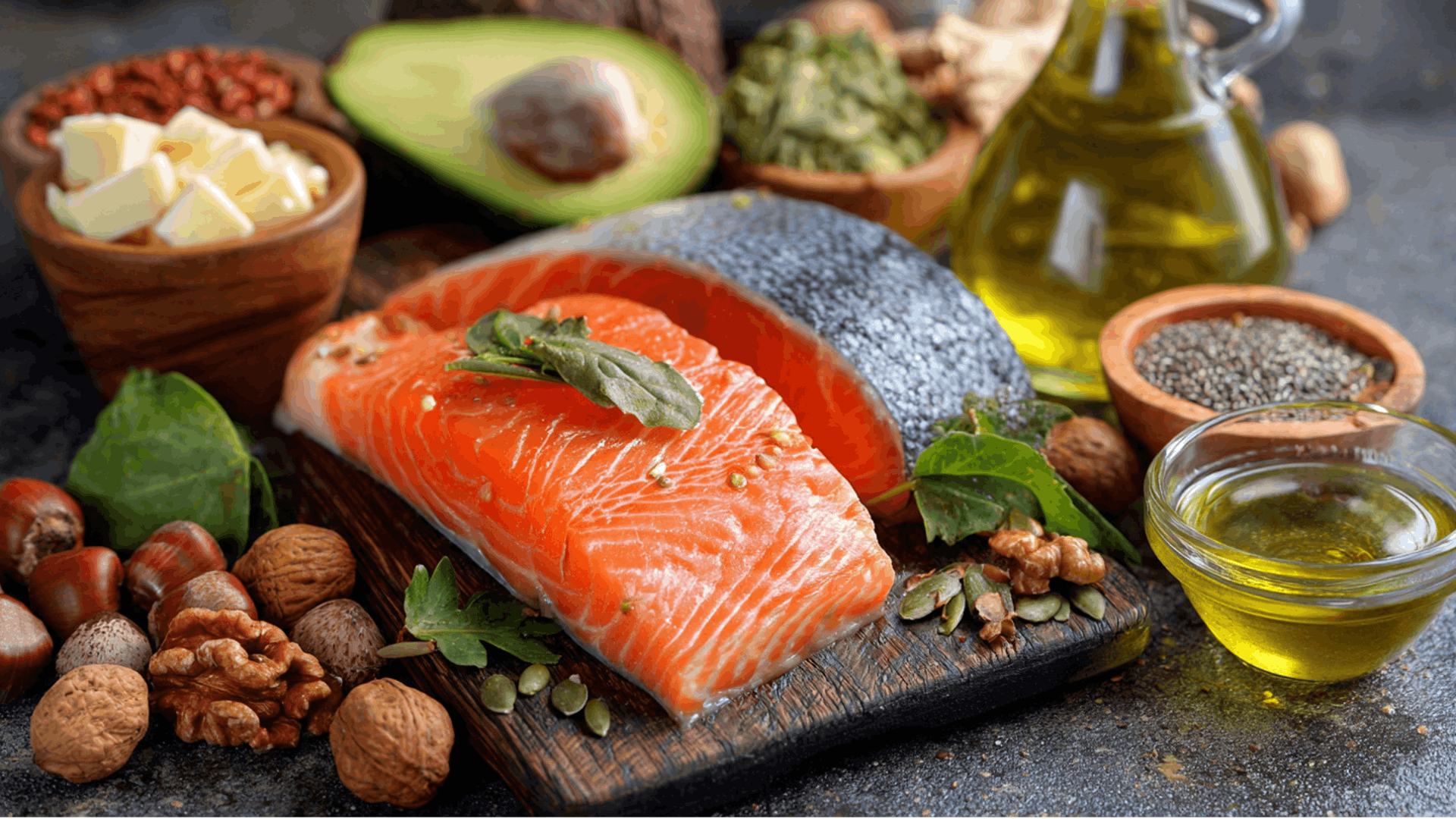
Adopting a proactive approach is key to reducing oxidative stress. Regular exercise, adequate sleep, and consistent stress management practices, such as mindfulness or relaxation techniques, help regulate hormone levels and reduce free radical production. Equally important is a diet rich in whole, unprocessed foods, particularly fruits, vegetables, nuts, and whole grains, which provide a steady supply of antioxidants.

By understanding how stress and oxidative damage are interconnected, individuals can take meaningful steps to protect their long-term health and resilience.

Read More
How Many Grams of Protein Do You Need Per Day? A Practical Guide

Protein is a vital nutrient made of amino acids, often called the building blocks of the body, and includes nine essential amino acids that the body cannot produce and must obtain through dietary protein. The recommended dietary allowance (RDA) for protein intake for an average sedentary adult is 0.8 grams per kilogram of body weight, which translates to about 60 grams of protein per day for a person weighing 165 pounds (75 kilograms). (1)

For minimal/light activity, the recommendation is 1.0 gram of protein per kilogram of body weight. (1) Active individuals, including athletes, may require 1.2 to 2 grams of protein per kilogram of body weight per day, depending on their level of activity. (2)

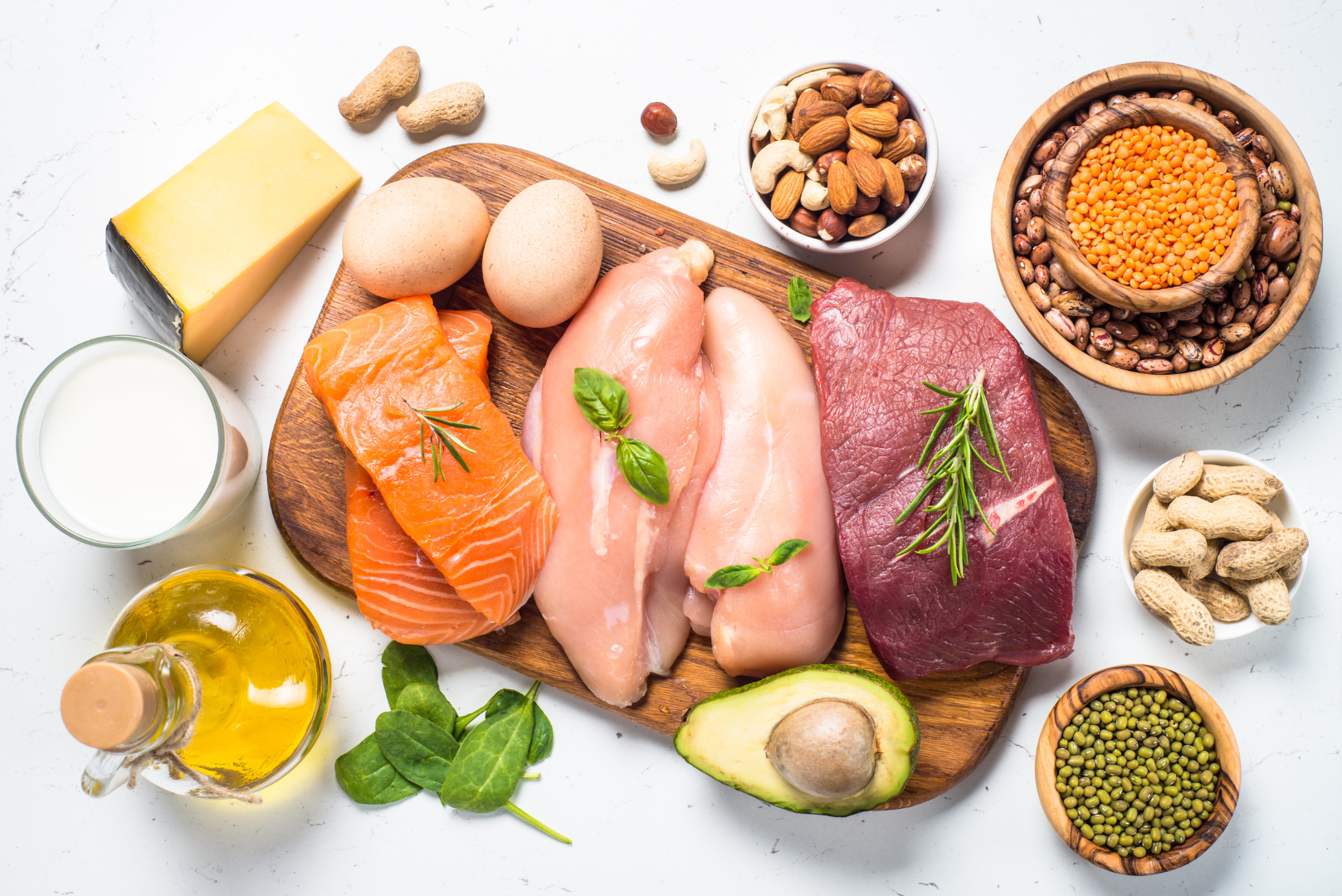
Protein provides amino acids that help build and repair muscle, skin, hair, and other tissues, while also supporting muscle recovery, immune system function, and overall health. Animal-based protein sources include dairy products, eggs, fish, poultry, and red meat, while plant-based sources include beans, lentils, nuts, seeds, whole grains, and soy products.

This guide is for anyone interested that wants to consume protein to optimize their health, fitness, or nutrition by understanding how much protein they need each day. Knowing your daily protein needs can help you gain and maintain muscle mass, support recovery, and achieve your health or fitness goals.

Read More
Elevate Your Health: Easy Strategies to Overcome a Sedentary Lifestyle

Are you spending too much time sitting and not enough moving? You might be putting your health at serious risk. In our comprehensive guide, "Elevate Your Health: Easy Strategies to Overcome a Sedentary Lifestyle," we delve into the hidden dangers of prolonged inactivity and provide practical, actionable tips to help you integrate more movement into your daily routine.

Imagine this: every hour spent sitting could be silently chipping away at your health, increasing your risk of diseases such as diabetes, cardiovascular issues, and even depression. Our guide cuts through the noise to uncover the stark truths about inactivity and offers easy strategies to counteract these risks. From understanding the science behind sedentary lifestyles to identifying common sedentary habits, we provide a thorough exploration of how our modern way of life is impacting our well-being.

You'll learn about the alarming physiological changes that occur with prolonged sitting, including reduced enzyme activity essential for metabolism, elevated triglycerides, and decreased bone mineral density. But it’s not all doom and gloom; we also share how incorporating regular physical activity can mitigate these risks and improve overall health.

Discover how small, intentional changes can make a big difference. Whether it's engaging in moderate-intensity activities, using fitness trackers to monitor progress, or breaking up long periods of sitting with short bouts of movement, our guide is packed with tips to help you transition to a more active lifestyle.

For those tied to desk jobs or glued to screens, we offer innovative strategies to stay active during the workday. From standing desks to brief activity breaks, these simple adjustments can transform your workspace into a dynamic environment that promotes movement.

Mental health is just as crucial as physical health, and our guide addresses this by highlighting the links between inactivity and mental health issues like anxiety and depression. Learn how even short-term inactivity can exacerbate these conditions and what you can do to combat them.

We also explore how household chores can double as stealthy exercise and how balancing screen time with active time can lead to a healthier, more balanced life. Plus, discover how technology, often blamed for our sedentary habits, can be harnessed to promote movement and track progress towards a more active lifestyle.

Join us on this journey to better health. By understanding the risks of a sedentary lifestyle and taking proactive steps to incorporate more movement into your day, you can transform your life. Dive into our guide for a healthier, happier you!

Read More
Boost Your Digestive Health Naturally

Are you tired of the constant battle with bloating, indigestion, and the unpredictable roller coaster of gastrointestinal discomfort? Does it feel like you've tried every remedy on the shelf, only to find yourself back at square one with your gut health? If these struggles sound all too familiar, then the "Ultimate Guide to Gut Healers" might just be the lifeline you've been searching for.

Within the pages of this comprehensive guide, you'll find solace and solutions to the digestive distress that has been overshadowing your life. This isn't just another diet fad or a fleeting trend; it's a deep dive into the root causes of gut imbalance and a practical roadmap to restoration. We understand the pain points of erratic digestion, the frustration of interrupted sleep due to gut discomfort, and the mental toll that such chronic issues can take.

The "Ultimate Guide to Gut Healers" is tailored to address these very struggles. It's packed with natural and effective strategies that target the underlying issues, not just the symptoms. You'll learn about the symbiotic relationship between probiotics and prebiotics and how they can rebuild your gut flora for optimal health. We'll guide you through the maze of food choices to identify what truly nourishes your microbiome and what to avoid to prevent further irritation.

Moreover, our guide recognizes the crucial connection between your lifestyle and gut health. We tackle the stress and sleep deprivation that silently wreak havoc on your digestive system, providing you with actionable techniques to mitigate these invisible threats. By embracing the recommendations in our guide, you can enhance not only your gut health but also your overall well-being and mental clarity.

The "Ultimate Guide to Gut Healers" is more than just a collection of tips; it's a beacon of hope for those who have felt lost in the tumultuous sea of digestive disorders. It's a testament to the power of informed, personalized changes that can lead you to a life free from the chains of digestive pain and discomfort.

If you're ready to turn the page on your gut health struggles and step into a world of digestive harmony, let the "Ultimate Guide to Gut Healers" be your compass. Your journey to a happier, healthier gut begins here.

Read More