
Posts tagged Nutrition
High Blood Pressure Breakfast Recipes: 15 Easy Ideas to Help Lower Blood Pressure

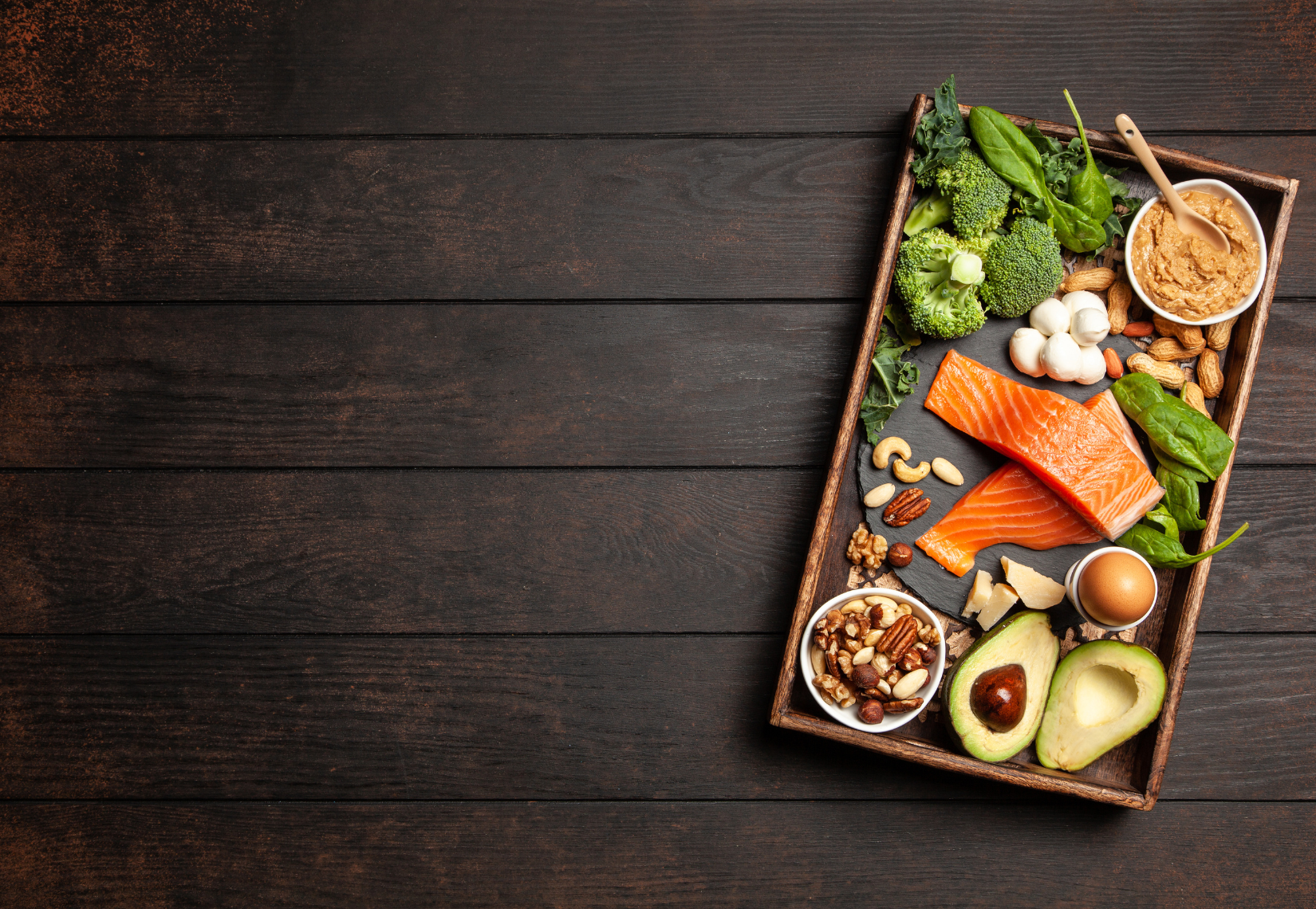
High blood pressure is a common health concern that significantly increases the risk of heart disease, stroke, and kidney problems. One of the simplest yet most effective ways to manage blood pressure is by starting your day with a heart-healthy breakfast. This article presents 15 easy and delicious breakfast recipes designed to support healthy blood pressure levels, all based on the proven principles of the DASH diet.

The DASH diet emphasizes eating foods rich in potassium, magnesium, calcium, and fiber while limiting sodium and unhealthy fats. These nutrients work together to help relax blood vessel walls, improve blood flow, and reduce the strain on your heart. By incorporating whole grains, fresh fruits, vegetables, low-fat dairy, and healthy fats into your morning meal, you can make a meaningful impact on your cardiovascular health.

Among the featured recipes are favorites like overnight oats topped with berries and nuts, Greek yogurt parfaits loaded with probiotics and antioxidants, and avocado toast on whole grain bread. Each recipe is quick to prepare, making it easy to maintain a consistent, heart-healthy breakfast routine even on busy mornings. Additionally, smoothie bowls packed with spinach, banana, and almond butter provide a nutrient-dense option for those who prefer a lighter start to the day.

The article also highlights the importance of avoiding common breakfast pitfalls such as processed meats, sugary cereals, and high-sodium packaged foods, which can elevate blood pressure and undermine your health goals. Instead, it encourages the use of herbs and spices to add flavor without salt and suggests low salt snacks and beverages like hibiscus tea and green tea that may offer additional blood pressure benefits.

Whether you’re newly diagnosed with hypertension or simply looking to improve your heart health, these recipes and tips offer practical, evidence-based guidance to help you take control of your blood pressure through nutrition. The article also addresses common questions about breakfast choices, including the role of eggs, coffee, and dark chocolate in a blood pressure-friendly diet.

Ready to transform your mornings and support your heart health? Dive into these 15 high blood pressure breakfast recipes and discover how small changes can lead to big benefits. Your heart will thank you for it!

Read More
Highest Saturated Fat Foods: What They Are, How They Affect Heart Health, and Smarter Swaps

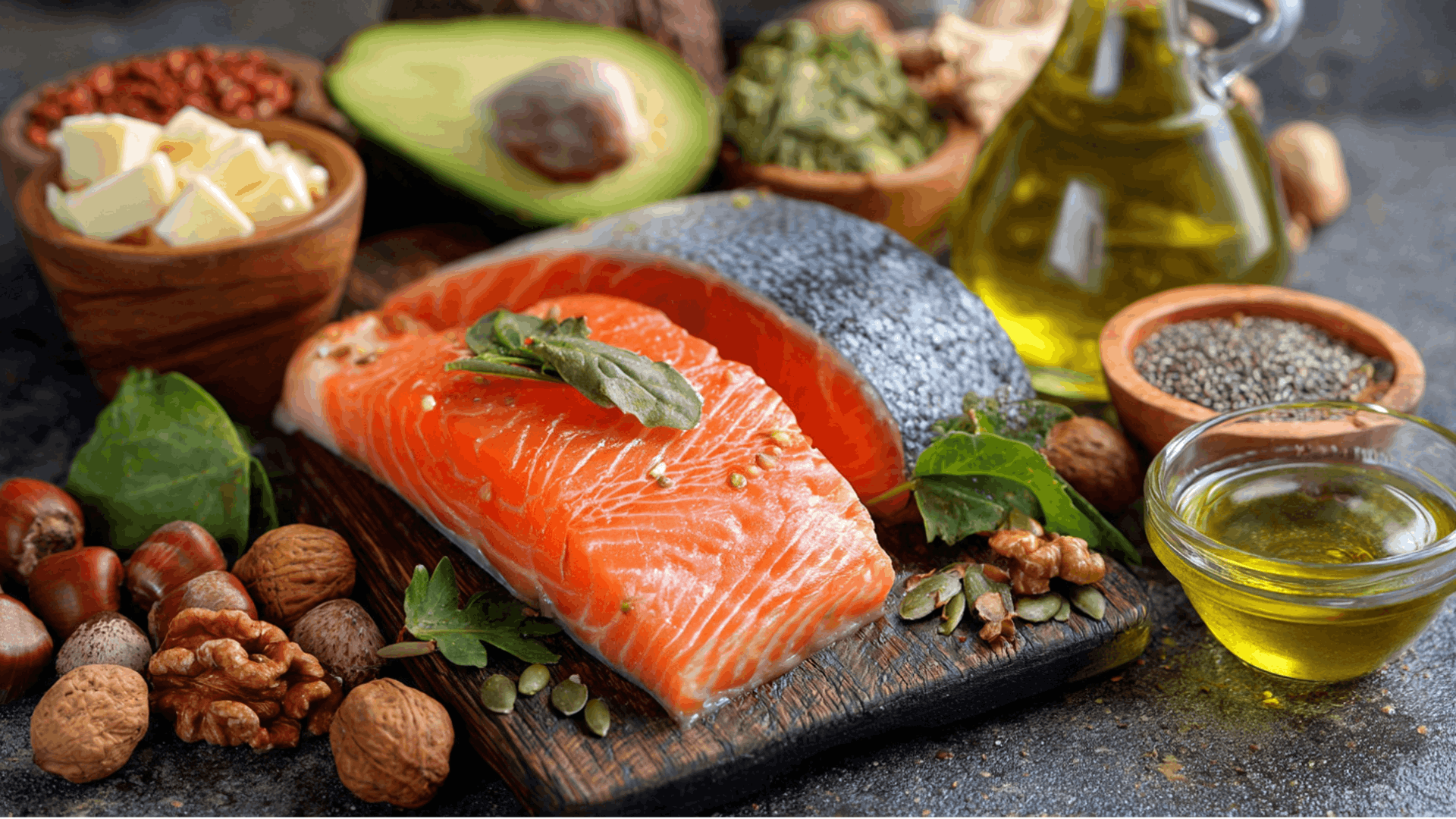
Saturated fat is a type of fat found in many common foods, from buttery croissants and fatty red meats to coconut oil and full-fat dairy. While it plays important roles in the body, including energy provision and supporting cell structure, consuming too much saturated fat can raise LDL cholesterol—the "bad" cholesterol linked to heart disease. But how much saturated fat is too much, and which foods pack the biggest punch? This guide dives into the highest saturated fat foods, explains how they affect heart health, and offers smarter swaps to enjoy delicious meals without overdoing it.

Most people know saturated fat is worth watching, but few realize how quickly it adds up. Just a tablespoon of butter, a slice of cheese, or a fast food dinner can push you past the recommended daily limit without you noticing. Foods rich in saturated fat tend to be calorie-dense and low in fiber, making it easy to overconsume calories and body fat, which can further increase cardiovascular risk.

Not all saturated fats behave the same way in the body, and the source matters. Animal fats like butter, lard, and fatty cuts of red meat are classic examples, but tropical oils such as coconut and palm oil also contain high levels of saturated fat. Meanwhile, foods like eggs and oily fish contain moderate amounts but are packed with nutrients that support overall health.

Health experts recommend keeping saturated fat intake to less than 10% of daily calories, with some guidelines suggesting even lower targets for those at risk of heart disease. Replacing saturated fats with unsaturated fats from nuts, seeds, olive oil, and oily fish can improve cholesterol levels and reduce cardiovascular risk.

But what about one indulgent meal? Research shows that a single high-fat meal may temporarily impair blood vessel function, but the effect is short-lived. Heart disease develops over years of eating patterns, so your weekly and monthly habits matter far more than a single occasion.

This article breaks down the highest saturated fat foods by category, from animal fats and tropical oils to baked goods and fast food. It includes practical tips and delicious meal ideas to help you cut saturated fat without sacrificing flavor. Whether you're looking to improve heart health, manage body fat, or simply make smarter choices, this guide offers clear, science-backed advice to empower your eating habits.

Ready to learn which foods to watch and how to enjoy them wisely? Dive into the full article for detailed insights, gram-per-serving numbers, and swaps that keep your meals satisfying and heart-healthy.

Read More
How Many Grams of Protein Do You Need Per Day? A Practical Guide

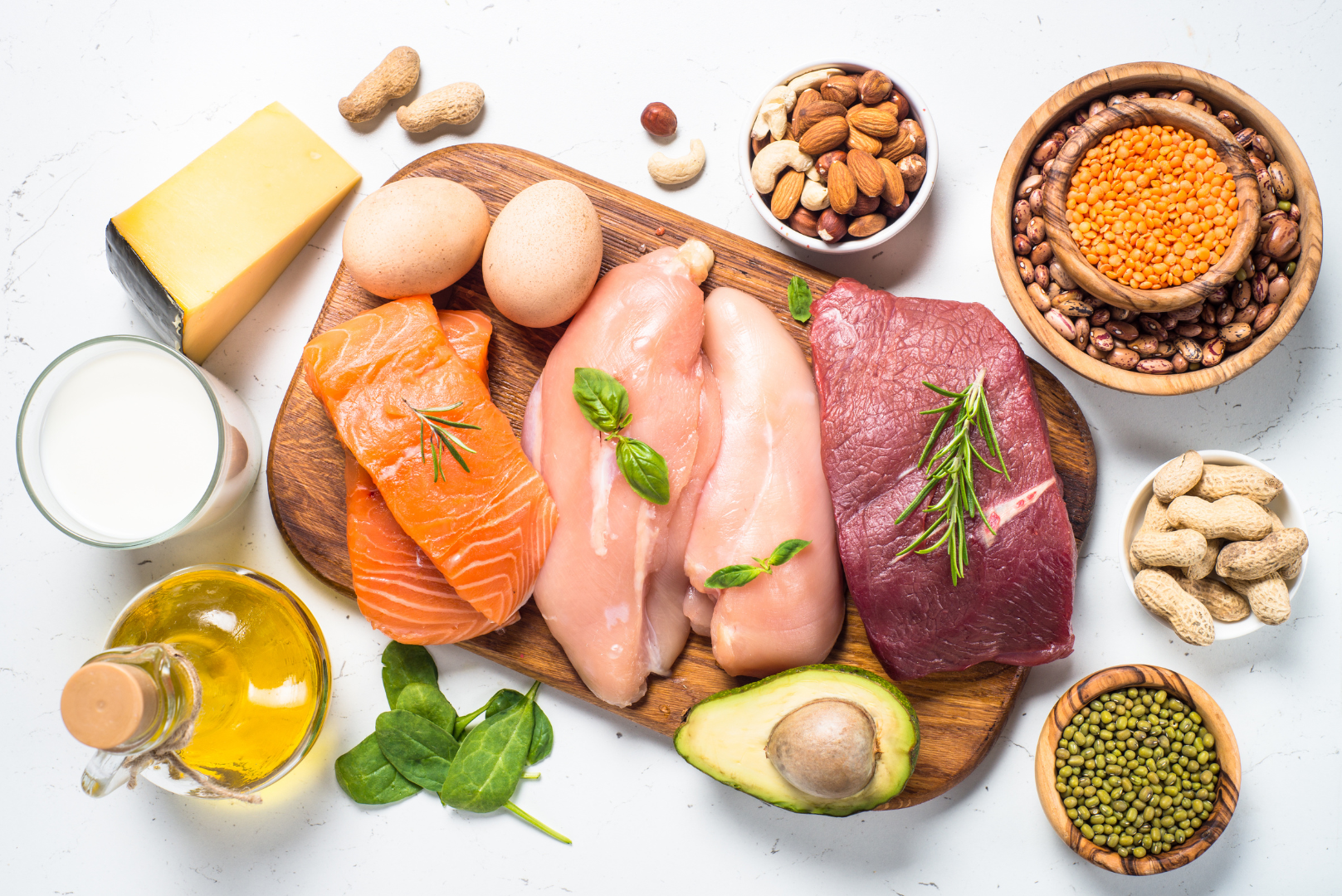
Protein is a vital nutrient made of amino acids, often called the building blocks of the body, and includes nine essential amino acids that the body cannot produce and must obtain through dietary protein. The recommended dietary allowance (RDA) for protein intake for an average sedentary adult is 0.8 grams per kilogram of body weight, which translates to about 60 grams of protein per day for a person weighing 165 pounds (75 kilograms). (1)

For minimal/light activity, the recommendation is 1.0 gram of protein per kilogram of body weight. (1) Active individuals, including athletes, may require 1.2 to 2 grams of protein per kilogram of body weight per day, depending on their level of activity. (2)

Protein provides amino acids that help build and repair muscle, skin, hair, and other tissues, while also supporting muscle recovery, immune system function, and overall health. Animal-based protein sources include dairy products, eggs, fish, poultry, and red meat, while plant-based sources include beans, lentils, nuts, seeds, whole grains, and soy products.

This guide is for anyone interested that wants to consume protein to optimize their health, fitness, or nutrition by understanding how much protein they need each day. Knowing your daily protein needs can help you gain and maintain muscle mass, support recovery, and achieve your health or fitness goals.

Read More
25 Genius Ideas for Quick and Easy Lunches

Are you tired of the same old lunch routine? Do you find yourself stuck in a lunchbox rut, packing the same bland meals day after day? It's time to revolutionize your midday dining experience! Dive into our treasure trove of 25 genius lunch ideas that are not only quick and easy but also bursting with flavor and creativity. From whimsical sandwiches that will make your kids' eyes light up, to hearty grain bowls that will keep you energized all day, we've got something for everyone. Imagine transforming leftovers into gourmet delights, or crafting fun DIY Lunchables that put store-bought versions to shame. Whether you're a busy parent, a working professional, or just someone who loves good food, this article is your ultimate guide to making lunch the highlight of your day. Don't miss out on these inspired ideas that promise to make every bite a delightful adventure!

Read More