
High Blood Pressure Breakfast Recipes: 15 Easy Ideas to Help Lower Blood Pressure
This content was reviewed by Dr. Jil Busmann, PhD to ensure alignment with current nutrition science and evidence‑based education principles.
Breakfast is one of the easiest meals to change, and a few simple swaps can make a real difference over time. Below are 15 heart healthy breakfast recipes built around foods that support healthy blood pressure levels. None of them need culinary skill or hours in the kitchen.
Key Takeaways
A low-sodium, high-fiber breakfast based on DASH diet principles can help lower blood pressure and support overall heart health over weeks to months.
Overnight oats, banana oatmeal, and a Greek yogurt parfait are fast, realistic options for busy mornings.
Prioritize essential nutrients at breakfast: potassium, magnesium, calcium, and healthy fats. Limit salt and added sugar.
Hibiscus tea, green tea, and a little dark chocolate may add small extra benefits. Fresh ginger adds flavor, but its blood pressure effect in trials came from supplement doses.
These recipes complement medical treatment for managing hypertension. They don't replace it.
This article focuses on nutrition, lifestyle, and wellness-oriented education and does not provide medical treatment or individualized medical advice.
How Breakfast Affects Blood Pressure and Heart Health
High blood pressure means your readings are consistently at or above 130/80 mmHg [1]. It raises the risk of heart disease, stroke, and kidney disease [1]. Diet is one of the first things to work on: eating less sodium and more potassium both help lower blood pressure [1].
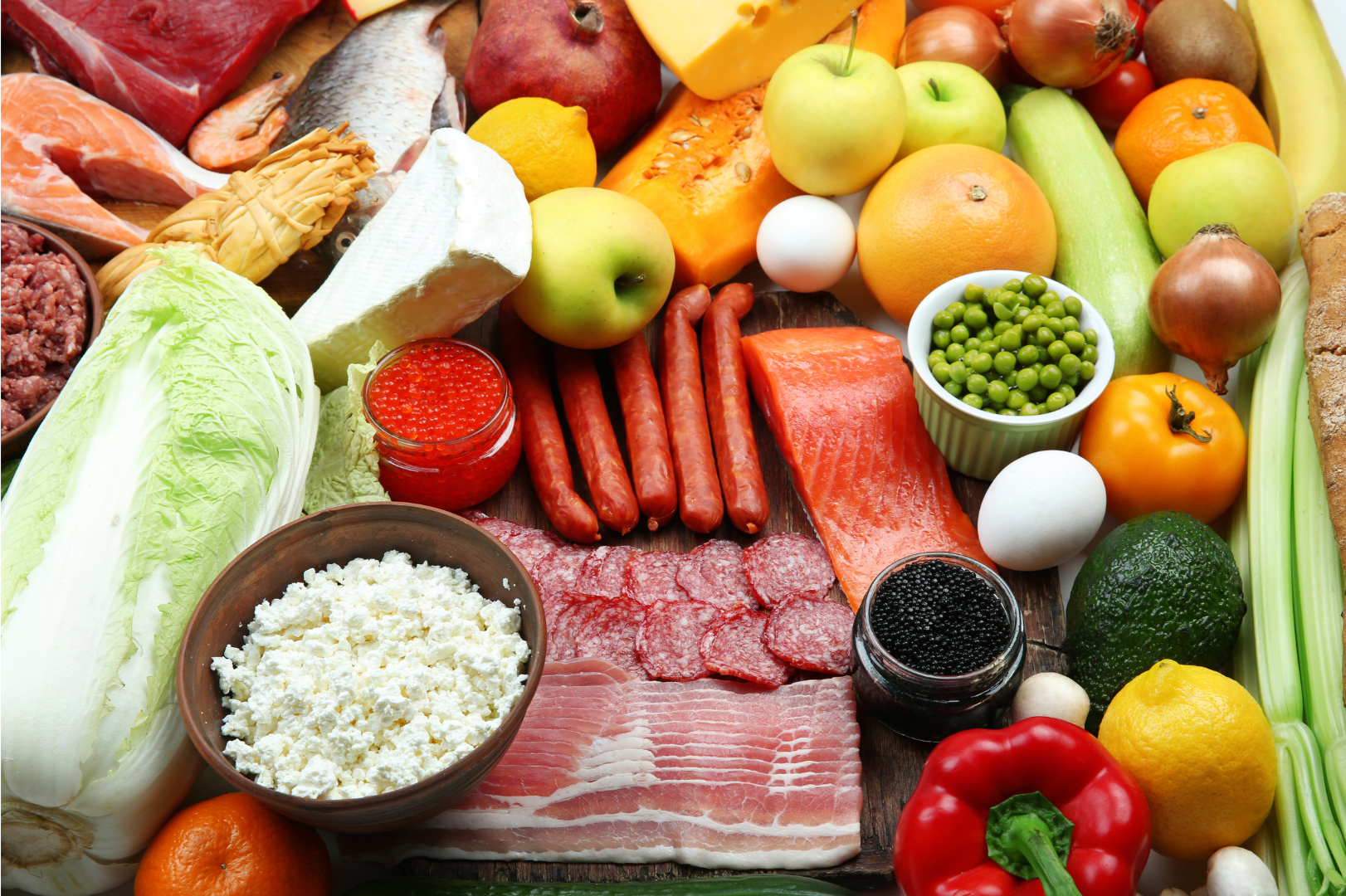
Typical Western breakfast foods work against you. Processed meats, salty pastries, and sugary breakfast cereals load you up with sodium, saturated fat, and refined carbs, which can spike blood sugar and add to weight gain over time. Low-sodium, high-fiber breakfasts do the opposite.
Why the DASH Diet Works at Breakfast
DASH (Dietary Approaches to Stop Hypertension) is an evidence-based eating pattern built on fruits, vegetables, whole grains, nuts, seeds, and low fat dairy, with less sodium [2]. A meta-analysis of 17 randomized controlled trials found the DASH diet lowered systolic blood pressure by about 7 mmHg and diastolic by about 3.5 mmHg [3]. In the DASH-Sodium trial, people eating DASH with low sodium had systolic pressure about 7 mmHg lower than on a typical high-sodium American diet if they didn't have hypertension, and about 11.5 mmHg lower if they did [4].
The DASH studies set a daily potassium goal of 4,700 mg [5]. That's well above what most adults get. In US survey data, men average about 3,000 mg a day from food and women about 2,300 mg [6]. In 2019, the National Academies of Sciences, Engineering, and Medicine set the general adult target lower, at 3,400 mg a day for men and 2,600 mg for women [6]. For blood pressure specifically, the 2025 AHA/ACC guideline recommends 3,500 to 5,000 mg of dietary potassium a day [1]. If you have kidney disease or take a medication that reduces potassium excretion, talk to your doctor before using potassium supplements or potassium-based salt substitutes [1]. A heart healthy breakfast built on DASH principles follows the same pattern: more potassium and dietary fiber, less sodium and saturated fat.
Core Breakfast Foods That Help Lower Blood Pressure
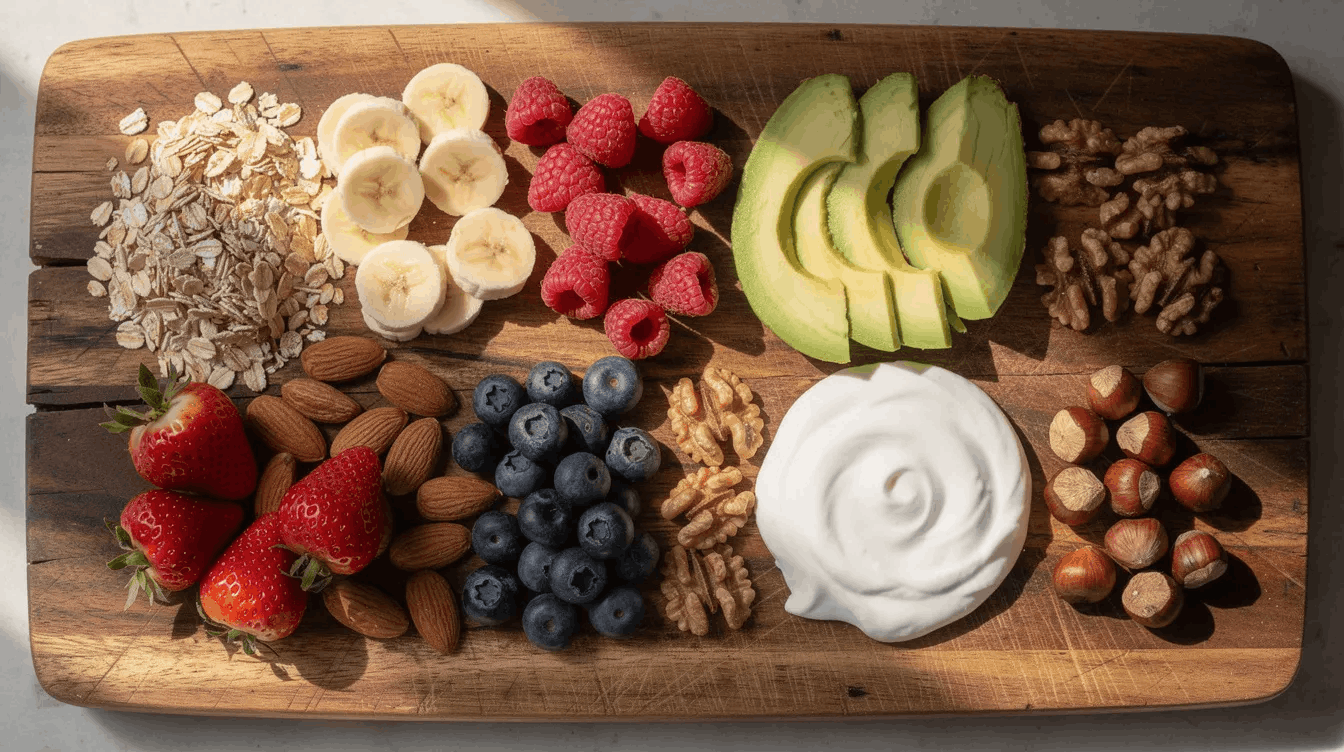
Stock up on these building blocks before you get to the recipes.
Whole grains: Oatmeal is high in fiber and low in sodium. Rolled oats, quinoa, and whole grain bread are all whole grains, which the DASH plan emphasizes [2].
Potassium-rich foods: Potassium helps your kidneys get rid of more sodium and helps blood vessels relax [7]. Good breakfast sources include bananas, leafy greens like spinach, potatoes, milk, and yogurt [6].
Low fat dairy: Plain yogurt, kefir, and milk supply calcium and protein. These dairy products fit a heart healthy breakfast when kept unsweetened.
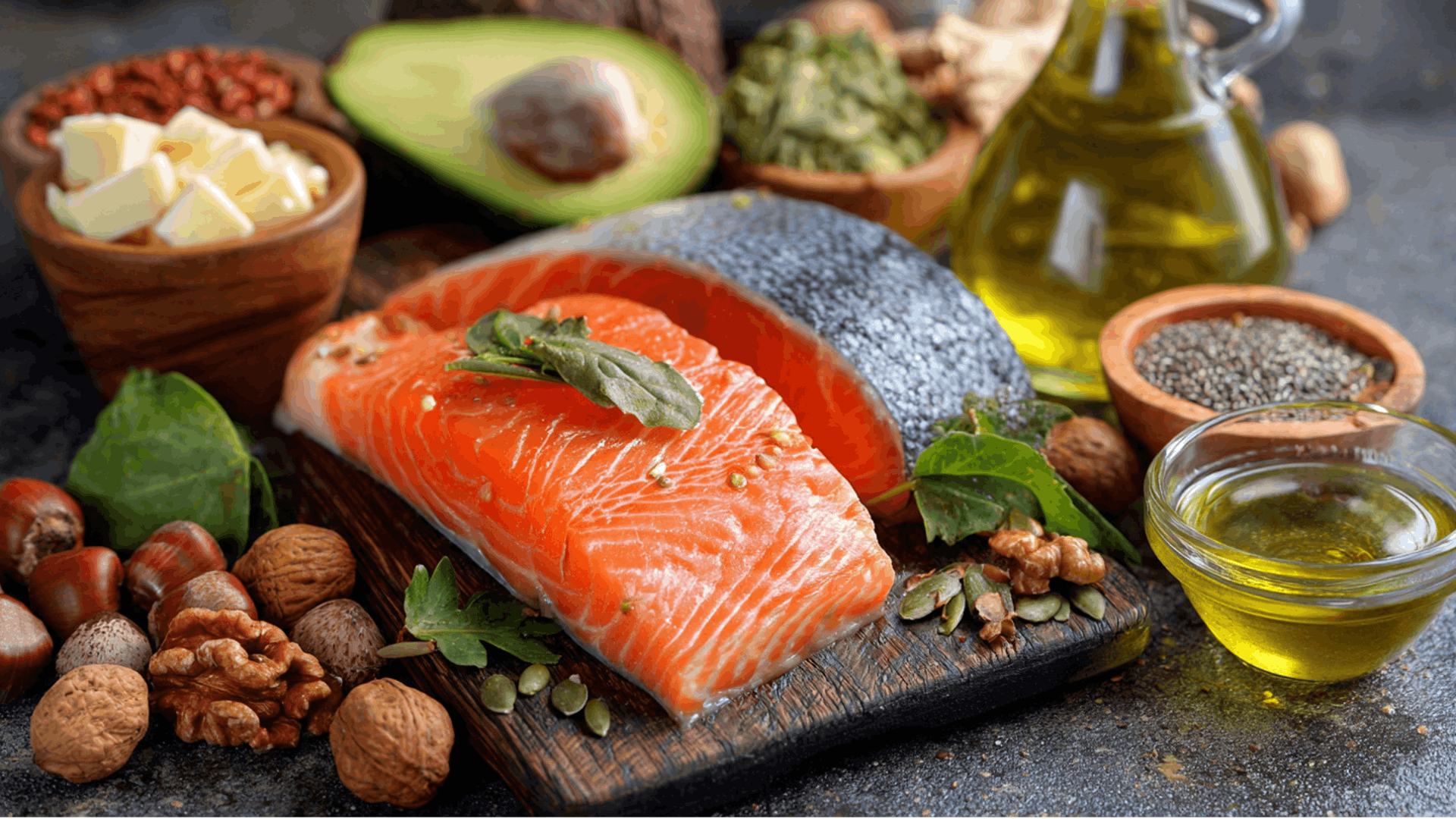
Heart healthy fats: Nuts, seeds (chia seeds, flax, hemp), olive oil, and almond butter provide unsaturated fats. In trials, both olive oil [8] and nuts and seeds [9] improved endothelial function, a measure of how well your blood vessels widen. Avocado is rich in monounsaturated fats. In trials, it lowered LDL ("bad") cholesterol in people who already had high cholesterol, but not in people whose levels were normal, and the evidence is still limited [10]. Keep portions moderate, since these are calorie-dense.
Lean proteins: Eggs provide high-quality protein. Egg whites, tofu, beans, and low-sodium cottage cheese all work well when prepared with little salt and no processed sides. Regular cottage cheese is fairly salty, so check the label.
Best Breakfast Foods for High Blood Pressure: Quick Ideas
Need something for tomorrow morning with zero planning? These healthy breakfast ideas each take under ten minutes.
Plain oatmeal topped with banana, cinnamon, and a few walnuts for a filling, potassium-rich bowl.
Greek yogurt with mixed berries and chia seeds for a fast, protein-packed option.
Avocado toast on whole grain bread with sliced tomato and black pepper. It's quick and covers whole grains, vegetables, and healthy fat in one plate.
A smoothie of spinach, frozen berries, banana, unsweetened yogurt, and water, if you'd rather drink a lighter breakfast.
Each one fits a DASH-style pattern, which is what helps lower blood pressure over time.
Overnight Oats & Banana Oatmeal Recipes
Overnight oats and banana oatmeal are two of the easiest ways to eat DASH-style at breakfast. Oats are high in fiber, including a soluble fiber called beta-glucan.
1. Overnight Oats with Berries and Nuts
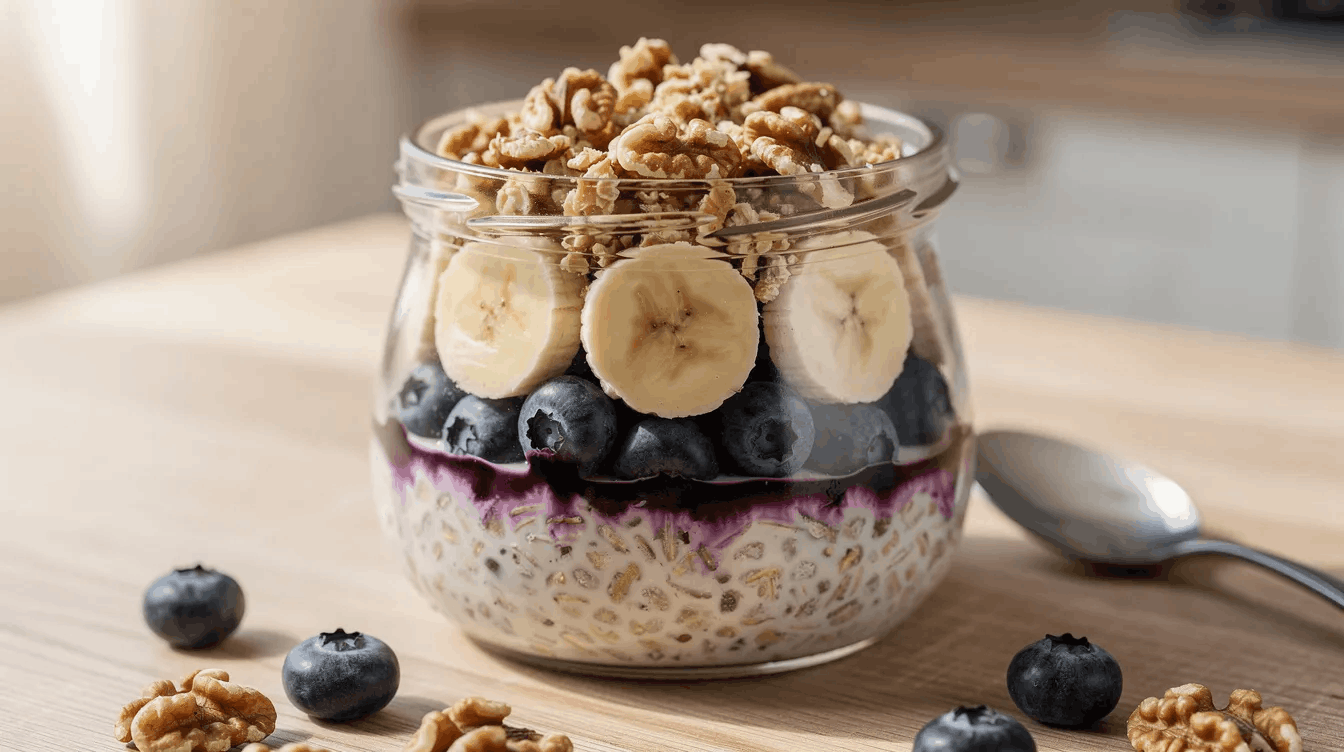
Combine ½ cup rolled oats, ½ cup low-fat milk or fortified plant milk, 1 tablespoon chia seeds, and a handful of blueberries or strawberries in a jar. Refrigerate overnight. Top with walnuts or almonds in the morning. Along with soluble fiber, you get potassium, protein, and heart healthy fats.
2. Savory Overnight Oats with Egg and Avocado
Mix ½ cup oats with ½ cup low-sodium vegetable broth and refrigerate overnight. In the morning, warm it and top with a soft-boiled egg, sliced avocado, spinach, black pepper, and garlic powder. Skip the salt and let the pepper and garlic carry the flavor.
3. Banana Oatmeal
Cook ½ cup rolled oats in low-fat milk or water on the stovetop and mash in one ripe banana. The banana sweetens the bowl, so you need less sugar. Finish with cinnamon and a teaspoon of natural peanut butter for healthy fats.
4. Matcha Green Tea Overnight Oats
Stir ½ teaspoon matcha powder into your overnight oats base with raspberries and pumpkin seeds. The matcha adds antioxidants, and the pumpkin seeds add magnesium, one of the nutrients the DASH plan emphasizes [2]. Enjoy cold the next morning.
Heart Healthy Yogurt, Parfait, and Chia Pudding Ideas
Yogurt and chia breakfasts deliver high quality protein, calcium, omega-3 fatty acids, and fiber with no cooking.
5. Greek Yogurt Parfait with Nuts and Seeds
Layer plain Greek yogurt with raspberries or mixed berries, homemade granola made with less sugar, and a sprinkle of chia or flax seeds. It takes under 10 minutes. Skip flavored yogurts, which are loaded with added sugar. Plain low-fat or nonfat Greek yogurt counts as low-fat dairy on the DASH diet [2]. It's rich in protein and contains probiotics.
6. Chia Seed Pudding with Mixed Berries
Mix 3 tablespoons chia seeds with 1 cup low-fat milk or unsweetened plant milk, a splash of vanilla, and a small drizzle of maple syrup. Refrigerate overnight. Top with strawberries, blueberries, and sliced almonds. Chia seeds are a plant source of an omega-3 fat called alpha-linolenic acid (ALA). In cohort studies, each extra gram of ALA a day was linked to a 5% lower risk of dying from cardiovascular disease [11].
7. Berry Kefir Bowl
Blend plain kefir with frozen berries and spoon it over a small portion of oats or quinoa. Add pumpkin or sunflower seeds for magnesium and heart healthy fats. You get a nutritious breakfast with probiotics and fresh fruit.
Egg, Vegetable & Whole-Grain Breakfasts
Eggs are a quick, inexpensive breakfast protein. The research on eggs and blood pressure is mixed. A meta-analysis of prospective cohort studies linked egg consumption with a lower risk of developing hypertension [12]. A large cohort of French women found the opposite: higher egg and cholesterol intake was linked to a higher risk [13].
Eggs won't lower your blood pressure on their own, but they don't appear to raise it either. So think of eggs as a quick, filling protein that fits a blood-pressure-friendly breakfast. The benefit in these recipes comes from what goes with them: vegetables like spinach for potassium, whole grain bread, and olive oil.
8. Scrambled Eggs with Spinach and Olive Oil
Use mostly egg whites plus one whole egg, sautéed with spinach and tomatoes in a teaspoon of extra-virgin olive oil. Serve with one slice of whole grain bread.
9. Baked Egg and Roasted Vegetable Cups
Fill muffin tins with diced bell peppers, onion, zucchini, and a sprinkle of reduced-fat cheese. Pour whisked eggs over and bake at 375°F (190°C) for 15 to 18 minutes. Make a batch ahead for quick breakfasts on busy weekdays.
10. Vegetable Omelet or Frittata
Load an omelet with mushrooms, spinach, and onions cooked in olive oil. Season with herbs, black pepper, and only a tiny pinch of salt if needed. Spinach is a good source of potassium [6].
11. Avocado Toast with Egg
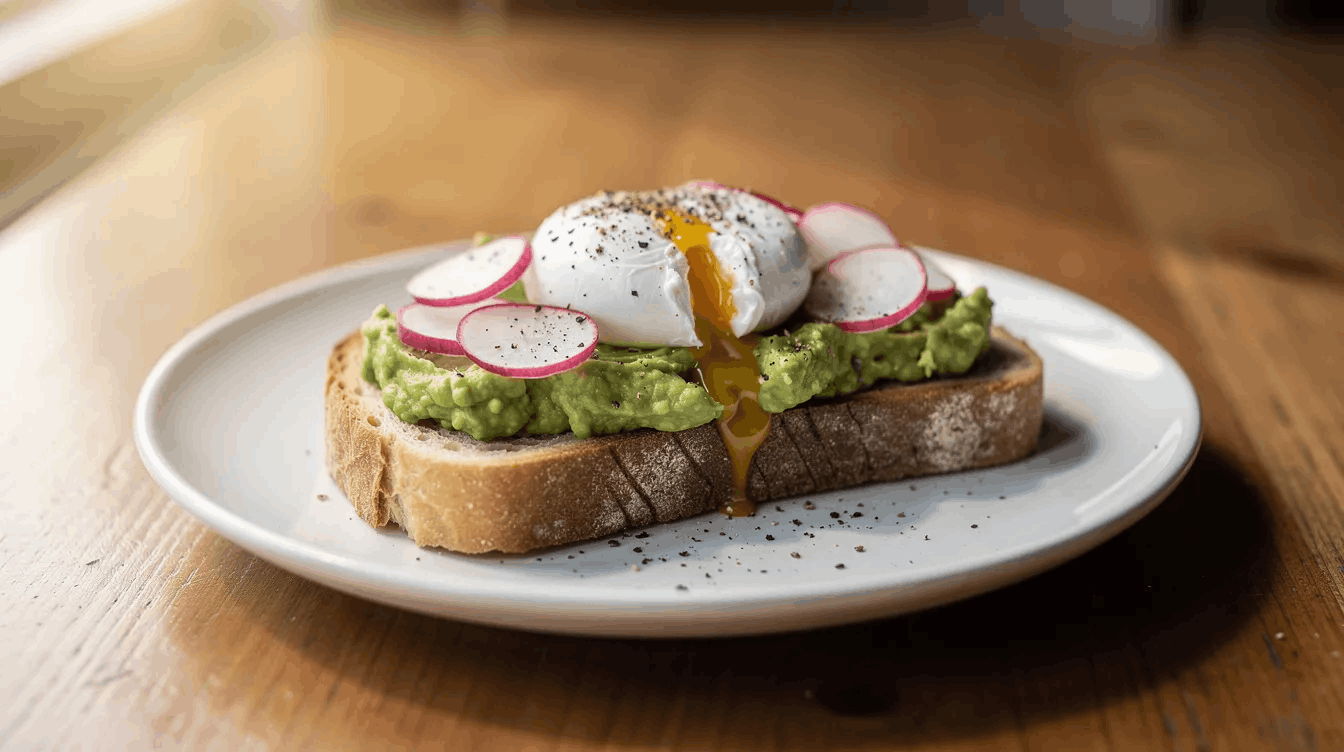
Spread mashed avocado on whole-grain or sprouted-grain bread. Top with a poached egg, sliced radish or tomato, and chili flakes instead of salty spreads.
High-Blood-Pressure-Friendly Smoothies and Smoothie Bowls
Smoothies suit people who'd rather drink breakfast, and they can support heart health as long as they aren't overloaded with sugar.
12. Spinach, Banana, and Almond Butter Smoothie
Blend a handful of spinach, one frozen banana, a spoonful of almond butter, unsweetened almond milk, and flax or chia seeds. It's packed with potassium, magnesium, and healthy fats.
13. Pineapple Green Smoothie with Fresh Ginger
Blend pineapple, spinach, Greek yogurt, banana, water, and freshly grated ginger. A meta-analysis of 12 RCTs found that ginger supplementation can reduce systolic blood pressure by about 5 mmHg, possibly through ginger's anti-inflammatory and blood-vessel-relaxing compounds [14]. Those trials used supplements, though, and the larger effects showed up at doses of 2,000 mg a day or more [14]. That's far more than you'd grate into a smoothie. Treat the ginger here as flavor rather than a proven dose of health benefits.
14. Cherry–Ginger Smoothie
Blend frozen cherries, oats, chia seeds, avocado, fresh ginger, and green tea as the liquid base. It's thick enough to eat as a bowl, and plant based protein powder gives it extra staying power.
15. Vegan Smoothie Bowl
Blend frozen berries, banana, and unsweetened nut milk until thick. Top with sliced fresh fruit and a small handful of nuts and seeds. Keep topping portions moderate for weight management.
Breakfast Foods to Limit or Avoid for High Blood Pressure
What you skip at breakfast matters as much as what you include.
Sugary foods: Breakfast cereals, pastries, muffins, doughnuts, and waffles made with white flour and plenty of maple syrup spike blood sugar, work against blood sugar control, and contribute to weight gain.
Processed meats: Bacon, sausage, ham, and fast-food breakfast sandwiches are loaded with sodium and saturated fat.
Hidden sodium: Salty spreads, processed cheeses, and flavored instant oats contain added salt and sugar. Read labels to check the nutritional value, especially sodium and added sugar.
Sugary coffee drinks: Skip the syrups, whipped cream, and flavored creamers. Choose plain coffee, unsweetened lattes, or green tea.
Ultra-processed frozen items: Frozen biscuits, burritos, and breakfast pizzas from grocery stores are convenient but sodium-heavy. A food processor makes it quick to prep your own versions at home, where you control the salt.
Drinks with Breakfast: Drinking Water, Tea, and Coffee
What you drink with breakfast can either support or undermine your efforts to maintain normal blood pressure.
Water first: Start with a large glass of water before eating.
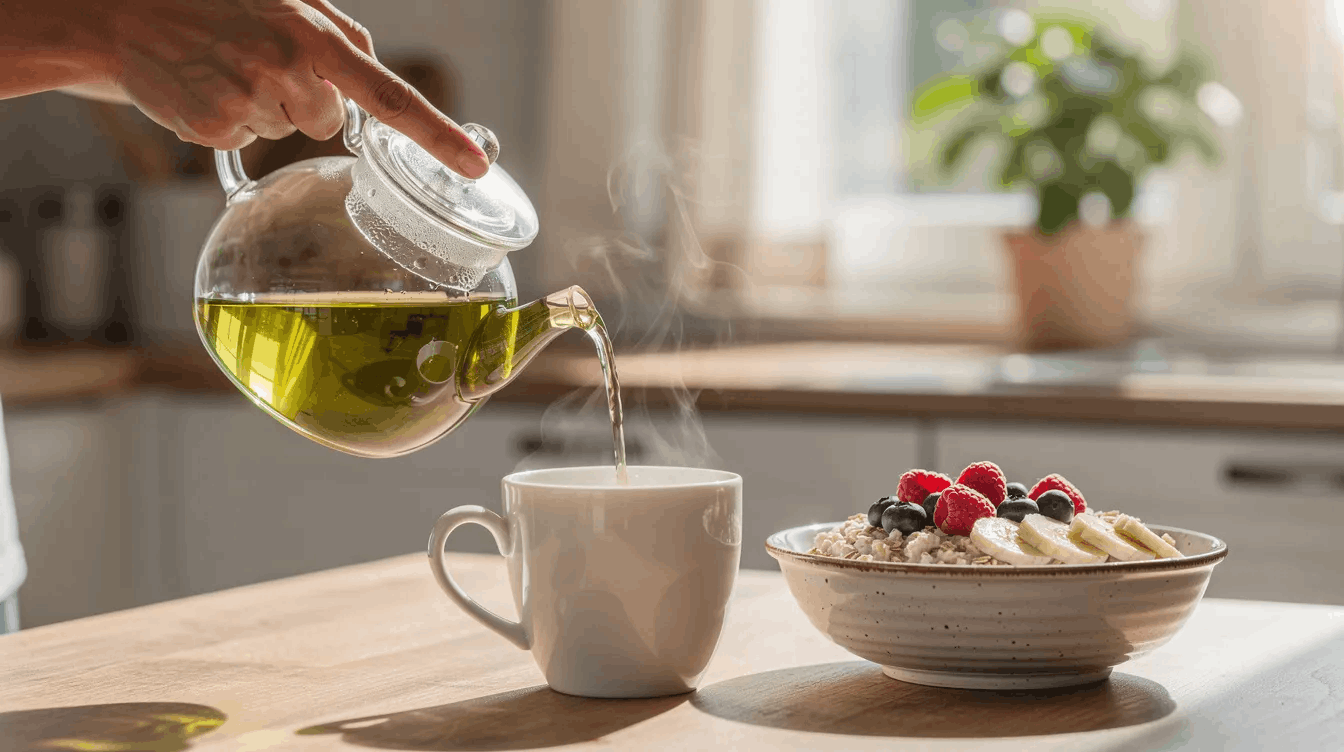
Green tea and herbal teas: Hibiscus and green tea may help lower blood pressure over time. In meta-analyses of trials using the tea or its extracts, hibiscus lowered systolic pressure by about 7 mmHg [15] and green tea by about 1 mmHg [16]. Hibiscus is caffeine-free, but green tea isn't, so keep that in mind if you're sensitive to caffeine.
Coffee: Moderate amounts fit within current guidance. The 2025 AHA/ACC guideline suggests keeping caffeine under 300 mg a day, and no more than one cup a day if your blood pressure is severe and uncontrolled [1]. Keep added sugar and cream to a minimum.
Avoid: Sugary juices, energy drinks, and soda. The DASH plan recommends limiting sugar-sweetened beverages [2].
Everyday Tips for Building a Heart Healthy Breakfast Routine
Knowing what to eat is one thing. Doing it every morning is another.
Pick 3 or 4 go-to healthy breakfast recipes (overnight oats, a Greek yogurt parfait, a veggie egg dish, a smoothie) and rotate them through the week.
Prep on Sundays: wash berries, chop vegetables, make chia pudding. It cuts weekday prep time significantly.
Skip added salt and use herbs and spices instead. Fresh ginger, garlic, citrus juice, and black pepper add punch without sodium.
Read labels on breakfast cereals, bread, and plant milks. Compare brands and pick the one with less sodium per serving.
Work with your healthcare provider when changing your diet, especially if you take blood pressure medication, have kidney disease, or are managing other cardiovascular diseases.
The most important meal is the one you actually prepare consistently.
Frequently Asked Questions
Can I eat eggs every day if I have high blood pressure?
For most people with well-managed high blood pressure, one whole egg a day (or more egg whites) can fit a heart healthy breakfast when cooked with little salt and paired with vegetables and whole grains. If you have high cholesterol, diabetes, or a family history of early heart disease, check your egg intake with your doctor or dietitian. A meta-analysis of 15 randomized trials found eggs had no significant effect on blood pressure [17].
Can I skip breakfast to lose weight?
Trials don't show that eating breakfast helps with weight loss. In a meta-analysis of randomized trials, people assigned to eat breakfast took in about 260 more calories a day than people skipping breakfast, and weighed slightly more [18]. A second meta-analysis found skipping breakfast led to modest weight loss and did not significantly change blood pressure, but it raised LDL cholesterol [19]. Both reviews say the trials were short and the results should be read with caution [18,19]. Anyone with hypertension or on blood pressure medication should discuss fasting plans with a healthcare professional first.
What is the best single breakfast to lower blood pressure?
There's no single magic breakfast. Eating DASH-style consistently is what helps lower blood pressure [3]. A strong everyday template is oatmeal or overnight oats with fresh fruit and nuts, plus water or green tea. It delivers potassium, fiber, and heart healthy fats consistently.
Can dark chocolate be part of a high blood pressure breakfast?
Small amounts of dark chocolate with a high cocoa content can be a heart healthy treat. Cocoa flavanols are thought to boost nitric oxide, which helps blood vessels relax. In trials, flavanol-rich cocoa products lowered blood pressure by a small 1.8 mmHg on average [20]. Shave a little over oatmeal or yogurt rather than eating a full bar, to keep added sugar and calories low.
How quickly can changing my breakfast help lower blood pressure?
In the DASH-Sodium trial, people followed each diet for 30 days, and the drops in blood pressure showed up within that time [4]. Breakfast is only one meal, though. The effect depends on your whole day's eating, and it works best alongside physical activity, weight management, and any medication you've been prescribed [1].
Disclaimer
The information provided in this article is for educational and informational purposes only and is not intended as medical advice. While we work diligently to provide accurate and up-to-date information, we make no representations or warranties of any kind, express or implied, about the completeness, accuracy, reliability, suitability, or availability with respect to the content. The information contained herein should not be used as a substitute for the advice of an appropriately qualified and licensed physician or other healthcare provider. The suggestions and insights should not be used for diagnosing or treating a health problem or disease, or prescribing any medication. Always seek the advice of your physician or other qualified health provider with any questions you may have regarding a medical condition or treatment and before undertaking a new health care regimen. Never disregard professional medical advice or delay in seeking it because of something you have read on this site.
References
American Heart Association and American College of Cardiology, 2025. 2025 AHA/ACC/AANP/AAPA/ABC/ACCP/ACPM/AGS/AMA/ASPC/NMA/PCNA/SGIM guideline for the prevention, detection, evaluation, and management of high blood pressure in adults: a report of the American College of Cardiology/American Heart Association Joint Committee on Clinical Practice Guidelines. Hypertension. 2025 Oct;82:e212–e316.
National Heart, Lung, and Blood Institute, 2026. DASH eating plan. Updated 2026 Feb 25. https://www.nhlbi.nih.gov/health/dash-eating-plan
Saneei P et al., 2014. Influence of Dietary Approaches to Stop Hypertension (DASH) diet on blood pressure: a systematic review and meta-analysis on randomized controlled trials. Nutr Metab Cardiovasc Dis. 2014;24:1253–1261.
Sacks FM et al., 2001. Effects on blood pressure of reduced dietary sodium and the Dietary Approaches to Stop Hypertension (DASH) diet. N Engl J Med. 2001 Jan 4;344(1):3–10.
National Heart, Lung, and Blood Institute, 2006. Your guide to lowering your blood pressure with DASH. NIH Publication No. 06-4082. Revised 2006 Apr.
Office of Dietary Supplements, National Institutes of Health, 2022. Potassium: fact sheet for health professionals. Updated 2022 Jun 2. https://ods.od.nih.gov/factsheets/Potassium-HealthProfessional/
Sriperumbuduri S et al., 2024. Potassium and hypertension: a state-of-the-art review. Am J Hypertens. 2024;37(2):91–100.
Schwingshackl L et al., 2015. Effects of olive oil on markers of inflammation and endothelial function: a systematic review and meta-analysis. Nutrients. 2015 Sep 11;7(9):7651–7675.
Trinquet NM et al., 2025. The effects of whole foods and dietary patterns on flow-mediated dilation: a systematic review and meta-analysis of randomized controlled trials. Am J Clin Nutr. 2025;122:1204–1232.
James-Martin G et al., 2024. Avocado consumption and cardiometabolic health: a systematic review and meta-analysis. J Acad Nutr Diet. 2024 Feb;124(2):233–248.
Naghshi S et al., 2021. Dietary intake and biomarkers of alpha linolenic acid and risk of all cause, cardiovascular, and cancer mortality: systematic review and dose-response meta-analysis of cohort studies. BMJ. 2021 Oct 13;375:n2213.
Zhang Y, Zhang DZ, 2018. Red meat, poultry, and egg consumption with the risk of hypertension: a meta-analysis of prospective cohort studies. J Hum Hypertens. 2018;32:507–517.
MacDonald CJ et al., 2020. Cholesterol and egg intakes, and risk of hypertension in a large prospective cohort of French women. Nutrients. 2020 May 8;12(5):1350.
Karimi M et al., 2026. Ginger supplementation and blood pressure in adults: a GRADE-based systematic review and dose-response meta-analysis of randomized controlled trials. J Hum Nutr Diet. 2026;39:e70329.
Ellis LR et al., 2022. A systematic review and meta-analysis of the effects of Hibiscus sabdariffa on blood pressure and cardiometabolic markers. Nutr Rev. 2022;80(6):1723–1737.
Xu R et al., 2020. Effect of green tea supplementation on blood pressure: a systematic review and meta-analysis of randomized controlled trials. Medicine (Baltimore). 2020;99(6):e19047.
Kolahdouz-Mohammadi R et al., 2020. Effect of egg consumption on blood pressure: a systematic review and meta-analysis of randomized clinical trials. Curr Hypertens Rep. 2020;22(3):24.
Sievert K et al., 2019. Effect of breakfast on weight and energy intake: systematic review and meta-analysis of randomised controlled trials. BMJ. 2019 Jan 30;364:l42.
Bonnet JP et al., 2020. Breakfast skipping, body composition, and cardiometabolic risk: a systematic review and meta-analysis of randomized trials. Obesity (Silver Spring). 2020 Jun;28(6):1098–1109.
Ried K et al., 2017. Effect of cocoa on blood pressure. Cochrane Database Syst Rev. 2017 Apr 25;4:CD008893.


High blood pressure is a common health concern that significantly increases the risk of heart disease, stroke, and kidney problems. One of the simplest yet most effective ways to manage blood pressure is by starting your day with a heart-healthy breakfast. This article presents 15 easy and delicious breakfast recipes designed to support healthy blood pressure levels, all based on the proven principles of the DASH diet.
The DASH diet emphasizes eating foods rich in potassium, magnesium, calcium, and fiber while limiting sodium and unhealthy fats. These nutrients work together to help relax blood vessel walls, improve blood flow, and reduce the strain on your heart. By incorporating whole grains, fresh fruits, vegetables, low-fat dairy, and healthy fats into your morning meal, you can make a meaningful impact on your cardiovascular health.
Among the featured recipes are favorites like overnight oats topped with berries and nuts, Greek yogurt parfaits loaded with probiotics and antioxidants, and avocado toast on whole grain bread. Each recipe is quick to prepare, making it easy to maintain a consistent, heart-healthy breakfast routine even on busy mornings. Additionally, smoothie bowls packed with spinach, banana, and almond butter provide a nutrient-dense option for those who prefer a lighter start to the day.
The article also highlights the importance of avoiding common breakfast pitfalls such as processed meats, sugary cereals, and high-sodium packaged foods, which can elevate blood pressure and undermine your health goals. Instead, it encourages the use of herbs and spices to add flavor without salt and suggests low salt snacks and beverages like hibiscus tea and green tea that may offer additional blood pressure benefits.
Whether you’re newly diagnosed with hypertension or simply looking to improve your heart health, these recipes and tips offer practical, evidence-based guidance to help you take control of your blood pressure through nutrition. The article also addresses common questions about breakfast choices, including the role of eggs, coffee, and dark chocolate in a blood pressure-friendly diet.
Ready to transform your mornings and support your heart health? Dive into these 15 high blood pressure breakfast recipes and discover how small changes can lead to big benefits. Your heart will thank you for it!