
Diabetic Diets: How to Build an Eating Plan That Controls Blood Sugar
This content was reviewed by Dr. Jil Busmann, PhD to ensure alignment with current nutrition science and evidence‑based education principles.
A diabetic diet for patients with Type 2 diabetes is not about bland food, strict deprivation, cutting out whole food groups, or buying special “diabetic” products. What you eat is one of the most effective ways to keep blood sugar in range and reduce the risk of diabetes complications. This guide is written for people with Type 2 diabetes and works best alongside a licensed or qualified healthcare professional, such as a registered dietitian or diabetes care specialist. The practical version of a diabetes diet comes down to regular meals, sensible portions, whole foods with plenty of fiber, and steady blood glucose over time.
In this guide, you will learn how a diabetes diet can work for you, which food choices matter most, how to use the diabetes plate method, and how eating patterns like the Mediterranean diet, DASH, flexitarian, and vegan diets can each support diabetes management.
Key Takeaways
A diabetes diet for Type 2 diabetes is a healthy eating plan that helps keep blood glucose in target, supports weight management, and protects the heart.
Carbohydrate intake has the biggest effect on blood sugar. The type, the amount, and the timing all matter.
Pairing carbohydrates with lean protein, healthy fats, and fiber-rich foods can help keep blood sugar steady and reduce sharp spikes.
Most people with Type 2 diabetes benefit from regular meals, non-starchy vegetables at every meal, and limiting sugary drinks, refined grains, fried foods, and highly processed foods.
There is no single “best” diet for Type 2 diabetes: Mediterranean, DASH, flexitarian, plant-forward, and other balanced diet patterns can all work once they are personalized with a registered dietitian or diabetes care team.
Why You Need a Diabetes Eating Plan
A diabetic diet prioritizes high-fiber carbohydrates, lean proteins, and healthy fats while avoiding refined sugars and unhealthy fats.
A structured eating plan shapes both today and the years ahead. Your meals drive daily blood sugar readings and, over time, your A1C, weight, blood pressure, cholesterol, and overall risk of diabetes complications. Eating consistently also makes it easier to spot which foods send your blood sugar up quickly and which balanced meals keep it in a normal range.
Eating healthy meals at regular times helps the body use insulin more effectively. Spacing meals roughly every 3 to 5 hours makes it easier to match food with insulin, oral medications, or physical activity.
Excess calories and carbohydrate intake can raise blood glucose and contribute to weight gain over time. Left unchecked, high blood glucose, high blood pressure, and abnormal cholesterol raise the risk of heart disease, kidney problems, nerve damage, vision loss, and stroke.
The goal is not perfection. The goal is to establish a routine you can actually repeat, one that makes the healthy choice the easy choice.
For example, take someone recently diagnosed with Type 2 diabetes. They might start eating meals regularly, reduce sugary foods and soda, use smaller portions of brown rice or potatoes, walk after dinner, and lose 5% to 7% of their body weight over 3 to 6 months. Those same core habits also support diabetes prevention. That level of weight loss improves insulin sensitivity and glucose control. Full remission is a bigger goal: research such as the DiRECT trial links it to larger losses, often in the range of 10% to 15% of body weight, so it is best discussed with your care team rather than assumed.
A diabetes diet is not a special menu of “diabetic foods.” It is a way of eating that the whole family can share, with adjustments for medication, portions, food preferences, culture, budget, and blood glucose targets.

What a Diabetes Diet Involves Day to Day
Day to day, a diabetes diet is a simple framework for what, when, and how much to eat to keep blood glucose in target. The foundation is nutrient-dense whole foods and portion control.
A registered dietitian or certified diabetes educator typically builds an individualized plan through nutrition therapy after reviewing:
A1C and current blood glucose levels
Medications, including insulin doses
Weight goals and activity level
Work schedule, sleep, and meal timing
Food preferences, culture, cooking skills, and access to healthy foods
Other conditions such as high cholesterol, high blood pressure, digestive disease, or diabetic kidney disease
The American Diabetes Association recommends that eating plans be individualized around personal preferences, health literacy, and access to healthy foods. The plan should also provide the right number of calories to reach or maintain a healthy weight.
Common goals include stable blood sugar, gradual weight loss when needed, healthier cholesterol, and, for many adults when appropriate, blood pressure under 130/80 mmHg. A realistic pace for weight loss is often 0.5 to 1 pound per week, although individual goals vary.
Published starting ranges are often listed separately by sex, commonly around 1,200 to 1,600 calories a day for many women and 1,600 to 2,000 or more for many men, though that split is really a rough proxy for body size. What drives the number is body size, activity level, and whether you are aiming to lose weight or maintain, so smaller or less active people sit toward the lower end and larger or more active people toward the higher end. The lower figures are meant for supervised weight loss rather than something to set on your own, so a target below roughly 1,500 calories is worth confirming with a dietitian or care team. Pregnancy, older age, and certain medical conditions shift it as well.
A simple day might look like this: oatmeal with berries, nuts, and low-fat dairy at breakfast; a salad with grilled chicken, beans, olive oil vinaigrette, and a small whole-grain portion at lunch; Greek yogurt or carrot sticks with hummus as a snack; and baked fish with roasted vegetables and quinoa at dinner.
Recommended Foods for Blood Sugar Control
A diabetic diet is built on high-fiber carbohydrates, lean proteins, and healthy fats, with less room for refined sugars and unhealthy fats. Even certain foods that raise blood sugar become easier to fit when portions are moderate or when they are paired with protein and fiber. The focus is on nutrient-dense foods that help keep blood glucose levels steady while also protecting the heart.
Healthy carbohydrates
Choose whole grains such as oats, brown rice, quinoa, barley, whole-wheat bread, and whole-grain pasta. Starchy vegetables like sweet potatoes, corn, peas, and winter squash can fit too, but portion control matters. Whole grains are beneficial for managing blood sugar levels due to their higher fiber content compared to refined grains.
Fiber-rich foods
Beans, lentils, chickpeas, apples, berries, chia seeds, flaxseed, and vegetables slow digestion and flatten blood sugar spikes. The American Diabetes Association currently advises adults with diabetes to eat plenty of high-fiber foods, at least 14 grams of fiber per 1,000 calories. Meanwhile, the European Association for the Study of Diabetes sets its recommendation at a minimum of 35 grams of fiber a day, which works out to roughly 16.7 grams per 1,000 calories.
Lean protein
Skinless chicken breast, turkey, tofu, tempeh, eggs, fish, lean pork tenderloin, and low-fat Greek yogurt are foods rich in nutrients that help with fullness and weight control. Protein also helps create healthy meals that feel satisfying without relying on large portions of starch.
Good fats and fish
Salmon, sardines, trout, mackerel, walnuts, almonds, avocado, olive oil, and canola oil supply healthy fats. Fatty fish, such as salmon and mackerel, are rich in omega-3 fatty acids, which can support heart health and are recommended for people with diabetes. Aim to eat fish at least twice per week, baked or grilled rather than fried.
Nuts and seeds
Nuts and seeds provide healthy fats and protein, which can help manage blood sugar levels and support heart health. They are also calorie-dense, so keep the portions small: a handful of nuts or a spoonful of seeds is usually enough.
Prioritizing nutrient-dense, fiber-rich foods aids in maintaining a healthy body weight. Higher intakes of dietary fiber are associated with reduced incidence of type 2 diabetes and lower all-cause mortality, heart disease, and certain cancers, according to public health research summarized by the CDC.
Healthy Carbohydrates and Fiber: Protecting Blood Glucose
Carbohydrates move blood sugar more than any other nutrient, so managing them is central to blood glucose control. Both the type and the total amount of carbohydrate affect your levels, which is why the emphasis falls on minimally processed, nutrient-dense, high-fiber sources.
Simple carbs such as soda, candy, white bread, pastries, and sweetened drinks digest fast. The foods most likely to spike blood sugar quickly are added sugars and refined carbohydrates. High-fiber carbohydrates, by contrast, digest more slowly and tend to produce a gentler rise in blood sugar.
Better carbohydrate choices include steel-cut oats, barley, brown rice, whole-grain pasta, sweet potatoes with the skin on, beans, lentils, fruit, and other plant foods. Fruit, eaten in reasonable portions, brings fiber, vitamins, and minerals, which makes it a good fit for people with diabetes.
Many people are advised to keep meals within an agreed carbohydrate range. A common starting point is 30 to 60 grams per meal, with smaller or less active people toward the lower end and larger or more active people toward the higher end. Another way to talk about it is in carbohydrate servings, where one serving is about 15 grams: many plans suggest roughly 2 to 4 carbohydrate servings per meal and 1 to 2 per snack. What actually works is individual, especially in diabetes management, so final targets should come from your diabetes care team, particularly if you use insulin. Tracking carbs, whether through carb counting or another method, is a proven way to improve glycemic control.
Aim for at least 25 to 30 grams of fiber a day unless your clinician says otherwise. Higher fiber intake is linked with a lower risk of cardiovascular disease and better weight control.
Here is a simple comparison:
| Breakfast | Likely Effect |
|---|---|
| White toast with jam | Lower fiber, faster digestion, sharper glucose rise, hunger may return sooner. |
| Oatmeal with berries and nuts | More fiber, protein, and fat; slower digestion and steadier blood glucose |
| Eating a carbohydrate with a healthy fat or protein can help stabilize blood sugar levels. High-fiber carbohydrates, lean proteins, and healthy fats help prevent rapid blood sugar spikes. | |
Heart‑Healthy Fats and Foods to Limit
People with diabetes have a higher risk of heart disease and stroke, so fat quality matters as much as fat amount. Limiting unhealthy fats and sodium reduces the risk of heart disease and stroke in diabetes management.
Monounsaturated and polyunsaturated fats from olive oil, canola oil, nuts, seeds, avocado, and fatty fish are considered good fats. These healthy fats can help lower LDL cholesterol when they replace saturated fats. Polyunsaturated fats, including omega-3s from fish, are especially useful in a heart healthy diet.
Limit foods high in saturated fats, trans fats, sodium, and added sugar. This includes fried foods like French fries, fried chicken, and doughnuts; processed meats like bacon and sausages; full-fat dairy; and packaged foods with high saturated fat content.
Sugary beverages are also a major problem. Regular soda, sweetened tea, energy drinks, fruit drinks, and large specialty coffees can raise blood glucose rapidly because they deliver added sugar without much fiber or protein.
Practical swaps make this easier:
Bake, grill, roast, or steam instead of frying.
Choose water, sparkling water, or unsweetened iced tea instead of soda.
Replace white bread and refined grains with 100% whole-grain options.
Use avocado, canola, olive oil, or nuts in place of butter or creamy sauces.
Low-fat dairy is often recommended to reduce saturated fat intake, but current evidence shows that full-fat dairy is not clearly worse for people with type 2 diabetes. The best choice depends on overall diet, metabolic health, and individual goals
Modern guidelines emphasize the quality of macronutrients over strict quantities to support long-term adherence and metabolic health. In other words, a plan you can follow matters more than a perfect plan you quit after two weeks.
The Plate Method: A Simple Visual Meal Planning Tool
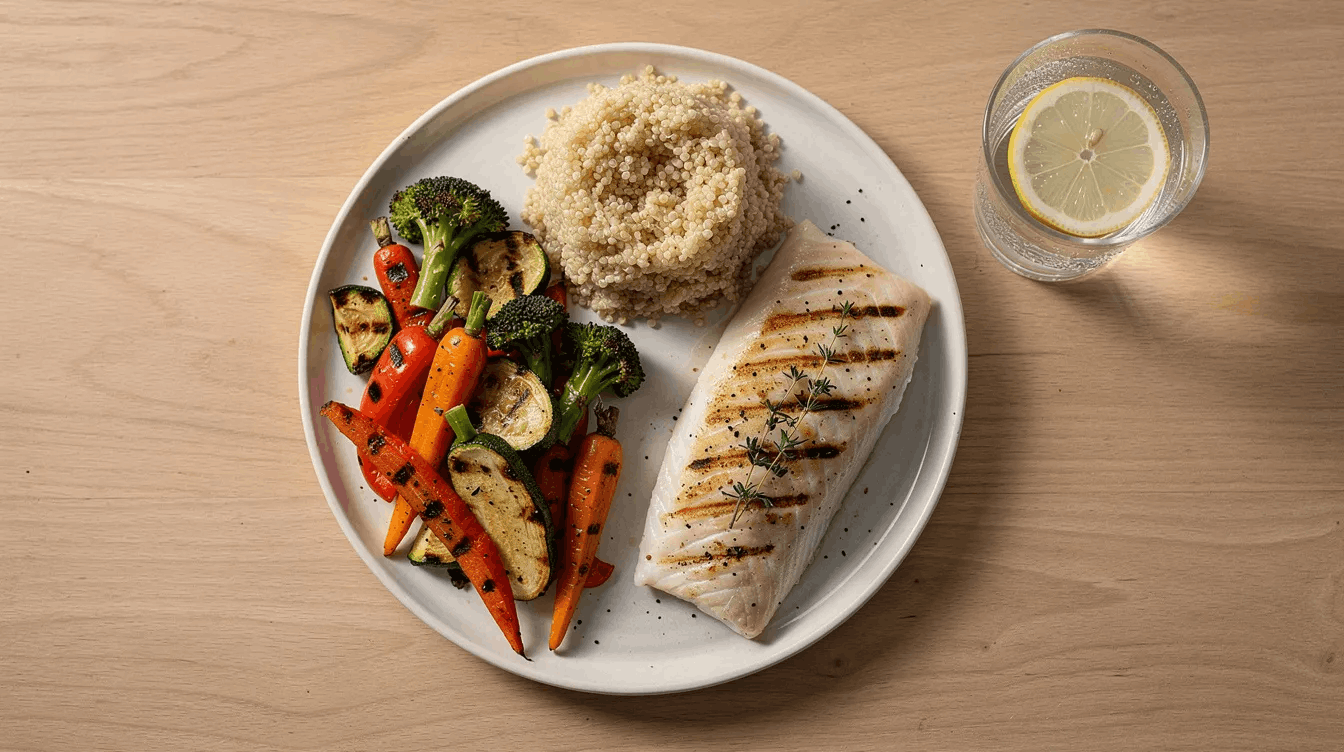
The 9-inch diabetes plate method is one of the easiest meal planning tools because it helps you create balanced meals without any math. The American Diabetes Association recommends it: fill half your plate with non-starchy vegetables, one quarter with protein, and one quarter with carbohydrate foods.
Half the plate goes to non-starchy vegetables such as broccoli, spinach, green beans, peppers, Brussels sprouts, salad greens, zucchini, or cauliflower. These are high in fiber and nutrients, and they have little effect on blood sugar.
One-quarter of the plate should be lean protein, such as grilled chicken, baked fish, tofu, tempeh, eggs, turkey, or lean pork tenderloin.
The last quarter is for healthy carbohydrate foods such as brown rice, quinoa, whole-wheat pasta, beans, corn, peas, or a small baked potato. If it fits your carb goal, you can add a small serving of fruit or low-fat milk on the side.
A sample plate: roasted Brussels sprouts and carrots on half, grilled salmon on one quarter, quinoa on the last quarter, with water and lemon to drink. This format suits lunch and dinner and adapts easily across different cuisines and food groups.
Carbohydrate Counting and Reading Food Labels
Carb counting matters most for people on insulin, but it helps anyone trying to manage blood sugar. The idea is to estimate the carbohydrate in your food so you can adjust insulin doses to match.
Start with food labels. On a Nutrition Facts panel, find the serving size first. Then look for “Total Carbohydrate,” which includes starch, sugar, and fiber. If a serving has 3 to 5 grams of fiber or more, the food may produce a slower blood sugar rise than a lower-fiber option.
Here is the step people miss: adjust for how much you actually eat.
If a label says:
Serving size: 1 cup
Total carbohydrate: 30 grams
Then eating 2 cups means:
30 grams x 2 servings = 60 grams of carbohydrate
That number shapes what you expect from your blood glucose and, for insulin users, how much insulin you may need. With an insulin-to-carb ratio, the dose depends on the carb count, your current blood glucose, your activity, and your correction factor.
Some people prefer broader methods. Exchange lists group similar foods by carbohydrate amount. Glycemic index ranks foods by how quickly blood sugar rises. Many people use a mix of food labels, plate method, carb counting, and experience with their own blood glucose meter or continuous glucose monitor (CGM).
Popular Eating Patterns for Diabetes (Mediterranean, DASH, Flexitarian & More)
No single plan fits everyone. Several evidence-based eating patterns, each reflected in national dietary guidelines, can help with managing diabetes once they are personalized.
Mediterranean Diet
The Mediterranean eating pattern centers on vegetables, fruits, legumes, whole grains, olive oil, nuts, seeds, and regular fish, with less red meat and fewer processed foods.
Major health organizations have endorsed it for good reason. Studies show it can improve insulin sensitivity, help regulate blood sugar, lower A1C, and reduce the risk of type 2 diabetes. Research reviews also credit Mediterranean-style plans with better heart outcomes in people who already have diabetes.
The main drawback is cost. Staples like olive oil, fish, nuts, and seeds can get expensive.
Budget tip: lean on canned sardines, frozen vegetables, dry beans, store-brand oats, and smaller amounts of olive oil to keep costs manageable.
DASH Diet
The DASH diet focuses on fruits, vegetables, low-fat dairy, whole grains, lean meats, and lower sodium intake. It was designed for blood pressure control, but it also supports metabolic health.
The DASH diet has been linked to improvements in insulin resistance, high cholesterol, and obesity, and is associated with lower mortality risk among individuals with diabetes. Because DASH can be relatively high in carbohydrates, people with diabetes may need help adjusting portions to meet blood glucose targets.
Flexitarian and Plant-Forward Eating
A flexitarian plan emphasizes plant foods most of the time while still allowing some animal products. It tends to cut saturated fat, add fiber, and support weight loss without asking you to go fully vegetarian.
Plant-forward eating like this is associated with a lower risk of type 2 diabetes, and it is usually easier to stick with than a full vegetarian or vegan commitment.
Vegan Diet
A vegan diet can offer health benefits for heart health, cholesterol, weight, and blood glucose, largely because it often increases fiber and reduces saturated fat. The trade-off is nutrition planning: it can fall short on nutrients like vitamin B-12 and iron, so it usually calls for careful food choices or supplements.
People with diabetes eating this way should also plan for quality protein from beans, lentils, tofu, tempeh, soy milk, nuts, seeds, and whole foods, rather than leaning on refined carbohydrates
Special Considerations: Type 1, Type 2, and Intensive Insulin Therapy
Diet principles overlap for type 1 and type 2 diabetes, but the medications and blood sugar patterns differ.
For type 1 diabetes and anyone on intensive insulin therapy, rapid-acting insulin doses often need to match carbohydrate intake using insulin-to-carb ratios and correction factors. This is why carbohydrate counting and accurate portions are so important.
Anyone taking insulin or certain pills such as sulfonylureas also has to think about exercise timing, meal timing, and alcohol, all of which affect the risk of hypoglycemia. Skip a meal after taking medication and blood sugar can drop too low; eat more carbs than planned and it can climb too high.
People with type 2 diabetes who are overweight often benefit from moderate calorie reduction and increased physical activity. Losing even a modest amount of weight can improve insulin sensitivity and sometimes reduce medication needs.
With diabetic kidney disease, protein may need to be limited, often around 0.8 g/kg/day depending on the stage of disease and clinical guidance, and high-sodium processed foods should be kept to a minimum. The National Institute of Diabetes and Digestive and Kidney Diseases provides patient education on diabetes, digestive and kidney diseases, and related complications.
Practical Tips for Eating Healthy and Sticking With Your Plan
Changing long-standing eating habits is challenging. The plans that last are gradual, specific, and realistic enough to survive a busy week.
Here are practical ways to stay consistent:
Plan 3 to 4 days at a time. Line up a few simple breakfasts, two lunch options, and two dinners so you are not deciding from scratch every day.
Keep healthy snacks on hand. Nuts, low-fat Greek yogurt, boiled eggs, hummus, carrot sticks, fruit, and cheese sticks can prevent impulse eating.
Cook most meals at home. Baking, steaming, grilling, and roasting give you control over carbohydrates, sodium, and fat.
Build meals around vegetables first. Add lean protein, then a portion-controlled carbohydrate.
Limit restaurant meals. When eating out, ask for sauces on the side, choose grilled items, and split large portions.
Prepare for social events. Have a small balanced snack beforehand, scan the spread for vegetables and lean proteins, and keep sugary desserts to small servings.
Walk after meals when it is safe. A 10 to 30 minute walk after eating can support blood sugar control, though it is worth clearing new exercise plans with your care team.
Applied consistently, these habits lower A1C and reduce the risk of long-term complications, especially when they are grounded in science-backed nutrition and clinician-guided insights.

Risks of Ignoring a Diabetes Diet
Skipping an eating plan, regularly overeating carbs, or leaning on high-sugar and fried foods destabilizes blood glucose and speeds up complications.
In the short term, that can mean frequent high blood sugar, low blood sugar from mismatched insulin, fatigue, thirst, mood swings, and trouble concentrating. Big swings in blood sugar levels also make it harder to sleep, work, exercise, and hold a routine together.
The long-term risks are more serious. Uncontrolled blood sugar, blood pressure, and cholesterol are what drive the serious complications described earlier, from heart attack and stroke to kidney and nerve damage. Even modest changes to how you eat, held for 3 to 6 months, can measurably lower A1C, lift your energy, and improve quality of life.
Frequently Asked Questions About Diabetic Diets
How many meals per day is best for diabetes?
Most adults with diabetes do well with 3 main meals spaced about 3 to 5 hours apart, plus 1 or 2 small snacks if they help prevent low blood sugar or manage hunger.
People on insulin or certain diabetes pills may need more consistent timing and should confirm their schedule with their care team. Skipping meals can swing blood glucose and often leads to overeating later.
Can I ever eat sweets if I have diabetes?
Yes. Many people with diabetes can fit small portions of sweets now and then, as long as the total carbohydrate and calories stay within their plan.
It usually helps to eat sweets with a meal that includes protein and fiber rather than on their own, which softens the blood sugar rise. If you use insulin, ask your care team whether higher-carb desserts need a dose adjustment.
Is fruit safe for people with diabetes?
Whole fruit is generally safe and healthy because it contains fiber, vitamins, minerals, and antioxidants. Portions still matter because fruit contains carbohydrate that raises blood glucose.
Choose whole fruit over juice or large amounts of dried fruit. Berries, apples, pears, citrus, and peaches are solid choices in modest portions. Count fruit toward your total carbohydrate and spread servings across the day.
Do I need special “diabetic” foods from the store?
No. Most specialty “diabetic” products are unnecessary and may be higher in fat, calories, or sugar alcohols than expected.
Put vegetables, fruits, whole grains, lean proteins, low-fat dairy products, nuts, seeds, and healthy fats first. Sugar-free items may still contain carbohydrates from starches or sugar alcohols, so reading food labels remains important.
How quickly should I expect to see improvements if I change my diet?
Blood glucose can shift within days to weeks, especially once you cut sugary drinks, refined carbs, and oversized portions.
A1C reflects your average blood sugar over about 3 months, so it usually takes a full 3-month stretch of consistent eating to see the larger trend. Track your blood glucose, weight, meals, and how you feel, then share it with your care team to fine-tune your eating plan and medications.
What is A1C and why is it important for diabetes?
A1C, also called glycated hemoglobin, is a blood test that measures your average blood sugar over the past 2 to 3 months. It shows how well your diabetes is being managed over time. Keeping A1C within your target range lowers the risk of complications such as nerve damage, kidney disease, and heart problems. Your healthcare provider uses A1C results to adjust your treatment plan, from diet and exercise to medication.
Disclaimer
The information provided in this article is for educational and informational purposes only and is not intended as medical advice. While we work diligently to provide accurate and up-to-date information, we make no representations or warranties of any kind, express or implied, about the completeness, accuracy, reliability, suitability, or availability with respect to the content. The information contained herein should not be used as a substitute for the advice of an appropriately qualified and licensed physician or other healthcare provider. The suggestions and insights should not be used for diagnosing or treating a health problem or disease, or prescribing any medication. Always seek the advice of your physician or other qualified health provider with any questions you may have regarding a medical condition or treatment and before undertaking a new health care regimen. Never disregard professional medical advice or delay in seeking it because of something you have read on this site.
Additional Reading




Products For A Healthier Lifestyle




Diabetic diets for patients with Type 2 diabetes are not about bland food, strict deprivation, elimination of important food groups, or buying special “diabetic” products. Managing your diet is one of the most effective ways to control blood sugar and reduce the risk of diabetes complications. This guide is intended for individuals with Type 2 diabetes and is best used in collaboration with a licensed or qualified healthcare professional, such as a registered dietitian or diabetes care specialist. The right approach is a practical eating plan built around regular meals, portion control, healthy whole rich foods, and steady blood glucose.
In this guide, you will learn how a diabetes diet can work for you, which food choices matter most, how to use the diabetes plate method, and how different eating patterns like the Mediterranean diet, DASH, flexitarian, and vegan diet can support diabetes management.