
High Blood Sugar Symptoms: How to Recognize, Treat, and Prevent Hyperglycemia
High blood sugar can build without obvious symptoms, in adults with and without diabetes. Knowing the early signs and when to act can help protect your heart, kidneys, eyes, and nerves from lasting damage.
Key Takeaways
High blood sugar (hyperglycemia) is often silent at first. The classic signs are frequent urination, strong thirst, and unexplained weight loss.
Other common signs include blurred vision, unexplained tiredness, and cuts that heal slowly. Check your blood sugar when these appear.
Red-flag symptoms of severe hyperglycemia need emergency care right away: repeated vomiting, deep or rapid breathing, fruity-smelling breath, confusion, or trouble staying awake.
People with diagnosed diabetes and people without a diagnosis can both develop high blood sugar. Readings that stay high should prompt formal testing with a fasting glucose test, an A1C, or an oral glucose tolerance test.
Spotting high blood sugar early can help prevent severe complications. Changes to diet, physical activity, and medication help keep glucose in a healthy range.
What Is High Blood Sugar (Hyperglycemia)?
Hyperglycemia means blood glucose is above the normal range [1].
For many adults with diabetes, the American Diabetes Association’s goals are 80–130 mg/dL (4.4–7.2 mmol/L) before meals and under 180 mg/dL (10.0 mmol/L) at the after-meal peak, measured 1–2 hours after you start eating [2]. Readings above those goals count as high for most people with diabetes. Individual targets vary with age, pregnancy, and other medical conditions [2].
Glucose from food enters the bloodstream after eating. Insulin, a hormone made by the pancreas, works like a key that lets glucose move from the blood into the body’s cells for energy. In type 1 diabetes, the immune system destroys the insulin-making cells. In type 2 diabetes, insulin resistance means the body responds poorly to insulin, and the pancreas gradually makes too little of it [1]. Either way, extra sugar stays in the blood.
High blood sugar can occur in type 1 diabetes, type 2 diabetes, and gestational diabetes. It can also occur in people without diabetes during severe illness or while taking certain medications, such as steroids [1, 3].
| Timing | Normal Range | High Range |
|---|---|---|
| Fasting (≥8 hours) | <100 mg/dL | ≥126 mg/dL |
| 2 Hours After Meal | <140 mg/dL | ≥200mg/dL |
| Random (any time) | - | ≥200 mg/dL |
| Sources: [1], [2]. Ranges differ for children, during pregnancy, and in individualized care plans. | ||
Common High Blood Sugar Symptoms
Many people with diabetes have no symptoms and don’t know they have it [4]. When symptoms do appear, the classic three are frequent urination, strong thirst, and unexplained weight loss. Blurred vision, fatigue, and slow wound healing can also occur [1].
Frequent Urination and Other Common Signs
Frequent urination (polyuria). When blood sugar rises past what the kidneys can reabsorb, glucose spills into the urine [5] and pulls water out with it [4].
Increased thirst (polydipsia). Thirst rises to replace the fluid lost through urine [4].
Unexplained weight loss. Glucose lost in the urine takes its calories with it [1, 5].
Blurred vision [1]. Bringing very high blood sugar down quickly can also temporarily change how the eye’s lens focuses [6].
Fatigue [1].
Cuts and bruises that heal slowly, linked to poorer blood flow and a weaker response to infection [1, 7].
More frequent infections, such as urinary tract infections and yeast infections [8, 9].
Some signs differ by sex. Women with diabetes are more prone to repeated vaginal yeast infections [9], and men may develop erectile problems over time [10].

Causes and Triggers of High Blood Sugar
High blood sugar usually comes down to not enough insulin working in the body. Stress hormones like cortisol and adrenaline also work against insulin and push blood glucose levels higher [1].
With diabetes: a missed or incorrect insulin dose [11], eating more carbohydrates than your meal plan allows [12], or skipping regular physical activity [13].
Without diabetes: a serious illness, such as a severe infection [1]; hormone conditions such as Cushing’s syndrome [14]; and medications such as prednisone [3].
The dawn phenomenon is an early-morning rise in blood sugar, driven partly by growth hormone and other hormones that oppose insulin [15]. The Somogyi effect describes a rebound high after a low overnight. It’s still debated [15], and a study using continuous glucose monitoring didn’t find it: morning blood sugar was actually lower after nights with lows [16].
Lifestyle triggers: frequent large portions of refined carbohydrates, sugary drinks, and heavy alcohol intake [12]; short or poor sleep, which can make the body less responsive to insulin [17]; and long periods of sitting [18]. Two everyday examples: forgetting your evening insulin dose [11], or starting a course of steroids for a chest infection [3]. Either can make blood sugar rise sharply.
How High Blood Sugar Is Diagnosed and Monitored
The only reliable way to confirm high blood sugar is to measure it, either at home with a finger-stick meter or continuous glucose monitor, or with lab blood work. Diagnosis uses the fasting glucose, oral glucose tolerance, and A1C tests in the table above.
An A1C below 7% is an appropriate goal for many nonpregnant adults with diabetes, though goals are set individually [2]. Regular blood sugar monitoring is central to diabetes management and helps you catch highs early.
Doctors set personal target ranges based on factors such as age, other health problems, and risk of hypoglycemia (low blood sugar) [2].
If you’re at risk of diabetic ketoacidosis (for example, you have type 1 diabetes or take an SGLT2 inhibitor diabetes medicine) and you feel unwell, have missed insulin doses, or have symptoms like nausea or unusual thirst, check your ketones, especially if your blood sugar is above 200 mg/dL (11.1 mmol/L) [2]. Contact your diabetes care team right away if ketones are positive or you’re worried about ketoacidosis [2]. Don’t start exercising if your blood sugar is above 250 mg/dL (13.9 mmol/L) and your ketones are moderate or high [13].
Treating a High Blood Sugar Level and When It's an Emergency
Treating high blood sugar promptly can keep it from becoming severe hyperglycemia. Insulin and other glucose-lowering medications are the main treatments [1].
Day to day: take medication as prescribed, match insulin doses to meals, moderate carbohydrates, stay hydrated by drinking water, and exercise when it’s safe. Talk with your doctor or diabetes educator before making major changes.
Severe Hyperglycemia: DKA and HHS
Two emergencies can develop when the body is badly short of insulin: diabetic ketoacidosis (DKA) and hyperosmolar hyperglycemic state (HHS) [4, 11]. Warning signs include frequent urination, strong thirst, weight loss, dehydration, nausea, vomiting, abdominal pain, deep or labored breathing, fruity-smelling breath, headache, confusion, and loss of consciousness [4, 11].
DKA can develop within hours to a few days. HHS usually builds over days or weeks [11], mostly in people with type 2 diabetes, and is defined in part by blood glucose above 600 mg/dL (33.3 mmol/L) [4]. The most common triggers are infections, especially urinary tract infections and pneumonia, and missed insulin [11]. Hospital treatment for both relies on intravenous fluids, insulin, and correcting electrolytes [4].
| Call Your Diabetes Care Team If | Get Emergency Care Now (Call 911) |
|---|---|
| You're worried about ketoacidosis. | You can’t keep fluids down or keep vomiting. |
| Your ketone test is positive. | Your blood sugar or ketones don’t improve after taking insulin. |
| Confusion, fruity breath, rapid or deep breathing, or trouble staying awake. | |
| Sources: [2], [4]. | |
How to Prevent Hyperglycemia and Protect Long-Term Health
Many episodes of high blood sugar can be avoided with consistent habits and regular contact with your health care team.
Choose high-fiber carbohydrates over sugary drinks and refined foods, and follow an individualized meal plan [12].
Aim for at least 150 minutes of moderate physical activity a week, with no more than 2 days in a row off [13].
Don’t skip doses. Learn how food and activity affect your insulin needs, and adjust doses only as your care team advises [12].
Check your blood sugar more often during illness or high stress [2].
On sick days, don’t stop or hold your basal (long-acting) insulin even if you aren’t eating, and call your care team if blood sugar stays high or ketones appear [2].
Untreated hyperglycemia that lasts can lead to damage in blood vessels and nerves. Over time, that raises the risk of heart disease, stroke, kidney diseases, and eye disease [1]. Better control makes a measurable difference. In the Diabetes Control and Complications Trial (DCCT), a large study in type 1 diabetes, better glycemic control was linked to 50–76% lower rates of eye, nerve, and kidney complications. The evidence for heart disease and stroke is less consistent [2].
A diabetes educator and the rest of your care team can help you build and keep these habits [12].

Frequently Asked Questions
How quickly do high blood sugar symptoms appear?
It varies. DKA can develop within hours to a few days, while HHS usually builds over days or weeks [11]. Many people with diabetes have no obvious symptoms at all [4]. Don’t rely on how you feel. Use a glucose meter to know your true blood sugar level.
Can I have high blood sugar at night without realizing it?
Yes. Checking your blood sugar before bed and on waking shows patterns. Continuous glucose monitors track glucose around the clock and can flag highs as they happen [2].
Is an occasional high blood sugar reading dangerous?
Repeated high blood glucose readings over weeks and months, which show up as a higher A1C, are what drive long-term complication risk [2]. Large swings in blood sugar may also matter in their own right [1]. If your readings are often above your target, bring them to your health care provider. A high reading that comes with ketones or any of the warning signs above needs action right away.
Can stress alone raise my blood sugar level?
Yes. Physical stress, such as an infection, injury, or surgery, releases hormones like cortisol and adrenaline that work against insulin and push blood sugar higher [1, 2]. Regular monitoring helps you see the effect. If you feel well and don’t have ketones, a short walk can help bring blood sugar down [13, 18].
When should I ask to see a diabetes specialist (endocrinologist)?
Ask your primary care provider about a referral if your blood sugar stays above target despite following your plan, or if your insulin routine is becoming complex [1].
Disclaimer
The information provided in this article is for educational and informational purposes only and is not intended as medical advice. While we work diligently to provide accurate and up-to-date information, we make no representations or warranties of any kind, express or implied, about the completeness, accuracy, reliability, suitability, or availability with respect to the content. The information contained herein should not be used as a substitute for the advice of an appropriately qualified and licensed physician or other healthcare provider. The suggestions and insights should not be used for diagnosing or treating a health problem or disease, or prescribing any medication. Always seek the advice of your physician or other qualified health provider with any questions you may have regarding a medical condition or treatment and before undertaking a new health care regimen. Never disregard professional medical advice or delay in seeking it because of something you have read on this site.
References
Regalla DKR, 2026. Hyperglycemia. In: StatPearls. Treasure Island (FL): StatPearls Publishing; updated 2026 Jul 5.
American Diabetes Association Professional Practice Committee for Diabetes, 2026. 6. Glycemic goals, hypoglycemia, and hyperglycemic crises: Standards of Care in Diabetes—2026. Diabetes Care. 2026;49(Suppl 1):S132–S149.
Tamez-Pérez HE, Quintanilla-Flores DL, Rodríguez-Gutiérrez R, et al., 2015. Steroid hyperglycemia: prevalence, early detection and therapeutic recommendations: a narrative review. World J Diabetes. 2015;6(8):1073–1081.
Dhatariya K, Mustafa O, Stathi D, 2025. Hyperglycemic crises. In: Feingold KR et al., eds. Endotext. South Dartmouth (MA): MDText.com; updated 2025 Jun 10.
Liman MNP, 2023. Physiology, glycosuria. In: StatPearls. Treasure Island (FL): StatPearls Publishing; updated 2023 Mar 13.
Okamoto F, Sone H, Nonoyama T, Hommura S, 2000.Refractive changes in diabetic patients during intensive glycaemic control. Br J Ophthalmol. 2000;84(10):1097–1102.
Brem H, Tomic-Canic M, 2007.Cellular and molecular basis of wound healing in diabetes. J Clin Invest. 2007;117(5):1219–1222.
Holt RIG, Cockram CS, Ma RCW, et al., 2024. Diabetes and infection: review of the epidemiology, mechanisms and principles of treatment. Diabetologia. 2024;67:1168–1180.
Talapko J, Meštrović T, Škrlec I, 2022. Growing importance of urogenital candidiasis in individuals with diabetes: a narrative review. World J Diabetes. 2022;13(10):809–821.
Kouidrat Y, Pizzol D, Cosco T, et al., 2017. High prevalence of erectile dysfunction in diabetes: a systematic review and meta-analysis of 145 studies. Diabet Med. 2017;34:1185–1192.
Umpierrez GE, Davis GM, ElSayed NA, et al., 2024. Hyperglycemic crises in adults with diabetes: a consensus report. Diabetes Care. 2024;47(8):1257–1275.
American Diabetes Association Professional Practice Committee for Diabetes, 2026. 5. Facilitating positive health behaviors and well-being to improve health outcomes: Standards of Care in Diabetes—2026. Diabetes Care. 2026;49(Suppl 1):S89–S131.
Kanaley JA, Colberg SR, Corcoran MH, et al., 2022. Exercise/physical activity in individuals with type 2 diabetes: a consensus statement from the American College of Sports Medicine. Med Sci Sports Exerc. 2022;54(2):353–368.
Popoviciu MS, Paduraru L, Nutas RM, et al., 2023. Diabetes mellitus secondary to endocrine diseases: an update of diagnostic and treatment particularities. Int J Mol Sci. 2023;24(16):12676.
Sharma M, Sharma A, 2026. Dawn phenomenon. In: StatPearls. Treasure Island (FL): StatPearls Publishing; updated 2026 Sep 14.
Høi-Hansen T, Pedersen-Bjergaard U, Thorsteinsson B, 2005. The Somogyi phenomenon revisited using continuous glucose monitoring in daily life. Diabetologia. 2005;48:2437–2438.
Reutrakul S, Van Cauter E, 2018. Sleep influences on obesity, insulin resistance, and risk of type 2 diabetes. Metabolism. 2018;84:56–66.
Dempsey PC, Larsen RN, Sethi P, et al., 2016. Benefits for type 2 diabetes of interrupting prolonged sitting with brief bouts of light walking or simple resistance activities. Diabetes Care. 2016;39:964–972.

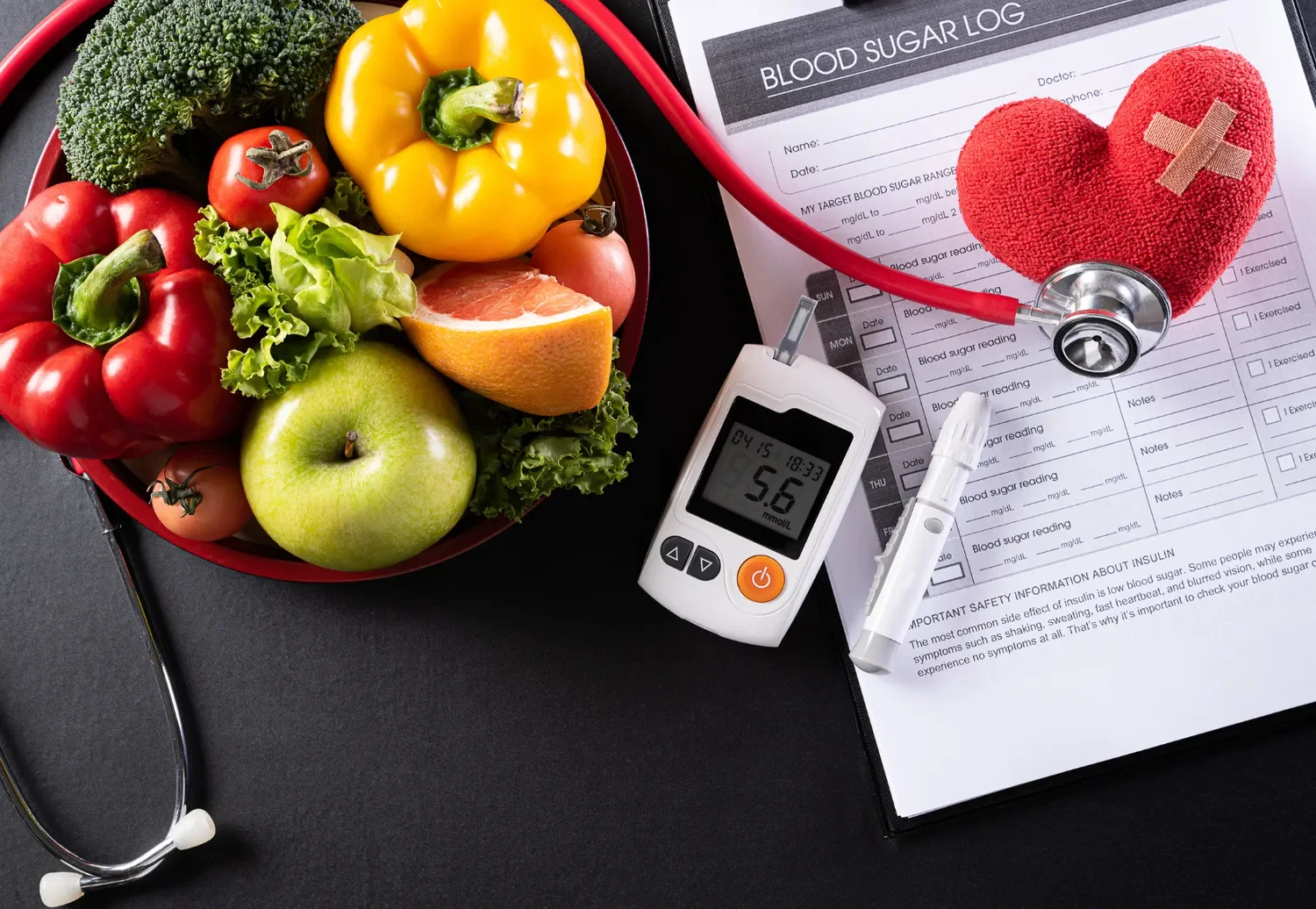





High blood sugar symptoms can be easy to miss at first. You may feel thirstier than usual, need to urinate more often, or notice that your energy is fading. These changes can develop gradually, and some people have no obvious warning signs at all. Recognizing symptoms early—and checking your glucose rather than guessing—can help you take the right next step.
Hyperglycemia, or high blood sugar, happens when glucose builds up in the bloodstream because the body doesn’t have enough effective insulin. It can affect people with type 1, type 2, or gestational diabetes. Illness and certain medications can also raise blood sugar, including in people without a diabetes diagnosis.
Frequent urination and intense thirst often appear together. When glucose levels are high, the kidneys work to remove excess sugar through urine, taking fluid with it. That fluid loss can leave you dehydrated and thirsty. Other possible signs include fatigue, blurred vision, slow-healing cuts, and repeated infections. Unexplained weight loss can happen when the body can’t use glucose properly and begins breaking down fat for energy.
Symptoms alone cannot confirm hyperglycemia. A blood glucose meter, continuous glucose monitor, or laboratory test is the reliable way to know your level. Very high blood sugar can lead to diabetic ketoacidosis or hyperosmolar hyperglycemic state—serious conditions that need urgent medical care. Repeated vomiting, deep or rapid breathing, fruity-smelling breath, confusion, or difficulty staying awake are emergency warning signs.
What causes blood sugar to rise, and how can you respond safely? Read on to learn how high blood sugar is diagnosed, which symptoms need urgent attention, and what steps can help prevent recurring highs.