
Metabolism: How Your Body Turns Food into Energy
This content was reviewed by Dr. Jil Busmann, PhD to ensure alignment with current nutrition science and evidence‑based education principles.
Metabolism: How Your Body Turns Food into Energy
Your body is a chemical factory that never shuts down. As you read this, trillions of cells are breaking nutrients apart, building new molecules, and producing the energy that keeps you alive. That factory is your metabolism, and understanding how it works is one of the most practical things you can do for your health and weight management.
Key Takeaways
Metabolism is the sum of the chemical processes inside your cells. It turns food into usable energy (ATP) and into building blocks for growth and repair, and it runs around the clock, even while you sleep, when your body is still breathing, circulating blood, and repairing cells.
Body weight changes are mainly driven by the long-term balance between calories eaten and calories burned. For most people, a "broken" metabolism is not the cause of weight gain. Diet quality, physical activity, and sleep matter far more.
Basal metabolic rate accounts for 60–70% of daily calorie burn [1], the largest share of energy expenditure. It depends on age, sex, genetics, muscle mass, body size, and hormone levels.
Energy metabolism runs on three main metabolic fuels: glucose, fatty acids, and amino acids. They are processed through linked metabolic pathways such as glycolysis, the citric acid cycle, and β-oxidation.
Evidence-based ways to support a healthy metabolism: resistance training to build muscle, steady daily movement, enough protein to raise the thermic effect of food, good sleep, and little reliance on quick-fix supplements like green tea extract or fat burners.
What Is Metabolism?
Metabolism is the network of chemical reactions happening inside your cells. Put more precisely, it is every chemical process your body uses to stay alive, from pulling energy out of a slice of toast to assembling the proteins that repair a torn muscle fiber. Metabolism converts food into energy for bodily functions, and at the same time it builds the complex molecules your body's cells need to grow, communicate, and defend themselves.
Thousands of these enzyme-driven reactions run at once in different parts of the cell. Some happen in the cytosol (the fluid inside cells), others inside mitochondria, and others along the cell membrane or in the endoplasmic reticulum. Keeping them in separate compartments keeps them organized and prevents the cellular version of a kitchen fire: uncontrolled "combustion" of fuel.
In nutrition and weight-loss conversations, "metabolism" usually means something narrower: how fast your body turns food energy into usable energy and heat, and how many calories you burn in a day.
Take a breakfast of oatmeal with butter and eggs. The body breaks the oatmeal's carbohydrates down into glucose, which enters the bloodstream and is either used right away or stored as glycogen. The butter's fats are split into fatty acids and glycerol, then packaged, transported, and either stored in fat tissue or burned for fuel. The eggs' proteins are split into amino acids. Some go to building enzymes or repairing tissue; others are converted into energy intermediates if needed. All of this starts within minutes of eating.

Core Concepts: Anabolism, Catabolism, and Energy Metabolism
Metabolism involves two complementary halves. Catabolism breaks complex molecules down to release energy. Anabolism builds complex molecules from simpler ones. Both run at the same time in your body, and the balance shifts depending on whether you have just eaten or are fasting, exercising, or sleeping.
Catabolic pathways break carbohydrates, fats, and proteins into smaller units, ending in carbon dioxide, water, and urea (the body's way of getting rid of nitrogen). Along the way, the energy released is captured as ATP, NADH, and FADH₂, and that ATP powers everything from muscle contraction to nerve signaling.
Anabolic pathways run the other way. They use ATP and reducing power (often NADPH, made partly through the pentose phosphate pathway) to build glycogen, fatty acids, and complex macromolecules such as proteins and nucleic acids. Anabolism requires energy, while catabolism releases energy. ATP, the cell's main energy currency, links the two.
Energy metabolism is the integrated network of pathways that pull energy out of metabolic fuels and channel it into ATP and other high-energy compounds. It keeps your organs working, your muscles contracting, and your brain thinking.
That network depends on tight metabolic regulation: enzymes that speed up specific steps, feedback loops that prevent overproduction, and compartments that keep incompatible reactions apart. Without these safeguards, fuels would burn uncontrollably and release their energy as heat instead of capturing it in a useful chemical form.
Basal Metabolic Rate: Your Body's Energy at Rest
Basal metabolic rate (BMR) is the energy your body uses at complete rest (awake, lying down, fasted for 10–12 hours, in a comfortable room) to keep vital functions going: breathing, heartbeat, the ion gradients across cell membranes, and cell repair. Even when you feel like you're doing nothing, your organs are hard at work.
For most adults, BMR accounts for roughly 60–70% of total daily energy expenditure [1], far more than deliberate exercise burns in sedentary people. Your body burns most of its daily fuel simply keeping itself alive.
Several factors determine your BMR:
Body size and body composition: Your muscles burn more calories at rest than fat does, but organs like the brain, liver, heart, and kidneys are far more active per kilogram, even though they make up a small fraction of body weight [2].
Age: After adjusting for fat-free mass, daily energy expenditure stays stable from about age 20 to 60 and declines in older adults [3].
Sex: Men generally have a higher metabolic rate than women because of greater muscle mass and hormonal differences.
Genetics: Genes play a significant role in metabolic rate, from mitochondrial density to enzyme variants.
Hormonal status: Thyroid hormones, sex steroids, growth hormone, and others directly change how fast cells burn energy.
Standard prediction equations such as Mifflin–St Jeor and Harris–Benedict estimate BMR from height, weight, age, and sex. They are useful starting points, but they can miss. Even the best performer, Mifflin–St Jeor, landed within 10% of measured resting metabolic rate for 82% of people in its strongest validation study, with individual errors of up to 15–18%. The equations may also be less accurate for older adults and ethnic minorities, who were underrepresented in the studies used to build and test them [4].
A quick example: two people both weigh 75 kg. Person A has 60 kg of fat-free mass (more muscle), while Person B has 50 kg. Fat-free mass is the strongest single predictor of daily energy expenditure, so Person A may burn roughly 250 more calories over a sedentary day, even though they see the same number on the scale [5].

Fast vs Slow Metabolism: What These Terms Really Mean
When someone says they have a fast metabolism, they usually mean a higher total daily energy expenditure: they burn more calories at rest and during activity. A slow metabolism means the opposite, with fewer calories burned across the day.
People with a fast metabolism often share certain traits:
More lean mass (more muscle means more energy burned at rest).
Higher activity levels, including unconscious movement like fidgeting and posture shifts. Together these are called non-exercise activity thermogenesis (NEAT). In one respiratory-chamber study, this kind of spontaneous movement accounted for 100 to 800 calories a day [5].
Normal or elevated thyroid hormone activity.
Being under about 60. Adjusted for fat-free mass, energy expenditure holds steady through adulthood and declines after that [3].
Signs commonly linked to a slower metabolism include fatigue, feeling cold, easier weight gain, and trouble losing weight. But these symptoms are nonspecific. They could point to hypothyroidism, chronic sleep deprivation, stress, or simply undereating. A low basal metabolic rate can lead to weight gain over time, but judging metabolic speed by symptoms alone is unreliable.
For most people, the real difference in resting metabolic rate between a "fast" and a "slow" metabolism is a few hundred calories a day, not thousands. After weight loss, resting metabolic rate can end up lower than the change in body tissue alone would predict, by about 50 calories a day in one study [6]. That is meaningful but manageable.
Blaming weight gain solely on a slow metabolism can distract from the factors you can change: what you eat, how you move, how well you sleep, and how you handle stress. Those are the levers you can actually pull.
How Metabolism Affects Weight Loss and Weight Gain
Body weight changes come down to energy balance. You lose weight when you consistently burn more calories than you eat, and you gain weight when you eat too many calories relative to what you burn. That holds whether your metabolism runs hot or cool.
Your daily energy expenditure has three components:
Resting metabolism (BMR/RMR): the largest share, at 60–70% [1].
Physical activity: structured exercise plus NEAT. It is the most variable part, ranging from about 15% of daily energy expenditure in sedentary people to 50% in very active ones [1].
The thermic effect of food (TEF): the energy cost of digesting, absorbing, and storing nutrients, about 10% of energy expenditure [1].
A higher BMR or more physical activity makes it easier to create a calorie deficit and lose weight. A lower BMR or a sedentary lifestyle makes it easier to gain weight, because you burn fewer calories than someone more active or more muscular.
Extra energy is stored as fat. When intake falls short, the body draws on stored fuel: mostly glycogen and body fat, and more muscle protein if the deficit is extreme.
How big should the deficit be? The UK's National Institute for Health and Care Excellence (NICE) doesn't set a single number. It recommends a flexible, individualized approach that keeps calorie intake below what you burn; most of the studies it reviewed used a deficit of 500 to 800 calories a day [7].
One important wrinkle is metabolic adaptation. During prolonged calorie restriction, the body can lower its energy expenditure by more than tissue loss alone would predict. In the CALERIE trial, participants who sustained about 15% calorie restriction for two years lost an average of 8.7 kg, and their 24-hour and sleeping energy expenditure ran roughly 80–120 kcal/day lower than expected from that weight loss [8].
Even with a relatively slow metabolism, you can lose weight by adjusting calorie intake, increasing activity, or both, ideally with professional guidance.
Major Metabolic Fuels: Glucose, Fatty Acids, and Amino Acids
The human body runs on three main metabolic fuels: glucose (from carbohydrates), fatty acids (from fats), and amino acids (from proteins). Each plays a distinct role, and the body constantly adjusts which one it favors based on hormones, recent meals, and activity level.
Glucose is the main fuel for the brain and red blood cells [9]. It is processed through glycolysis and the citric acid cycle, and it can be mobilized fast when you need quick energy, like during a sprint.
Fatty acids, stored as triglycerides in fat tissue, are a dense energy source for the heart, liver, and skeletal muscle, especially during fasting or low-intensity activity. Free fatty acids circulate in the blood bound to albumin and can be burned for steady energy over hours.
Amino acids are mainly structural and functional: they build proteins, enzymes, hormones, and nucleic acids. They can serve as fuel during prolonged fasting or strenuous exercise once the amino group is removed. This is a backup role, and using amino acids for energy comes at the cost of muscle and other working proteins.
The body switches between these fuels all day. After a carbohydrate-rich meal, insulin rises and the body breaks down glucose first. During an overnight fast, insulin drops, glucagon rises, and the body shifts to burning fatty acids. During hard exercise, both glucose and fatty acids contribute, and the mix depends on how intense and how long the session is.
Glucose Metabolism and Glycolysis
Glucose metabolism is the processing of glucose through glycolysis, the citric acid cycle, and oxidative phosphorylation to make ATP. It is the most studied, and arguably the most central, fuel pathway in human metabolism.
Glycolysis is a 10-step pathway in the cytosol that turns one glucose molecule into two pyruvate molecules [9]. In the investment phase, 2 ATP are spent to activate glucose. In the payoff phase, 4 ATP and 2 NADH are produced. The net result is 2 ATP per glucose [9]: a modest yield, but a very fast one.
Glucose metabolism ties directly into daily life. The brain relies heavily on glucose, using roughly 120 grams a day [9]. When blood glucose levels drop too low (hypoglycemia), symptoms appear quickly: dizziness, confusion, and in severe cases, seizures. That is why the body works so hard, through hormonal regulation, to maintain blood glucose levels.
The Fate of Pyruvate and the Role of Acetyl-CoA
Pyruvate sits at a junction linking glycolysis to several downstream metabolic pathways. Its fate decides how much energy the body extracts from glucose and how glucose connects to the other fuels.
Without enough oxygen (in muscles during high intensity interval training, or in red blood cells, which have no mitochondria), lactate dehydrogenase reduces pyruvate to lactate. This regenerates NAD⁺ so glycolysis can keep producing ATP without oxygen.
Under aerobic conditions, which cover most of daily life, pyruvate enters the mitochondria and the pyruvate dehydrogenase (PDH) complex converts it to acetyl-CoA, producing NADH and releasing carbon dioxide. PDH is tightly controlled. High NADH and acetyl-CoA levels switch it off and insulin switches it on, so the body doesn't overproduce acetyl-CoA when energy is already plentiful.
Acetyl-CoA is arguably the most important hub in human metabolism, connecting carbohydrate, fat, and amino acid metabolism. The body can send it into the citric acid cycle for energy, use it to make fatty acids or cholesterol, or (in the liver during fasting) turn it into ketone bodies that the brain and muscles can use.
How PDH and acetyl-CoA are regulated helps decide whether cells burn more glucose or more fat at any given moment. It is a metabolic switch governed by hormone levels, energy status, and nutrient supply.
The Citric Acid (Krebs) Cycle and Energy Production
In 1937, Hans Krebs published his landmark description of the citric acid cycle (also called the TCA or Krebs cycle) [9]. It remains one of the most important ideas in biochemistry.
The citric acid cycle runs in the mitochondrial matrix of eukaryotic cells. It combines acetyl-CoA (2 carbons) with oxaloacetate (4 carbons) to form citrate (6 carbons). Through a series of oxidation, decarboxylation, and rearrangement steps, the cycle regenerates oxaloacetate and releases two molecules of carbon dioxide. Each turn produces 3 NADH, 1 FADH₂, and 1 GTP (or ATP) per acetyl-CoA [9].
The cycle makes very little ATP directly. Its main job is to load NADH and FADH₂ with electrons, and those carriers power oxidative phosphorylation, which produces most of your cellular energy (see the mitochondria section below).
The cycle is also amphibolic, meaning it serves both breakdown and building. Its intermediates are drawn off to make amino acids, heme, precursors for nucleotide synthesis, and other molecules. When intermediates are removed, anaplerotic reactions (such as pyruvate carboxylation) top them back up.
Its key control points are citrate synthase, isocitrate dehydrogenase, and α-ketoglutarate dehydrogenase. These enzymes respond to the cell's energy status: high NADH and ATP slow them down, while high NAD⁺ and ADP speed them up. The cycle runs only as fast as the cell needs energy.
The NADH and FADH₂ from the cycle feed directly into the electron transport chain and ATP synthase, the final stage of aerobic energy production.

How the Body Burns Fatty Acids: β-Oxidation
Fatty acids are long hydrocarbon chains with a carboxyl group at one end, typically 14 to 20+ carbons long. They are stored as triglycerides in fat tissue, your body's largest energy stores [9], and released during fasting, exercise, or any time insulin is low and glucagon or catecholamines are high.
When the body needs to obtain energy from fat, a series of lipases in fat tissue breaks triglycerides down: adipose triglyceride lipase starts the process, and hormone-sensitive lipase continues it, releasing free fatty acids into the blood [9]. These travel bound to albumin, are taken up by muscle, heart, and liver, and are activated to fatty acyl-CoA on the outer mitochondrial membrane [9].
Long-chain fatty acids need the carnitine shuttle to get into mitochondria. The enzyme CPT1 (carnitine palmitoyltransferase 1) is the gatekeeper: it transfers the fatty acyl group onto carnitine for transport across the inner mitochondrial membrane. Malonyl-CoA, which is abundant after a meal, inhibits CPT1 [9]. That stops the body from making fat and burning it at the same time, a key point of metabolic regulation.
Inside the mitochondria, β-oxidation shortens the fatty acid chain by two carbons per round. Each round produces one acetyl-CoA, one NADH, and one FADH₂. For a 16-carbon fatty acid like palmitate, 7 rounds yield 7 NADH, 7 FADH₂, and 8 acetyl-CoA, which then enter the citric acid cycle. Counting about 2.5 ATP per NADH and 1.5 per FADH₂ (see the mitochondria section below), complete oxidation of one palmitate gives about 106 ATP once the 2 ATP spent activating it are subtracted, compared with about 30 ATP per glucose [9]. Gram for gram, fatty acids yield more than twice as much energy as carbohydrates: about 9 kcal per gram versus 4 [9].
Fatty acid oxidation does need more oxygen per ATP produced. That is why carbohydrate becomes the preferred fuel when oxygen is limited, as in very intense exercise. During prolonged fasting, the liver converts excess acetyl-CoA into ketone bodies that the brain and muscles can use, sparing glucose for tissues that absolutely require it.
Amino Acids in Energy Metabolism and Nitrogen Disposal
Amino acids mainly build proteins and other nitrogen-containing molecules: enzymes, hormones, neurotransmitters, nucleic acids. They are largely a backup fuel, and the body leans on them more when carbohydrates and fats are in short supply.
When amino acids are broken down for energy, the first step is transamination. The amino group is transferred to an α-keto acid (often α-ketoglutarate), forming glutamate, a key nitrogen carrier. Aminotransferase enzymes catalyze this step, which also produces a new α-keto acid that can enter energy metabolism.
The ammonia released from glutamate (through oxidative deamination by glutamate dehydrogenase) is toxic. The liver detoxifies it through the urea cycle, which converts ammonia into urea, a far less toxic compound the kidneys excrete. This process consumes ATP, which makes amino acid breakdown energetically expensive.
Different amino acids enter energy metabolism at different points:
Glucogenic amino acids (e.g., alanine) are converted to pyruvate or citric acid cycle intermediates and can feed gluconeogenesis
Ketogenic amino acids (e.g., leucine, lysine) are converted to acetyl-CoA or acetoacetate
Some amino acids are both
Relying on amino acids for fuel over long periods, as happens in starvation or extreme crash dieting, makes you lose muscle mass. Because muscle accounts for a significant portion of resting energy expenditure [2], this sets up a vicious cycle: you lose muscle, your metabolic rate drops, and keeping weight off gets harder.
Metabolic Pathways and Their Regulation
Metabolic pathways are ordered chains of enzyme-driven reactions that turn substrates into products step by step. Instead of converting glucose to carbon dioxide and water in one explosive step, which would release all its energy as heat, the body splits the job into dozens of small reactions. Each one captures part of the energy as ATP or reduced cofactors.
Working in steps gives the body much better control. Capturing free energy in manageable amounts prevents waste and allows precise regulation at many points.
Many metabolic reactions are energetically unfavorable on their own (positive ΔG). The body drives them forward through coupled reactions-pairing them with highly favorable processes like ATP hydrolysis (ΔG°' ≈ −30.5 kJ/mol). Without coupling, essential processes like ion pumping and protein synthesis simply would not occur.
Key control points in major pathways include:
Phosphofructokinase-1 (PFK-1) in glycolysis: inhibited by ATP and citrate, stimulated by AMP and ADP, so it acts as a cellular energy sensor
CPT1 in fatty acid oxidation: inhibited by malonyl-CoA to prevent fat burning while fat synthesis is active
Acetyl-CoA carboxylase (ACC) in fatty acid synthesis: activated by insulin and citrate, inhibited by AMPK-mediated phosphorylation
Glycogen synthase: regulated by insulin, which promotes glycogen storage, and glucagon, which inhibits it
Longer-term regulation works through gene expression. Over hours to days, hormones and transcription factors adjust enzyme levels. Exercise training, for example, increases the expression of mitochondrial biogenesis factors like PGC-1α, gradually improving the capacity to burn fat and glucose.
Hormonal Control of Metabolism
Hormones coordinate metabolic processes across tissues, switching between storage (the fed state) and mobilization (the fasted state). They are the body's chemical messengers, and even small shifts in hormone levels can significantly change how the body handles fuel.
Insulin is the master storage hormone. After a meal, insulin binds to receptors on muscle and fat cells and triggers glucose uptake from the bloodstream. It also promotes glycogen and fatty acid synthesis, stimulates protein synthesis, and suppresses glucose production and fat breakdown (lipolysis).
Glucagon does the opposite. Released during fasting when blood glucose drops, it stimulates gluconeogenesis in the liver, promotes glycogen breakdown, and triggers lipolysis in fat tissue. Its job is to keep blood glucose levels steady between meals.
Other hormones also play important roles:
Adrenaline (epinephrine): increases metabolic rate during stress responses, supporting glycogen breakdown, lipolysis, and a faster heart rate.
Cortisol: influences metabolism during fasting and stress, increasing gluconeogenesis and protein breakdown (proteolysis). Chronically high cortisol can promote visceral fat buildup and insulin resistance.
Thyroid hormones, including thyroxine, regulate metabolic rate and energy expenditure. Too much or too little changes BMR noticeably (see Common Medical Conditions That Affect Metabolism, below).
When thyroid hormones, insulin, or sex steroids are out of balance, metabolic function can shift meaningfully, changing body composition, body fat distribution, and overall energy expenditure. Hypothyroidism, Cushing's syndrome, and insulin resistance are clear examples.
Mitochondria, the Electron Transport Chain, and Oxidative Phosphorylation
Mitochondria are the cell's power plants. This is where the citric acid cycle and the electron transport chain generate most of the ATP in aerobic organisms. Without working mitochondria, your cells would be limited to the meager 2 ATP per glucose from glycolysis.
NADH and FADH₂ from the citric acid cycle and β-oxidation donate electrons to a series of protein complexes (Complexes I through IV) embedded in the inner mitochondrial membrane. As electrons flow through the chain, Complexes I, III, and IV pump protons (H⁺) from the mitochondrial matrix into the intermembrane space; Complex II does not. That builds the proton motive force, a combined electrical and concentration gradient [9].
The protons flow back through ATP synthase, a rotating molecular motor, which uses that flow to make ATP from ADP and inorganic phosphate. This is oxidative phosphorylation. At the end of the chain, electrons combine with oxygen to form water, which is why you need to breathe.
Typical yields are about 2.5 ATP per NADH and 1.5 ATP per FADH₂ [9], though these are estimates affected by proton leak, shuttle efficiency, and other factors. Complete aerobic oxidation of one glucose molecule yields about 30 ATP [9].
Mitochondria are constantly changing. They split (fission) and merge (fusion), reshaping their networks to match the cell's energy demands. Mitochondrial dysfunction is linked to metabolic diseases, insulin resistance, neurodegenerative disorders, and aging.
Thermodynamics and Free Energy in Living Systems
Living things obey the same laws of thermodynamics as nonliving ones. They cannot create energy from nothing. What they can do is stay highly ordered by taking in energy (food) and exporting disorder (heat, carbon dioxide, waste), which keeps them in an organized state far from equilibrium.
Gibbs free energy (ΔG) determines whether a metabolic reaction is spontaneous. When ΔG is negative, the reaction releases free energy and can proceed on its own. When ΔG is positive, it needs an energy input. Metabolism solves this by coupling the two: the energy released by one reaction powers another that would otherwise stall.
Cells don't sit at equilibrium. They hold a steady state far from it, and a cell that reached thermodynamic equilibrium would be dead. The constant flow of substrates in and products out keeps metabolic reactions running in one direction instead of stalling.
Two concrete examples:
ATP hydrolysis driving ion pumping: The Na⁺/K⁺ ATPase uses the free energy from ATP hydrolysis (ΔG°' ≈ −30.5 kJ/mol) to pump sodium and potassium against their concentration gradients, which nerve function and muscle contraction depend on.
Glucose oxidation driving muscle contraction: Fully oxidizing glucose to carbon dioxide and water releases a large amount of free energy, captured step by step in ATP, which powers the actin–myosin interactions in muscle fibers.
Lifestyle and Metabolism: Practical Ways to Support It
You can't rewrite your genetics, but you can meaningfully influence your metabolic rate and metabolic health through daily habits. Here is what the evidence supports.
Resistance Training and Muscle Mass
Resistance training is one of the best tools for metabolic support. It builds muscle, and more muscle raises your basal metabolic rate, though by less than many people expect: 5 kg (11 lb) of new muscle adds only about 65 calories a day [2]. Resistance exercise also improves insulin sensitivity, glucose uptake, and mitochondrial capacity.
Daily Movement (NEAT)
Daily movement matters more than most people realize. Walking to the mailbox, taking the stairs, standing while you work, even fidgeting all count toward burning calories. In one respiratory-chamber study, fidgeting and other spontaneous movement alone accounted for 100 to 800 calories a day [5], and total NEAT can differ by as much as 2,000 calories a day between people of similar size [2].
Protein and Diet Composition
What you eat plays a direct role. Protein has the highest thermic effect of the macronutrients: digesting and processing it uses 20–30% of its own energy, compared with 5–10% for carbohydrates and 0–3% for fat [10]. Eating more protein also supports satiety and helps preserve muscle mass during weight loss [2]. Build your eating plan around nutritious foods: lean protein, fiber-rich vegetables, whole grains, and healthy fats.
Why a Good Night's Sleep Matters
Sleep is non-negotiable. Even a few nights of short sleep lower leptin (the satiety hormone) and raise ghrelin (the hunger hormone) [11], and reduce glucose tolerance [12]. It can also undermine dieting: in one study, cutting sleep from 8.5 to 5.5 hours a night during a calorie-restricted diet reduced the share of weight lost as fat by 55% and increased lean-mass loss by 60% [13]. Seven to nine hours of good sleep is one of the most underrated metabolic interventions.
Other Practical Points
Hydration. Staying hydrated supports nutrient processing, but the evidence that drinking water raises metabolic rate is mixed. One small study reported a 30% rise in metabolic rate after 500 ml of room-temperature water, with about 40% of that effect coming from warming the water to body temperature [14]. A later study found no rise after room-temperature water and only a 4.5% increase after ice-cold water [15].
Stress management. Chronically high cortisol disrupts metabolic regulation and promotes visceral fat storage.
Avoid extreme dieting. Very restrictive diets can leave you short on nutrients and contribute to weight regain or weight cycling [7].
Aerobic activity. 150 minutes of moderate aerobic activity a week is recommended for cardiovascular health and metabolic support [16].

Metabolism Myths: Quick Fixes, Green Tea, and Supplements
No single "metabolism booster" can make up for an ongoing calorie surplus or chronic inactivity.
Green tea and its catechin EGCG get a lot of attention. In short respiration-chamber studies, catechin–caffeine mixtures like those in green tea raised 24-hour energy expenditure by about 100 calories (4.7%) [17], but results vary between people and long-term sustainability is unclear. Green tea is a perfectly good drink, but it is not a magic bullet for weight loss. Calling it a way to boost metabolism is technically accurate but misleading in practice if it pulls attention away from the fundamentals.
Over-the-counter "fat burners" face similar scrutiny. Many contain proprietary blends with weak evidence, lack the strict pre-market regulation that prescription drugs go through, and carry risks including elevated heart rate, insomnia, and in some cases liver injury [18]. Their modest calorie-burning effects, if any, rarely justify the safety trade-offs.
Caffeine is the most studied metabolism-active compound. In a meta-analysis of respiration-chamber studies, caffeine alone raised 24-hour energy expenditure by about 4.8%, but unlike green tea catechin–caffeine mixtures, it did not significantly increase fat burning [17]. High doses can cause anxiety, poor sleep, and cardiovascular problems, which ironically harm metabolic health.
What about meal frequency? The idea that eating small, frequent meals "stokes your metabolic fire" is largely a myth. For metabolic rate, total daily calorie intake and macronutrient mix matter more than meal timing. Whether you eat three meals or six, the total thermic effect of food over 24 hours is essentially the same if total intake is equal [19].
Focus on sustainable habits (nutrition, exercise, sleep) and talk to a healthcare professional before spending money on metabolism supplements.
Metabolism Across Species and in Health and Disease
Human metabolism is one variation on a universal theme. Autotrophs like plants and photosynthetic bacteria fix carbon from carbon dioxide using sunlight, building glucose from scratch. Some bacteria obtain energy from inorganic compounds such as hydrogen, sulfur, iron, and ammonia, which shows how diverse energy metabolism is on Earth.
Metabolic pathways are remarkably conserved across species. Glycolysis, the citric acid cycle, and oxidative phosphorylation turn up in everything from single-celled bacteria to blue whales. Evolution has also produced adaptations for specific niches. The glyoxylate cycle in plants and microbes lets them convert fats into carbohydrates, a capability absent in animals.
In medicine, inherited metabolic diseases (inborn errors of metabolism) come from genetic enzyme defects that block or distort specific pathways. Phenylketonuria, maple syrup urine disease, and fatty acid oxidation disorders are examples, often detected through newborn screening programs.
Altered metabolism is also a hallmark of cancer. The Warburg effect, cancer cells' reliance on glycolysis even when oxygen is available, was first described nearly a century ago and is still an active area of research into treatment. PET scans exploit it: cancer cells take up more glucose than normal tissue, so they light up on the scan. Targeting metabolic pathways is an emerging frontier in cancer therapy.
Measuring and Studying Human Metabolism
Metabolism can be studied at the level of the whole body, individual organs, and single cells, using a growing set of tools.
Indirect calorimetry is the clinical workhorse. By measuring oxygen consumption (VO₂) and carbon dioxide production (VCO₂), researchers and clinicians can estimate resting metabolic rate and tell which fuels (carbohydrates or fats) a person is mainly burning. It is used in hospitals, research labs, and sports performance centers.
Doubly labeled water is the gold standard for measuring total daily energy expenditure in free-living people over days or weeks. Stable isotope tracers can also follow specific metabolic flows, such as glucose turnover, fat oxidation rates, and the contribution of gluconeogenesis, giving detailed insight into how the system works.
Metabolomics and systems biology map entire metabolic networks using mass spectrometry, NMR spectroscopy, and computer modeling. Combined with genomics and proteomics, these tools are showing how metabolic reactions differ between individuals, disease states, and responses to treatment.
Healthy Strategies to Lose Weight with a Slow Metabolism
Some people genuinely have lower resting energy expenditure. Whether because of genetics, age, hormones, or body composition, their bodies burn fewer calories at rest. A slow metabolism does not make weight loss impossible. It makes strategy more important.
Create a moderate calorie deficit. As noted above, there is no single right number. NICE also found no evidence favoring low-fat over low-carbohydrate approaches, so either can be used to create the deficit [7].
Combine resistance training with aerobic activity. Resistance exercise helps you build muscle, which supports BMR over time. Aerobic activity (walking, cycling, swimming) burns more calories during sessions and improves cardiovascular health. Together they protect lean mass while raising total energy expenditure.
Follow a smart eating plan. Prioritize lean protein (to make the most of the thermic effect of food and minimize muscle loss), fiber-rich vegetables, whole grains, and healthy fats. Cut back on ultra-processed foods and sugary drinks, which are energy-dense, nutrient-poor, and encourage overeating.
Check in regularly. See a healthcare provider or dietitian to rule out medical causes of a low metabolism (hypothyroidism, insulin resistance, PCOS). Get targeted blood tests (thyroid function, fasting glucose, lipid panel) and adjust your plan based on the results rather than guessing.
Common Medical Conditions That Affect Metabolism
Certain health conditions and medications can significantly change metabolic rate and fuel handling, sometimes causing weight changes that seem out of proportion to eating and activity.
Hypothyroidism: reduced thyroid hormone output lowers BMR and causes weight gain, fatigue, cold intolerance, and constipation. Treatable with synthetic thyroid hormone replacement.
Hyperthyroidism: excess thyroid hormone raises BMR and causes weight loss, heat intolerance, rapid heartbeat, and anxiety. Treated with antithyroid drugs, radioactive iodine, or surgery.
Cushing's syndrome: chronic cortisol excess leads to central fat accumulation, muscle wasting, insulin resistance, and metabolic disorder.
Polycystic ovary syndrome (PCOS): hormonal imbalances (androgen excess, insulin resistance) affect metabolism, favor abdominal fat storage, and make weight loss harder.
Insulin resistance and type 2 diabetes: impaired glucose uptake shifts fuel use, raises insulin secretion, and favors energy storage. It is a metabolic disorder with cascading effects on overall health.
Some medications also affect metabolism. Certain antidepressants, antipsychotics, corticosteroids, and immunosuppressants can increase appetite, alter metabolic pathways, or change fat distribution.
If you suspect a medical condition affects metabolism in your case, get a professional diagnosis and treatment plan rather than self-diagnosing a "slow metabolism" from symptoms alone.
Metabolic Health, Longevity, and Chronic Disease Risk
Long-term metabolic health directly influences your risk of obesity, cardiovascular disease, type 2 diabetes, non-alcoholic fatty liver disease, and some cancers. Metabolism is not just about how many calories you burn. It is a foundation for how long and how well you live.
Metabolic syndrome is a cluster of risk factors: central obesity, high blood pressure, elevated fasting glucose, high triglycerides, and low HDL cholesterol [20]. Having three or more of these roughly doubles the risk of cardiovascular disease over 5 to 10 years and raises the risk of type 2 diabetes about fivefold. Insulin resistance may be the factor linking them, and people with the syndrome commonly have a pro-inflammatory state [20].
The good news is that lifestyle changes work. Regular physical activity, a balanced diet rich in whole foods, enough sleep, and modest weight management improve insulin sensitivity, blood lipids, blood pressure, and markers of inflammation.
Researchers are exploring whether calorie restriction, time-restricted eating, or intermittent fasting might influence metabolic pathways tied to aging and longevity. Animal data are promising (calorie restriction extends lifespan in multiple species) [8], and human studies show improvements in biomarkers of aging, mitochondrial function, and metabolic health, though definitive longevity data in humans are still limited.
Summary: Five Steps to Support Your Metabolism
You can't fully control your basal metabolic rate, but you can influence your total daily energy expenditure and metabolic health:
1. Do muscle-strengthening exercise at least 2 days a week [16] to build muscle and preserve lean mass, which supports a higher resting metabolic rate.
2. Get at least 150 minutes of moderate aerobic activity a week to burn energy, improve cardiovascular health, and improve insulin sensitivity [16].
3. Prioritize protein and whole foods to raise the thermic effect of food and support satiety.
4. Sleep 7–9 hours a night to support appetite control and glucose tolerance.
5. See a clinician about unexplained symptoms like persistent fatigue, cold intolerance, or being unable to lose weight despite consistent effort.
Frequently Asked Questions
Can you really "reset" a slow metabolism?
Not overnight, and not with a pill, detox, or single diet change. But you can gradually raise total energy expenditure and improve metabolic health by building muscle through resistance training, moving more through the day (NEAT), sleeping better, and dealing with underlying issues like hypothyroidism or insulin resistance. These changes compound over weeks and months.
Can dieting permanently damage your metabolism?
Aggressive crash diets can cause a temporary slowdown: lower BMR, more metabolic adaptation, and loss of lean mass. But the best current evidence suggests that metabolism adapts rather than breaks permanently [6]. Eating enough again, rebuilding muscle through resistance training, sleeping better, and managing stress can restore most metabolic function over time, though recovery may take months.
How can I check whether a health problem is affecting my metabolism?
See a healthcare professional rather than relying on online calculators or symptom checklists alone. A thorough evaluation usually includes your medical history, a physical exam, and targeted blood tests: thyroid function (TSH, free T₄, T₃), fasting glucose, insulin, a lipid panel, and possibly cortisol or sex hormone levels. This approach finds treatable conditions and avoids the guesswork of self-diagnosis.
Disclaimer
The information provided in this article is for educational and informational purposes only and is not intended as medical advice. While we work diligently to provide accurate and up-to-date information, we make no representations or warranties of any kind, express or implied, about the completeness, accuracy, reliability, suitability, or availability with respect to the content. The information contained herein should not be used as a substitute for the advice of an appropriately qualified and licensed physician or other healthcare provider. The suggestions and insights should not be used for diagnosing or treating a health problem or disease, or prescribing any medication. Always seek the advice of your physician or other qualified health provider with any questions you may have regarding a medical condition or treatment and before undertaking a new health care regimen. Never disregard professional medical advice or delay in seeking it because of something you have read on this site.
References
1. National Academies of Sciences, Engineering, and Medicine, 2023. Dietary Reference Intakes for Energy. Ch. 4, Factors affecting energy expenditure and requirements. Washington, DC: The National Academies Press.
2. Aragon AA et al., 2017. International society of sports nutrition position stand: diets and body composition. J Int Soc Sports Nutr. 2017 Jun;14:16.
3. Pontzer H et al., 2021. Daily energy expenditure through the human life course. Science. 2021 Aug;373(6556):808–812.
4. Frankenfield D et al., 2005. Comparison of predictive equations for resting metabolic rate in healthy nonobese and obese adults: a systematic review. J Am Diet Assoc. 2005 May;105(5):775–789.
5. Ravussin E et al., 1986. Determinants of 24-hour energy expenditure in man. Methods and results using a respiratory chamber. J Clin Invest. 1986 Dec;78(6):1568–1578.
6. Martins C et al., 2020. Metabolic adaptation is not a major barrier to weight-loss maintenance. Am J Clin Nutr. 2020 Sep;112(3):558–565.
7. National Institute for Health and Care Excellence, 2025. Overweight and obesity management. NICE guideline NG246. London: NICE; updated 2026 Jan.
8. Redman LM et al., 2018.Metabolic slowing and reduced oxidative damage with sustained caloric restriction support the rate of living and oxidative damage theories of aging. Cell Metab. 2018 Apr;27(4):805–815.e4.
9. Berg JM et al., 2015. Biochemistry. 8th ed. New York: W. H. Freeman. Ch. 16, pp. 449–494; Ch. 17, pp. 495–522; Ch. 18, pp. 523–564; Ch. 22, pp. 643–680.
10. Westerterp KR, 2004. Diet induced thermogenesis. Nutr Metab (Lond). 2004 Aug;1(1):5.
11. Spiegel K et al., 2004. Brief communication: Sleep curtailment in healthy young men is associated with decreased leptin levels, elevated ghrelin levels, and increased hunger and appetite. Ann Intern Med. 2004 Dec;141(11):846–850.
12. Spiegel K et al., 1999. Impact of sleep debt on metabolic and endocrine function. Lancet. 1999 Oct;354(9188):1435–1439.
13. Nedeltcheva AV et al., 2010. Insufficient sleep undermines dietary efforts to reduce adiposity. Ann Intern Med. 2010 Oct;153(7):435–441.
14. Boschmann M et al., 2003. Water-induced thermogenesis. J Clin Endocrinol Metab. 2003 Dec;88(12):6015–6019.
15. Brown CM et al., 2006. Water-induced thermogenesis reconsidered: the effects of osmolality and water temperature on energy expenditure after drinking. J Clin Endocrinol Metab. 2006 Sep;91(9):3598–3602.
16. Piercy KL et al., 2018. The Physical Activity Guidelines for Americans. JAMA. 2018 Nov;320(19):2020–2028.
17. Hursel R et al., 2011. The effects of catechin rich teas and caffeine on energy expenditure and fat oxidation: a meta-analysis. Obes Rev. 2011 Jul;12(7):e573–e581.
18. National Institute of Diabetes and Digestive and Kidney Diseases, 2021. Slimquick. In: LiverTox: Clinical and Research Information on Drug-Induced Liver Injury. Bethesda (MD): NIDDK; updated 2021 Sep.
19. Bellisle F et al., 1997. Meal frequency and energy balance. Br J Nutr. 1997;77(Suppl 1):S57–S70.
20. Alberti KGMM et al., 2009. Harmonizing the metabolic syndrome: a joint interim statement. Circulation. 2009 Oct;120:1640–1645.

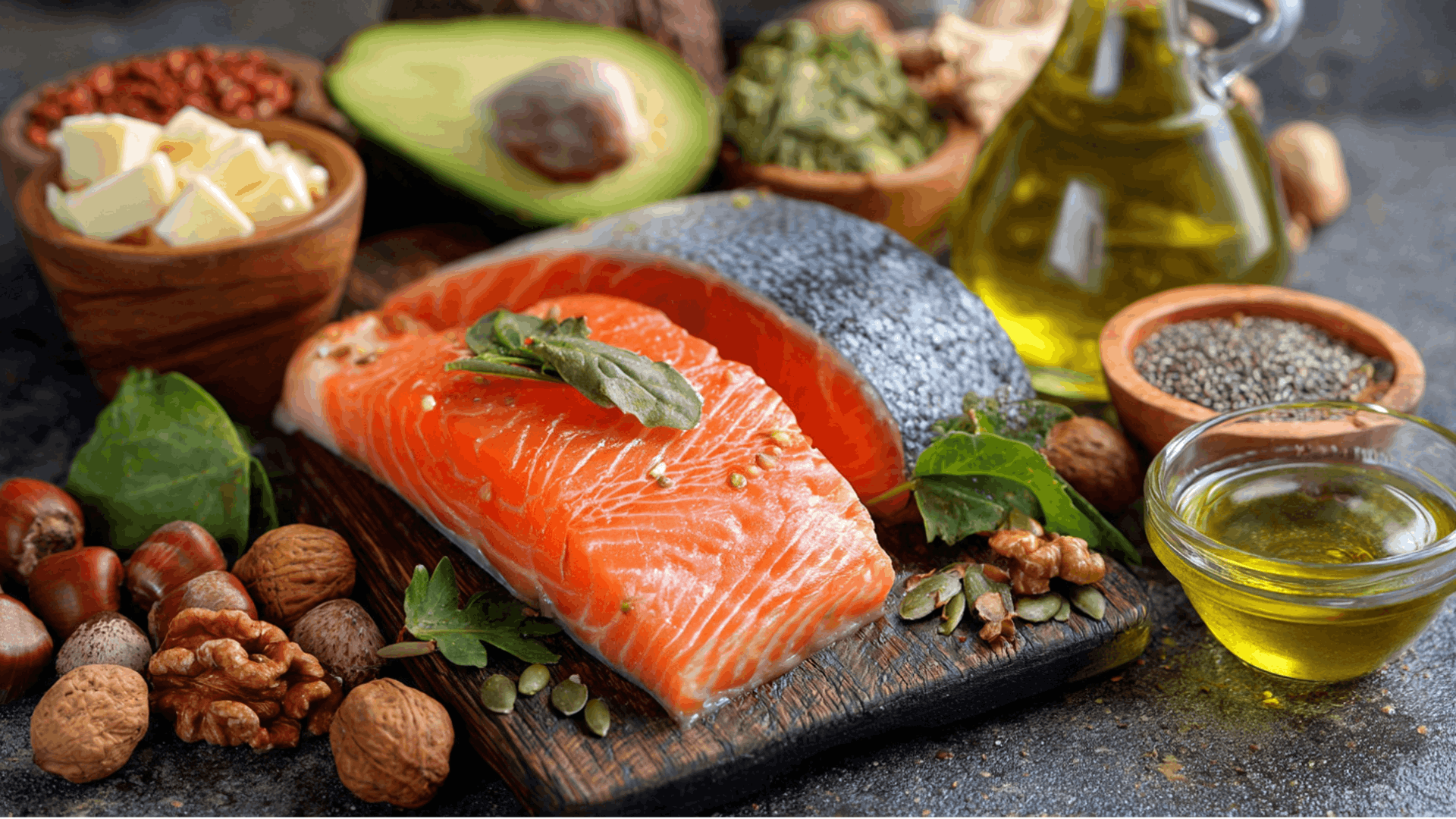



Metabolism is the engine that powers every cell in your body, converting the food you eat into the energy you need to think, move, grow, and heal. It’s a complex network of chemical reactions that never stops, working quietly behind the scenes to keep you alive and thriving. But metabolism is more than just a buzzword linked to weight loss — it’s the foundation of your health, influencing everything from how your body uses fuel to how well your organs function.
Understanding metabolism helps you unlock the secrets to managing your weight, boosting your energy levels, and supporting overall wellness. Whether you’re trying to lose weight, gain muscle, or simply feel better day to day, knowing how your metabolism works can guide you toward smarter choices.
At its core, metabolism is a delicate balance between two opposing processes: catabolism, which breaks down food molecules to release energy, and anabolism, which uses that energy to build and repair tissues. This balance shifts constantly based on what you eat, how active you are, and even how well you sleep.
One of the biggest factors influencing metabolism is your basal metabolic rate (BMR) — the calories your body burns at rest just to keep vital functions like breathing and circulation going. BMR accounts for up to 70% of your daily calorie burn, and it’s shaped by factors such as age, muscle mass, genetics, and hormone levels. Muscle, for example, burns more calories than fat even when you’re not moving, which means building muscle can give your metabolism a helpful boost.
But metabolism isn’t just about calories. It’s about how your body processes different fuels — glucose from carbs, fatty acids from fats, and amino acids from proteins — through intricate pathways like glycolysis and the citric acid cycle. These pathways generate ATP, the energy currency of cells, powering everything from muscle contractions to brain function.
In this article, you’ll discover how metabolism works at the molecular level, how it influences your weight and energy, and practical, science-backed strategies to support a healthy metabolism. From the role of hormones like insulin and thyroid hormones to the impact of exercise, diet, and sleep, we cover it all.
We’ll also explore common myths about metabolism, explain why "fast" and "slow" metabolisms are often misunderstood, and highlight how metabolism plays a role in health conditions and diseases.
Ready to dive into the fascinating world of metabolism and learn how to harness its power for your health? Keep reading to uncover everything you need to know to fuel your body efficiently and live your best life.