

Posts tagged metabolism
High Blood Sugar Symptoms: How to Recognize, Treat, and Prevent Hyperglycemia

High blood sugar symptoms can be easy to miss at first. You may feel thirstier than usual, need to urinate more often, or notice that your energy is fading. These changes can develop gradually, and some people have no obvious warning signs at all. Recognizing symptoms early—and checking your glucose rather than guessing—can help you take the right next step.

Hyperglycemia, or high blood sugar, happens when glucose builds up in the bloodstream because the body doesn’t have enough effective insulin. It can affect people with type 1, type 2, or gestational diabetes. Illness and certain medications can also raise blood sugar, including in people without a diabetes diagnosis.

Frequent urination and intense thirst often appear together. When glucose levels are high, the kidneys work to remove excess sugar through urine, taking fluid with it. That fluid loss can leave you dehydrated and thirsty. Other possible signs include fatigue, blurred vision, slow-healing cuts, and repeated infections. Unexplained weight loss can happen when the body can’t use glucose properly and begins breaking down fat for energy.

Symptoms alone cannot confirm hyperglycemia. A blood glucose meter, continuous glucose monitor, or laboratory test is the reliable way to know your level. Very high blood sugar can lead to diabetic ketoacidosis or hyperosmolar hyperglycemic state—serious conditions that need urgent medical care. Repeated vomiting, deep or rapid breathing, fruity-smelling breath, confusion, or difficulty staying awake are emergency warning signs.

What causes blood sugar to rise, and how can you respond safely? Read on to learn how high blood sugar is diagnosed, which symptoms need urgent attention, and what steps can help prevent recurring highs.

Read More
Metabolism: How Your Body Turns Food into Energy

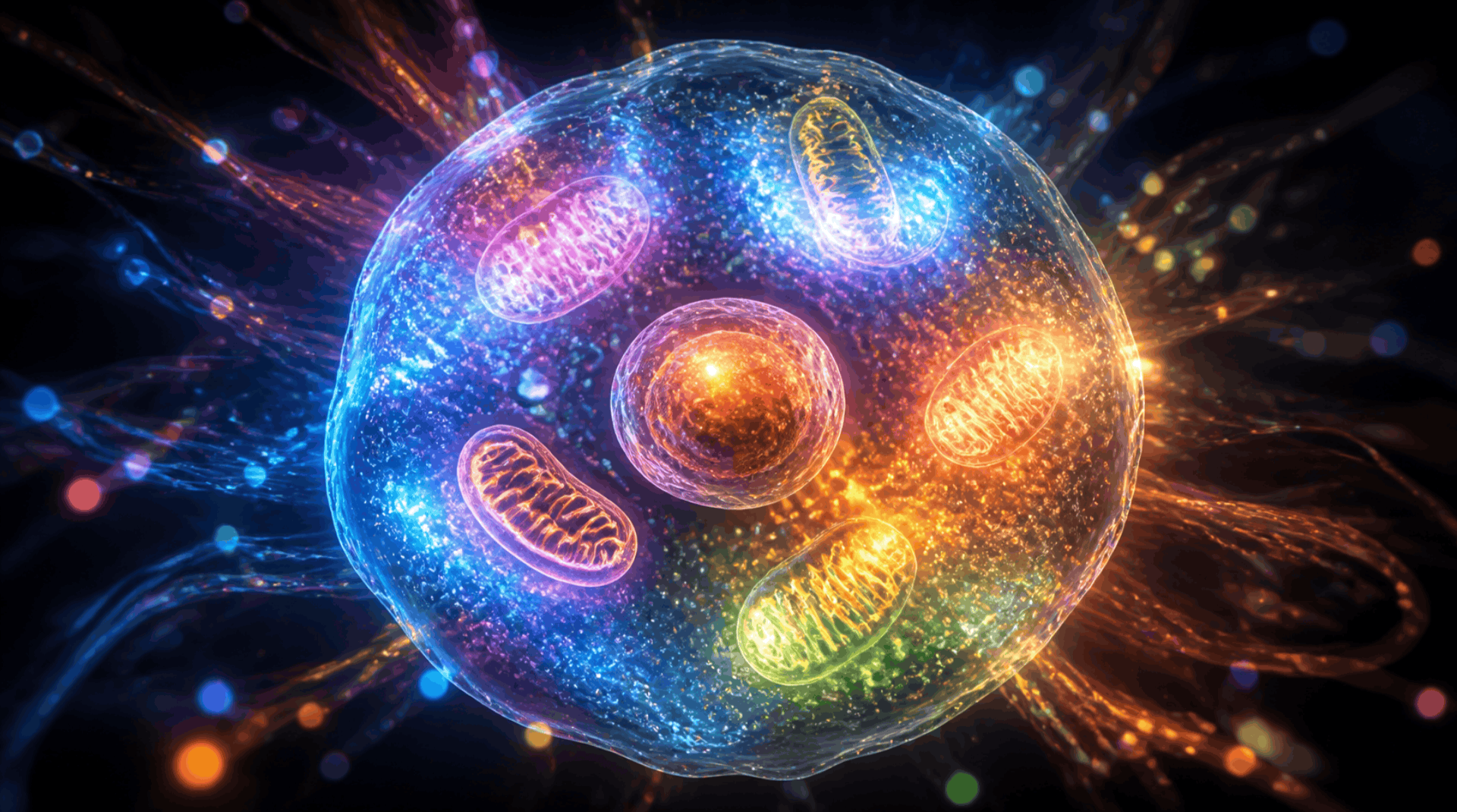
Metabolism is the engine that powers every cell in your body, converting the food you eat into the energy you need to think, move, grow, and heal. It’s a complex network of chemical reactions that never stops, working quietly behind the scenes to keep you alive and thriving. But metabolism is more than just a buzzword linked to weight loss — it’s the foundation of your health, influencing everything from how your body uses fuel to how well your organs function.

Understanding metabolism helps you unlock the secrets to managing your weight, boosting your energy levels, and supporting overall wellness. Whether you’re trying to lose weight, gain muscle, or simply feel better day to day, knowing how your metabolism works can guide you toward smarter choices.

At its core, metabolism is a delicate balance between two opposing processes: catabolism, which breaks down food molecules to release energy, and anabolism, which uses that energy to build and repair tissues. This balance shifts constantly based on what you eat, how active you are, and even how well you sleep.

One of the biggest factors influencing metabolism is your basal metabolic rate (BMR) — the calories your body burns at rest just to keep vital functions like breathing and circulation going. BMR accounts for up to 70% of your daily calorie burn, and it’s shaped by factors such as age, muscle mass, genetics, and hormone levels. Muscle, for example, burns more calories than fat even when you’re not moving, which means building muscle can give your metabolism a helpful boost.

But metabolism isn’t just about calories. It’s about how your body processes different fuels — glucose from carbs, fatty acids from fats, and amino acids from proteins — through intricate pathways like glycolysis and the citric acid cycle. These pathways generate ATP, the energy currency of cells, powering everything from muscle contractions to brain function.

In this article, you’ll discover how metabolism works at the molecular level, how it influences your weight and energy, and practical, science-backed strategies to support a healthy metabolism. From the role of hormones like insulin and thyroid hormones to the impact of exercise, diet, and sleep, we cover it all.

We’ll also explore common myths about metabolism, explain why "fast" and "slow" metabolisms are often misunderstood, and highlight how metabolism plays a role in health conditions and diseases.

Ready to dive into the fascinating world of metabolism and learn how to harness its power for your health? Keep reading to uncover everything you need to know to fuel your body efficiently and live your best life.

Read More