
Understanding Calories: The Calorie Per Gram of Fat Explained
This content was reviewed by Dr. Jil Busmann, PhD to ensure alignment with current nutrition science and evidence‑based education principles.
Dietary fats give the body more energy per gram than any other nutrient. At 9 calories per gram, fat is the most calorie-dense macronutrient and has a large effect on total calorie intake. The trouble comes with eating too much of certain types of fats, particularly saturated and trans fats, which raise LDL ("bad") cholesterol levels and increase the risk of heart disease and obesity.
This guide explains the types of dietary fats, how their calorie content adds up, and practical ways to manage fat intake so you can make informed choices for a balanced and healthy diet.
Key Takeaways
Fat is the most calorie-dense macronutrient at 9 calories per gram, compared to 4 calories per gram for carbohydrates and protein.
Knowing the four types of dietary fats (saturated, trans, monounsaturated, and polyunsaturated) helps you make better choices and protect heart health.
Managing calorie intake from fat supports weight control and lowers the risk of chronic disease. Reading food labels makes healthier choices easier.
Understanding Calories: The Calorie Per Gram of Fat Explained
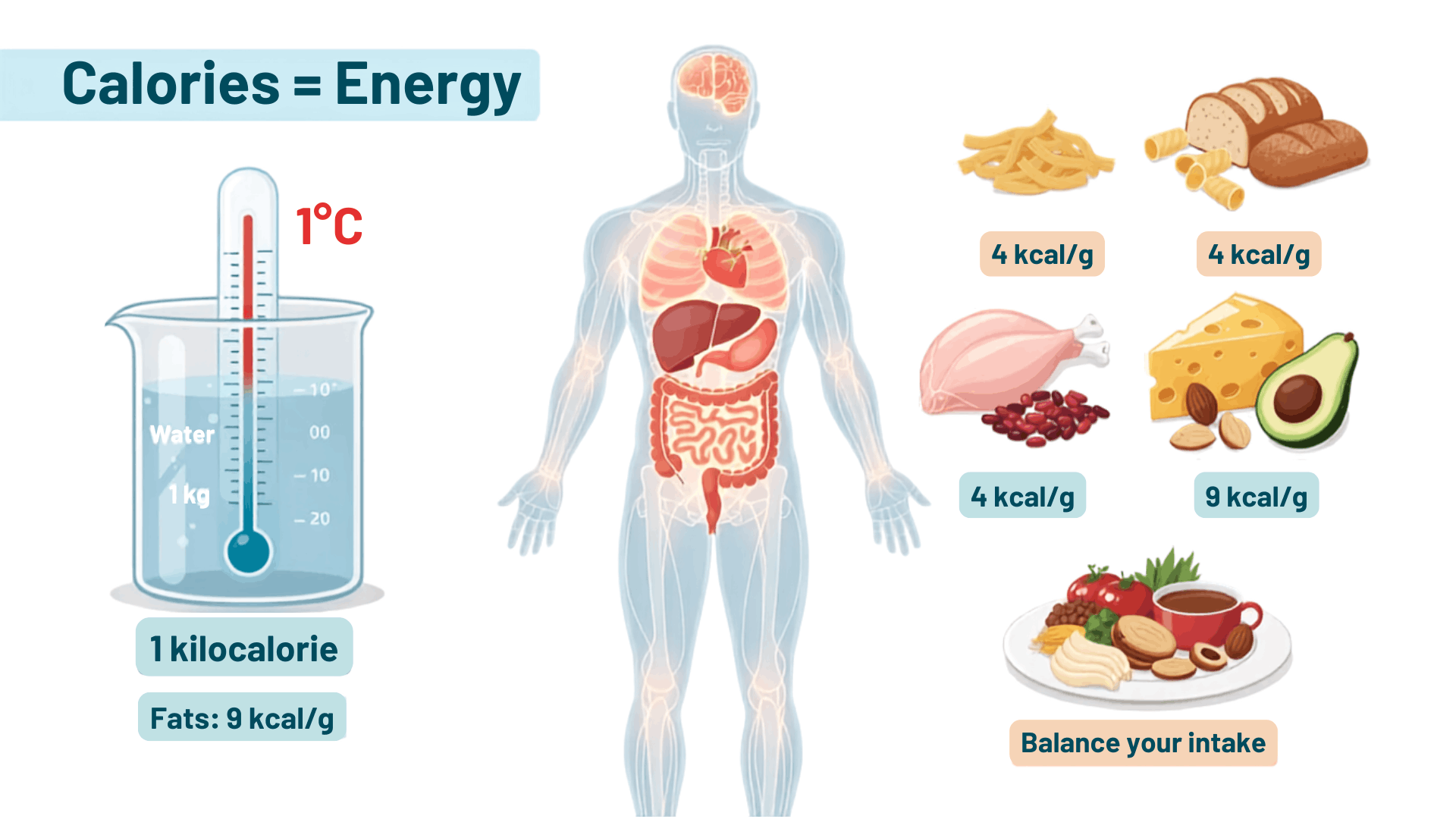
The energy your body runs on comes from the calories in food. On a nutrition label, one "calorie" is technically a kilocalorie: the energy needed to raise the temperature of one kilogram of water by one degree Celsius. A true, or "gram" calorie raises just one gram of water by one degree, but nutrition labels drop the "kilo" for simplicity. Either way, that energy powers everything from thinking to physical activity [1].
Fat carries more energy than the other main nutrients. Every gram provides 9 calories, more than double the 4 calories per gram in carbohydrates and protein. So even modest portions of fatty foods can result in a considerable addition to your daily caloric intake [2].
Knowing how many calories you take in from fat helps you manage your diet and maintain a healthy weight without overindulging in energy-dense foods.
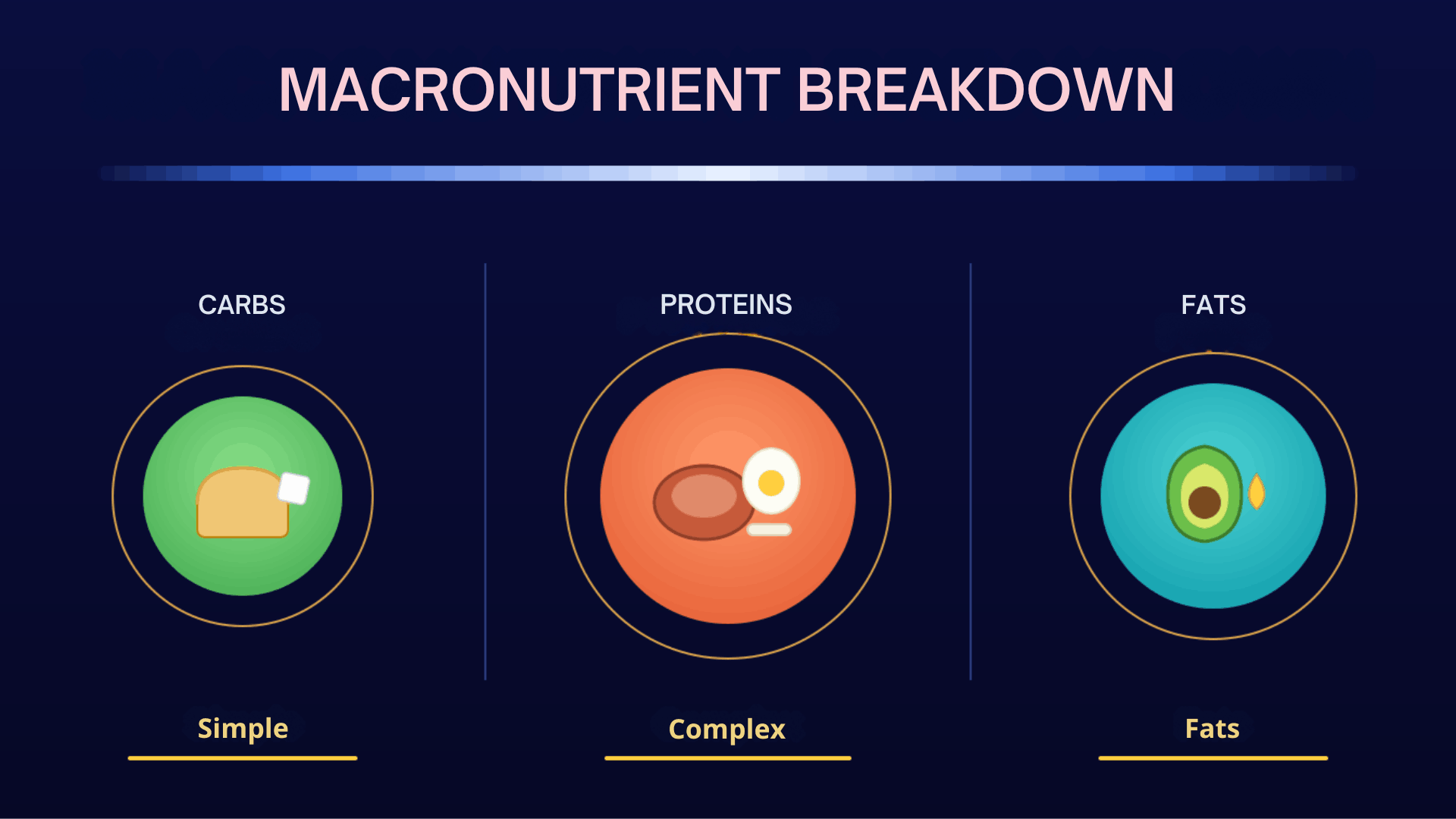
What Are Calories?
Calories are units of energy. They come from the food you eat and fuel core processes like breathing, blood circulation, and movement. Think of them as the body's energy currency [3].
Most packaged foods and restaurant menus list calorie content, which shows how much energy is in each portion. Calorie labels may help people choose lower-energy options, though the evidence so far is limited [4].
Knowing the calories content of different foods lets you balance the energy you take in against the energy you burn though physical activity.
Types of Dietary Fats
There are four main types of dietary fat: saturated, trans, monounsaturated, and polyunsaturated. Each variety has unique properties and impacts on health, so telling them apart helps you making informed choices.
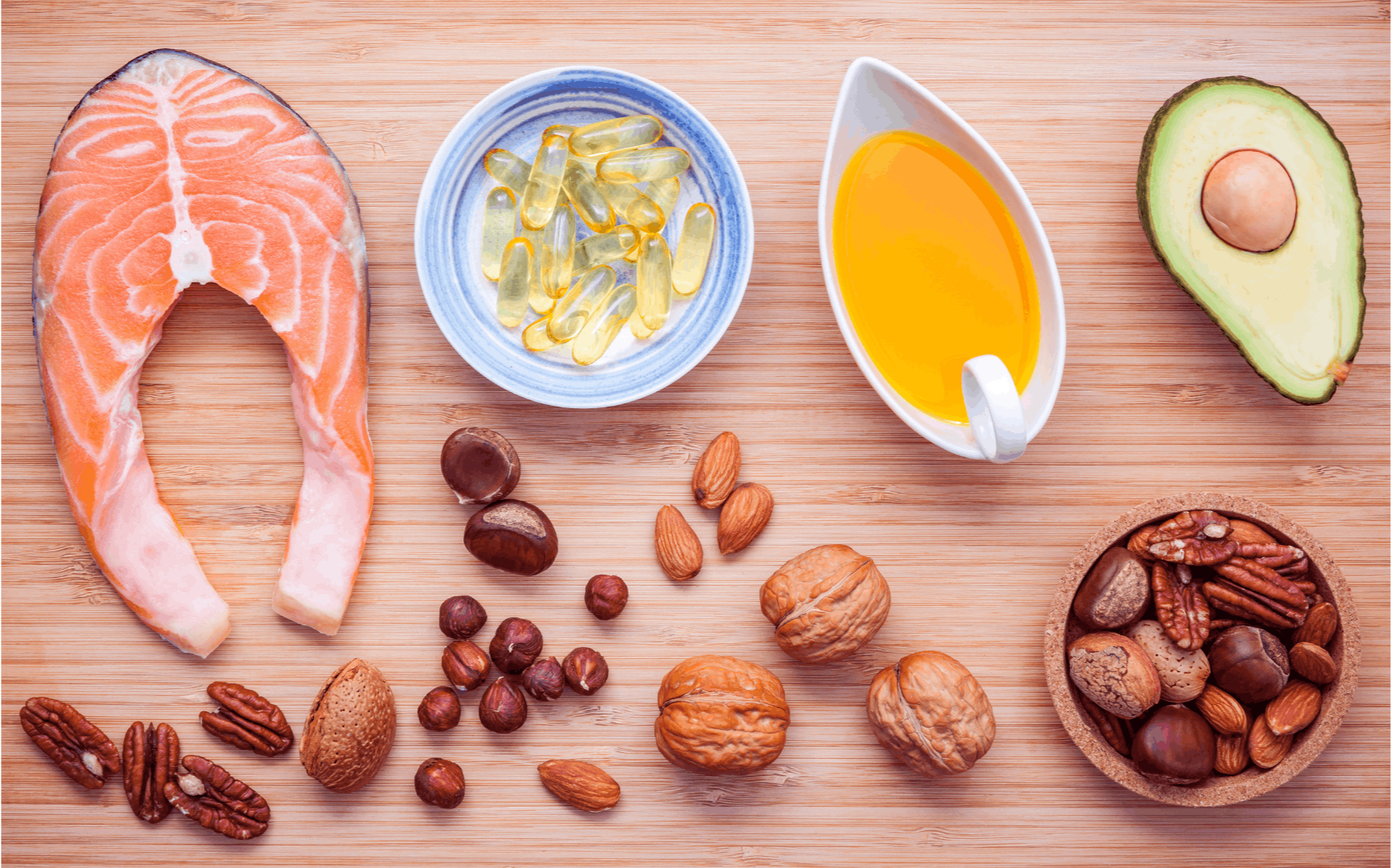
Saturated and trans fats are the ones linked to worse outcomes, mainly by raising harmful cholesterol levels and heart disease risk. Monounsaturated and polyunsaturated fats are the healthier choices: both can lower 'bad' cholesterol, and polyunsaturated fats supply the essential fatty acids the body cannot make on its own, including those important for brain development [2,5].
Saturated Fats
Saturated fats come mostly from animal foods like butter, lard, and fatty meat, though a few plant oils, mainly coconut and palm oil, are high in them too. They stay solid at room temperature and raise LDL cholesterol, the "bad" kind. High LDL raises heart disease risk, so keeping saturated fat intake moderate protects your heart [6].
Trans Fats
Trans fats form through hydrogenation, which adds hydrogen to unsaturated fats to make them more solid. Artificial trans fats show up in processed foods such as some margarines, packaged snacks, and baked goods. Small amounts occur naturally in dairy and meat [7].
Eating trans fats raises "bad" cholesterol and increases cardiovascular disease risk, so health authorities advice keeping them low. Checking food labels for trans fat and picking better alternatives is the simplest way to cut back.
Monounsaturated Fats
Plant oils like olive oil and canola oil are rich in monounsaturated fats. They stay liquid at room temperature and can lower harmful cholesterol while keeping beneficial cholesterol intact. Diets higher in monounsaturated fat are linked to better heart health [8].
Cooking with olive or canola oil, or using them in dressings, is an easy way to work more monounsaturated fat into your meals and support your heart [9].
Polyunsaturated Fats
Polyunsaturated fats include the omega-3 and omega-6 fatty acids, which support brain health, and the omega-3s among them help reduce inflammation. Unlike saturated fats, they stay fluid and flexible. One important omega-3, alpha-linolenic acid (ALA), is found in plant foods such as flax [5]. The longer-chain omega-3s eicosapentaenoic acid (EPA) and docosahexaenoic acid (DHA) come mainly from oily fish.
Balancing omega-3 and omega-6 intake matters for health. Foods rich in polyunsaturated fats, like fish, walnuts, and flaxseed, help maintain that balance, support brain function, and lower the risk of chronic disease.
How to Manage Caloric Intake from Fats

Maintaining a healthy weight and promoting overall health means paying attention to how much fat you eat and what kind. The fat in healthy foods tends to be unsaturated, the type found in nuts and avocados, rather than saturated. Nutrition guidance often defines a low-fat diet as one providing under 30% of daily calories from fat [10].
Reading labels is the easiest way to track fat intake. Check the "big four": total fat, saturated fat, sugar, and salt. The per-100g column lets you compare products fairly easy.
Keep in mind that the portion size printed on a label may not match what you actually eat, so adjust accordingly to avoid overconsumption.
Impact of Excessive Fat Consumption
Eating too much unhealthy fat can lead to a range of chronic health problems. A diet high in saturated and trans fats raises 'bad' cholesterol and heart disease risk [6]. The American Heart Association recommends limiting saturated fat to about 5-6% of daily calories for people with high LDL cholesterol, and under 10% for the general population, to lower heart disease risk [6].
Excess weight can hurt lung function and raise the risk of sleep apnea. Obesity is also a major risk factor for fatty liver disease, which can progress to serious liver damage, and for type 2 diabetes, cardiovascular disease, and several cancers [11].
Managing fat intake lowers these risks and improves quality of life.
Healthy Diet Tips
Healthy fats can benefit your health when they fit into a balance diet. High-fat eating patterns like the Mediterranean diet are linked to better heart health. Guidelines suggest fat should make up 20% to 35% of your daily calories. Round out the picture by favoring whole grains, cutting added sugars, and going easy on refined carbohydrates [12].
Reading labels and understanding the nutrition information is key to better choices. The USDA advises that adults get 10% to 35% of daily calories from protein, so aim for a balanced mix of macronutrients [13].
Following these guidelines while eating a varied, nutrient-rich diet helps keep your weight stable and lowers the risk of diet-related chronic disease.
Common Myths About Fats
Not all fats are equal, and the idea that "all fats are bad" is a myth. Fats are essential for brain function, hormone production, energy balance, and for absorbing fat-soluble vitamins (A, D, E, and K). What matters is the type. Healthy fats in avocados, nuts, and fish support heart health, while too much trans and saturated fat raises cholesterol and chronic disease risk. A low-fat diet isn't automatically the answer. Including good fats in moderation is the smarter path to a balanced diet [15].
Summary
Understanding both the calorie content of fats and their role in the body is central to keeping a healthy weight. Because each gram of fat carries more than double the calories of protein or carbohydrate, fat weighs heavily in your daily total. Telling saturated, trans, monounsaturated, and polyunsaturated fats apart lets you make choices that serve your health.
Work healthy fats like plant oils into your diet while keeping overall calories in check, and stay aware of how too much fat affects your health. Moderation and variety are what keep a diet sound, giving your body the mix of nutrients it needs.
Frequently Asked Questions
How many calories are in 1g of fat?
There are 9 calories in 1 gram of fat, more than the 4 calories per gram in carbohydrates and protein.
How many calories per gram do fats provide?
About 9 calories per gram, which makes fat the most calorie-dense macronutrient.
What are the health risks associated with consuming too much fat?
Too much fat raises the risk of chronic diseases including heart disease, fatty liver disease, type 2 diabetes, and certain cancers, so managing intake supports both weight and health.
What are the differences between saturated and unsaturated fats?
Saturated fats are solid at room temperature and can raise "bad" cholesterol. Unsaturated fats are usually liquid and can improve cholesterol, so they are the better choice for heart health.
How can I manage my caloric intake from fats?
Read food labels, choose lower-fat options where it makes sense, and watch portion sizes to keep a balanced diet without excess fat.
Disclaimer
The information provided in this article is for educational and informational purposes only and is not intended as medical advice. While we work diligently to provide accurate and up-to-date information, we make no representations or warranties of any kind, express or implied, about the completeness, accuracy, reliability, suitability, or availability with respect to the content. The information contained herein should not be used as a substitute for the advice of an appropriately qualified and licensed physician or other healthcare provider. The suggestions and insights should not be used for diagnosing or treating a health problem or disease, or prescribing any medication. Always seek the advice of your physician or other qualified health provider with any questions you may have regarding a medical condition or treatment and before undertaking a new health care regimen. Never disregard professional medical advice or delay in seeking it because of something you have read on this site.
References
Osilla EV et al., 2022. Calories. In: StatPearls. Treasure Island (FL): StatPearls Publishing; 2022. Available from: https://www.ncbi.nlm.nih.gov/books/NBK499909/
Espinosa-Salas S, Gonzalez-Arias M, 2023. Nutrition: macronutrient intake, imbalances, and interventions. In: StatPearls. Treasure Island (FL): StatPearls Publishing; 2023. Available from: https://www.ncbi.nlm.nih.gov/books/NBK594226/
Southern Cross University, 2023. Calories, kilojoules and food energy. Available from: https://www.scu.edu.au/news/2023/calories-kilojules-and-food-energy/
Crockett RA et al., 2018. Nutritional labelling for healthier food or non-alcoholic drink purchasing and consumption. Cochrane Database Syst Rev. 2018 Feb 27;(2):CD009315.
National Institutes of Health, Office of Dietary Supplements, n.d. Omega-3 fatty acids: fact sheet for health professionals. Available from: https://ods.od.nih.gov/factsheets/Omega3FattyAcids-HealthProfessional/
Sacks FM et al., 2017. Dietary fats and cardiovascular disease: a presidential advisory from the American Heart Association. Circulation. 2017 Jul 18;136(3):e1–e23.
Pipoyan D et al., 2021. The effect of trans fatty acids on human health: regulation and consumption patterns. Foods. 2021 Oct 14;10(10):2452.
Pérez-Jiménez F et al., 2002. Protective effect of dietary monounsaturated fat on arteriosclerosis: beyond cholesterol. Atherosclerosis. 2002 Aug;163(2):385–398.
Schwingshackl L, Hoffmann G, 2014. Monounsaturated fatty acids, olive oil and health status: a systematic review and meta-analysis of cohort studies. Lipids Health Dis. 2014;13:154.
Daley SF, Goldin J, 2026. Low-fat diet. In: StatPearls. Treasure Island (FL): StatPearls Publishing; 2026. Available from: https://www.ncbi.nlm.nih.gov/books/NBK553097/
Fan R et al., 2018. Association between body mass index and fatty liver risk: a dose-response analysis. Sci Rep. 2018;8:15273.
Liu AG et al., 2017. A healthy approach to dietary fats: understanding the science and taking action to reduce consumer confusion. Nutr J. 2017 Aug 30;16(1):53.
University of California, Davis, Department of Nutrition, n.d. Protein requirements [nutrition and health info sheet]. Available from: https://nutrition.ucdavis.edu/outreach/nutr-health-info-sheets/pro-protein-requirements
World Cancer Research Fund, n.d. What is the healthiest cooking method? Available from: https://www.wcrf.org/about-us/news-and-blogs/what-is-the-healthiest-cooking-method/
Field CJ, Robinson L, 2019. Dietary fats. Adv Nutr. 2019 Jul 1;10(4):722–724.


High blood pressure is a common health concern that significantly increases the risk of heart disease, stroke, and kidney problems. One of the simplest yet most effective ways to manage blood pressure is by starting your day with a heart-healthy breakfast. This article presents 15 easy and delicious breakfast recipes designed to support healthy blood pressure levels, all based on the proven principles of the DASH diet.
The DASH diet emphasizes eating foods rich in potassium, magnesium, calcium, and fiber while limiting sodium and unhealthy fats. These nutrients work together to help relax blood vessel walls, improve blood flow, and reduce the strain on your heart. By incorporating whole grains, fresh fruits, vegetables, low-fat dairy, and healthy fats into your morning meal, you can make a meaningful impact on your cardiovascular health.
Among the featured recipes are favorites like overnight oats topped with berries and nuts, Greek yogurt parfaits loaded with probiotics and antioxidants, and avocado toast on whole grain bread. Each recipe is quick to prepare, making it easy to maintain a consistent, heart-healthy breakfast routine even on busy mornings. Additionally, smoothie bowls packed with spinach, banana, and almond butter provide a nutrient-dense option for those who prefer a lighter start to the day.
The article also highlights the importance of avoiding common breakfast pitfalls such as processed meats, sugary cereals, and high-sodium packaged foods, which can elevate blood pressure and undermine your health goals. Instead, it encourages the use of herbs and spices to add flavor without salt and suggests low salt snacks and beverages like hibiscus tea and green tea that may offer additional blood pressure benefits.
Whether you’re newly diagnosed with hypertension or simply looking to improve your heart health, these recipes and tips offer practical, evidence-based guidance to help you take control of your blood pressure through nutrition. The article also addresses common questions about breakfast choices, including the role of eggs, coffee, and dark chocolate in a blood pressure-friendly diet.
Ready to transform your mornings and support your heart health? Dive into these 15 high blood pressure breakfast recipes and discover how small changes can lead to big benefits. Your heart will thank you for it!