
Posts tagged Healthy Lifestyle
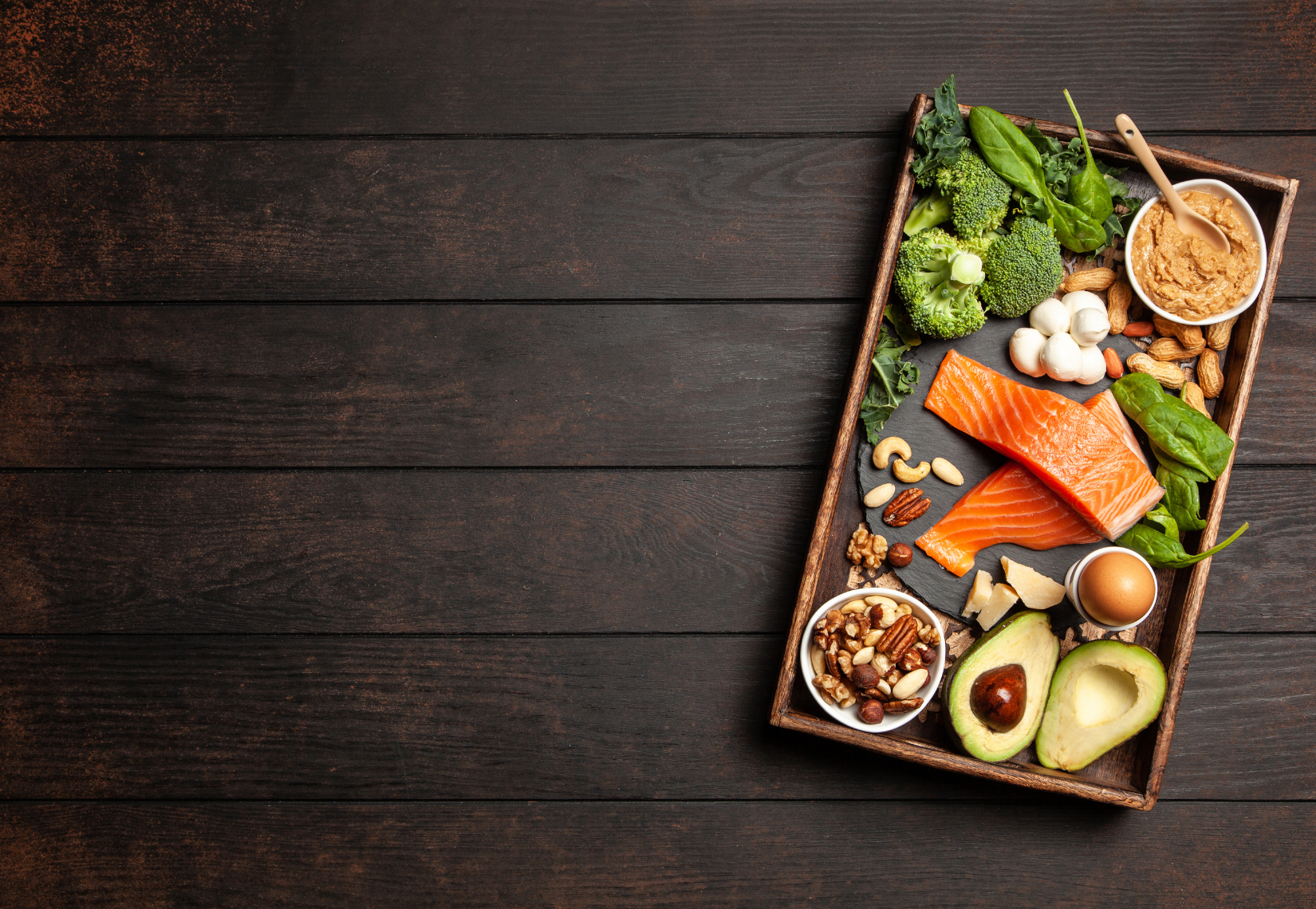
Understanding Calories: The Calorie Per Gram of Fat Explained

Dietary fats play a crucial role in our health, providing essential energy but also posing challenges when consumed in excess. With 9 calories per gram, fats are the most calorie-dense macronutrient, significantly influencing total caloric intake. The problem lies in the overconsumption of fats, such as saturated and trans-fats, which elevate LDL ("bad") cholesterol levels and heighten the risk of chronic conditions like heart disease and obesity.

This guide focuses on understanding the different types of fats, their caloric impact, and practical strategies to manage fat intake, helping individuals make informed choices for a balanced and healthy diet.

Read More
Foods High in Quercetin: Top Sources, Benefits, and How to Use Them

Discover the remarkable world of quercetin, a powerful flavonoid antioxidant found abundantly in everyday colorful fruits, vegetables, and herbs. From the vibrant red onions and crisp apples to the tangy capers and antioxidant-rich berries, quercetin is nature’s secret weapon for supporting your health. This naturally occurring compound plays a crucial role in neutralizing harmful free radicals, promoting a healthy inflammatory response, and supporting cardiovascular and immune health.

Imagine enhancing your meals with foods that not only delight your taste buds but also provide therapeutic effects that could help maintain healthy blood pressure, support brain function, and potentially reduce the risk of chronic diseases. Quercetin-rich foods are more than just ingredients; they are allies in your journey toward wellness.

But did you know that how you prepare these foods can significantly impact their quercetin content? Cooking methods like boiling may reduce quercetin levels by up to 30%, while techniques such as steaming, roasting, or microwaving without water help preserve this valuable nutrient. Pairing quercetin-rich foods with healthy fats or vitamin C-packed ingredients can further enhance absorption, making your meals both delicious and nutritionally potent.

For those seeking an extra boost, quercetin supplements offer a convenient option, with recommended doses typically ranging from 500 to 1,000 mg per day. However, it is essential to be mindful of dosage and consult with healthcare professionals, especially since excessive intake might affect kidney health. The natural synergy of quercetin in whole foods often provides a safer, more balanced approach to harnessing its health benefits.

Whether you’re interested in supporting heart health, managing inflammation, or simply embracing a diet rich in antioxidants, understanding foods high in quercetin empowers you to make informed choices. This article dives deep into the top sources of quercetin, how to maximize its benefits through preparation, and the latest insights into its health effects.

Ready to unlock the potential of quercetin and transform your diet into a vibrant, health-enhancing experience? Explore the full guide to discover practical tips, delicious food ideas, and evidence-based knowledge that can help you thrive naturally. Your journey to better health starts here—let quercetin be part of your everyday wellness strategy.

Read More
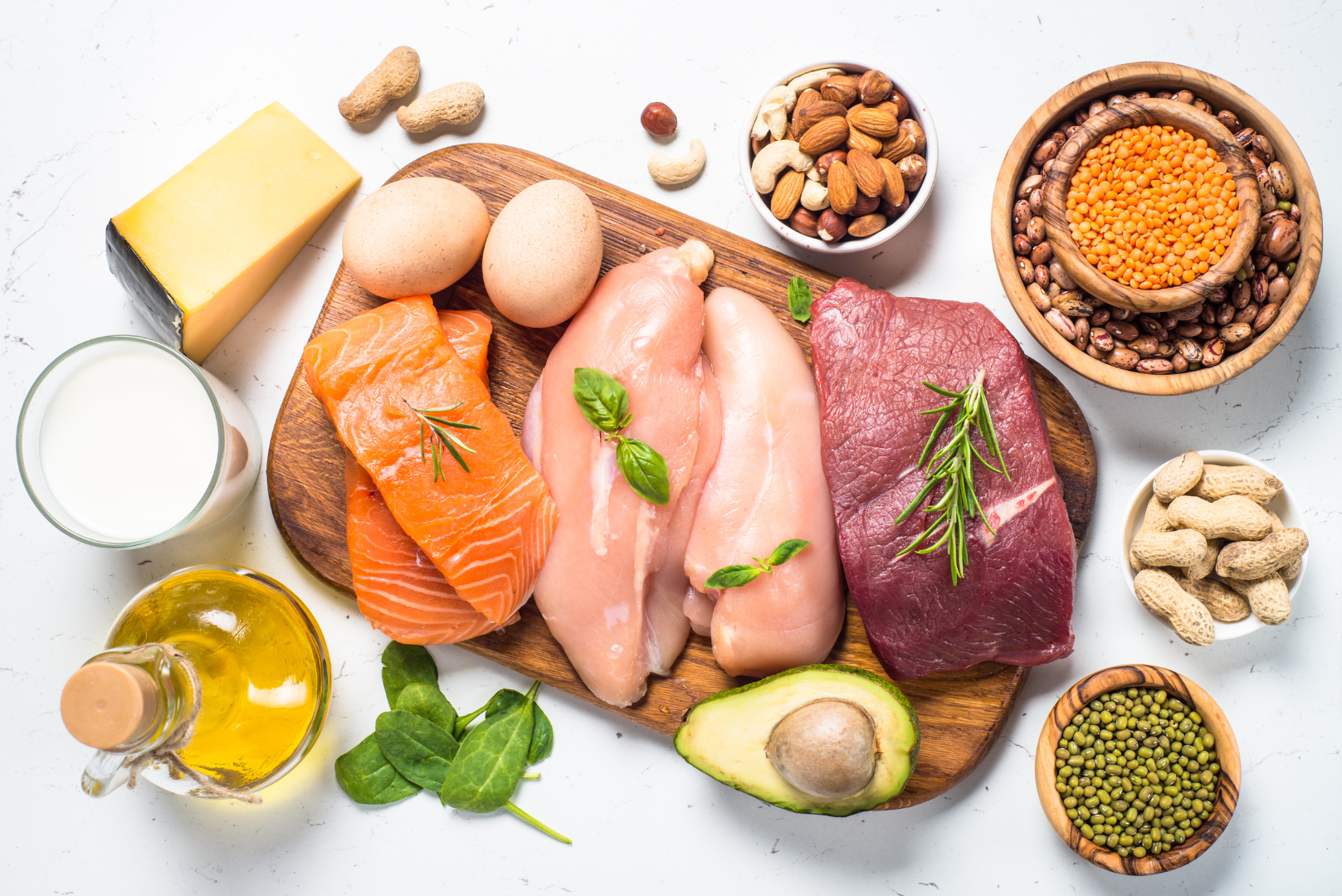
How Many Grams of Protein Do You Need Per Day? A Practical Guide

Protein is a vital nutrient made of amino acids, often called the building blocks of the body, and includes nine essential amino acids that the body cannot produce and must obtain through dietary protein. The recommended dietary allowance (RDA) for protein intake for an average sedentary adult is 0.8 grams per kilogram of body weight, which translates to about 60 grams of protein per day for a person weighing 165 pounds (75 kilograms). (1)

For minimal/light activity, the recommendation is 1.0 gram of protein per kilogram of body weight. (1) Active individuals, including athletes, may require 1.2 to 2 grams of protein per kilogram of body weight per day, depending on their level of activity. (2)

Protein provides amino acids that help build and repair muscle, skin, hair, and other tissues, while also supporting muscle recovery, immune system function, and overall health. Animal-based protein sources include dairy products, eggs, fish, poultry, and red meat, while plant-based sources include beans, lentils, nuts, seeds, whole grains, and soy products.

This guide is for anyone interested that wants to consume protein to optimize their health, fitness, or nutrition by understanding how much protein they need each day. Knowing your daily protein needs can help you gain and maintain muscle mass, support recovery, and achieve your health or fitness goals.

Read More
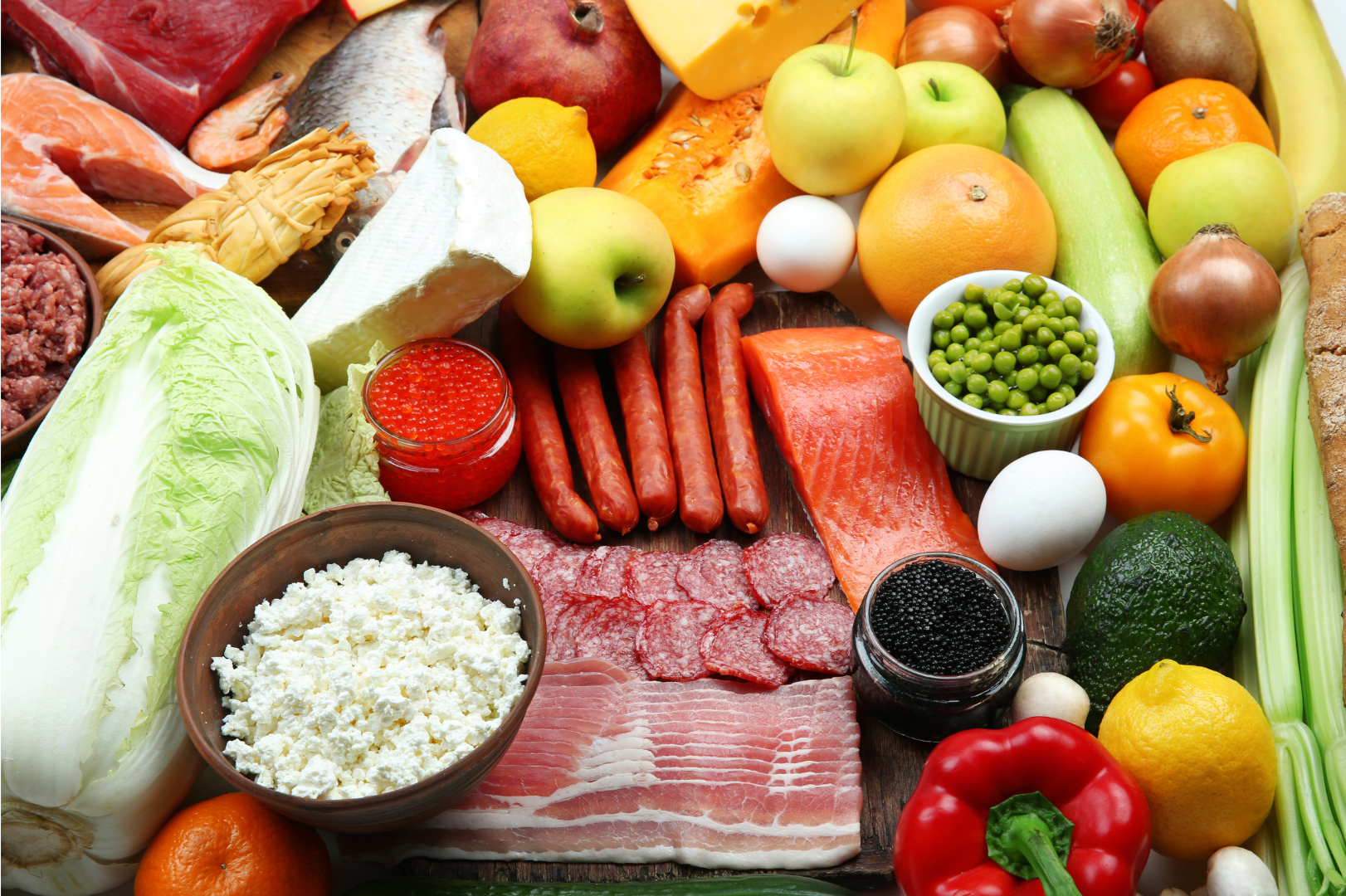
Top Tips for Incorporating Healthier Food into Your Daily Meals

Are you tired of feeling overwhelmed by confusing nutrition advice? You’re not alone—95% of people feel the same way. Navigating the world of healthy eating can seem complicated, with endless diet trends, conflicting information, and labels that read like a foreign language. But what if healthy eating didn’t have to be this hard?

Imagine a straightforward, real-food approach that helps you build balanced meals, supports your energy, and promotes long-term well-being—without the stress or confusion. Our comprehensive guide, Top Tips for Incorporating Healthier Food into Your Daily Meals, brings together evidence-based nutrition principles and practical strategies that anyone can follow.

Discover how to embrace variety and color on your plate, focusing on nutrient-dense whole foods like fresh fruits, vegetables, whole grains, and lean proteins. Learn why incorporating healthy fats such as avocados, nuts, and olive oil can boost your heart health and enhance nutrient absorption. We break down the essentials of building balanced meals that satisfy your taste buds and nourish your body.

You’ll also find simple tips for increasing your intake of plant-rich foods, including clever ways to add vegetables to breakfast or boost fiber with whole grains. Curious about protein? We cover both animal and plant-based sources, explaining how to choose options that support muscle maintenance and keep you full longer. Plus, we explain how to reduce added sugars and refined carbs without sacrificing flavor.

This guide isn’t about rigid rules or unrealistic diets—it’s about sustainable habits that fit your lifestyle and preferences. Whether you’re a busy professional, a parent juggling mealtimes, or simply someone ready to make smarter food choices, this article offers approachable advice to help you feel confident and empowered.

Ready to cut through the noise and take control of your nutrition? Click through to read the full article and start your journey toward healthier eating today. Say goodbye to diet confusion and hello to a balanced, enjoyable way of nourishing your body for the long haul!

Read More