Posts tagged Diet
Diabetic Diets: How to Build an Eating Plan That Controls Blood Sugar

Diabetic diets for patients with Type 2 diabetes are not about bland food, strict deprivation, elimination of important food groups, or buying special “diabetic” products. Managing your diet is one of the most effective ways to control blood sugar and reduce the risk of diabetes complications. This guide is intended for individuals with Type 2 diabetes and is best used in collaboration with a licensed or qualified healthcare professional, such as a registered dietitian or diabetes care specialist. The right approach is a practical eating plan built around regular meals, portion control, healthy whole rich foods, and steady blood glucose.

In this guide, you will learn how a diabetes diet can work for you, which food choices matter most, how to use the diabetes plate method, and how different eating patterns like the Mediterranean diet, DASH, flexitarian, and vegan diet can support diabetes management.

Read More
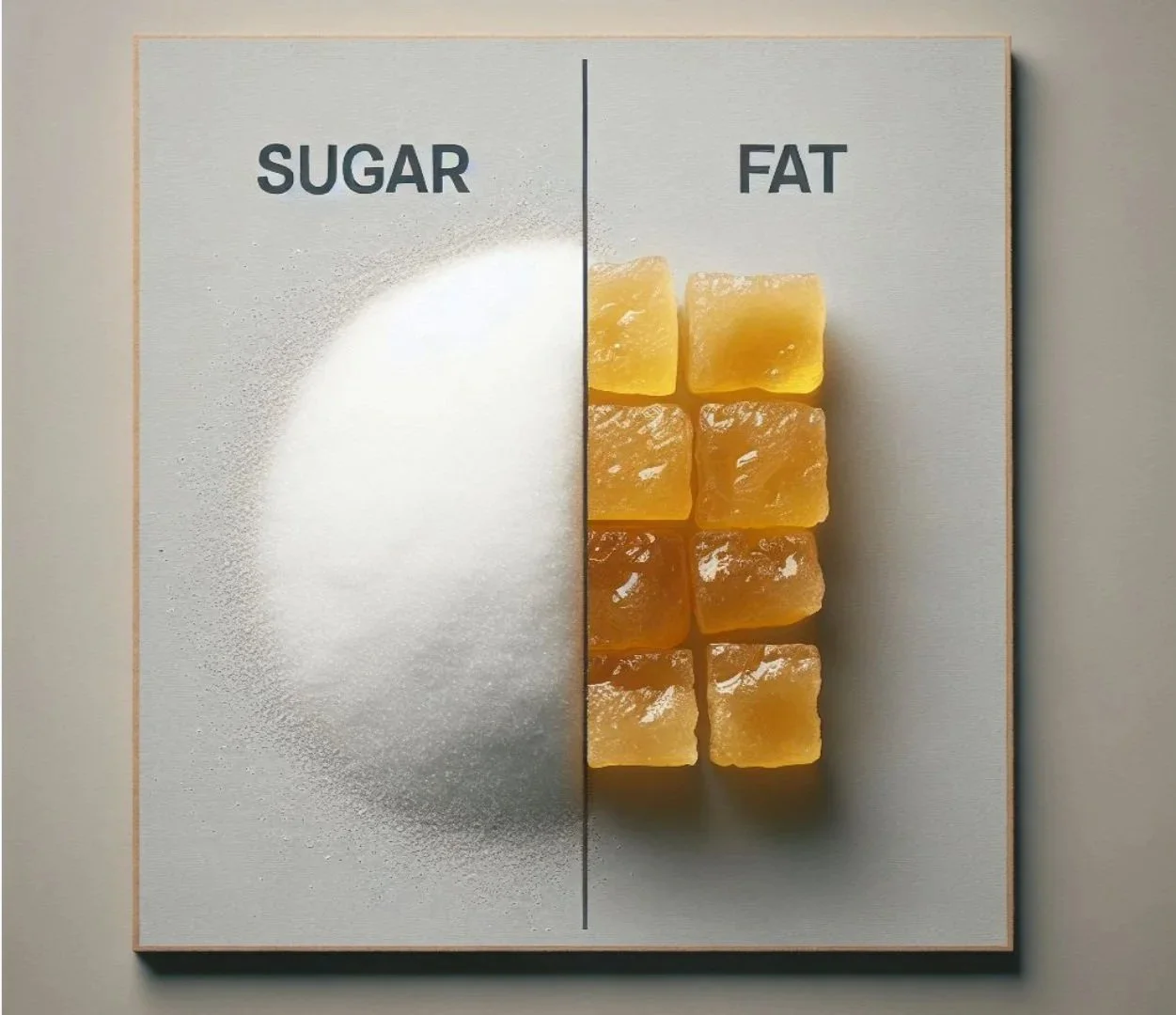
Is Saturated Fat or Sugar Worse for Your Health?

In today's world, the debate over whether saturated fat or sugar is worse for your health is more relevant than ever. Both have been linked to significant health issues, including heart disease, obesity, and metabolic disorders. This article offers an in-depth exploration of the distinct ways each of these dietary components impacts your health, aiming to provide clarity and actionable advice for making informed food choices.

Saturated fats, commonly found in fatty meats, full-fat dairy products, and tropical oils like coconut and palm oil, are known to raise LDL cholesterol levels, which can increase the risk of heart disease. However, not all sources of saturated fat are equally harmful. Some dairy products may not elevate the risk of coronary heart disease and might even offer health benefits. The article underscores the importance of understanding the sources of saturated fats and how they affect your body, recommending a daily intake limit to reduce heart disease risk.

On the other hand, added sugars, prevalent in processed foods and sugary drinks, contribute significantly to obesity and other health problems. High sugar intake is linked to increased cardiovascular disease risk and can lead to insulin resistance, a precursor to type 2 diabetes. By reducing sugar consumption, individuals can manage their weight more effectively and improve their overall health.

The article also highlights the benefits of incorporating unsaturated fats into your diet. These healthier fats, found in foods like olive oil, nuts, and oily fish, can lower LDL cholesterol levels and reduce the risk of cardiovascular disease. By replacing saturated fats with unsaturated fats, you can enhance your heart health and overall well-being.

Furthermore, the article provides practical dietary guidelines and recommendations, emphasizing the importance of a balanced diet that limits both saturated fats and added sugars. It encourages readers to make healthier food choices by examining food labels and opting for nutrient-rich foods. By making these informed choices, you can significantly improve your cardiovascular health and reduce the risk of chronic diseases.

In summary, this article offers a comprehensive look at the health implications of saturated fat and sugar, providing valuable insights and strategies for maintaining a balanced diet. By understanding the effects of these dietary components and adhering to recommended guidelines, you can take proactive steps toward achieving optimal health. Dive into the full article to uncover more about how you can balance these elements in your diet and make informed decisions for a healthier lifestyle.

Read More
Understanding Types of Fats: Quick Guide to Healthy Choices

In today's health-conscious world, understanding the different types of dietary fats is crucial for making informed food choices that promote overall wellness. The article "Understanding the Type of Fats: A Quick Guide to Healthy Choices" delves into the essential role fats play in our diet, distinguishing between the good, the bad, and the in-between fats that impact our health.

Dietary fats are not just a source of energy; they are vital for hormone production, nutrient absorption, and maintaining cell function. However, not all fats are created equal. The article highlights the importance of differentiating between harmful fats, like saturated and trans fats, which can elevate LDL cholesterol and increase the risk of heart disease, and beneficial fats, such as monounsaturated and polyunsaturated fats, which support heart health and overall wellness.

Saturated fats, found in animal products and certain tropical oils, are solid at room temperature and can raise bad cholesterol levels, increasing cardiovascular risks. Trans fats, often present in processed foods, pose even greater health risks by elevating LDL cholesterol while lowering HDL cholesterol. The article emphasizes the need to limit these unhealthy fats in our diet.

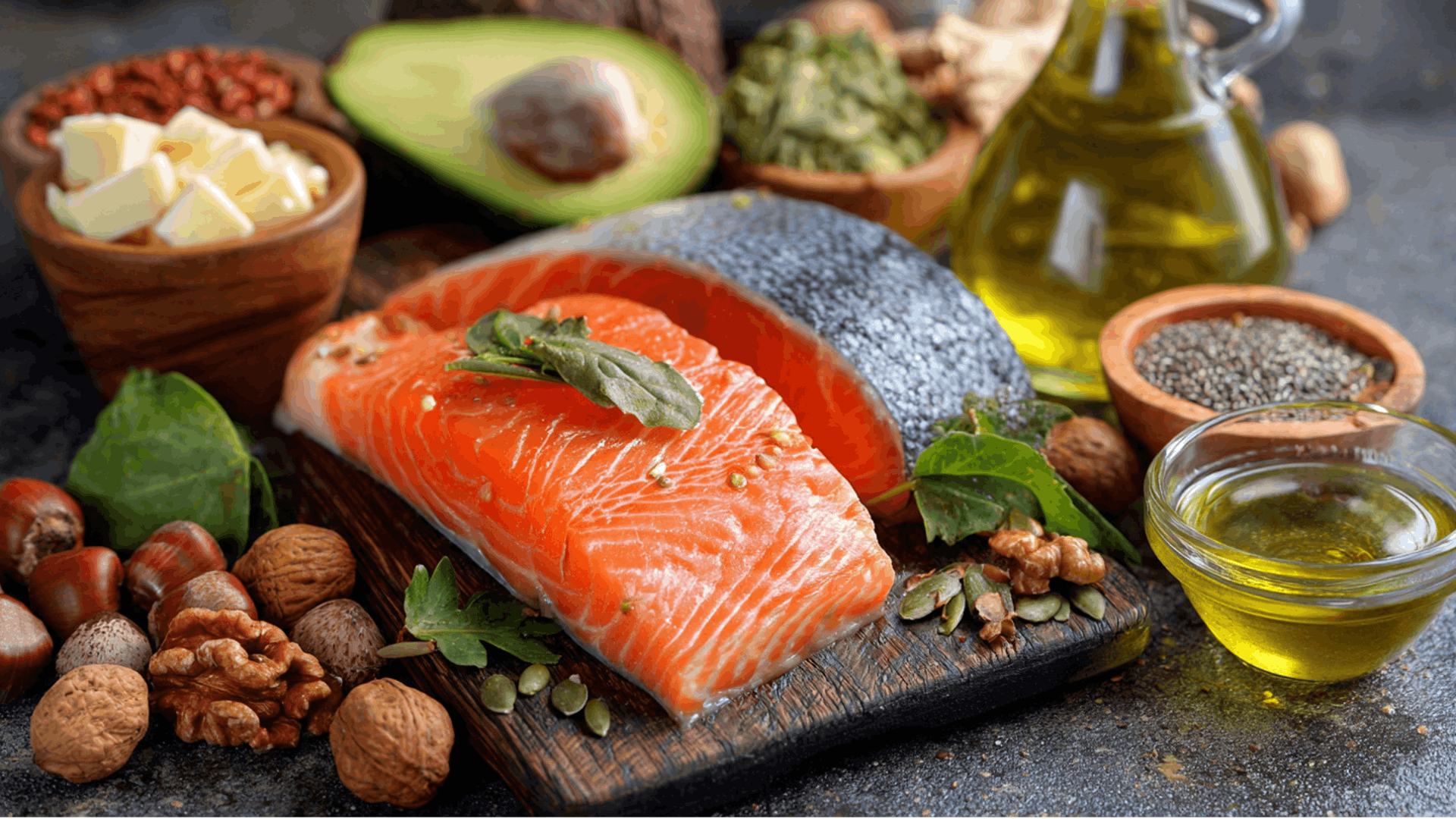
On the flip side, monounsaturated and polyunsaturated fats are the heroes of the fat world. Found in foods like olive oil, avocados, nuts, and fatty fish, these fats help reduce bad cholesterol levels and provide essential fatty acids that the body cannot produce on its own. The article explains how incorporating these healthier fats into your diet can significantly improve cardiovascular health and reduce inflammation.

The guide also offers practical tips for incorporating healthy fats into your meals, such as choosing fatty fish over red meat, using heart-healthy oils for salad dressings, and adding nuts and seeds to your dishes. It debunks common misconceptions about fats, clarifying that not all fats are detrimental and that unsaturated fats are essential for good health.

For those looking to maintain a balanced diet and improve heart health, this article provides a comprehensive overview of the different types of fats and their effects on the body. By understanding the nuances of dietary fats, readers can make smarter food choices that contribute to a healthier lifestyle. Dive into the full article to explore the fascinating world of fats and learn how to harness their power for better health.

Read More
Why Understanding Suggested Dietary Intake is Vital for Your Health

Are you tired of feeling sluggish or concerned about whether your diet is truly balanced? Understanding suggested dietary intake could be the key to unlocking your best health yet. This comprehensive guide delves into the essentials of nutrient consumption, providing you with the knowledge to make informed dietary choices. From deciphering dietary reference intakes to tailoring your nutrition based on age and gender, this article offers valuable insights that can transform your eating habits and elevate your well-being. Dive in to discover practical tips, the role of fortified foods, and how emerging evidence is shaping the future of dietary guidelines. Your journey to better health starts here!

Read More