
Highest Saturated Fat Foods: What They Are, How They Affect Heart Health, and Smarter Swaps
This content was reviewed by Dr. Jil Busmann, PhD to ensure alignment with current nutrition science and evidence‑based education principles.
Most people know saturated fat is worth watching. Fewer realize how fast it adds up. A tablespoon of butter, a slice of cheese, a fast food dinner on a busy night, and you can pass a full day's limit without noticing. This guide covers the highest saturated fat foods by category, with gram-per-serving numbers and swaps that cut saturated fat without taking the pleasure out of eating.
Key Takeaways
The highest saturated fat foods include fatty red meat, processed meats, butter, lard, coconut oil, full fat dairy products (cheese, cream, ice cream), baked goods made with butter or palm oil, fast food, and milk chocolate.
Not all fats are created equal. Replacing some saturated fat with unsaturated fats from nuts, seeds, olive oil, and oily fish, and cutting out industrial trans fats, can improve cholesterol levels and lower cardiovascular disease risk.
One indulgent meal won't ruin your health. Heart disease develops over years of eating patterns, so your weekly and monthly habits matter more than a single holiday dinner.
Source, portion size, and context matter. What you eat in place of saturated fat changes its effect on heart health, and not all saturated fats behave the same way in the body.
Saturated Fat, Trans Fats, and Heart Health
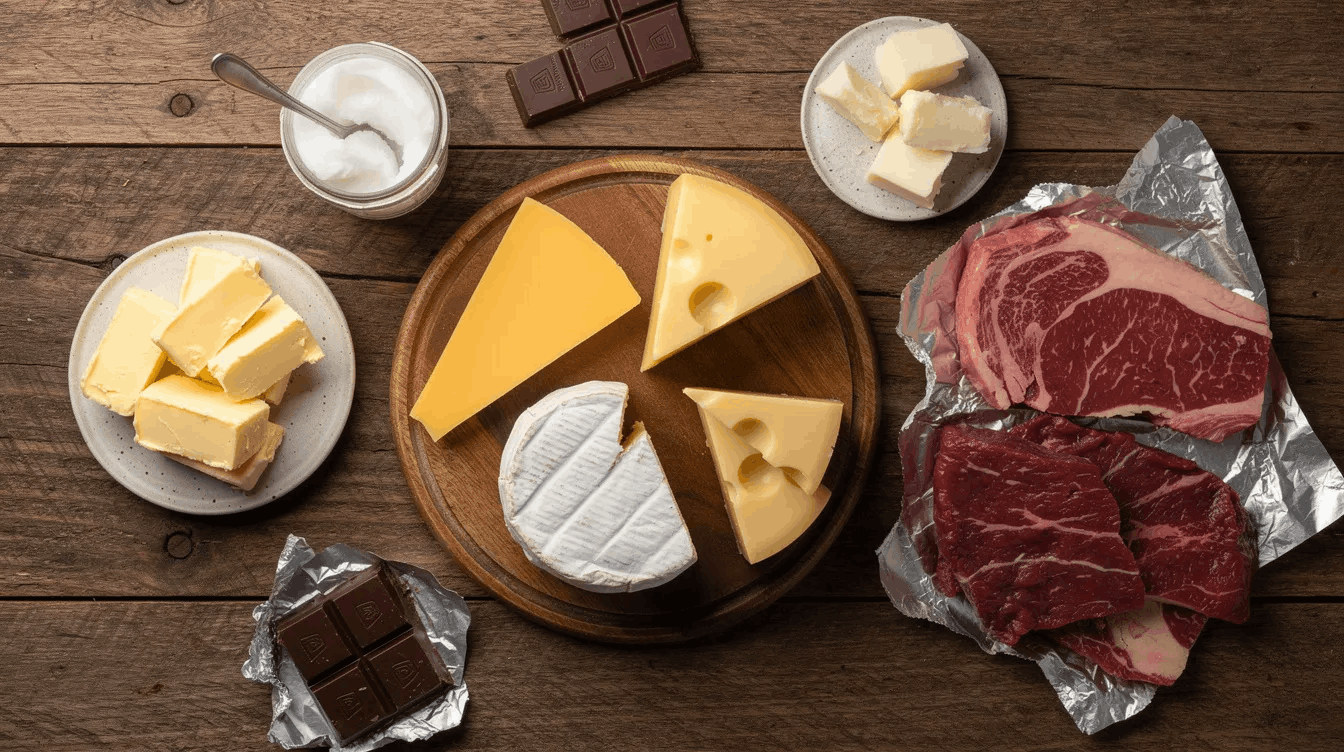
Saturated fat is a type of fat whose fatty acid chain has no double bonds, so it is fully "saturated" with hydrogen. That structure makes saturated fats solid at room temperature (butter, lard, the white fat on a steak) and more stable at high cooking heat. Common sources are animal fats, full fat dairy, and tropical oils like coconut oil and palm oil. Unsaturated fats have one or more double bonds and tend to be liquid at room temperature. The two main types are monounsaturated fat (olive oil, avocado) and polyunsaturated fat (sunflower oil, seed oils, fatty fish).
Why does the chemistry matter? Saturated fat can raise LDL cholesterol in the blood. High LDL is a primary risk factor for atherosclerosis, the slow buildup of plaque in the arteries that drives heart disease and stroke. Decades of research link diets high in saturated fat to higher cardiovascular disease risk [1,2]. Saturated fat does have jobs in the body: it provides energy, helps you absorb certain vitamins, and supports many body processes. But the body makes all the saturated fat it needs, so you don't have to get it from food [3]. The problem is excess.
How much is too much? The Dietary Guidelines for Americans and the WHO both set the limit at no more than 10% of total calories, roughly 22 g a day on a 2,000-calorie diet [4,5]. The American Heart Association is stricter. It recommends less than 6% of calories, about 13 g a day [6], and its 2013 lifestyle guideline set a 5% to 6% target for people with elevated LDL cholesterol [7]. The WHO also advises keeping trans fats to no more than 1% of energy [5].
Trans fats deserve special attention. Industrial trans fats are made by partially hydrogenating vegetable oils. They raise LDL while lowering HDL ("good") cholesterol, promote inflammation, and impair the lining of blood vessels. Calorie for calorie, they raise heart disease risk more than saturated fat does [8]. Natural trans fats occur in small amounts in dairy and meat from ruminant animals (cows, sheep, goats) and appear less harmful at typical dietary levels [8]. The food industry has largely phased out industrial trans fats in many regions, but checking labels is still wise.
What you replace saturated fat with matters a great deal. Swapping it for refined grains doesn't help and is linked to a higher risk of coronary heart disease [2]. Replacing it with unsaturated fats (especially polyunsaturated fat from plant foods, sunflower seeds, and oily fish) or with whole grains brings clearer cardiovascular benefit [1,2]. A Cochrane review of 15 randomized trials with about 57,000 participants found that cutting saturated fat for at least two years reduced cardiovascular events [1].
When Is a Food High in Saturated Fat?
A few thresholds make quick decisions easier at the store or a restaurant:
US labels: A serving is high in saturated fat when it provides 20% or more of the Daily Value. The Daily Value is 20 g, so that means 4 g or more per serving [3].
UK labels: More than 5 g of saturated fat per 100 g is high. 1.5 g or less per 100 g is low [9].
Portion size is where it gets tricky. Fat has 9 calories per gram, more than double protein or carbohydrates, so foods high in saturated fat are very energy-dense. A tablespoon of butter looks small but carries about 7 g of saturated fat and over 100 calories. These foods are often low in fiber and don't fill you up the way vegetables, legumes, or whole grains do, which makes it easy to eat more calories.
Health risk comes from sustained patterns: regular meals built around fried meat, cheese, cream sauces, and pastries, with few vegetables, fruits, or whole grains. When you have a choice, pick products lower in saturated fat and free of industrial trans fats. Save the rich foods for moments that matter to you.
Animal Fats: Butter, Ghee, Lard, Suet, and Tallow
Gram values in this guide are approximate and based on USDA nutrient data [10]. Animal fats are some of the most concentrated sources of saturated fat you'll find:
Butter: about 7 g saturated fat per tablespoon (14 g). Butter is a common source of saturated fat in Western diets because it turns up everywhere: on bread, in sauces, in baked goods, and in frying pans.
Ghee (clarified butter): about 8 g per tablespoon. Common in Indian and Middle Eastern cooking, ghee is butter with the water and milk solids removed, which concentrates both flavor and fat. It holds up well at high heat but still adds a lot of saturated fat.
Lard (rendered pork fat): about 5 g per tablespoon. Used in traditional frying, pie crusts, and tamales.
Suet (hard beef or mutton fat) and tallow (rendered beef fat): roughly 6–7 g per tablespoon. Common in traditional British pies, puddings, and deep-frying.
For everyday cooking, swapping some animal fat for olive oil, sunflower oil, or rapeseed (canola) oil can meaningfully lower saturated fat without losing flavor.

Tropical Oils: Coconut Oil, Palm Oil, and Cocoa Butter
Not every plant fat supports heart health. Some tropical oils rival animal fats for saturated fat, and the marketing around them can mislead.
Coconut oil: more than 80% of its fat is saturated, about 11 g per tablespoon. Despite popular claims, the evidence does not support using large amounts of coconut oil for heart health [11].
Palm oil and palm kernel oil: widely used in processed foods, margarine, baked goods, and fast food because they're cheap and shelf-stable. Palm kernel oil is over 80% saturated, roughly 11 g per tablespoon. Palm oil has less but is still high in saturated fat [10].
Cocoa butter: the fat in chocolate, and also high in saturated fat. A standard 45–50 g milk chocolate bar has about 8–9 g. Dark chocolate is the surprise here. Because it contains more cocoa butter, dark chocolate with 70–85% cocoa has more saturated fat per gram than milk chocolate, not less [10]. What it usually has is a lower sugar content, and its stronger flavor makes a small portion more satisfying.
Practical swaps: use olive oil or sunflower oil for everyday cooking, and keep coconut oil for occasional flavor, such as in a curry. When you want chocolate, pick dark chocolate with 70% or more cocoa and stop at a few squares. The smaller portion is what cuts your saturated fat, not the switch to dark.
Fatty Red Meats and Processed Meats
Red meat and processed meat are major sources of saturated fat in most Western diets. Typical values per 3-ounce (85 g) cooked serving:
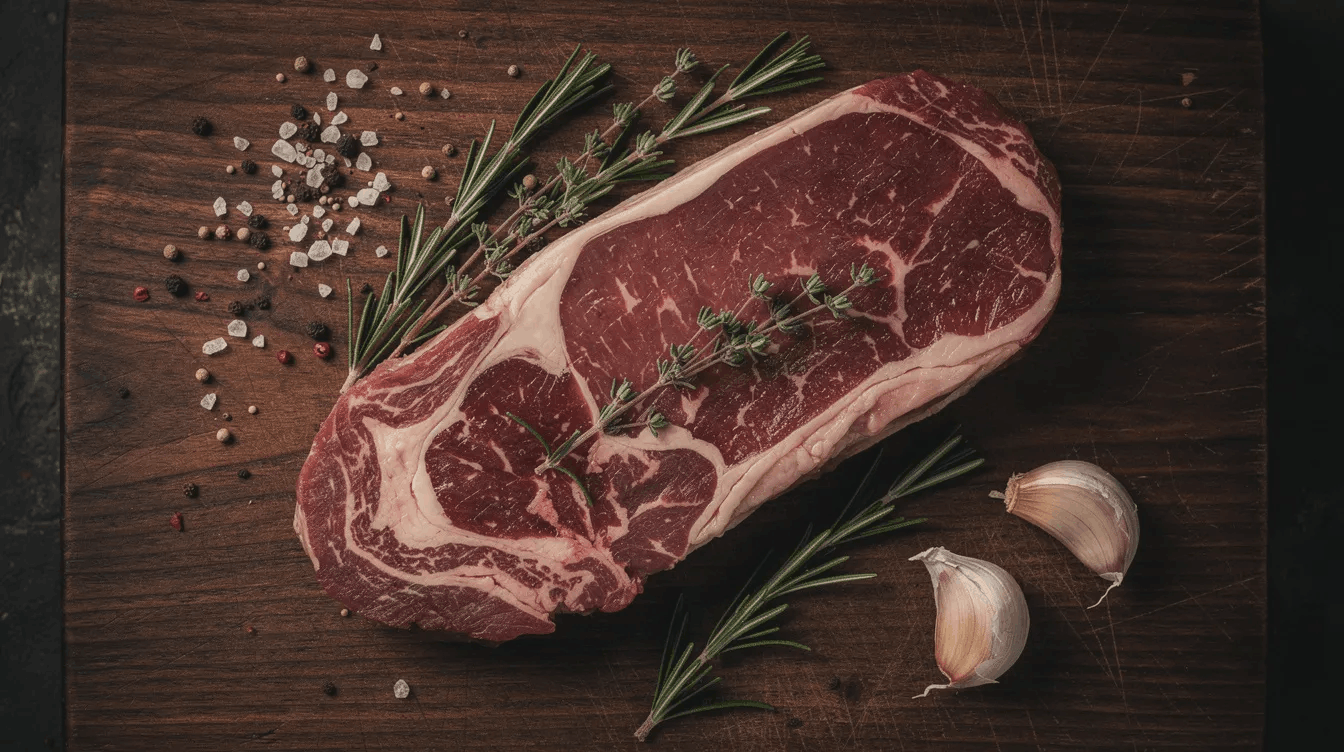
Ribeye: about 3 g trimmed to the lean, closer to 5.5 g with its fat. Beef ribs, short ribs, and brisket are also fatty cuts. Restaurant portions often run 6–8 ounces, which doubles these numbers or more.
Lamb: rib cuts run around 10–11 g with the fat on, and shoulder around 7 g. That makes lamb rib one of the higher-saturated-fat meats. Leg cuts are leaner, roughly 2.5–6 g.
Ground beef 80/20: about 5–6 g per cooked patty. Extra-lean (93% lean) drops to about 3 g.
Processed meats and pork ribs: salami and pork ribs about 8–9.5 g, sausage and bacon about 11–12 g, and pepperoni about 15 g. Two slices of bacon alone add about 2.5 g.
Processed meats also bring sodium, nitrates, and preservatives. Previous studies have linked frequent processed meat consumption to a higher risk of certain cancers [12]. Moderation, leaner cuts, and smaller portions are your best tools here.
Poultry and Other Meats: Lean Cuts and High-Fat Options
Not all meat is equally high in saturated fat. Choosing well within poultry and pork keeps your protein intake up without blowing your fat budget.
Skinless chicken breast: about 1 g per 3-ounce serving, one of the leanest options. Deli ham is also under 1 g, though it counts as a processed meat.
Skinless chicken thighs, ground chicken, and lean ground turkey: about 2–3 g.
Regular ground beef and pork roast: about 4.5–7 g, depending on leanness. Labels reading "lean" or "95% lean" are helpful.
Skin-on poultry and chicken wings: noticeably higher than skinless cuts. A skin-on chicken thigh has about 3.5 g per 3 ounces. Higher-fat ground meat blends can go above 5 g.
To cut saturated fat from meat, trim visible fat before cooking, keep portions to 3-4 ounces, bake or grill instead of deep-frying, and balance a meat-heavy meal with extra vegetables and fiber-rich sides. Egg whites are another high-protein, low calorie option when you want to cut fat further.
Full Fat Dairy: Cheese, Cream, Whole Milk, and Ice Cream
Full fat dairy products are high in saturated fat, but they also supply key nutrients like calcium, protein, and vitamin A, and in fortified milk, vitamin D.
Hard cheeses (cheddar, parmesan, gouda): about 4–5.5 g per 1-ounce (28 g) slice, with parmesan at the low end. Two or three ounces on a pizza, a burger, or pasta is easy to reach.
Heavy or whipping cream: about 7 g per 2 tablespoons (30 ml). It shows up in sauces, soups, desserts, and specialty coffee drinks.
Whole milk: about 4–5 g per 250 ml cup. It adds up when you have it daily in cereal, smoothies, or tea.
Full fat yogurt: generally 3–5 g per 200 g, varying by brand. Full fat Greek yogurt tends toward the higher end.
Ice cream: about 4.5 g per half cup of regular vanilla. Premium brands and versions with chocolate, caramel, or cookie pieces run higher.
If you eat dairy often, switching to low fat dairy (semi-skimmed milk, reduced-fat cheese, plain low-fat yogurt) cuts saturated fat substantially while keeping the protein and calcium.
Not every guideline puts it this way. The 2025–2030 Dietary Guidelines for Americans encourage full fat dairy with no added sugars and list butter and beef tallow as cooking options, but they keep the limit on saturated fat at no more than 10% of daily calories [4]. The AHA and WHO continue to recommend replacing saturated fat with unsaturated fats [5,6]. All of these guidelines keep a saturated fat ceiling of 10% of calories or lower, so full fat dairy and animal fats still have to fit inside it.
Baked Goods and Desserts: Hidden Saturated Fat
Many store-bought and bakery items are high in saturated fat because they combine butter, palm oil, coconut oil, cream, and chocolate, often with a lot of sugar.
Croissants and pastries: about 6.5 g for a medium butter croissant, from the layers of butter.
Doughnuts: about 5.5–6 g for a medium glazed one.
Many commercial baked goods once contained industrial trans fats from partially hydrogenated oils. These are now restricted or banned in many regions, but some products are still high in both saturated fat and added sugar. Check the label.
To keep baked goods in check, eat them less often and in smaller portions. Choose versions made with vegetable oils instead of butter or shortening, and balance an occasional rich dessert with heart-healthy meals that day.
Fast Food, Takeaways, and Restaurant Meals
Restaurant and fast food meals drive saturated fat intake through large portions, frying, generous cheese and creamy sauces, and processed meats.
Deep-frying in animal fat or palm oil adds to both the saturated fat and total fat content of fries, onion rings, and breaded chicken.
Realistic fixes: order smaller portions, skip extra cheese and creamy sauces, choose grilled over fried, add a side salad or vegetables, and limit how often you rely on fast food.
Nuts, Seeds, and Nut Butters: Mostly Healthy Fats
Nuts and seeds are mostly unsaturated fat and generally good for heart health. They are calorie-dense, though, and some contain meaningful saturated fat.
Almonds, hazelnuts, pistachios: about 1–2 g per 30 g handful, mostly monounsaturated fat.
Brazil nuts and macadamias: higher, about 3.5 g per 30 g for macadamias and about 5 g for Brazil nuts. Brazil nuts are also exceptionally rich in selenium.
Sunflower seeds, flaxseed, chia, pumpkin seeds: rich in polyunsaturated fat and good sources of dietary fiber. Flaxseed and chia are also rich in omega-3. Most have only about 1–1.5 g of saturated fat per 30 g. Pumpkin seeds are a little higher, at about 2.5 g. They make great replacements for animal fats in recipes and snacks.
Nut butters vary widely. Plain versions made from nuts and perhaps salt tend to be higher in unsaturated fat. Commercial blends with added palm oil, coconut oil, sugar, and chocolate can carry much more saturated fat.
A small handful of nuts (about 30 g) or 1–2 tablespoons of nut butter makes a satisfying snack or topping. These whole foods aren't among the highest saturated fat foods, but they add to total fat and calorie intake.
Oily Fish, Eggs, and Other Moderate Sources
Some foods contain moderate saturated fat but deliver nutrients that support overall health. The goal here is moderation, not avoidance.
Oily fish (salmon, mackerel, sardines, anchovies, herring): a 140 g portion of salmon has about 1.5–2 g of saturated fat if it's wild and about 3.5 g if it's farmed. These fatty fish are rich in omega-3 fatty acids, which are linked to lower heart disease risk. Eating fish once or twice a week promotes heart health, and the American Heart Association recommends one to two seafood meals a week, especially in place of less healthy foods [13].
Eggs: about 1.5–2 g per large egg, mostly in the yolk. Eggs also deliver high-quality protein, choline, and vitamins. For most people, eggs fit a heart-healthy diet when they aren't fried in butter or paired with bacon and sausage at every meal.
Low fat dairy: skimmed or 1% milk, low-fat yogurt, and reduced-fat cheese give you protein and calcium with far less saturated fat than full fat versions.
Public health advice generally encourages oily fish, eggs, and low fat dairy as part of a balanced pattern rich in vegetables, whole grains, legumes, nuts, and healthy oils, even when the goal is less saturated fat. Foods with natural sugars, like fruit, round this out with fiber and micronutrients.
"Just One Meal": Does One Meal High in Saturated Fat Matter?
Will that birthday steak dinner or holiday feast damage your heart? Not on its own.
A high-fat meal can briefly impair how well your blood vessels work [14]. The effect is temporary. In studies, blood vessel function was back to normal by about 8 hours [14].
Heart disease develops over years, driven by long-term diet, physical inactivity, smoking, high blood pressure, and genetics. One indulgent meal doesn't undo months of balanced eating, any more than one salad fixes months of poor choices.
Look at your weekly and monthly pattern instead. If most meals are built around vegetables, whole grains, lean protein, and healthy fats, with sensible portions and regular activity, an occasional richer meal is unlikely to cancel those benefits.
Around special occasions:
Add extra vegetables and fiber-rich sides to your plate.
Limit sugary drinks and heavy drinking.
Take a walk after the meal.
Go back to your usual eating the next day.
Smart Swaps and Meal Ideas
You don't have to give up flavor to cut saturated fat. You just need better swaps.
Protein: Replace fatty red meat with skinless chicken, turkey, beans, lentils, or tofu a few times a week. Keep bacon and sausage for occasional use.
Cooking fat: Use olive oil, rapeseed (canola) oil, or sunflower oil instead of butter, lard, or ghee for everyday cooking. On bread, use a thin layer of vegetable-oil-based spread instead of butter.
Dairy: Choose semi-skimmed or skim milk over whole milk. Use small amounts of strong cheese (parmesan, mature cheddar) instead of a lot of mild cheese. Try reduced-fat Greek yogurt with fresh fruit.
Snacks: Reach for almonds, sunflower seeds, or an apple with a thin smear of nut butter instead of baked goods or chocolate bars.
Meal ideas:
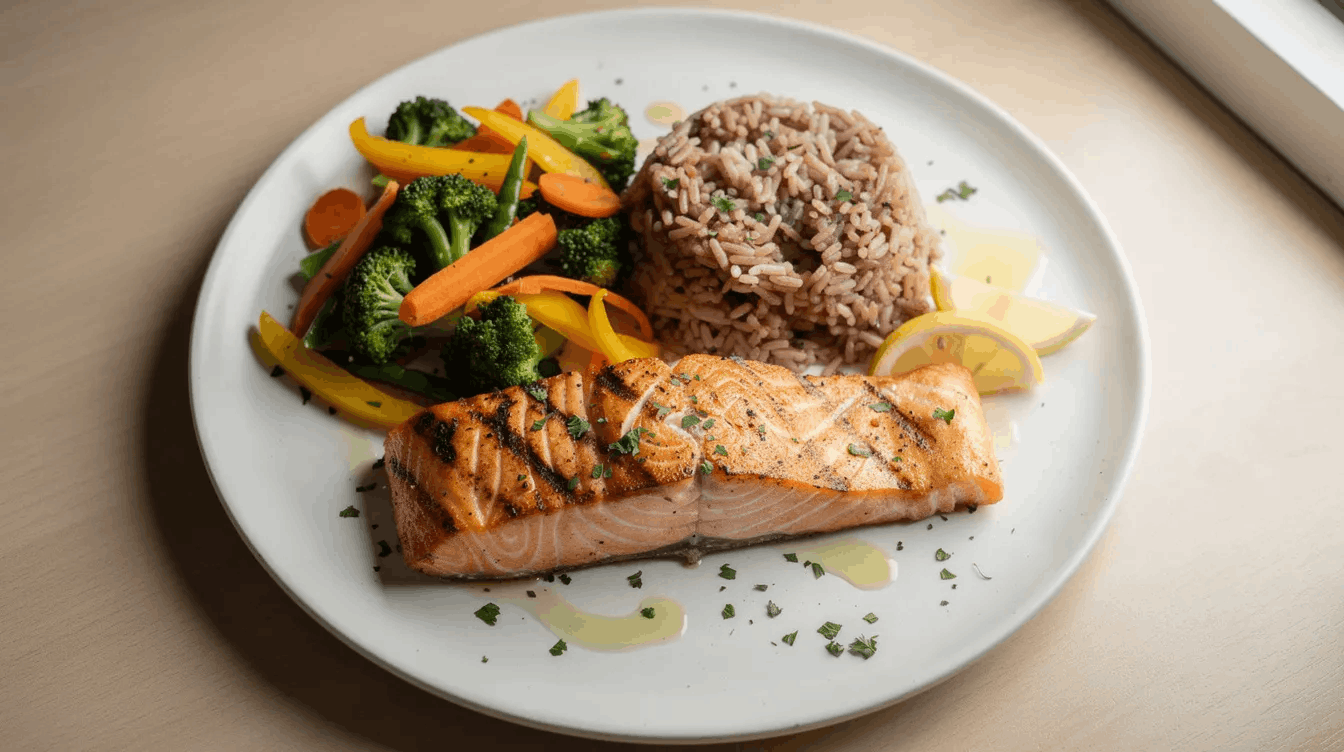
Instead of fried fish and chips: grilled salmon with wholegrain rice and vegetables roasted in olive oil.
Instead of full-fat beef chili with sour cream: vegetable and bean chili cooked in olive oil, topped with lime and diced avocado.
Instead of ice cream and cream cake: mixed berries with reduced-fat Greek yogurt and a drizzle of honey.
The traditional Mediterranean diet gets only about 8% of its calories from saturated fat [2] and is one of the best-studied eating patterns for heart health. It emphasizes whole foods, plant foods, fish, nuts, and olive oil, and it keeps saturated fat low through food choices rather than strict rules. In the PREDIMED trial, 7,447 people at high cardiovascular risk were followed for a median of 4.8 years. Major cardiovascular events (heart attack, stroke, or death from cardiovascular causes) occurred in 3.8% of those on a Mediterranean diet with extra-virgin olive oil and 3.4% of those on a Mediterranean diet with nuts, compared with 4.4% of those advised to follow a reduced-fat diet. Measured as hazard ratios (0.69 and 0.72), that worked out to roughly 30% lower risk in both Mediterranean groups [15].
Putting It All Together
Saturated fat is one piece of the nutrition picture, not the whole thing. What matters is the overall pattern:
Favor unsaturated fats from olive oil, nuts, seeds, and oily fish.
Avoid industrial trans fats entirely.
Moderate foods that are very high in saturated fat. You don't have to eliminate them, but frequency and portion size matter.
Eat more vegetables, fruits, whole grains, legumes, and dietary fiber.
For most adults without specific medical conditions, keeping saturated fat below about 10% of daily calories is a practical target, in line with national and international guidelines [4,5]. In one Irish study, adults with type 2 diabetes got about 14% of their calories from saturated fat, and matched adults without diabetes were almost identical at 13.8%. Both groups exceeded saturated fat recommendations [16]. It's easy to overshoot without realizing it.
Small, steady changes beat dramatic overhauls. Change one meal at a time, make a few swaps each week, and build habits that last.
Consider your own situation, including family history, current health, and cultural food preferences, and talk to a registered dietitian or healthcare professional for personalized advice.
Frequently Asked Questions
Is saturated fat always bad for you, or does the source matter?
Both total intake and food source matter. Some saturated fatty acids, like the stearic acid in cocoa butter, have a more neutral effect on cholesterol levels than others such as palmitic acid [17]. Still, too much saturated fat from any source can raise LDL cholesterol, so overall intake matters, and replacing part of it with unsaturated fats is generally recommended.
Are keto or very low-carb diets high in saturated fat safe for heart health?
Many keto and low-carb diets are high fat by design, leaning on butter, cheese, fatty meats, and coconut oil. Short-term weight loss and better blood sugar may follow, but that doesn't guarantee long-term heart safety. If you eat this way, get your fat mainly from olive oil, avocado, nuts, seeds, and oily fish rather than animal fats. Have your cholesterol and other risk factors monitored by your healthcare provider, especially if you have diabetes or heart disease.
How can I quickly spot foods high in saturated fat when shopping?
Check "Saturated fat" on the nutrition label. In the US, 4 g or more per serving (20% of the Daily Value) is high [3]. On UK labels, more than 5 g per 100 g is high [9]. Also scan the ingredients for butter, cream, cheese, lard, beef fat, palm oil, palm kernel oil, and coconut oil. Recipes that call for heavy cream or lots of butter can usually be adapted with healthier alternatives without losing much flavor.
Do I need to avoid saturated fat completely if I have high cholesterol levels?
Most guidelines don't require complete avoidance. They recommend cutting saturated fat significantly and eliminating industrial trans fats. Swap toward unsaturated fats (olive oil, nuts, fatty fish) and improve overall diet quality with more vegetables, whole grains, legumes, and fiber. If you have high cholesterol or heart disease, work with your doctor or dietitian to set a personal limit and monitor your blood lipids as you adjust your diet and any medications.
Is it better to choose low-fat products or eat less of the full fat version?
Both can work. Low-fat versions cut saturated fat automatically, but some add sugar to make up for flavor, so check the label. Smaller portions of full fat dairy keep saturated fat in check while preserving taste. The best approach is to compare labels, choose products lower in both saturated fat and added sugars, and pair them with high-fiber foods like whole grains, fruits, and vegetables.
References
Hooper L et al., 2020. Reduction in saturated fat intake for cardiovascular disease. Cochrane Database Syst Rev. 2020 Aug 21;8:CD011737.
Tosti V et al., 2018. Health benefits of the Mediterranean diet: metabolic and molecular mechanisms. J Gerontol A Biol Sci Med Sci. 2018 Mar 2;73(3):318–326.
U.S. Food and Drug Administration, 2021. Interactive Nutrition Facts Label: Saturated Fat. FDA; October 2021.
U.S. Department of Agriculture, U.S. Department of Health and Human Services, 2026. Dietary Guidelines for Americans, 2025–2030. realfood.gov; released 2026 Jan 7.
World Health Organization, 2023. Saturated fatty acid and trans-fatty acid intake for adults and children: WHO guideline. Geneva: WHO; 2023.
American Heart Association. Saturated Fats. heart.org. Accessed 2026 Sep 28.
American Heart Association, 2017. Dietary Fats and Cardiovascular Disease: Top Things to Know. professional.heart.org; updated 2017 Jun 15.
Mozaffarian D et al., 2006. Trans fatty acids and cardiovascular disease. N Engl J Med. 2006 Apr 13;354(15):1601–1613.
NHS. Food labels. nhs.uk. Accessed 2026 Sep 28.
U.S. Department of Agriculture. FoodData Central, SR Legacy. Accessed 2026 Sep 28.
Neelakantan N et al., 2020. The effect of coconut oil consumption on cardiovascular risk factors: a systematic review and meta-analysis of clinical trials. Circulation. 2020 Mar 10;141(10):803–814.
Bouvard V et al., 2015. Carcinogenicity of consumption of red and processed meat. Lancet Oncol. 2015 Dec;16(16):1599–1600.
Rimm EB et al., 2018. Seafood long-chain n-3 polyunsaturated fatty acids and cardiovascular disease: a science advisory from the American Heart Association. Circulation. 2018 Jul 3;138(1):e35–e47.
Fewkes JJ et al., 2022.A single, high-fat meal adversely affects postprandial endothelial function: a systematic review and meta-analysis. Am J Clin Nutr. 2022 Sep 1;116(3):699–729.
Estruch R et al., 2018. PREDIMED Study Investigators. Primary prevention of cardiovascular disease with a Mediterranean diet supplemented with extra-virgin olive oil or nuts. N Engl J Med. 2018 Jun 21;378(25):e34.
Breen C et al., 2014. High saturated-fat and low-fibre intake: a comparative analysis of nutrient intake in individuals with and without type 2 diabetes. Nutr Diabetes.2014 Feb 3;4(2):e104.
van Rooijen MA, Mensink RP, 2020. Palmitic acid versus stearic acid: effects of interesterification and intakes on cardiometabolic risk markers—a systematic review. Nutrients. 2020 Feb 26;12(3):615.


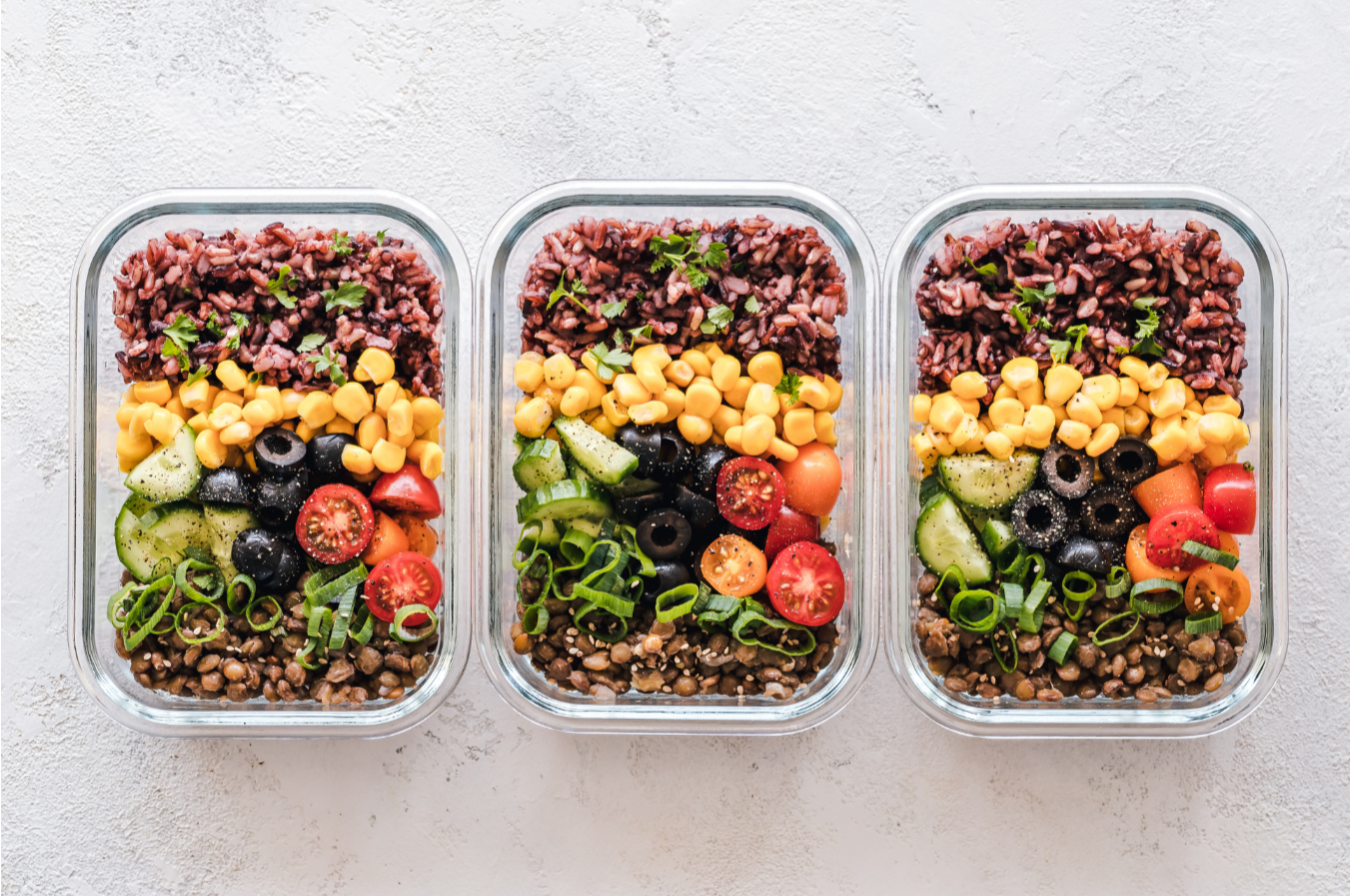
Saturated fat is a type of fat found in many common foods, from buttery croissants and fatty red meats to coconut oil and full-fat dairy. While it plays important roles in the body, including energy provision and supporting cell structure, consuming too much saturated fat can raise LDL cholesterol—the "bad" cholesterol linked to heart disease. But how much saturated fat is too much, and which foods pack the biggest punch? This guide dives into the highest saturated fat foods, explains how they affect heart health, and offers smarter swaps to enjoy delicious meals without overdoing it.
Most people know saturated fat is worth watching, but few realize how quickly it adds up. Just a tablespoon of butter, a slice of cheese, or a fast food dinner can push you past the recommended daily limit without you noticing. Foods rich in saturated fat tend to be calorie-dense and low in fiber, making it easy to overconsume calories and body fat, which can further increase cardiovascular risk.
Not all saturated fats behave the same way in the body, and the source matters. Animal fats like butter, lard, and fatty cuts of red meat are classic examples, but tropical oils such as coconut and palm oil also contain high levels of saturated fat. Meanwhile, foods like eggs and oily fish contain moderate amounts but are packed with nutrients that support overall health.
Health experts recommend keeping saturated fat intake to less than 10% of daily calories, with some guidelines suggesting even lower targets for those at risk of heart disease. Replacing saturated fats with unsaturated fats from nuts, seeds, olive oil, and oily fish can improve cholesterol levels and reduce cardiovascular risk.
But what about one indulgent meal? Research shows that a single high-fat meal may temporarily impair blood vessel function, but the effect is short-lived. Heart disease develops over years of eating patterns, so your weekly and monthly habits matter far more than a single occasion.
This article breaks down the highest saturated fat foods by category, from animal fats and tropical oils to baked goods and fast food. It includes practical tips and delicious meal ideas to help you cut saturated fat without sacrificing flavor. Whether you're looking to improve heart health, manage body fat, or simply make smarter choices, this guide offers clear, science-backed advice to empower your eating habits.
Ready to learn which foods to watch and how to enjoy them wisely? Dive into the full article for detailed insights, gram-per-serving numbers, and swaps that keep your meals satisfying and heart-healthy.