Posts tagged Polyphenols
Stress and Oxidative Stress: Impact, Symptoms, and Preventive Tips

Chronic stress does more than affect mood or mental clarity, it initiates a cascade of biological changes that can significantly compromise physical health. One of the most critical, yet often overlooked, consequences is oxidative stress. This process arises when the body produces an excess of free radicals, unstable molecules that seek to stabilize themselves by damaging nearby cells, while simultaneously lacking sufficient antioxidants to neutralize them. Over time, this imbalance contributes to cellular dysfunction, inflammation, and the gradual deterioration of tissues throughout the body.

When stress becomes persistent, the body remains in a prolonged state of “fight or flight,” driven by elevated levels of cortisol and other stress hormones. While helpful in short bursts, this constant activation places strain on cellular systems, particularly within the mitochondria, where energy is produced. These structures become both a major source and target of reactive oxygen species (ROS), intensifying oxidative damage. As a result, essential biological components, including DNA, proteins, and lipids, begin to lose their integrity, impairing normal bodily functions.

The cumulative effect of these processes has been strongly linked to a wide range of chronic conditions. Cardiovascular disease, for example, is partly driven by oxidative damage to blood vessels, which promotes plaque buildup and reduces vascular flexibility. Similarly, in type 2 diabetes, oxidative stress contributes to insulin resistance and pancreatic cell dysfunction. Even the brain is vulnerable, as increased oxidative damage has been associated with cognitive decline and neurodegenerative disorders.

In everyday life, signs of elevated oxidative stress may appear subtly. Persistent fatigue, difficulty concentrating, premature aging of the skin, and increased susceptibility to illness are all potential indicators that the body is under oxidative strain. While these symptoms may seem unrelated, they often share a common biochemical root tied to prolonged stress exposure.

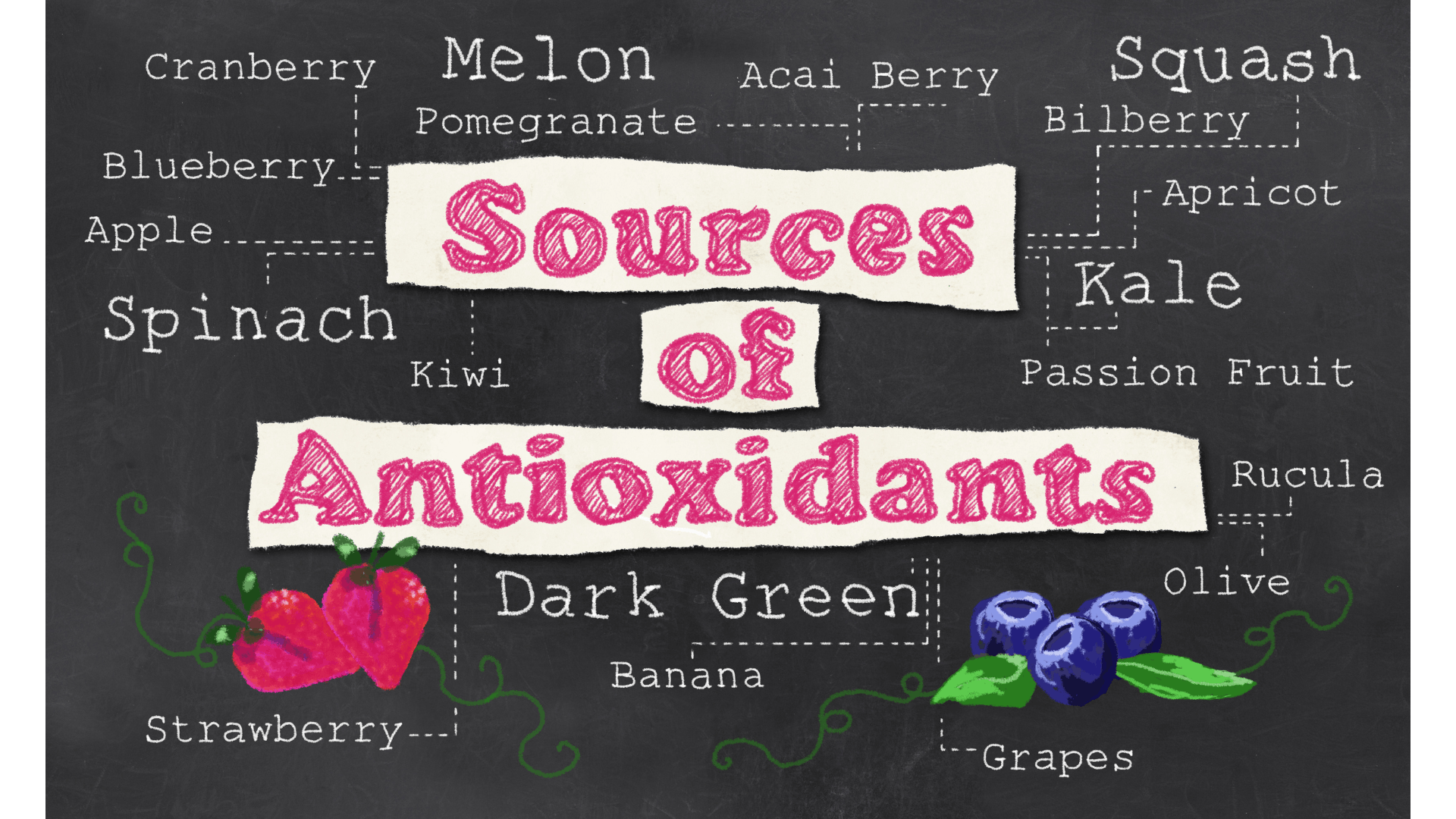
Fortunately, the body possesses its own defense system designed to counteract free radicals. Antioxidants, found both naturally within the body and in foods, play a crucial role in maintaining this balance. Nutrients such as vitamin C, vitamin E, and plant-derived compounds like polyphenols help neutralize harmful molecules before they can inflict damage. However, these defenses can become overwhelmed without proper support.

Adopting a proactive approach is key to reducing oxidative stress. Regular exercise, adequate sleep, and consistent stress management practices, such as mindfulness or relaxation techniques, help regulate hormone levels and reduce free radical production. Equally important is a diet rich in whole, unprocessed foods, particularly fruits, vegetables, nuts, and whole grains, which provide a steady supply of antioxidants.

By understanding how stress and oxidative damage are interconnected, individuals can take meaningful steps to protect their long-term health and resilience.

Read More
Chlorogenic Acid: Benefits, Mechanisms, and Potential Uses

Are you ready to uncover the secrets of a natural powerhouse that could revolutionize your health? Step into the fascinating world of chlorogenic acid, a hidden gem in your daily coffee beans and a variety of fruits and vegetables. Celebrated for its potent antioxidant, anti-inflammatory, and antidiabetic properties, chlorogenic acid boasts a myriad of health benefits that can elevate your well-being. From managing diabetes and boosting heart health to potentially warding off cancer, this article delves into the science behind chlorogenic acid and its transformative potential. Don’t miss out on learning how this mighty polyphenol can be a game-changer for your health journey!

Read More
Cranberry Juice UTI Debate: Sorting Fact from Fiction

Urinary Tract Infections (UTIs) can be a significant source of discomfort and inconvenience, disrupting daily life with symptoms like a persistent urge to urinate, burning sensations, and frequent trips to the bathroom. If you've been battling recurrent UTIs, you're not alone, and there is hope.

This article delves into the potential benefits of cranberry juice and supplements for UTI prevention. Rich in proanthocyanidins (PACs), cranberries might help inhibit bacteria from attaching to the urinary tract. While more research is needed to establish their effectiveness fully, incorporating cranberry products into your daily routine, along with proper hydration and hygiene, could be a step towards reducing UTI occurrences.

Explore the science behind cranberry's potential, the comparative benefits of juice versus supplements, and additional preventive measures that can make a difference. Remember, though cranberries may aid in prevention, they are not a cure for existing infections. Always consult with your healthcare provider for personalized advice.

Read on to discover more about how you can take control and find relief from the struggles of UTIs.

Read More
Quercetin: Top Health Benefits, Dosage, and Potential Side Effects

Quercetin, a powerful flavonoid found in a variety of fruits, vegetables, and beverages, is gaining recognition for its remarkable health benefits. Known for its strong antioxidant and anti-inflammatory properties, quercetin is present in foods like apples, onions, green tea, and red wine. This natural compound not only enhances heart health and reduces inflammation but also bolsters the immune system, making it a valuable addition to any diet.

In this comprehensive article, we delve into the myriad advantages of quercetin, exploring its potential to protect against cardiovascular diseases, support neurological health, and even combat cancer. Our detailed examination includes recommended dosages, potential side effects, and the best dietary sources of quercetin, ensuring you have all the information you need to incorporate this potent flavonoid into your wellness routine safely.

One of the standout features of quercetin is its ability to neutralize free radicals, thus preventing oxidative damage to cells and tissues. This antioxidant prowess not only helps in maintaining cellular health but also plays a crucial role in reducing the risk of chronic diseases. In comparison to other antioxidants like vitamins C and E, quercetin has shown superior properties in certain studies, enhancing the body's overall antioxidant capacity.

Quercetin's anti-inflammatory benefits are equally impressive. By inhibiting enzymes involved in inflammation, such as lipoxygenase and eosinophil peroxidase, quercetin effectively mitigates inflammatory responses. This makes it particularly beneficial for conditions like rheumatoid arthritis, where it can lessen clinical symptoms and impede disease progression.

Moreover, quercetin's cardiovascular benefits cannot be overstated. It helps lower blood pressure, improves vascular endothelial function, and protects against LDL cholesterol damage. These combined effects contribute to a reduced risk of heart disease, making quercetin a valuable component of a heart-healthy diet.

But the benefits don't stop there. Quercetin also shows promise in managing metabolic syndrome, a cluster of conditions that increase the risk of heart disease and diabetes. By enhancing insulin sensitivity and regulating blood glucose levels, quercetin helps manage and prevent these serious health issues.

As we explore further, you'll discover quercetin's potential cancer-fighting properties, its neuroprotective effects, and its role in allergy relief. Whether you're looking to boost your overall health or target specific conditions, quercetin offers a natural, effective solution. Dive into our article to uncover the full spectrum of quercetin's health benefits and learn how to incorporate this powerful flavonoid into your daily life.

Read More