
Foods High in Quercetin: Top Sources, Benefits, and How to Use Them
This content was reviewed by Dr. Jil Busmann, PhD to ensure alignment with current nutrition science and evidence‑based education principles.
Quercetin is a flavonoid antioxidant found in many colorful plant foods like onions, apples, berries, and capers. This article lists specific foods high in quercetin, how much they contain where data is available (mg per 100 g or typical serving), and simple ways to add them to everyday meals.
This article is for anyone interested in boosting their intake of quercetin through everyday foods, including those focused on heart health, immune support, or general wellness. Understanding which foods are high in quercetin can help you make informed dietary choices to support your health.
You can find quercetin naturally present in a wide variety of fruits, vegetables, and herbs, making it easy to include in your diet by choosing diverse plant-based foods.
At Peqish, we focus on evidence-based “food as medicine,” which is why quercetin rich foods are intentionally woven into our culinary medicine and medically tailored meal designs. The typical dietary intake hovers around 6–18 mg per day in North America, but aiming for multiple servings of quercetin-rich fruits and vegetables can significantly increase this often without much effort.
Let’s start with what quercetin actually is and how it works in your body.
Table of Contents
What Is Quercetin? (Definition and How It Works)
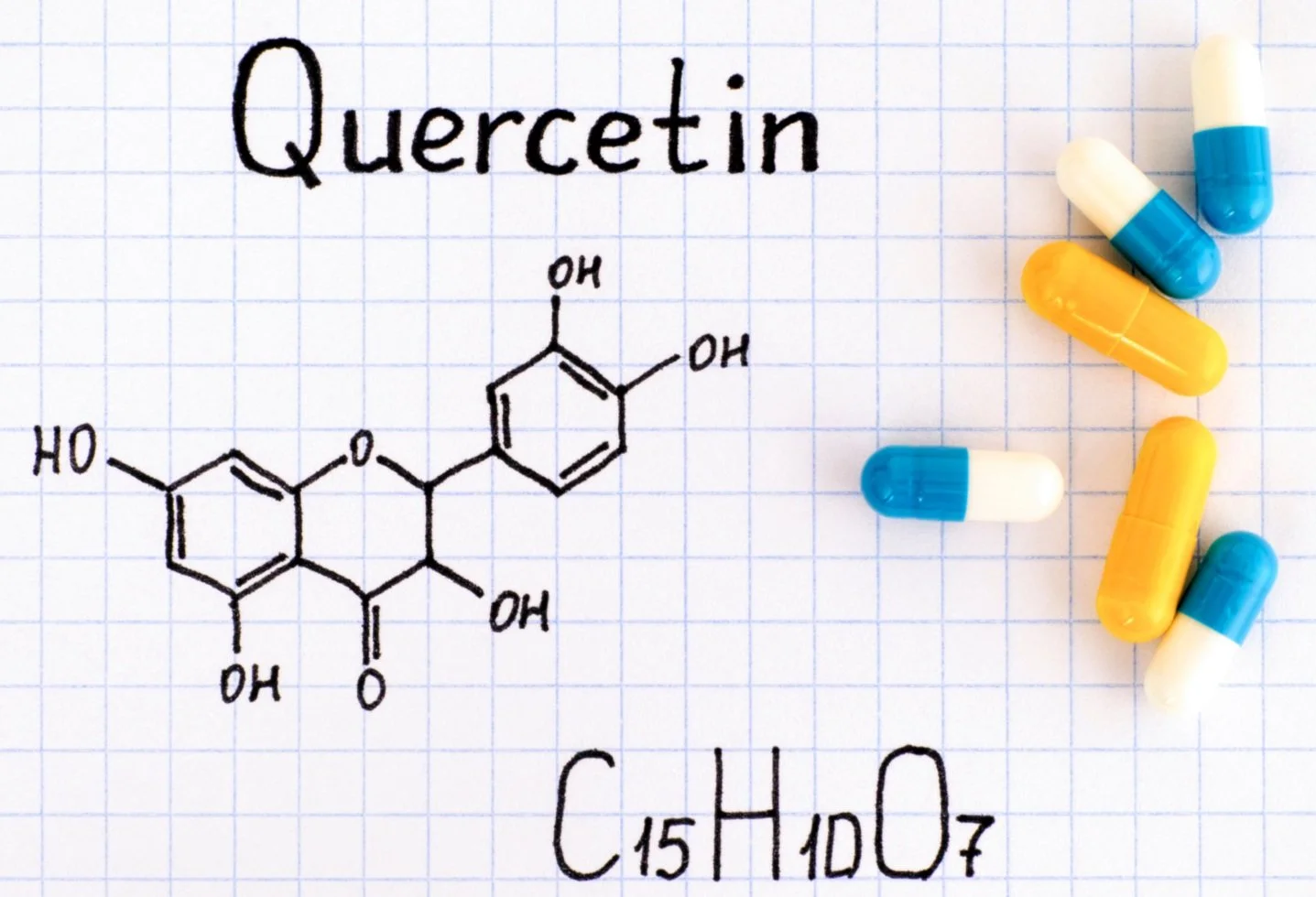
Quercetin is a flavonoid antioxidant found in various fruits, vegetables, and herbs.
Quercetin is a plant flavonoid, a type of polyphenol, found naturally in fruits, vegetables, herbs, tea, and some grains. It contributes to the yellow, red, and deep green pigmentation you see in many foods, which is why colorful produce tends to be richer in this compound. Many fruits, including apples, berries, and tomatoes, are particularly rich in quercetin and provide additional health benefits such as antioxidant, heart health, and anti-inflammatory effects.
As a powerful antioxidant, quercetin acts by neutralizing free radicals and reducing oxidative stress in healthy cells. This mechanism is similar to but distinct from vitamin C and vitamin E, making quercetin a valuable complement to other antioxidants in your diet. Epidemiological studies suggest that quercetin often accounts for roughly two-thirds to three-quarters of total flavonol intake in typical Western diets, making it one of the most significant dietary flavonoids we consume.
Here are the key biological actions quercetin supports:
Antioxidant activity: Scavenges free radicals that can damage cells
Healthy inflammatory response: Modulates signaling pathways involved in inflammation
Immune support: Influences immune cells and histamine release
Vascular function: Supports endothelial health and blood pressure regulation through effects on nitric oxide
In foods, quercetin exists mostly as quercetin glycosides (bound to sugars), which affects how it’s absorbed in the gut. This is one reason why food sources of quercetin often behave differently than isolated supplement forms - the natural matrix of fiber, other polyphenols, and nutrients influences bioavailability.
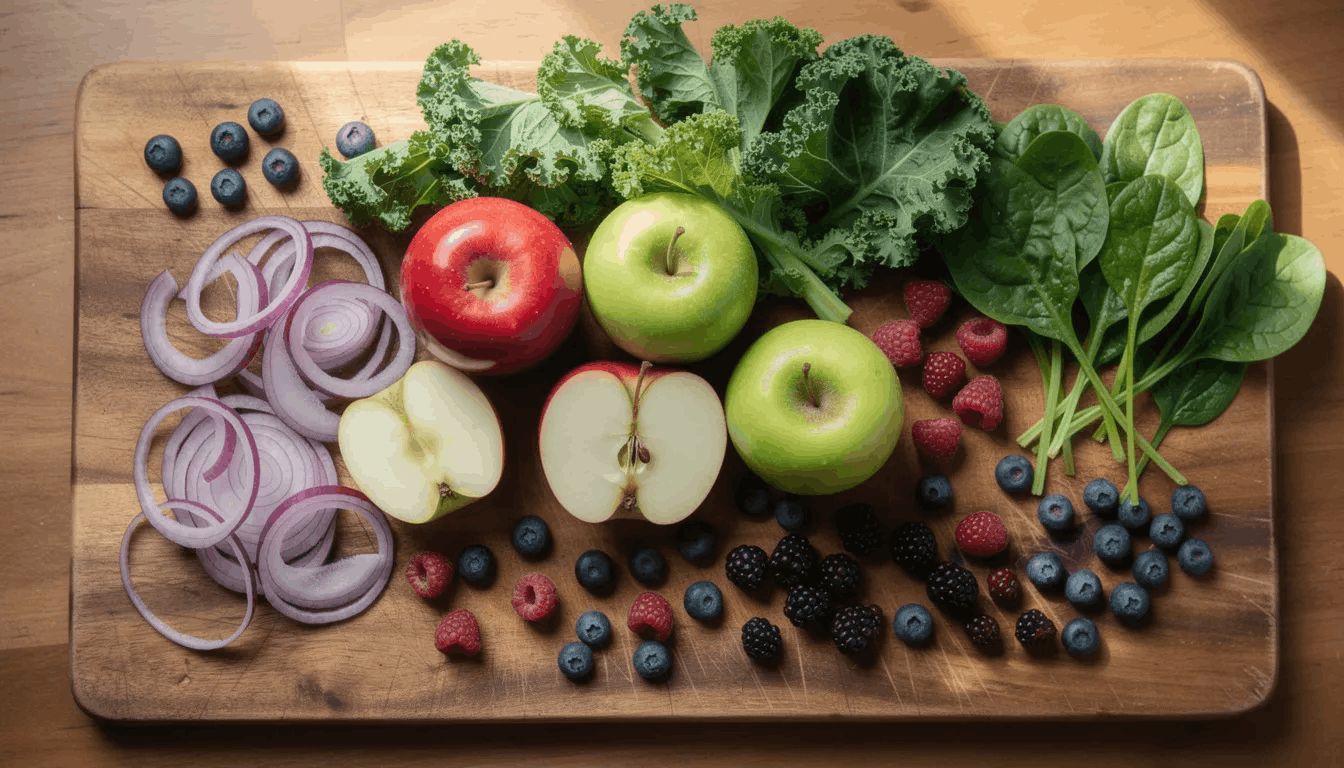
Top 12 Foods High in Quercetin
The list below covers some of the best-documented dietary sources of quercetin, with an emphasis on everyday foods plus a few concentrated options like capers. Other foods, such as asparagus, green peppers, tomatoes, and red leaf lettuce, also contribute to overall quercetin intake, highlighting the diversity of sources available. Quercetin content can vary significantly by variety, growing conditions, and storage, so the numbers provided are approximate rather than exact.
The practical goal isn’t to hit a specific milligram target each day; it’s to eat a variety of these quercetin foods across the week. Where available, approximate quercetin values (mg per 100 g) are included to help you compare sources and make informed choices.
Many of these ingredients are routinely incorporated into Peqish breakfasts, lunches, and medically tailored meals for cardiovascular, metabolic, and immune support, forming the foundation of our healthy, nutritious lunch ideas for a variety of dietary needs.
1. Capers
Capers are among the most concentrated food sources of quercetin. Raw, sun-dried capers have been recorded at around 234 mg per 100 g in food composition databases such as the USDA FoodData Central. However, this figure applies to raw dried capers, not the brined, jarred capers most people buy. Brining and processing reduce quercetin content substantially, though precise post-processing values are not well established in the literature. Typical serving sizes are also small - about one tablespoon - so you’re not getting hundreds of milligrams in a single sitting. Still, even small amounts pack a meaningful polyphenol punch.
Their flavor is distinctive: salty, briny, and slightly floral. Common culinary uses include toppings for fish, additions to Mediterranean-style salads, pasta puttanesca, and grain bowls. To keep sodium in check, rinse capers before using, combine them with unsalted ingredients, and use sparingly as a garnish rather than a main component.
In Peqish-style recipes, capers can be paired with tomatoes, red onions, and olive oil to create polyphenol-rich dressings or tapenades that elevate simple dishes.
2. Red and Yellow Onions
Onions, especially red and yellow varieties, are among the most important everyday sources of quercetin worldwide. They typically provide 10–50 mg per 100 g fresh weight, with the highest concentrations in the pigmented outer layers and near the root end.
This means minimal trimming and peeling preserves more quercetin. The outer rings you might be tempted to discard are actually where much of the quercetin content is concentrated.
Cooking methods matter here. Raw and lightly cooked onions (quick sauté, roasting) retain more quercetin than prolonged boiling, which can leach flavonoids into the cooking water. Practical uses include:
Raw in salads and salsas
Lightly caramelized in whole-grain bowls
Folded into lentil soups
Used as a base for vegetable stews
At Peqish, red onions appear frequently in our recipes because they also offer prebiotic fibers (fructans) alongside their quercetin content, a dual benefitthat aligns with our focus on boosting health naturally.
3. Asparagus
Green asparagus is a notable source of quercetin, particularly during spring and early summer harvests when the vegetable is at its peak. A typical serving contributes several milligrams to your daily flavonoid intake.
Quercetin content can be modestly reduced by boiling, but steaming, roasting, or stir-frying preserves more of these plant compounds. Simple serving suggestions include:
Roasted asparagus with olive oil and lemon
Asparagus added to quinoa salads
Lightly sautéed asparagus in stir-fries
Beyond quercetin, asparagus delivers folate, vitamin K, fiber, and other flavonoids that complement its beneficial profile, making it a nutrient-dense choice for spring and summer meals.
4. Kale and Other Brassica Vegetables
Among cruciferous vegetables, kale stands out with one of the higher quercetin contents. Published values vary, with USDA FoodData Central reporting approximately 22–47 mg per 100 g fresh weight depending on variety - the upper range of earlier figures cited in some sources reflects specific cultivars under optimal growing conditions. It’s beneficial to consider kale alongside other Brassica vegetables like broccoli, cabbage, and Brussels sprouts, which also offer quercetin in combination with other valuable nutrients such as sulforaphane, vitamin C, and carotenoids. Broccoli, for example, is rich in quercetin and contains significant amounts of vitamins K and C.
Darker, more pigmented leaves - such as Tuscan kale or red cabbage - tend to be richer in polyphenols. Preparation ideas include:
Kale salads massaged with olive oil and citrus fruits
Roasted broccoli with garlic
Stir-fried cabbage with ginger
Peqish-style grain bowls featuring mixed crucifers
These cruciferous vegetables are frequently used in medically tailored meals for metabolic health, cardiovascular support, and detoxification pathways, making them strategic quercetin sources in our menus. The key is consistency - eating half a cup of crucifers regularly matters more than occasional large servings.
5. Apples (Especially with the Skin)
Quercetin is most concentrated in the skin of fruits and vegetables, particularly in apples and onions.
Apples are one of the most widely consumed sources of quercetin, particularly when eaten with the peel intact. Concentrations are highest in the skin and in red or bi-colored varieties, with a medium apple providing several milligrams depending on variety and growing conditions.
Beyond quercetin, apples deliver soluble fiber (pectin) for cholesterol and glycemic control, vitamin C, and other polyphenols. Specific uses include:
Sliced apples in oat bowls, paired with nuts and seeds
Baked apple desserts with minimal added sugar
Portable snacks in Peqish-style portion-controlled snack packs
Choosing whole apples over juices preserves fiber and reduces rapid glucose spikes—an important consideration for pre-diabetes and diabetes management. When possible, select organic or pesticide-reduced apples, as some research suggests these may have higher flavonoid content.
6. Berries and Cherries
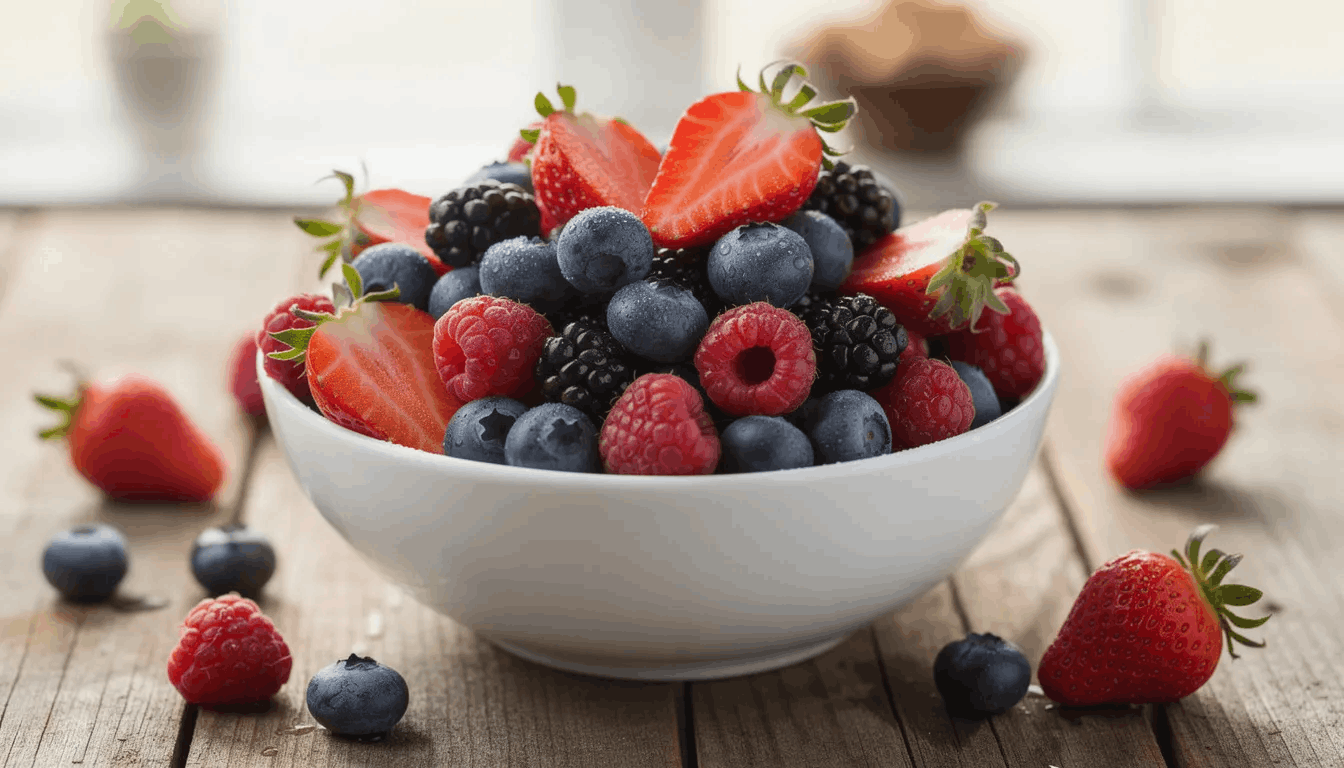
Deeply colored berries including blueberries, blackberries, raspberries, strawberries and sweet cherries provide quercetin alongside anthocyanins and other flavonoids. Color intensity serves as a useful visual proxy for polyphenol density: the darker the berry, the richer the phytonutrient profile. Importantly, blueberries are a source of quercetin and contain 17 different phytochemicals.
Frozen berries retain much of their polyphenol content and are practical, year-round options for:
Smoothies
Yogurt bowls
Baked oat dishes
Quercetin content varies by species and ripeness, but a daily handful of mixed berries can meaningfully contribute to total flavonoid intake while supporting vascular and brain health.
At Peqish, our freeze-dried blueberries are a convenient and nutrient-dense way to enjoy quercetin-rich fruits anytime. These freeze-dried fruits retain most of their antioxidant properties, including quercetin benefits, making them an excellent addition to breakfast parfaits, overnight oats, and healthy snacks designed to support cardiovascular and cognitive health. Freeze drying preserves the natural flavors and nutrients without added sugars or preservatives, aligning with Peqish’s commitment to clean, evidence-based nutrition.
7. Tomatoes and Cherry Tomatoes
All tomatoes are good sources of quercetin, with cherry tomatoes being the best due to their higher skin-to-flesh ratio. Compared to other fruits and vegetables, tomatoes contain moderate amounts of quercetin, primarily concentrated in their skin. Cherry and grape tomatoes have a higher quercetin content per gram than larger slicing varieties because of their greater skin proportion.
One study reported that organic cherry tomatoes may contain up to 79% more quercetin than conventionally grown ones. This finding comes from a single small study and has not been consistently replicated; treat it as preliminary rather than established.
The synergy with other nutrients makes tomatoes valuable: lycopene, vitamin C, and potassium all contribute to heart health and blood pressure support. Preparation considerations:
| Preparation Method | Quercetin Retention | Other Benefits |
|---|---|---|
| Raw (salads, salsas) | Higher | Maximum quercetin |
| Slow-cooked sauces | Lower | Increased lycopene bioavailability |
| Roasted | Moderate | Concentrated flavor |
8. Red Leaf Lettuce and Other Leafy Greens
Red leaf lettuce, romaine, and other pigmented lettuces serve as lighter but consistent contributors to daily quercetin intake. The outer, sun-exposed leaves tend to be richest in polyphenols. Food chemistry databases show red leaf lettuce can contain significantly more quercetin than green varieties.
Japanese dietary studies have identified red leaf lettuce as a meaningful quercetin source during summer months when fresh salads are commonly eaten. Serving ideas include:
Mixing red leaf lettuce with kale and herbs in salads
Using as a base for grain and legume bowls
Adding to wraps and sandwiches
While per-serving quercetin may be moderate, frequent consumption of leafy salads adds up across the day. This aligns with Peqish’s salad-focused lunch offerings for weight management, cardiovascular health, and blood sugar control and our broader approach to nurturing gut health and well-being.
9. Green and Black Tea
Brewed green tea and black tea are notable beverage sources of quercetin and other catechins. Green tea typically retains more of these antioxidants due to gentler processing methods that preserve the leaf’s original compounds.
Real-world dietary intakes data from Japan show green tea and onions as leading contributors to quercetin consumption in that population. Brewing guidance:
Water temperature: 160–180°F (70–80°C) for green tea; boiling for black tea
Steeping time: 2–3 minutes for green tea; 3–5 minutes for black tea
Additions: Avoid excessive sugar or syrups that undermine health benefits
Replacing sugary drinks with unsweetened green tea as a daily habit complements other quercetin-containing foods. Peqish’s approach to beverage pairing emphasizes teas and infusions that support gut, heart, and immune health while aligning with sugar-conscious meal plans.
10. Grapes and Red Wine (With Caution)
Red and purple grapes contain quercetin and resveratrol in their skins, with darker varieties offering higher levels than green grapes. Various fruits in the grape family contribute meaningfully to polyphenol intake when consumed regularly.
Moderate red wine consumption can provide quercetin, but alcoholic beverages are not appropriate or recommended for everyone—particularly individuals with certain medical conditions, those taking medications, pregnant individuals, or people in recovery. The therapeutic effects of quercetin don’t justify starting alcohol consumption.
Non-alcoholic alternatives include:
Whole grapes as snacks
Small portions of grape juice (watch sugar content)
Roasted grape dishes in salads
Grape-based vinaigrettes
Peqish’s health-first perspective prioritizes whole grapes and polyphenol-rich, alcohol-free options. If you currently don’t drink red wine, there’s no evidence-based reason to start for quercetin’s sake.
11. Herbs and Medicinal Plants (Ginkgo, St. John’s Wort, Elderberry)
Certain herbs and botanicals—including ginkgo biloba, St. John’s wort, and elderberry—contain quercetin alongside other active plant compounds. These are typically consumed as teas, tinctures, or supplements rather than staple foods.
Important considerations:
St. John’s wort interacts with many medications, including antidepressants, birth control, and chemotherapy drugs
Ginkgo may interact with blood thinners
Elderberry appears in immune-support formulas, syrups, and lozenges, often used during cold and flu seasons
12. Buckwheat
Buckwheat is a highly concentrated staple source of quercetin. Published values for whole buckwheat groats range from approximately 36–90 mg per 100 g depending on variety and processing method. Despite its name, buckwheat is actually a seed, not a true grain, and is naturally gluten-free.
Common uses include:
Buckwheat porridge for breakfast
Soba noodles in balanced grain bowls
Buckwheat flour for pancakes and baked goods
In addition to quercetin, buckwheat offers fiber, magnesium, and rutin - a related flavonoid beneficial for vascular health - making it especially valuable for cardiovascular and metabolic support.
Peqish emphasizes evidence-based, clinically reviewed botanicals in any formulations and encourages patients and customers to discuss herbal products with their clinician or pharmacist before use. The focus should be on awareness and safety rather than specific dosing recommendations.
How Cooking and Preparation Affect Quercetin
uercetin is relatively heat-stable, but it can leach into cooking water. Your cooking methods directly influence how much ends up on your plate versus in the pot.
Boiling tends to decrease quercetin content in foods like onions and asparagus because the flavonoids migrate into the water. If you’re making soup and consuming the broth, this matters less—you’re recapturing what leached out.
Microwaving with minimal water, steaming, roasting, and grilling generally maintain more flavonoids. These low-water methods keep quercetin in the food rather than dissolving it away.
Simple at-home guidance—along with incorporating convenient, real-fruit options like our freeze dried banana mix smoothie bites—can help you keep antioxidant-rich foods on hand:
| Method | Quercetin Retention | Best For |
|---|---|---|
| Raw | Highest | Onions, apples, berries, leafy salads |
| Steaming | High | Broccoli, asparagus, kale |
| Roasting | High | Onions, tomatoes, asparagus |
| Stir-frying | Moderate-High | Mixed vegetables |
| Boiling | Lower | Use the cooking liquid in soups/sauces |
Keep skins and outer leaves when edible apple peels, onion outer layers, and dark leafy greens are where quercetin concentrates. Eating some quercetin-rich foods raw (onions, apples, berries) and some cooked provides variety while balancing digestibility, food safety, and nutrient retention.
At Peqish, we factor these principles into recipe design, using cooking liquids in sauces and broths to recapture any quercetin that does leach out.
Obtaining Enough Quercetin in Your Diet
Getting enough quercetin in your daily diet is simpler than you might think—especially when you focus on a colorful, plant-forward plate. Quercetin-rich foods are abundant in many fruits, vegetables, teas, and even some herbs, making it easy to boost your quercetin intake while enjoying a variety of delicious, healthy foods, from fresh produce to portable options like freeze dried banana slices.
Why does this matter? Quercetin is a powerful antioxidant and one of the most widely consumed dietary flavonoids. It helps support a healthy inflammatory response, protects healthy cells from oxidative stress, and has been linked to a reduced risk of chronic diseases like cardiovascular disease and ischemic heart disease. Research, including randomized controlled trials, suggests that regular consumption of foods high in quercetin can help lower blood pressure, support immune cells, and promote overall better health.
A note on dosing expectations: the typical dietary intake from food is in the range of 6–40 mg per day for most people eating a varied diet. Clinical trials examining quercetin's effects on blood pressure, immune function, and inflammation have generally used supplemental doses of 500-2,000 mg per day - many times higher than food alone provides. This does not mean food-based quercetin is without value; it contributes to an overall protective dietary pattern. But it is important not to conflate research findings from high-dose supplement trials with what a salad or cup of tea delivers.
How to Add More Quercetin Foods to Your Daily Meals
Consistent, moderate quercetin intake across meals is more realistic and sustainable than chasing exact milligram targets. The goal is building habits around colorful produce rather than obsessing over food chemistry measurements.
Here’s how a day might look with quercetin-rich foods at each eating occasion:
Breakfast
Oats topped with sliced apples, mixed berries, and a handful of nuts
Green tea instead of coffee or juice
Lunch
Salad with red leaf lettuce, cherry tomatoes, sliced red onions, and an olive oil-based dressing
Add capers for a Mediterranean twist
Dinner
Grain bowl with roasted broccoli, kale, asparagus, and your protein of choice
Side of roasted onions or a simple tomato salad
Snacks
Whole grapes or apple slices with almond butter
Cup of green tea or black tea
For specific conditions Peqish serves, consider these modifications:
Hypertension: Rinse capers before use, limit processed meats, emphasize leafy greens
Diabetes: Choose whole fruits instead of juices, pair fruit with protein and fiber
Gut health: Include prebiotic-rich onions alongside probiotic-containing foods as part of an overall approach to naturally improving digestive health
Peqish’s medically tailored and condition-specific menus intentionally integrate multiple quercetin sources in portion-controlled, ready-to-eat meals—so you get enough quercetin without having to plan every detail yourself, whether that’s fresh salads, grain bowls, or convenient packaged sandwiches made with quality ingredients.
Build sustainable habits by planning grocery lists around colorful produce, prepping vegetables in batches on weekends, and using herbs and teas as daily “micro-doses” of polyphenols.
Quercetin Supplements vs. Food Sources
Food-based quercetin intake typically falls in the tens of milligrams per day, while supplemental doses used in research often range from hundreds to thousands of milligrams over short periods. This is a significant difference that affects how we should think about each approach.
Clinical trials have found supplemental quercetin up to around 1,000–2,000 mg daily to be generally well tolerated for short durations. However, long-term safety and optimal dosing remain less clearly defined. Key considerations include:
Bioavailability: Quercetin glycosides from foods vs. aglycone forms in supplements behave differently. Some formulations combine quercetin with vitamin C or other compounds to enhance absorption.
Medication interactions: High doses may interfere with certain medications via CYP3A4 inhibition, including some antibiotics and chemotherapy drugs.
Professional guidance: Before using high-dose supplements, consult with a healthcare provider—especially if you have kidney concerns or take multiple medications.
For most people, prioritizing a plant-forward dietary pattern rich in quercetin-containing plant foods is the foundational step. Supplements can be considered as adjuncts when clinically appropriate, but they don’t replace the benefits of diverse natural substances found in whole foods.
Peqish’s stance: we focus on delivering polyphenols and other bioactives primarily through meals, snacks, and chef-crafted functional foods, complemented where appropriate by innovations like our Phyto-P plant-based antioxidant extract. We support supplement decisions being made alongside healthcare teams rather than as default interventions.
When Should You Supplement?
Quercetin is commonly available as a dietary supplement, with typical recommended doses ranging from 500 to 1,000 mg per day. However, quercetin on its own has low bioavailability, meaning the body absorbs it inefficiently. Combining quercetin with fibers from fenugreek seeds has been shown in some studies to improve absorption.
From a safety standpoint, quercetin carries GRAS (Generally Recognized as Safe) status in the United States, and clinical studies suggest doses up to 2,000 mg daily are tolerated for short periods. Long-term safety data remain limited. Consult a healthcare provider before starting supplementation, particularly at higher doses and consider comprehensive options such as our Phyto-P quercetin-rich polyphenol supplement where appropriate.
Putting It All Together: A Food-as-Medicine Approach to Quercetin
Quercetin is abundant in many foods you likely already enjoy - onions, apples, berries, tomatoes, capers, and green tea among them. Variety and consistency matter more than fixating on any single “superfood” or hitting an exact daily target.
Diets centered on colorful, minimally processed plants are strongly associated with reduced risk of cardiovascular disease, certain cancers, type 2 diabetes, and age-related decline. Quercetin is one of many helpful compounds in this pattern, working alongside fiber, other vegetables, and the full spectrum of nutrients that commonly eaten foods provide.
At Peqish, we integrate quercetin-rich ingredients into our medically tailored meals and functional foods to support heart, metabolic, immune, and skin health. This applies across our B2C offerings and institutional partnerships with hospitals, academic organizations, and school lunch programs. Our approach reflects what the research consistently shows: better health comes from delicious ways of eating real food, not from isolated compounds in capsules.
Start with one or two realistic changes:
Add a daily serving of mixed berries to breakfast
Switch from sugary drinks to unsweetened green tea
Include red onions and leafy greens in one main meal each day
Keep apple slices on hand as a portable, eaten raw snack
These small shifts, maintained over time, can meaningfully increase your flavonoid intake and contribute to the protective dietary patterns associated with human health and longevity.
If you’re ready to take the guesswork out of evidence-based eating, explore Peqish’s medically tailored meal options—or work with healthcare professionals and registered dietitians to design personalized nutrition plans that leverage quercetin-rich foods as part of a comprehensive health strategy. The normal part of eating well shouldn’t feel complicated. It should taste good and fit your life.
Disclaimer
The information provided in this article is for educational and informational purposes only and is not intended as medical advice. While we work diligently to provide accurate and up-to-date information, we make no representations or warranties of any kind, express or implied, about the completeness, accuracy, reliability, suitability, or availability with respect to the content. The information contained herein should not be used as a substitute for the advice of an appropriately qualified and licensed physician or other healthcare provider. The suggestions and insights should not be used for diagnosing or treating a health problem or disease, or prescribing any medication. Always seek the advice of your physician or other qualified health provider with any questions you may have regarding a medical condition or treatment and before undertaking a new health care regimen. Never disregard professional medical advice or delay in seeking it because of something you have read on this site.

Antioxidants play a vital role in protecting our bodies from the harmful effects of oxidative stress, a condition caused by an imbalance between free radicals and the body's natural defenses. Free radicals are unstable molecules that can damage cells, proteins, and DNA, contributing to the development of chronic diseases such as cancer, heart disease, and neurodegenerative disorders. Understanding antioxidants and their sources can empower you to make healthier dietary choices that support long-term well-being.
This article delves into the science behind antioxidants, explaining how these powerful molecules neutralize free radicals and prevent cellular damage. You'll discover the best natural sources of antioxidants, including a wide variety of fruits, vegetables, nuts, seeds, and whole grains, and learn why a diet rich in these foods is linked to lower risks of many chronic diseases. The article also highlights how cooking methods can influence antioxidant levels, sometimes enhancing their availability and other times causing losses, offering practical tips to maximize their benefits.
Beyond diet, the article explores the complex relationship between antioxidant supplements and health. While supplements may seem like an easy solution, scientific evidence suggests that they do not always provide the same benefits as antioxidants from whole foods and, in some cases, may even pose risks. The discussion includes important insights into how high doses of certain supplements can have adverse effects, emphasizing the importance of consulting healthcare providers before starting any supplementation.
You'll also find an overview of the different types of antioxidants, such as vitamins C and E, beta-carotene, and polyphenols, and how they contribute uniquely to health. The article touches on how antioxidants support immune function, protect skin and brain health, and may help slow age-related decline.
Whether you're interested in improving your diet, understanding the science of antioxidants, or considering supplements, this comprehensive guide offers evidence-based information to help you navigate the topic confidently. Dive into the full article to uncover the fascinating world of antioxidants, learn how to incorporate them into your lifestyle, and take proactive steps toward better health.