Posts tagged Inflammation
Foods High in Quercetin: Top Sources, Benefits, and How to Use Them

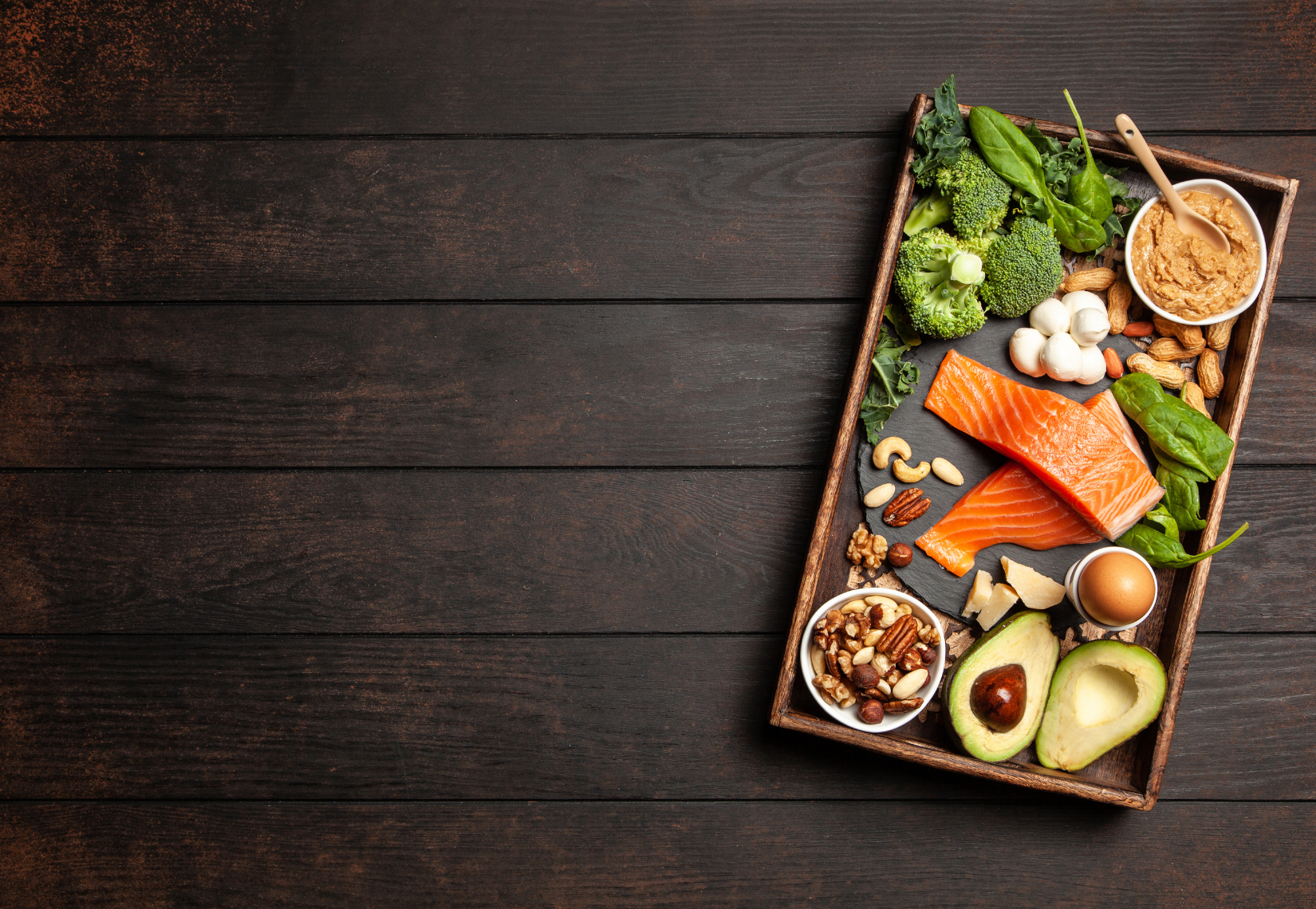
Discover the remarkable world of quercetin, a powerful flavonoid antioxidant found abundantly in everyday colorful fruits, vegetables, and herbs. From the vibrant red onions and crisp apples to the tangy capers and antioxidant-rich berries, quercetin is nature’s secret weapon for supporting your health. This naturally occurring compound plays a crucial role in neutralizing harmful free radicals, promoting a healthy inflammatory response, and supporting cardiovascular and immune health.

Imagine enhancing your meals with foods that not only delight your taste buds but also provide therapeutic effects that could help maintain healthy blood pressure, support brain function, and potentially reduce the risk of chronic diseases. Quercetin-rich foods are more than just ingredients; they are allies in your journey toward wellness.

But did you know that how you prepare these foods can significantly impact their quercetin content? Cooking methods like boiling may reduce quercetin levels by up to 30%, while techniques such as steaming, roasting, or microwaving without water help preserve this valuable nutrient. Pairing quercetin-rich foods with healthy fats or vitamin C-packed ingredients can further enhance absorption, making your meals both delicious and nutritionally potent.

For those seeking an extra boost, quercetin supplements offer a convenient option, with recommended doses typically ranging from 500 to 1,000 mg per day. However, it is essential to be mindful of dosage and consult with healthcare professionals, especially since excessive intake might affect kidney health. The natural synergy of quercetin in whole foods often provides a safer, more balanced approach to harnessing its health benefits.

Whether you’re interested in supporting heart health, managing inflammation, or simply embracing a diet rich in antioxidants, understanding foods high in quercetin empowers you to make informed choices. This article dives deep into the top sources of quercetin, how to maximize its benefits through preparation, and the latest insights into its health effects.

Ready to unlock the potential of quercetin and transform your diet into a vibrant, health-enhancing experience? Explore the full guide to discover practical tips, delicious food ideas, and evidence-based knowledge that can help you thrive naturally. Your journey to better health starts here—let quercetin be part of your everyday wellness strategy.

Read More

Essential Strategies to Boost the Immune System for Optimal Health

In a world where health is wealth, your immune system is your greatest asset. This blog article, “Essential Strategies to Boost the Immune System for Optimal Health,” is a comprehensive guide that cuts through the complexity of health jargon to offer straightforward, effective strategies for enhancing immune health.

From the foods you eat to the hours you sleep, this guide provides practical tips to strengthen your body’s natural defenses against disease. It emphasizes the importance of a diet rich in micronutrients, particularly from plant-based foods, and highlights the role of regular moderate-intensity physical activity, hydration, and quality sleep in boosting immune function.

The article delves into the power of nutrition to enhance immunity, explaining how consistently consuming healthy foods can support your body’s ability to fend off disease and infection. It also underscores the importance of plant-based foods in boosting immunity, recommending a diverse array of five to nine servings of fruits and vegetables every day.

The article explores the adverse effects of chronic stress on the immune system and offers effective stress management strategies. It also discusses the compelling connections between gut health and immunity, and recommends foods enriched with probiotics for a balanced intestinal microbiome.

This guide is a must-read for anyone looking to boost their immune system and achieve optimal health. Click to read the full article and unlock the secrets to a stronger, healthier you.

Read More
Optimizing Your Gut Microbiome: The Key to Enhanced Health and Well-Being

What is all the hype about the gut microbiome?

The gut microbiome is a critical aspect of overall well-being, and this article serves as an excellent resource to help you grasp its basics.

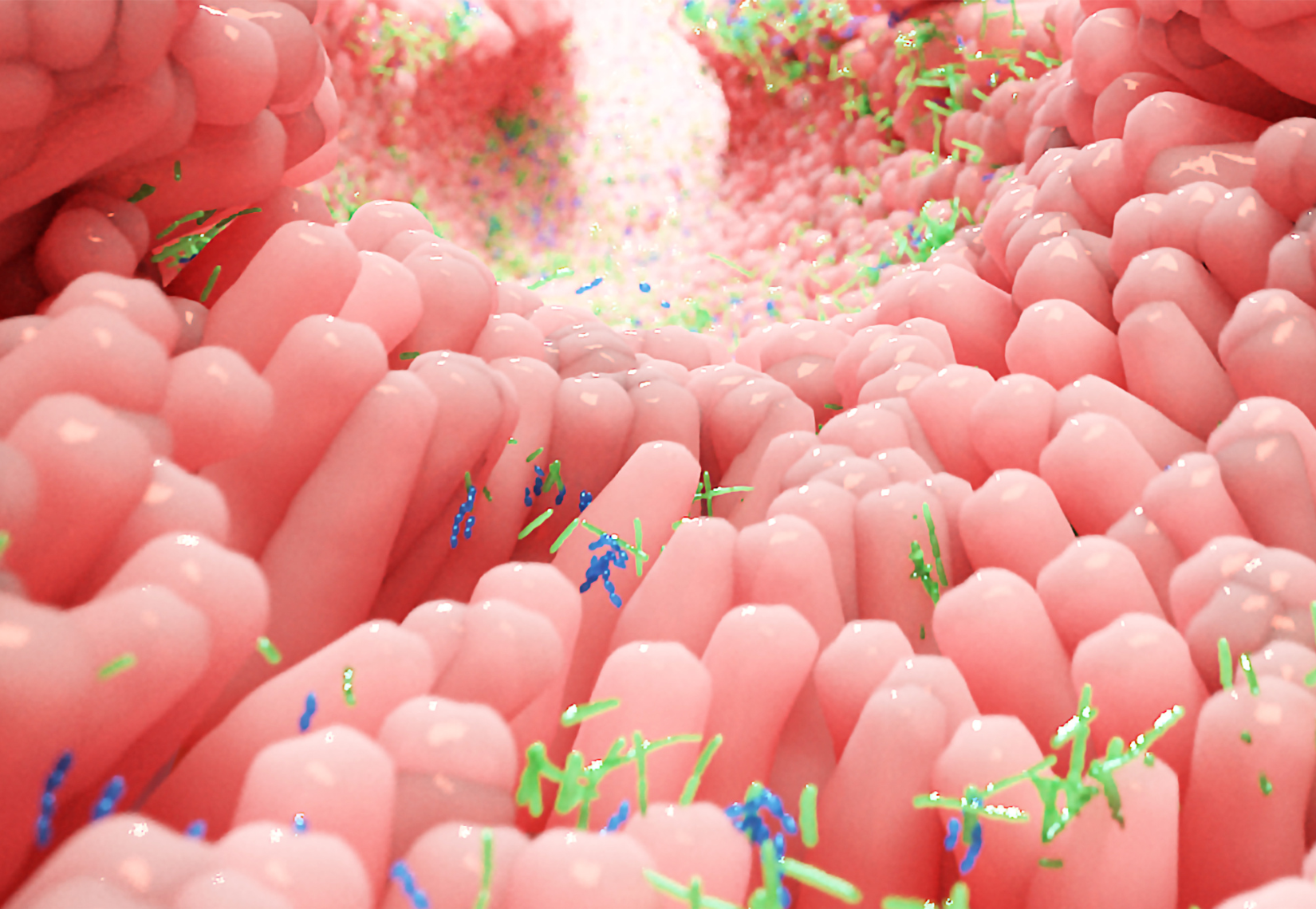
The human gut microbiome is an intricate and dynamic ecosystem, teeming with trillions of microorganisms that play a pivotal role in our health. This complex network of bacteria, viruses, fungi, and other microscopic life forms resides primarily in the colon and has a profound impact on everything from digestion and vitamin production to immune system regulation and metabolism.

Understanding the gut microbiome begins with recognizing its functions. These microorganisms are not passive; they actively contribute to the digestion of nondigestible carbohydrates, produce essential nutrients like vitamins B12 and K, and enhance the body's defenses by producing antimicrobial compounds. They also help maintain a balanced pH in the colon and prevent colonization by pathogenic bacteria.

The composition of the gut microbiome is unique to each individual, influenced by a myriad of factors including diet, lifestyle, age, and medication exposure. It's essential for you to know that your daily choices can shape the gut microbiota, promoting the growth of beneficial species and suppressing harmful ones. For instance, a diet rich in diverse fibers supports microbial diversity and metabolic health, while certain medications like antibiotics can disrupt the microbiota balance.

Imbalances in the gut microbiota, known as dysbiosis, can contribute to various health conditions such as inflammatory bowel disease (IBD), irritable bowel syndrome (IBS), diabetes, obesity, and liver disease. Therefore, maintaining a healthy gut microbiota is crucial for disease prevention and management.

To optimize gut health, individuals can adopt several strategies. Incorporating prebiotics and probiotics into the diet can nourish beneficial gut bacteria and confer health benefits. Lifestyle changes, including increased fiber intake, regular exercise, and stress management, can also support a healthy gut microbiome.

This article delves into the complexities of the gut microbiome and provides actionable insights for enhancing its beneficial impact on health. It serves as an invaluable tool for healthcare professionals seeking to educate their patients about the significance of gut health and the steps they can take to maintain it.

By sharing this resource, you empower individuals with knowledge to make informed decisions about their diet and lifestyle, ultimately leading to improved health outcomes. The gut microbiome is a fascinating and essential part of human health, and understanding it is the first step towards harnessing its power for well-being.

Read More
Understanding Gut Leak: Symptoms, Causes, and Effective Management Strategies

Leaky gut syndrome is a term that has garnered significant attention due to its potential impact on overall health. While not officially recognized as a medical diagnosis, the term refers to the theory of increased intestinal permeability beyond normal levels.

The intestine is naturally semi-permeable to allow the absorption of nutrients and water into the body while keeping out harmful substances. This selective of intestinal wall permeability is a critical function of a healthy digestive system. However, the term "leaky gut" suggests a scenario where the gut lining has become more permeable than is considered normal, potentially allowing larger, undigested food particles, toxins, and bacteria to pass through the gut wall into the bloodstream.

The gut lining is a complex and dynamic barrier that normally allows nutrients to pass into the body while keeping harmful substances out. When this barrier is compromised, it can contribute to various health problems, including autoimmune diseases, food sensitivities, and inflammatory conditions. Symptoms of leaky gut can be diverse and may include digestive issues such as bloating and gas, as well as systemic concerns like, chronic fatigue syndrome, joint pain, and skin conditions.

Diet plays a crucial role in the health of the gut and intestinal lining too. Foods that are high in sugar and saturated fats can contribute to the breakdown of the gut barrier, while a diet rich in whole foods and fiber can support its integrity. Probiotics, found in naturally fermented foods or clinically proven supplements, can also help maintain a healthy balance of gut bacteria, which is essential for a strong intestinal lining.

Managing stress is another important aspect of treating leaky gut. Chronic stress can weaken the gut barrier and exacerbate symptoms. Incorporating stress-reduction techniques such as meditation, deep breathing exercises, and regular physical activity can be beneficial to treat leaky gut.

In some cases, supplements may be recommended to support the healing of the gut lining. L-glutamine, an amino acid, is often used for its ability to repair and regenerate the gut wall. Other supplements, such as omega-3 fatty acids, vitamins A, C, and E together with polyphenols, have anti-inflammatory properties that can help soothe the gut and reduce permeability.

It's important to note that leaky gut syndrome is not a medically recognized condition, and more research is needed to fully understand its implications. However, the concept of increased intestinal permeability is well-supported, and addressing gut health is a valid and important aspect of maintaining overall wellness.

If you suspect you have symptoms related to leaky gut, it's advisable to consult with a healthcare professional. They can help determine the underlying cause of your symptoms and develop a personalized treatment plan. This may include dietary changes, stress management techniques, and supplements, all aimed at restoring the integrity of the gut lining and improving your health.

While leaky gut syndrome remains a topic of debate within the medical community, the importance of a healthy gut barrier is indisputable. By taking steps to protect and heal the gut lining, individuals can potentially reduce inflammation and prevent a range of health associated issues.

Read More