
How Much Quercetin Per Day: Benefits, Dosage, and Safety
Content reviewed by Dr. Anthony Marotta PhD
Quercetin is an antioxidant and plant pigment responsible for the vibrant color in many fruits and vegetables. As a naturally occurring flavonoid, quercetin’s antioxidant effects stem from its ability to neutralize free radicals, which helps reduce oxidative stress and supports overall wellness. The flavonoid content of foods, including quercetin, is important for health benefits such as immune support and cardiovascular disease protection. Its absorption is enhanced when combined with other ingredients like vitamin C, and it can be sourced from foods such as apples and onions, though supplements provide higher concentrations.
This article highlights the importance of understanding quercetin’s benefits, dosage, potential side effects, and interactions with medications, offering valuable insights for those considering supplementation to manage conditions like arthritis, diabetes, or heart disease and general health. Ongoing research is being conducted into the specific daily amounts of quercetin supplements necessary for health benefits. The article also emphasizes the need for personalized guidance from a healthcare provider to ensure safety and effective use based on individual needs.
While generally safe for short-term use, it is important to be aware of potential interactions with certain medications, making consultation with healthcare providers essential for personalized guidance.
Research suggests that the recommended daily dosage of quercetin ranges between 250 mg to 1,000 mg, with a suggested split of 500 mg to 1,000 mg for optimal health benefits.
Quercetin’s effectiveness and required dosage depend on individual health goals, age, and lifestyle factors, emphasizing the need for tailored supplementation.
Prioritize quercetin‑rich foods as the primary means of obtaining quercetin.****Access the free guide below.
The information in this article was curated by the Peqish Health Advisory Team to provide an evidence‑based, clinically informed overview to support informed decision‑making.
Consider supplementation with natural health products only in consultation with your healthcare provider. If you have any specific questions related to the information contained in this article, please don’t hesitate to Get in Touch with us (link in footer below)
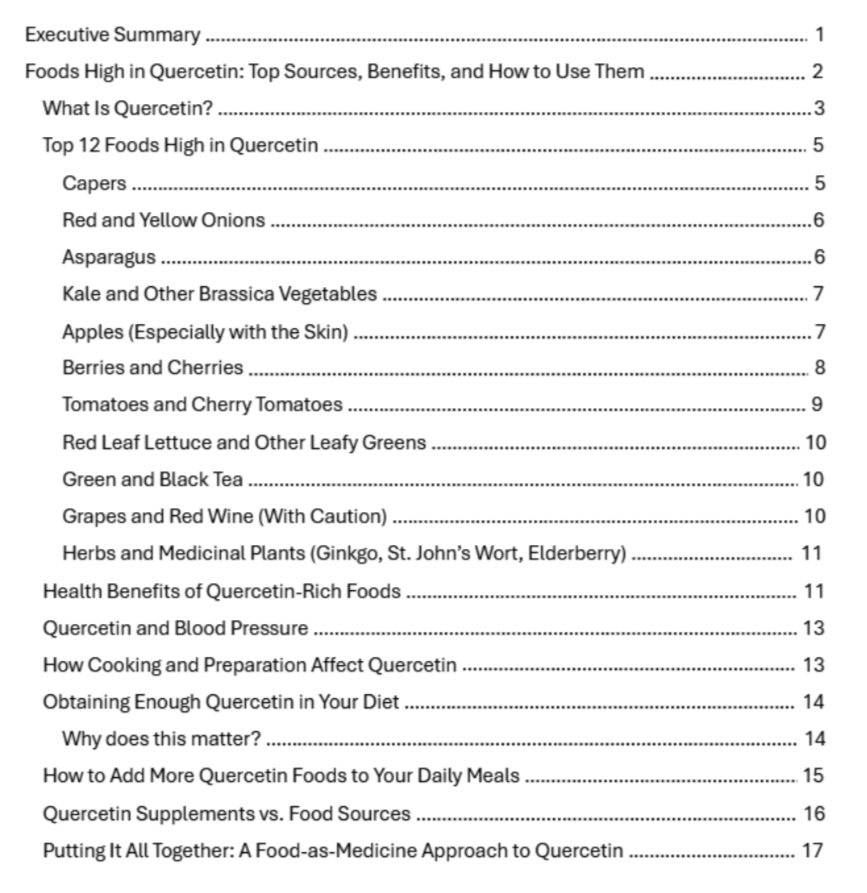
Get Your Free Evidence Backed Quercetin Food Guide
Discover the top foods and practical tips to naturally increase daily intake.
How Quercetin Works
Quercetin is a plant-derived flavonoid renowned for its powerful antioxidant properties, making it a valuable addition to any wellness routine. As an antioxidant, quercetin helps protect the body from free radicals - unstable molecules that can damage cells and contribute to a range of health problems, including chronic inflammation, heart disease, and even certain types of cancer. By neutralizing these free radicals, quercetin supports cellular health and helps reduce oxidative stress throughout the body.
One of the key ways quercetin works is through its anti-inflammatory effects. By modulating inflammatory markers and pathways, quercetin can help reduce inflammation, which is at the root of many chronic health conditions. This anti-inflammatory action is particularly beneficial for individuals dealing with allergies, autoimmune issues, or inflammatory conditions like arthritis.
Quercetin also plays a role in cardiovascular health. Research suggests that taking quercetin supplements may help improve blood flow and lower blood pressure, thereby reducing the risk of heart disease. Its ability to relax blood vessels and support healthy circulation makes it a promising option for those looking to manage high blood pressure or support overall heart health.
When considering quercetin supplementation, it’s important to choose the right dosage range for your needs. Most studies support a daily intake of 500–1,000 mg, but the optimal amount can vary depending on your health goals and existing health conditions. Always consult with a healthcare provider before taking quercetin supplements, especially if you are on certain medications or have underlying health problems, to ensure safe and effective use. By understanding how quercetin works in the body, you can make informed decisions about incorporating this potent antioxidant into your daily routine for maximum health benefits.
Recommended Daily Dosage of Quercetin
Dosage recommendations for quercetin supplements are generally between 500 mg and 1,000 mg per day. Common oral dosages can be up to 500 mg twice a day, but optimal doses have not been established for any condition. This dosage range is thoughtfully established to enhance the health benefits of quercetin while keeping potential risks at bay. For individuals seeking an improvement in overall health, it’s often advised to take between 500 mg and 1,000 mg of quercetin daily, divided into several doses.
Quercetin is generally safe for most healthy adults when used long-term at a dosage of 1,000 mg daily, but some may experience mild digestive upset or headaches at higher doses. Research indicates that taking up to a gram (1,000 mg) daily for periods no longer than three months is considered safe without causing toxicity or negative effects. Those intending to harness specific health benefits from quercetin can find comfort in its safety over these short-term durations [1].
Despite the general acceptance of these dosages as being safe for most people, personal medical needs may differ. To tailor the amount more precisely to your unique health objectives and circumstances, consulting with a healthcare provider is recommended. To minimize potential side effects, it is recommended to start with lower doses of quercetin and gradually increase to assess tolerance.
Factors Influencing Quercetin Dosage
1. Health Goals
Rheumatoid Arthritis: Studies suggest a dose of 500 mg per day for 8 weeks may help reduce inflammation and improve symptoms [2].
Cardiovascular Health: Research shows that Quercetin doses between 100-730 mg per day for 8-12 weeks can improve blood pressure, cholesterol, and inflammation [3].
Diabetes: Publications suggest that Quercetin doses of 500 mg or more per day for at least 8 weeks can lower blood sugar and insulin levels [4].
2. Bioavailability (Absorption)
The form of quercetin you take affects how well your body absorbs it. For example, LipoMicel® quercetin significantly increases blood concentrations. Improved oral absorption can also be achieved through new delivery systems, such as those based on food grade lecithin or other advanced formulations. Delivery system based approaches, including the use of food grade lecithin, are specifically designed to enhance the bioavailability and effectiveness of quercetin supplements, addressing the fact that quercetin can have low bioavailability in its standard form.
Some supplements include ingredients like vitamin C or bromelain to help improve absorption, although not all combinations are backed by research [5].
3. Dosage and Safety
Typical Dosage: Quercetin is often taken in doses between 500-1000 mg per day, typically for 8-12 weeks.
High Doses: Higher doses may work better, but we don’t know enough about the long-term safety of taking over 1000 mg per day for extended periods.
4. Existing Health Conditions
Kidney Issues: People with kidney problems should avoid quercetin, especially in high doses, as it could cause kidney damage.
Polycystic Ovary Syndrome (PCOS): Studies have shown that 1 g (1000 mg) per day for 12 weeks can improve metabolic markers in people with PCOS [6].
5. Medication Interactions
Quercetin can interact with certain medications. It may enhance the effects of chemotherapy drugs like doxorubicin and cisplatin but can reduce the effectiveness of others [7]. Quercetin may also interact with certain antibiotics, cyclosporine, and warfarin, potentially raising the risk of side effects and requiring medical guidance.
It may also increase the effectiveness of corticosteroids, leading to longer effects in the body [8].
6. Dietary Intake
You likely get some quercetin naturally from foods like apples, onions, and berries. Selected foods such as capers, onions, apples, berries, grapes, red wine, green tea, and citrus fruits contain the highest concentrations of quercetin. Organic tomatoes can contain up to 79% more quercetin than conventionally grown ones, showing how food affects quercetin content. The quercetin content of foods can decrease greatly from harvest to plate due to factors like transport, storage time, cooking, and peeling. The average person consumes between 5 and 40 milligrams of quercetin daily through food sources, but a nutrient-dense diet could offer up to 500 mg [9].
These factors should be considered when deciding on the right quercetin dosage for your needs. Always consult a healthcare provider before starting supplementation, especially if you have health conditions or take medications.
Summary Table
Here’s a simple summary of the dosage ranges and study examples already discussed on this page. These values come directly from consumer‑facing health articles and study descriptions. They are not recommendations. Always speak with a healthcare professional about your own situation.
| Context (as described in consumer-facing sources) | Typical Dosage Range Mentioned | Notes |
|---|---|---|
| General supplemental intake | 250–1,000 mg per day | Commonly cited range across consumer health summaries; short-term use emphasized. |
| Common “overall health” band | 500–1,000 mg per day | Often presented as a general wellness range; personalization recommended. |
| Short-term tolerability (as referenced in articles) | Up to 1,000 mg/day for ≤12 weeks | Frequently described as generally tolerated for short-term use. |
| Study examples summarized in consumer content | 100–730 mg/day (8–12 weeks) | Ranges shown in cardiovascular and metabolic study summaries. |
| Another example study often cited | ~500 mg/day for ~8 weeks | Appears in rheumatoid arthritis study summaries; context-specific. |
| Safety cautions | No specific mg amount — contextual warnings only | Cautions include pregnancy/breastfeeding, kidney disease, and interactions with medicines. |
Dosage ranges online vary because they come from different types of studies with different goals, durations, and populations. This page simply summarizes the numbers your article already references. Food‑first patterns—onions, apples with peel, berries, herbs, peppers, greens, and tea remain a practical way to include quercetin in everyday eating.
Clinical Studies on Quercetin Dosage
Clinical investigations provide important data regarding the optimal dosages of quercetin for various health benefits. For example, a study found that consuming 1 gram of quercetin each day over 28 days did not notably influence cardiovascular risk factors among healthy participants with normal cholesterol levels, suggesting that the advantages of quercetin may be more pronounced in individuals who already face health challenges [10].
While animal studies have shown that quercetin can suppress the growth of cancer cells and may help reduce allergy symptoms, these promising results require further validation in human studies before clinical recommendations can be made.
A comprehensive meta-analysis encompassing 16 randomized controlled trials concluded that intake of quercetin supplement considerably lowered both total and LDL cholesterol measurements. This underscores its potential role in supporting cardiovascular wellness, especially for those with high cholesterol issues [11].
Evidence suggests taking just 150 mg daily dosage boosts six-week results (lowered systolic pressure) which is specifically helpful when managing hypertension without causing detriment to renal or hepatic functions. Studies indicate that quercetin supplementation can reduce both systolic and diastolic blood pressure, making it beneficial for individuals with elevated blood pressure. Impactful beneficial effects against metabolic syndrome are also noted including reduced oxidized low-density lipoprotein levels after continuous consumption on identical amount aforementioned term indicating capability reducing force has efficiency within context elevated blood pressures due condition [12].
Related to Quercetin’s anti-viral effects, despite studies showing no significant reduction in upper respiratory tract infection rates from doses between 500 mg to 1,000 mg daily among patients using supplemental quercetin, an independent trial involving COVID-19 patients suffering severe symptoms observed favorable outcomes when they received a regimen combining antiviral medications and an additional supplementation of quercetin at the rate of one thousand milligrams per day [13].
Overall, while animal studies and laboratory experiments show promising effects of quercetin, more research—especially human studies—is needed to confirm these findings and determine optimal dosages for different health conditions.
Safety and Potential Side Effects
When considering quercetin supplementation, it is essential to be aware of the recommended dosage and potential health considerations. For short-term use, quercetin is generally safe when taken in doses of up to 1 gram per day for up to three months. However, long-term use of high doses is not well-studied, so it’s crucial to consult with a healthcare professional before using quercetin over an extended period. People with kidney problems should avoid taking quercetin as it may worsen their condition, especially at higher doses. Quercetin can also interact with medications, affecting how they are metabolized by the liver. It may enhance the effects of blood thinners, increasing the risk of bleeding, and may alter the effectiveness of antihistamines and antibiotics [14].
Quercetin may also cause side effects such as headaches or tingling sensations in the arms and legs, particularly at higher doses. Therefore, it’s important to consult with a healthcare provider before starting quercetin, especially if you are pregnant, breastfeeding, or taking medications, to minimize potential risks. Your doctor can guide you on the appropriate dosage to ensure safety and effectiveness.
Quercetin in Food vs. Supplements
Supplementation with quercetin delivers a potent dose of this beneficial compound that surpasses what is typically achievable through dietary sources alone. An average Western diet provides only 0 to 30 milligrams of quercetin daily, significantly less than the amounts found in supplements. For instance, to match the 40 mg found in a standard quercetin in dietary supplement form, one would need to consume approximately eight and a half cups of low-quercetin products [15]. This stark contrast highlights how quercetin supplements can conveniently meet daily requirements for this vital flavonoid.
It is important to note that quercetin is commonly found in combination with various sugars in foods, which may affect its antioxidant effectiveness compared to pure quercetin in supplements. As a result, the same effect may not be achieved from food sources versus supplements, and the antioxidant and anti-inflammatory benefits can differ depending on the formulation. Additionally, how quickly quercetin works depends on factors such as the intended purpose, dosage, and individual health conditions. Consulting a healthcare professional is recommended for personalized advice.
The impact of dietary patterns on the benefits derived from additional quercetin cannot be overstated. Individuals who consume a diet rich in natural dietary quercetin may find that they require smaller supplemental doses. Incorporating foods high in these dietary flavonoids—such as apples, onions, and berries—into one’s diet can enhance overall levels of this flavonoid in the body, creating a synergistic effect when combined with direct supplementation.
How to Take Quercetin Supplements
Dosage:
Typical Dose: Most people take 500 to 1,000 mg per day, often split into two doses (e.g., 250-500 mg in the morning and evening).
Short-Term Use: It is generally safe to take up to 1 gram (1,000 mg) daily for up to three months [16].
Forms:
Quercetin supplements are available in capsule form, as well as tablets and powders. Choose a form that you find easy to take.
Timing:
Take quercetin with meals to improve absorption and reduce the chance of stomach upset. Taking quercetin with a slightly fatty meal can significantly improve its absorption.
Safety:
Quercetin is usually safe, but high doses (over 1 gram) may cause side effects like headaches or upset stomach. Quercetin supplements should be taken consistently to achieve maximum benefits over time.
The correct dose of these dietary flavonoids can vary widely, depending on personal health issues and concurrent therapies. The quercetin reduces blood pressure and adjustments in the dosage might be necessary because of possible interactions with various medications or existing health problems like high blood pressure when comorbidities are present.
There is a possibility that combining quercetin with specific prescription drugs could heighten their impact or adverse reactions, which requires vigilant observation. For instance, blood thinners’ effectiveness may be amplified by quercetin, raising the risk of excessive bleeding.
Thus, it’s vital to seek advice from healthcare professionals before commencing any regimen involving quercetin supplementation. This step is particularly important if you’re already using certain medications or contending with underlying medical conditions.
Why Consider Phyto-P™ Supplementation?
Because it delivers a concentrated source of antioxidants and these bioactive compounds are suggested to support recovery, cellular health, and everyday well‑being, quercetin is recognized for its multifaceted therapeutic applications, including antioxidant, anti-inflammatory, and immune-supporting properties.
The health effects of quercetin extend to supporting immune function, managing the severity of upper respiratory tract issues due to its antimicrobial properties, and potentially improving athletic performance by enhancing endurance and reducing the risk of infections after intense workouts. Research frequently explores the effects of quercetin on inflammation and immune function.
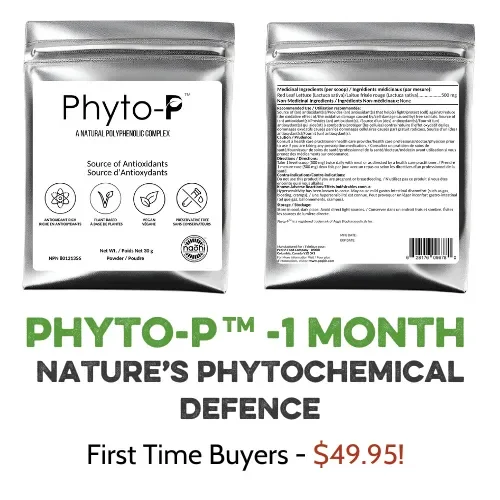
1. It’s extremely rich in polyphenols — far more than typical plant foods.
2. Antioxidants help counteract oxidative stress — a core driver of aging and inflammation.
3. Early research shows promising benefits for muscle recovery and mitochondrial health.
Phyto‑P is a natural plant rich extract containing up to nine times the antioxidant content including Quercetin, giving you a uniquely potent and synergistic antioxidant dose in a small serving. Antioxidants are known to combat free radicals by helping to neutralize these reactive molecules, reducing cellular damage and supporting long‑term health and vitality.
Health Benefits of Quercetin

The flavonoid quercetin is acclaimed for its broad spectrum of health benefits, which encompass antioxidant capabilities, the mitigation of chronic inflammation, and treating high blood pressure. Acting as a formidable scavenger of free radicals, it provides cellular protection against oxidative harm by neutralizing these unstable molecules and delivering notable antioxidant effects.
Studies indicate that quercetin has shown impressive efficacy in decreasing markers such as TNF-alpha and IL-6 linked to inflammation. Thus displaying its significant anti-inflammatory properties. Such attributes render it highly beneficial in alleviating discomfort associated with rheumatoid arthritis and inflammatory arthritis. Quercetin has also been linked to reduced inflammation by stabilizing cells that release histamine in the body.
Quercetin plays an essential role in other health benefits like safeguarding immune cells and cardiovascular wellness and may contribute to averting heart disease while enhancing the functionality of blood vessels. In women grappling with PCOS (Polycystic Ovary Syndrome), supplementation involving quercetin has demonstrated progressions in metabolic indicators pertinent to insulin sensitivity – this advancement also concerns the management of blood sugar levels related to quercetin glycosides.
Additionally, quercetin's antioxidant effects may help lower the risk of neurodegenerative disorders such as Alzheimer's disease. Research suggests that quercetin may help alleviate allergy symptoms by blocking the release of histamines and acting as a natural antihistamine by stabilizing mast cells, potentially managing symptoms like sneezing and itching. Quercetin is also associated with potential reductions in blood pressure and the oxidation of 'bad' LDL cholesterol, further supporting its role in cardiovascular and overall health.
Special Considerations for High Doses
Clinical settings might utilize high doses of quercetin for particular health issues. For instance, in individuals with diabetic kidney disease, a combination therapy involving 1,000 mg of quercetin and 100 mg of Dasatinib has been shown to lower inflammation markers in just 11 days [17].
The long-term implications and safety profile associated with elevated doses of quercetin remain undetermined. Due to limited research on its use during pregnancy and breastfeeding periods, using quercetin should be avoided.
In short-term scientific research, taking large quantities of quercetin seems safe — up to a maximum intake of one gram per day over stretches as long as three months. While there may be advantages from substantial dosages under certain medical scenarios, it’s vital to balance these against possible dangers and seek advice from healthcare practitioners.
Sources of Quercetin
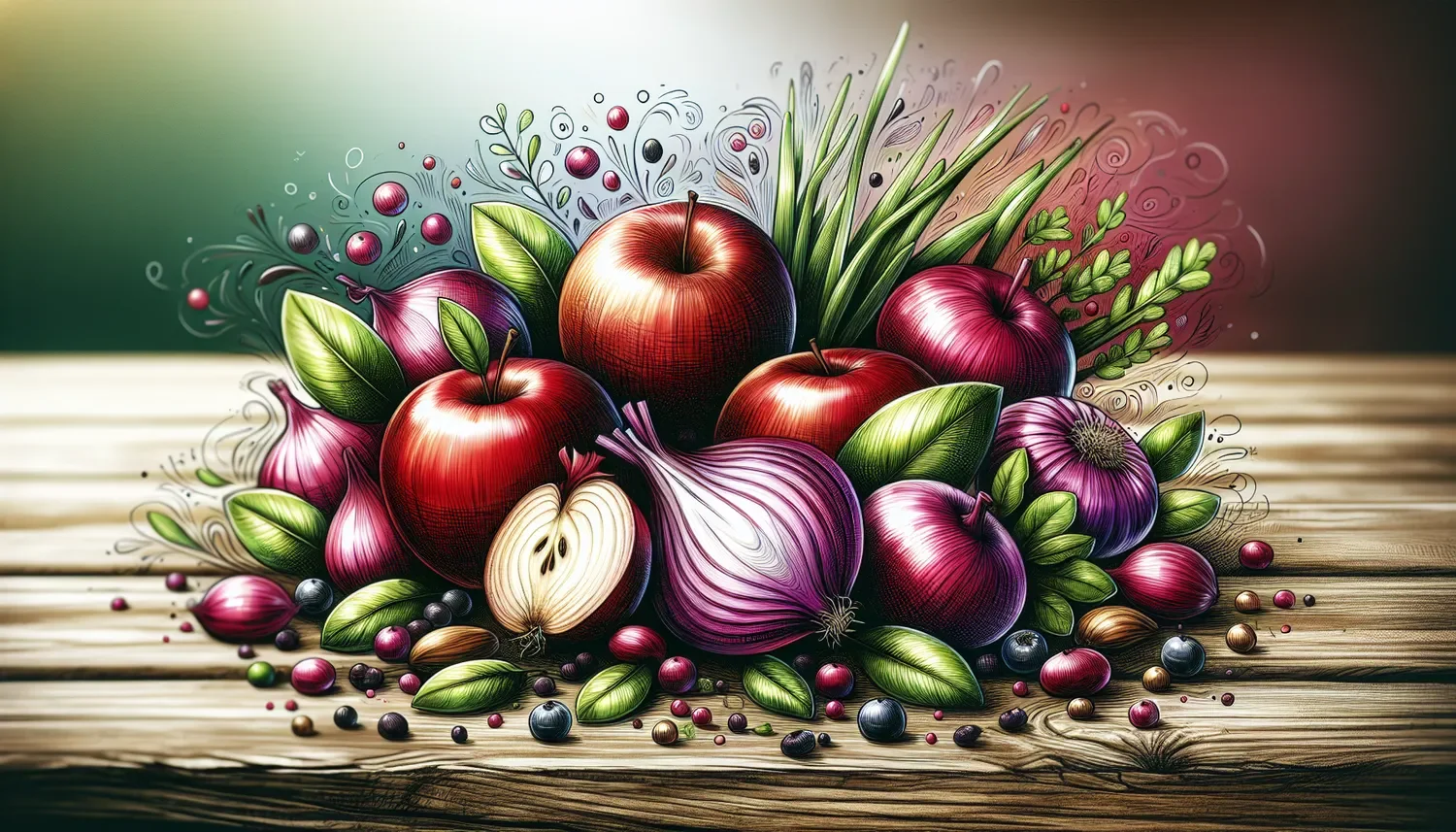
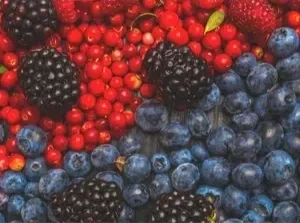
Green tea, red wine, and certain fruits and vegetables, such as apples, onions, parsley, and citrus fruits, are key sources of quercetin. Quercetin is a bioflavonoid found in many fruits and vegetables, and its quercetin content can vary significantly depending on the food source, cultivation methods, storage, and cooking processes. Capers are considered to be by far the most quercetin-rich food, containing approximately 233.8 mg of quercetin per 100 grams, while a medium onion contains about 15-20 mg. Consuming larger amounts of quercetin-rich foods like onions and apples can boost your intake, but you would need to eat 25-50 onions daily to reach therapeutic supplement levels. Dark berries, including blueberries and blackberries, are also excellent choices for increasing quercetin levels in your diet.
On average, individuals typically obtain between 5 to 40 mg of quercetin daily from food, although the exact amount may vary depending on personal dietary habits. Those who maintain a healthy, nutrient-rich diet filled with these foods can naturally increase their quercetin intake, thereby enjoying the health benefits associated with this powerful antioxidant.
To summarize, quercetin stands as a formidable flavonoid offering an array of health advantages such as its antioxidant properties and anti-inflammatory effects, bolstering cardiovascular health, and possibly enhancing metabolic indicators. While individual wellness requirements dictate the suitable daily intake of quercetin—usually between 250 mg to 1 gram—it is deemed safe for consumption in doses up to 1 gram daily over brief periods.
The precise amount of quercetin one should take hinges on factors like age, unique wellness objectives, lifestyle choices, and nutritional patterns. Though research studies have shed light on the potential benefits that come with quercetin use for diverse medical conditions, there’s still ambiguity regarding the long-term safety implications associated with consuming it at elevated dosages. Consequently, seeking advice from healthcare professionals prior to commencing any regimen involving quercetin supplementation is imperative, particularly for individuals already managing health issues or those who are under medication.
Opting either for natural sources or supplemental forms of obtaining your dose of this beneficial compound requires knowledge about proper administration and possible drug interactions. Thanks to contemporary advances such as Phyto-P supplement options, harnessing optimal well-being through augmented accessibility to this efficacious substance has been simplified.
Pregnancy and Lactation Considerations
For those who are pregnant or breastfeeding, it’s especially important to approach quercetin supplementation with caution. While quercetin is naturally present in foods like green tea, red wine, apples, and onions, and is generally considered safe when consumed as part of a balanced diet, the safety of taking quercetin supplements during pregnancy and lactation has not been firmly established.
High doses of quercetin supplements may lead to adverse effects, and there is limited human research on their impact during these sensitive life stages. Quercetin may also interact with certain medications, such as some antibiotics and blood thinners, potentially reducing their effectiveness or increasing the risk of side effects. Additionally, quercetin can pass into breast milk, and higher doses could pose risks for the baby, especially if the mother has kidney problems or is taking other supplements or medications.
If you are pregnant or breastfeeding and considering quercetin supplementation, it’s crucial to consult with your healthcare provider before starting. Your provider can help you determine whether quercetin is appropriate for your situation, recommend a safe dosage, and monitor for any potential interactions or adverse effects. Starting with a low dose and gradually increasing under medical supervision can help minimize potential risks.
Choosing a high-quality, food-grade quercetin supplement from a reputable manufacturer is also essential to ensure purity and safety. By taking these precautions and prioritizing guidance from your healthcare provider, you can make informed decisions about quercetin supplementation to support your health and the well-being of your baby.
Summary
To summarize, quercetin stands as a formidable flavonoid offering an array of health advantages such as its antioxidant properties and anti-inflammatory effects, bolstering cardiovascular health, and possibly enhancing metabolic indicators. While individual wellness requirements dictate the suitable daily intake of quercetin—usually between 250 mg to 1 gram—it is deemed safe for consumption in doses up to 1 gram daily over brief periods.
The precise amount of quercetin one should take hinges on factors like age, unique wellness objectives, lifestyle choices, and nutritional patterns. Though research studies have shed light on the potential benefits that come with quercetin use for diverse medical conditions, there’s still ambiguity regarding the long-term safety implications associated with consuming it at elevated dosages. Consequently, seeking advice from healthcare professionals prior to commencing any regimen involving quercetin supplementation is imperative, particularly for individuals already managing health issues or those who are under medication.
Opting either for natural sources or supplemental forms of obtaining your dose of this beneficial compound requires knowledge about proper administration and possible drug interactions. Thanks to contemporary advances such as Phyto-PTM supplement options, harnessing optimal well-being through augmented accessibility to this efficacious substance has been simplified.
Frequently Asked Questions
What is the recommended daily dosage of quercetin?
Typically, the suggested daily intake of quercetin is within a range of 250 milligrams to 1 gram. Research most commonly supports taking between 500 milligrams and 1 gram in separate doses throughout the day.
Regarding usage that extends no longer than three months, consuming as much as one gram each day has been deemed safe.
Can quercetin be taken long-term?
It is critical to seek advice from a healthcare professional before opting for extended consumption of quercetin, as the safety of its use over an extended period remains uncertain, particularly with regards to the effects of taking it in very high doses.
Quercetin may pose risks when taken for long durations without proper medical guidance due to potential unknown consequences associated with higher dosage levels.
What are the potential side effects of quercetin?
Typically, quercetin is accepted by the body without issues, but for those with existing renal conditions, it can exacerbate kidney problems. It has the potential to affect how blood thinners and antibiotics work.
It’s wise for individuals worried about these possible adverse health effects to think through them thoroughly and seek advice from a medical expert.
How does quercetin interact with other medications?
Taking quercetin supplements may impact the effectiveness of prescription medications by either amplifying or diminishing their effects due to its ability to obstruct liver enzymes that metabolize drugs.
Before initiating supplementation with quercetin, it is critical to seek advice from healthcare professionals, especially if you are currently on certain medications.
What foods are high in quercetin?
Ingesting items such as apples, onions, parsley, citrus fruits, dark cherries and berries along with green tea and red wine can substantially increase your intake of quercetin.
By adding these foods to your meals regularly, you will boost the amount of quercetin in your diet.
Disclaimer
The information provided in this article is for educational and informational purposes only and is not intended as medical advice. While we work diligently to provide accurate and up-to-date information, we make no representations or warranties of any kind, express or implied, about the completeness, accuracy, reliability, suitability, or availability with respect to the content. The information contained herein should not be used as a substitute for the advice of an appropriately qualified and licensed physician or other healthcare provider. The suggestions and insights should not be used for diagnosing or treating a health problem or disease, or prescribing any medication. Always seek the advice of your physician or other qualified health provider with any questions you may have regarding a medical condition or treatment and before undertaking a new health care regimen. Never disregard professional medical advice or delay in seeking it because of something you have read on this site.
References
Additional Reading


Additional Resources
Related Products
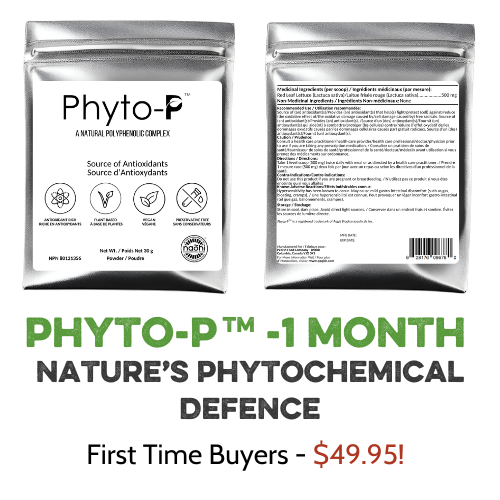
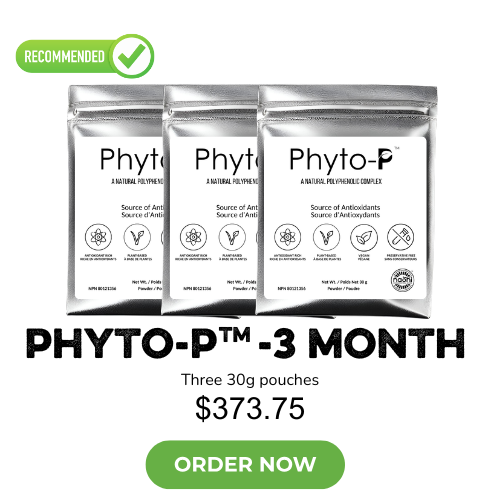
Phyto-P™ is a dietary supplement esteemed for its trailblazing contribution within the realm of polyphenols, compounds celebrated for their antioxidant capabilities. Utilizing advanced high-pressure liquid chromatography, Phyto-P™'s antioxidant levels and potency are meticulously confirmed through exhaustive examination.
Research indicates that compared to other prominent dietary supplements on the market, Phyto-P™ boasts a superior concentration of antioxidants. Its composition encompasses essential polyphenols like dietary flavonoids, anthocyanins, chicoric acid, and chlorogenic acid, as well as an array of quercetin variants [Zhang].
These distinct polyphenols are instrumental in providing the notable antioxidant and anti-inflammatory effects associated with Phyto-P™. Such attributes offer significant potential health benefits which include bolstering cardiovascular wellness, fortifying immune responses and safeguarding against oxidative damage.

Antioxidants play a vital role in protecting our bodies from the harmful effects of oxidative stress, a condition caused by an imbalance between free radicals and the body's natural defenses. Free radicals are unstable molecules that can damage cells, proteins, and DNA, contributing to the development of chronic diseases such as cancer, heart disease, and neurodegenerative disorders. Understanding antioxidants and their sources can empower you to make healthier dietary choices that support long-term well-being.
This article delves into the science behind antioxidants, explaining how these powerful molecules neutralize free radicals and prevent cellular damage. You'll discover the best natural sources of antioxidants, including a wide variety of fruits, vegetables, nuts, seeds, and whole grains, and learn why a diet rich in these foods is linked to lower risks of many chronic diseases. The article also highlights how cooking methods can influence antioxidant levels, sometimes enhancing their availability and other times causing losses, offering practical tips to maximize their benefits.
Beyond diet, the article explores the complex relationship between antioxidant supplements and health. While supplements may seem like an easy solution, scientific evidence suggests that they do not always provide the same benefits as antioxidants from whole foods and, in some cases, may even pose risks. The discussion includes important insights into how high doses of certain supplements can have adverse effects, emphasizing the importance of consulting healthcare providers before starting any supplementation.
You'll also find an overview of the different types of antioxidants, such as vitamins C and E, beta-carotene, and polyphenols, and how they contribute uniquely to health. The article touches on how antioxidants support immune function, protect skin and brain health, and may help slow age-related decline.
Whether you're interested in improving your diet, understanding the science of antioxidants, or considering supplements, this comprehensive guide offers evidence-based information to help you navigate the topic confidently. Dive into the full article to uncover the fascinating world of antioxidants, learn how to incorporate them into your lifestyle, and take proactive steps toward better health.