
Diabetes Menu Planning: Balanced Meals for Better Health
This content was reviewed by Dr. Anthony Marotta, PhD to ensure alignment with current nutrition science and evidence‑based diabetes education principles.
If you’re looking for convenient, diabetes‑friendly meal plans to support healthy blood glucose levels, this guide provides practical strategies for building balanced meals and making informed food choices that align with your long‑term wellness goals.
Key Takeaways
Evidence from diabetes self‑management education and nutrition research consistently highlights the importance of structured, balanced eating patterns.
Regular meal planning is widely recommended and is associated with more stable blood glucose patterns throughout the day.
Visual, portion‑based tools, such as the Diabetes Plate Method, are commonly used in nutrition education and support balanced dietary intake without the need for detailed calculations or tracking.
Effective meal planning is essential for stabilizing blood sugar levels and managing diabetes; focusing on balanced meals with the right macronutrients can simplify this process.
Dietary patterns that emphasize dietary fiber, lean protein, and minimally processed carbohydrate sources are consistently associated with improved post‑meal glucose responses and favorable cardiometabolic markers in people with diabetes.
Incorporating a variety of nutrient‑dense foods in your diet, while avoiding processed options, supports overall metabolic health and long‑term dietary sustainability.
This article focuses on nutrition education and wellness‑oriented dietary strategies. It does not provide medical treatment or individualized medical advice.
Table of Contents
How Can Meal Planning Help You Manage Type 2 Diabetes?
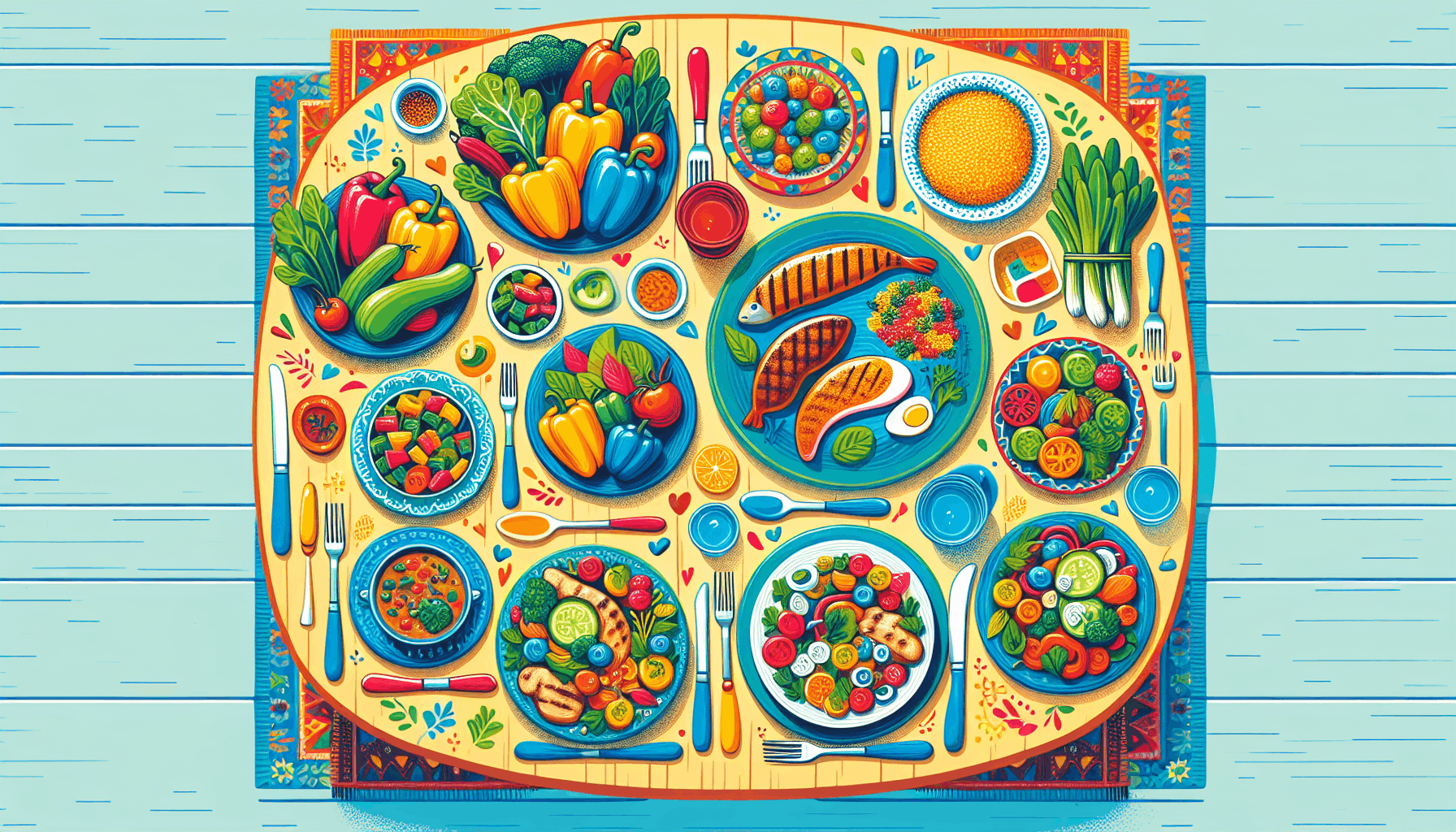
Diabetes‑friendly healthy eating and meal planning involves thoughtful consideration of when to eat, what to eat, and how much to eat, with the goal of supporting steady blood glucose patterns throughout the day. Structured eating patterns and balanced meals are commonly emphasized in diabetes education programs and are associated with reduced glucose variability (1-3).
A central principle of diabetes nutrition is understanding how carbohydrates interact with protein, fat, and fiber. Meals that combine these macronutrients tend to slow digestion and glucose absorption, contributing to more gradual post‑meal glucose changes (7-9).
While creating a meal plan can feel overwhelming initially, focusing on balance, food quality, and consistency helps transform it into a sustainable and flexible routine rather than a restrictive diet.
What Is The Diabetes Plate Method?
One of the most effective tools for meal planning is the Diabetes Plate Method, whch is widely used in nutrition education as a visual tool to guide balanced meal composition (4-6). This method simplifies everyday food decisions by using visual guidance to balance portions and food groups within a meal. By focusing on plate composition rather than numbers, it helps support blood glucose management without the need to count carbohydrates, perform calculations, or weigh foods, making balanced eating easier to maintain over time.
Using a standard 9‑inch plate:
½ the plate: non‑starchy vegetables
¼ the plate: lean protein
¼ the plate: carbohydrate‑containing foods
For example, half the plate might include leafy greens, broccoli, peppers, or zucchini; one quarter grilled fish, chicken, tofu, or eggs; and one quarter whole grains, legumes, or starchy vegetables such as sweet potato.
Focusing on whole, minimally processed foods allows you to create perfectly portioned meals that are both nutritious and satisfying. This method supports portion awareness and dietary balance while avoiding the need for weighing foods or tracking numbers and promotes a diet that supports overall well-being. (4-6)
What Is A Sample Weekly Meal Plan For Type 2 Diabetes?
Creating a weekly meal plan can simplify your dietary choices and support adherence to a diet that is conducive to managing diabetes. Many diabetes‑friendly plans emphasize three balanced meals per day with one or two snacks, tailored to individual energy needs. (1-3) It is important to ensure that your healthy eating plan operates within the caloric confines of 1,600 to 2,000 calories daily; however, this may vary by individual so it is always best to work with your primary care provider.
When thinking of meal planning, each meal should typically include:
Lean protein
Fiber‑rich carbohydrates
Healthy fats
Non‑starchy vegetables
This structure aligns with dietary approaches commonly recommended in diabetes self‑management education. (3)
A practical weekly meal plan typically includes a variety of balanced breakfast, lunch, dinner, and snack options that can be mixed and matched across the week. The examples below are intended to illustrate how balanced meals and snacks might look in daily life, using the principles outlined above rather than prescribing a fixed menu.
Healthy Breakfast Ideas

A balanced breakfast may help support more stable glucose patterns throughout the day. Here are some ideas to kickstart your mornings.
Greek yogurt with berries – provides protein and naturally occurring fiber
Whole‑grain toast with nut butter – combines fiber, protein, and healthy fats
Chia seed oatmeal – rich in soluble fiber, associated with improved post‑meal glycemic responses
Multigrain avocado toast – pairs fiber‑containing grains with unsaturated fats
Nutritious Lunch Options
Well-balanced lunch meals that include lean protein, non‑starchy vegetables, and fiber‑containing carbohydrates can help maintain steady energy levels and support more gradual changes in blood glucose through the afternoon. Structuring lunch with these elements may also help support satiety and reduce large swings in hunger later in the day.
Examples include:
Grilled chicken or salmon salad paired with a variety of vegetables and an olive oil–based dressing.
Whole‑grain wraps filled with turkey, hummus, and colorful vegetables
Grain bowls that combine legumes, roasted vegetables, and a source of lean protein
Using the Diabetes Plate Method can provide a simple visual guide for building these meals and maintaining appropriate portions without the need for strict measuring or tracking.
Balanced Dinner Ideas
Dinner meals can follow the same balanced principles while remaining flexible and satisfying. Emphasizing vegetables and protein, along with moderate portions of carbohydrate‑containing foods, may help support overnight glucose patterns and overall dietary consistency.
Examples include:
Lemon‑herb chicken served with roasted sweet potato and sautéed greens
Bean‑based chili prepared with lean protein and a mix of vegetables
Vegetable‑rich ratatouille served alongside white beans
Meals that emphasize fiber and protein are commonly associated with improved post‑meal glucose responses and can support both nutritional adequacy and enjoyment of food.
Smart Snacking Choices

Balanced snacks that include protein, fiber, or healthy fats are commonly recommended to support satiety and blood glucose control.
Examples:
Apple slices with peanut butter
Cottage cheese with berries
Nuts with a piece of fruit
Tomato and mozzarella skewers
Don’t forget to hydrate as well.
How Can Food Choices, Portions, and Planning Support You With Type 2 Diabetes?
Which Foods Are Commonly Recommended to Be Limited?
Nutrition education resources often suggest limiting foods that are associated with more rapid increases in blood glucose. These include:
Highly refined grains
Sugar‑sweetened beverages
Candied or syrup‑packed fruits
Highly processed snack foods
Replacing these foods with whole grains, legumes, vegetables, and whole fruits is consistently associated with more favorable glycemic patterns and improved overall dietary quality.
How Do Portion Sizes Influence Blood Glucose and Energy Balance?
Portion size plays an important role in total carbohydrate intake and overall energy balance. Visual portion guidance tools, such as plate‑based methods, have been studied in people living with type 2 diabetes and are associated with:
Improved dietary awareness
Greater portion consistency
Favorable weight‑related outcomes
Focusing on portion balance rather than precise measurements can make daily eating decisions feel more manageable and sustainable.
What Practical Planning Strategies Can Support Consistency?
Several simple strategies may help support flexible, diabetes‑friendly meal planning in everyday life, including:
Using plate‑based portion guidance instead of detailed counting
Aiming for consistent carbohydrate distribution across meals
Reading food labels to better understand carbohydrate sources
Seeking guidance from a registered dietitian for individualized support
In addition, eating slowly and paying attention to hunger and fullness cues may further support balanced intake over time.
What Are the Benefits of a Diabetes‑Friendly Eating Pattern?
Dietary patterns that emphasize fiber‑rich foods, balanced macronutrients, and minimally processed ingredients are associated with:
Improved post‑meal glucose responses
Favorable cardiometabolic markers
Greater dietary satisfaction and enjoyment
Importantly, these approaches focus on supporting health and long‑term well‑being rather than restriction.
Frequently Asked Questions
What is the Diabetes Plate Method?
A visual approach to meal planning that divides your plate into non‑starchy vegetables, lean protein, and carbohydrate foods to support balanced nutrition and glucose control.
Why is meal planning important for diabetes?
It helps stabilize blood sugar, supports consistent nutrient intake, and reduces impulsive food choices.
Can I still snack with diabetes?
Yes. Choose snacks that combine protein, fiber, and healthy fats to minimize blood sugar spikes.
Which foods should I limit?
Refined grains, added sugars, sweetened beverages, and highly processed foods.
How does portion control help?
It prevents overeating, supports calorie balance, and reduces rapid blood sugar fluctuations.
Disclaimer
The information provided in this article is for educational and informational purposes only and is not intended as medical advice. While we work diligently to provide accurate and up-to-date information, we make no representations or warranties of any kind, express or implied, about the completeness, accuracy, reliability, suitability, or availability with respect to the content. The information contained herein should not be used as a substitute for the advice of an appropriately qualified and licensed physician or other healthcare provider. The suggestions and insights should not be used for diagnosing or treating a health problem or disease, or prescribing any medication. Always seek the advice of your physician or other qualified health provider with any questions you may have regarding a medical condition or treatment and before undertaking a new health care regimen. Never disregard professional medical advice or delay in seeking it because of something you have read on this site.
References
Gómez‑Ruiz RP, et al. Meal frequency strategies for the management of type 2 diabetes: A systematic review. PLOS One. 2024;19(2):e0298531. PMID: 38421977.
Jung DH, et al. Tailored meal‑type food provision improves routine blood glucose management in type 2 diabetes. Nutrients. 2024;16(8):1190.
CDC. Diabetes Meal Planning and Healthy Eating. Centers for Disease Control and Prevention. 2024.
Camelon KM, et al. The Plate Model: A visual method of teaching meal planning to persons with diabetes. J Am Diet Assoc. 1998;98(10):1155‑1158. PMID: 9787722.
Pedersen SD, et al. Portion control plate for weight loss and glycemic outcomes in type 2 diabetes. Arch Intern Med. 2007;167(12):1277‑1283.
Jia S, et al. Portion control plates and diet‑related outcomes: A scoping review. Nutrients. 2022;14(4):892.
Reynolds AN, et al. Dietary fibre and whole grains in diabetes management: Systematic review and meta‑analyses. PLOS Med. 2020;17(3):e1003053.
Lu K, et al. Effect of viscous soluble fiber on glucose metabolism in type 2 diabetes: Meta‑analysis of RCTs. Front Nutr. 2023;10:1253312.
Giuntini EB, et al. Soluble dietary fibers and glycemic response: Mechanistic overview. Foods. 2022;11(23):3934.
Dimopoulou M, et al. Postprandial glucose response to a protein‑ and fiber‑rich snack in type 2 diabetes. Foods. 2024;13(24):4123.
Vlachos D, et al. Glycemic index and glycemic load interventions in type 2 diabetes: Review. Nutrients. 2020;12(6):1561.
Miller V, et al. Glycaemic index, glycaemic load, and type 2 diabetes incidence: PURE study. Lancet Diabetes Endocrinol. 2024;12(5):330‑338.
Greenwood DC, et al. Glycemic index, glycemic load, and risk of type 2 diabetes: Meta‑analysis. Diabetes Care. 2013;36(12):4166‑4171.
Additional Reading




Additional Resources from Accredited Organizations
Trusted Health Video Resources
Links to Other Video Resources
1. American Diabetes AssociatioN
Video: Meal Planning Made Easy
What it covers:
Diabetes plate method
Portion control
Carbohydrate management
Practical menu‑planning tips
Watch here: Meal Planning Made Easy
2. Mayo Clinic (Academic Medical Center)
Video: Living Well with Diabetes – Nutrition & Plate Method
What it covers:
Evidence‑based nutrition strategies
Plate method for diabetes
Sustainable meal planning for blood sugar control
Watch here: Living Well With Diabetes
3. Cleveland Clinic (Non‑profit Academic Hospital)
Video: Nutrition Essentials: Using Food to Manage Prediabetes & Diabetes
What it covers:
Diabetes‑friendly meal planning
Grocery and menu strategies
Practical food choices for glucose control
Watch here: Nutrition Essentials and Meal Planning
Products to Help Manage Your Lifestyle




Diabetic diets for patients with Type 2 diabetes are not about bland food, strict deprivation, elimination of important food groups, or buying special “diabetic” products. Managing your diet is one of the most effective ways to control blood sugar and reduce the risk of diabetes complications. This guide is intended for individuals with Type 2 diabetes and is best used in collaboration with a licensed or qualified healthcare professional, such as a registered dietitian or diabetes care specialist. The right approach is a practical eating plan built around regular meals, portion control, healthy whole rich foods, and steady blood glucose.
In this guide, you will learn how a diabetes diet can work for you, which food choices matter most, how to use the diabetes plate method, and how different eating patterns like the Mediterranean diet, DASH, flexitarian, and vegan diet can support diabetes management.