
Juicing for Anti-Inflammation: Recipes, Shots, and Diet Guide
Key Highlights
Discover the powerful health benefits of juicing for anti-inflammation, including how it may help to maintain inflammatory balance and support overall wellness.
Learn about essential anti-inflammatory ingredients such as turmeric root, fresh ginger, pineapple, leafy greens, and citrus fruits to enhance your juices.
Find easy and nutritious juice recipes and concentrated juice shots tailored to support specific conditions like osteoarthritis, gut health, and chronic pain.
Get practical advice on selecting the right juicer, juicing techniques, managing sugar levels, and proper storage to maximize nutrient retention.
Understand dosage, safety tips, and how to effectively incorporate anti-inflammatory juices into a balanced diet for optimal health results.
This article focuses on nutrition education and wellness‑oriented dietary strategies. It does not provide medical treatment or individualized medical advice.
Table of Contents

Introduction to Anti-Inflammatory Juice and Juicing for Anti-Inflammation
Juicing for anti‑inflammation is a practical way to concentrate a wide range of nutrients and phytochemicals from fruits, vegetables, and spices that are commonly associated with anti‑inflammatory activity. By extracting fresh juice from these nutrient‑dense ingredients, juicing delivers vitamins, minerals, and antioxidant compounds in a readily absorbed form. Cold‑pressed juice, in particular, tends to preserve more of these compounds by minimizing heat and oxidation compared to conventional juicing methods.
It is also important to distinguish between vegetable‑based and fruit‑based juices. Vegetable juices are generally more supportive of an anti‑inflammatory dietary pattern due to their lower sugar content and higher levels of phytonutrients, while fruit juices can contribute more rapidly absorbed sugars when consumed in excess. When used thoughtfully, anti‑inflammatory juices can help support oxidative balance, immune function, and overall nutritional quality within a balanced diet.
The benefits of juicing for anti‑inflammation extend beyond supporting inflammatory balance alone. When incorporated thoughtfully, anti‑inflammatory juices can help support gut health and digestion, contribute to or support more stable blood sugar responses, and promote overall cardiovascular health as part of a nutrient‑dense dietary pattern especially when combined with simple ways to nurture your gut health and well-being. . Emphasizing vegetable‑forward formulations and moderating fruit content can further enhance these benefits. Juicing also enables efficient delivery of vitamins, minerals, and phytochemicals in a readily absorbed form, making it a practical option for regularly incorporating anti‑inflammatory ingredients into daily nutrition.
In this guide, you will find a variety of approachable, nutrient‑rich juice recipes designed to emphasize ingredients commonly associated with anti‑inflammatory activity. From vibrant green juices rich in leafy greens to refreshing citrus blends and concentrated turmeric‑ginger shots, these options are designed to be simple to prepare and adaptable to individual preferences. Keeping a small selection of core ingredients on hand makes it easy to prepare a range of anti‑inflammatory juices and shots that complement a balanced diet. Whether the goal is to support inflammatory balance or simply enhance overall diet quality, the recipes and guidance in this guide provide a practical starting point for a more intentional juicing routine.
Top Anti-Inflammatory Foods to Juice
When it comes to juicing for anti‑inflammation, ingredient selection plays a central role in shaping both nutritional quality and overall dietary impact. Prioritizing whole, plant‑based ingredients and foods that are rich in antioxidants and bioactive compounds helps create nutrient‑dense juices that align with an anti‑inflammatory eating pattern and support overall physiological resilience.
Roots
Turmeric root: Contains curcumin, a well‑studied polyphenol with antioxidant and anti‑inflammatory activity that helps support the body’s response to oxidative stress.
Fresh ginger: Rich in gingerols and shogaols, compounds associated with anti‑inflammatory effects that may support digestive comfort and muscle recovery.
Beets: Provide betalains, antioxidant pigments that support vascular function and contribute to the body’s natural inflammatory balance.
Fruits
Fresh pineapple: Contains bromelain, an enzyme commonly associated with joint comfort and inflammatory support, making pineapple a flavorful addition to anti‑inflammatory juices when used in moderation.
Carrots: High in beta‑carotene and other carotenoids that support immune function and overall antioxidant status.
Green apple: A source quercetin, a flavonoid that plays a role in modulating inflammatory pathways and oxidative stress.
Citrus fruits (lemons, oranges): Provide vitamin C and flavonoids that support immune health and collagen synthesis, contributing to connective tissue and joint integrity.
Leafy Greens
Kale, spinach, collard greens: These leafy greens are nutrient‑dense sources of chlorophyll, magnesium, and polyphenols that help support gut health, metabolic balance, and antioxidant defenses.
By incorporating these ingredients into juices with an emphasis on vegetable‑forward combinations, it is possible to create flavorful beverages that complement a balanced diet and support an overall anti‑inflammatory nutrition strategy.
Anti-Inflammation Diet: How Juices Fit
Incorporating anti‑inflammatory juices into your diet can be a supportive complement to whole-food meals. Juices provide a concentrated source of vitamins, minerals, and antioxidant compounds that contribute to overall nutritional quality and inflammatory balance. To optimize their role in the diet, juices are best paired with balanced meals that include protein and healthy fats, which help moderate blood sugar responses and support sustained energy.
Some individuals also explore short‑term juice cleanses as part of a broader dietary reset. If considering a juice‑focused approach, it is important to prioritize vegetable‑forward recipes, limit total duration, and ensure adequate intake of protein and essential fats through the overall diet. Equipment choice also matters; cold‑press or masticating juicers tend to preserve more nutrients and flavor by limiting heat and oxidation during extraction.
For most people, incorporating anti‑inflammatory juices several times per week, such as three to four servings spread across the week, offers a practical balance between consistency and tolerance. Juices are intended to enhance, not replace, a balanced eating pattern that includes whole fruits, vegetables, lean proteins, and healthy fats.
Balancing juice intake with protein sources such as nuts, seeds, legumes, or lean meats, along with healthy fats like avocado or olive oil, supports nutrient absorption and satiety. This integrative approach helps ensure that juicing contributes meaningfully to overall dietary patterns and long‑term health goals.
Core Anti-Inflammatory Juice Recipes
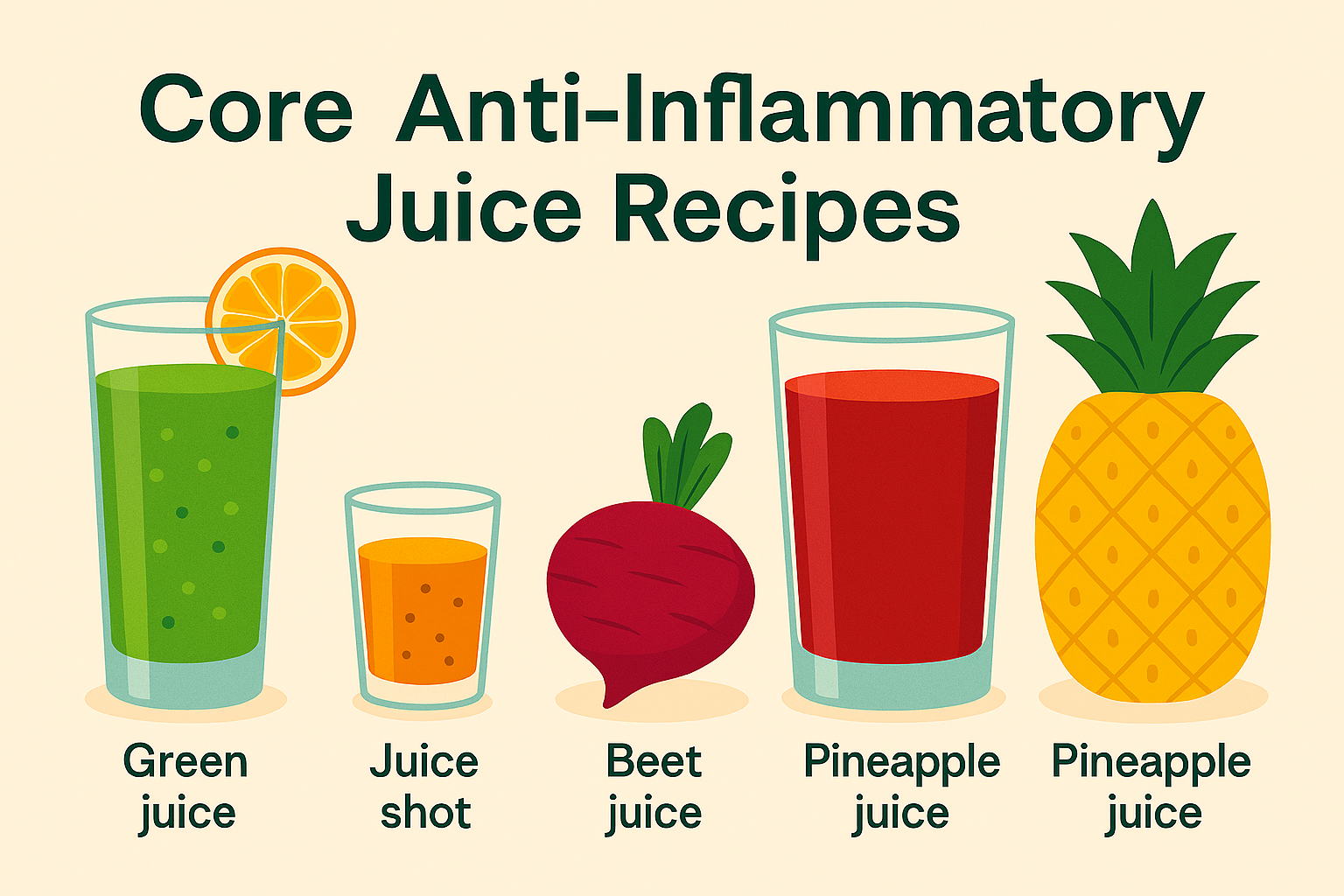
In this section, you’ll find a collection of core anti‑inflammatory juice recipes designed to highlight ingredients commonly associated with antioxidant and inflammatory‑supportive activity. The recipes are organized to suit a range of goals, from everyday nutritional support to more concentrated options intended for targeted inclusion within an anti‑inflammatory eating pattern.
These recipes assume access to a quality cold‑press juicer or juice press, which helps preserve nutrients and bioactive compounds by minimizing heat and oxidation. Each recipe yields approximately one to two servings, making them easy to incorporate into a regular routine. Suggested serving sizes and timing guidance are included to help integrate these juices effectively within a balanced diet.
Whether you prefer a refreshing green juice rich in leafy greens or a concentrated turmeric‑ginger shot for occasional use, these recipes offer a practical and flavorful foundation for juicing as part of an anti‑inflammatory nutrition approach. Emphasis is placed on simplicity, ingredient quality, and taste, making these juices both enjoyable and adaptable to individual preferences.
Carrot Juice with Orange and Ginger
Ingredients
4 large carrots, peeled and chopped
2 medium oranges, peeled
1‑inch piece fresh ginger root, peeled
Optional: ½ lemon, peeled
Juicing Instructions
Prepare all ingredients to fit your juicer.
Juice the carrots first, followed by the oranges and ginger.
If using lemon, add it last.
Stir well to combine.
Straining is optional; retaining some pulp preserves dietary fiber.
Serving Guidance
Yields approximately 12–16 oz (1.5–2 cups)
Best consumed fresh
This juice provides carotenoids, vitamin C, and ginger‑derived bioactives that support antioxidant defenses and digestive comfort. Pairing it with a meal or protein source can help moderate blood sugar response.
Beet and Ginger Juice with Green Apple
Ingredients
2 medium beets, peeled and chopped
1 large carrot
1 green apple, cored
½ lemon, peeled
1‑inch piece fresh ginger root
Juicing Instructions
Prepare ingredients as needed.
Juice beets and carrot first.
Add apple to balance flavor.
Finish with lemon and ginger.
Stir well.
Optional Adjustments
Blend with ice or water for a thicker texture
Add a small amount of fresh turmeric if desired
Nutritional Focus
Beets provide betalains and nitrates that support vascular function and antioxidant balance. Ginger and citrus contribute additional plant-based antioxidant compounds like polyphenols and vitamin C, making this juice a nutrient‑dense option within a balanced eating pattern.
Turmeric–Ginger Juice Shot
Ingredients
1‑inch fresh turmeric root, peeled
1‑inch fresh ginger root, peeled
½ lemon, peeled
Pinch black pepper
Optional: small pinch cayenne
Preparation
Juice turmeric, ginger, and lemon.
Stir in black pepper to enhance curcumin absorption.
Serve 1–2 oz per shot.
Use & Storage
Best consumed fresh
Refrigerate in airtight glass up to 24–48 hours
This concentrated shot delivers curcumin and gingerols, compounds widely studied for their role in supporting inflammatory balance and digestive function. Intended for occasional use rather than daily replacement of full juices.
Green Anti‑Inflammatory Juice
Ingredients
1 cup kale leaves
1 cup spinach
½ cup collard greens
1 medium cucumber
1 green apple, cored
1‑inch fresh ginger root
½ lemon, peeled
½ cup parsley
Juicing Instructions
Juice leafy greens first.
Follow with cucumber and apple.
Finish with ginger and lemon.
Stir to combine.
Serving Guidance
Enjoy 3–4 times per week
Best consumed fresh
Leafy greens supply chlorophyll, magnesium, and polyphenols that support gut health, antioxidant capacity, and metabolic balance. Pairing with protein and healthy fats supports nutrient absorption and satiety.
Pineapple–Ginger Juice
Ingredients
1 cup fresh pineapple chunks
1‑inch fresh ginger root
Optional: 1 green apple
½ lemon, peeled
Water or coconut water, as needed
Juicing Instructions
Juice pineapple and ginger first.
Add apple and lemon if using.
Dilute slightly if desired.
Lower‑Sugar Options
Replace apple with cucumber
Increase lemon or lime
Add spinach or mint for freshness
Pineapple provides bromelain, an enzyme commonly associated with joint comfort and digestive support, while ginger adds antioxidant and anti‑inflammatory bioactives. Best used in moderation due to natural sugar content.
Anti-Inflammatory Juices for Specific Conditions
Inflammation can present differently depending on the body system involved, lifestyle factors, and overall dietary context. Certain juice combinations may be more supportive in specific situations by emphasizing ingredients rich in antioxidants and bioactive compounds associated with inflammatory balance. Below are examples of how different juice profiles can be used strategically within an anti‑inflammatory eating pattern, along with guidance on when a juice shot versus a full juice may be appropriate.
Joint and Movement Support
Inflammation affecting joints and connective tissues is often influenced by oxidative stress and mechanical load. Juices that emphasize ingredients such as pineapple, ginger, and turmeric are commonly included in anti‑inflammatory diets aimed at supporting joint comfort and recovery. Pineapple provides bromelain, an enzyme associated with exercise and joint recovery, while ginger and turmeric contribute polyphenols that support inflammatory balance. A pineapple‑ginger juice or a turmeric‑ginger shot can be used occasionally alongside balanced meals as part of this approach.
Digestive and Gut‑Focused Support
Digestive discomfort and bloating are often linked to inflammatory signaling within the gut environment. Vegetable‑forward juices that include leafy greens, cucumber, parsley, and ginger can support digestive function by providing chlorophyll, magnesium, and antioxidant compounds. Green juice blends are particularly suited for regular inclusion, while smaller ginger‑ or turmeric‑based shots may be used sparingly as a more concentrated option.
Whole‑Body Inflammatory Load and Recovery
Systemic inflammation is influenced by factors such as diet quality, physical activity, sleep, and stress. Juices that feature beets, carrots, citrus, and apples provide a range of antioxidants and nitrates that support vascular function and oxidative balance. Beet‑based juices can be incorporated periodically as part of a broader nutrition pattern focused on recovery and metabolic support rather than as a stand‑alone intervention.
When to Choose a Juice Shot vs. a Full Juice
Juice shots provide a concentrated amount of specific phytochemicals in a small volume and are best used occasionally, such as during periods of increased physical demand or dietary transition. They are typically consumed between meals rather than as meal replacements.
Full juices offer greater hydration, a broader nutrient profile, and optional fiber (if unstrained), making them more suitable for regular use. When paired with protein and healthy fats, full juices can integrate smoothly into an anti‑inflammatory dietary pattern.
Incorporating both formats thoughtfully allows for flexibility while maintaining the emphasis on whole foods, balance, and long‑term dietary consistency.
Make Anti-Inflammatory Juices: Equipment, Technique, Storage
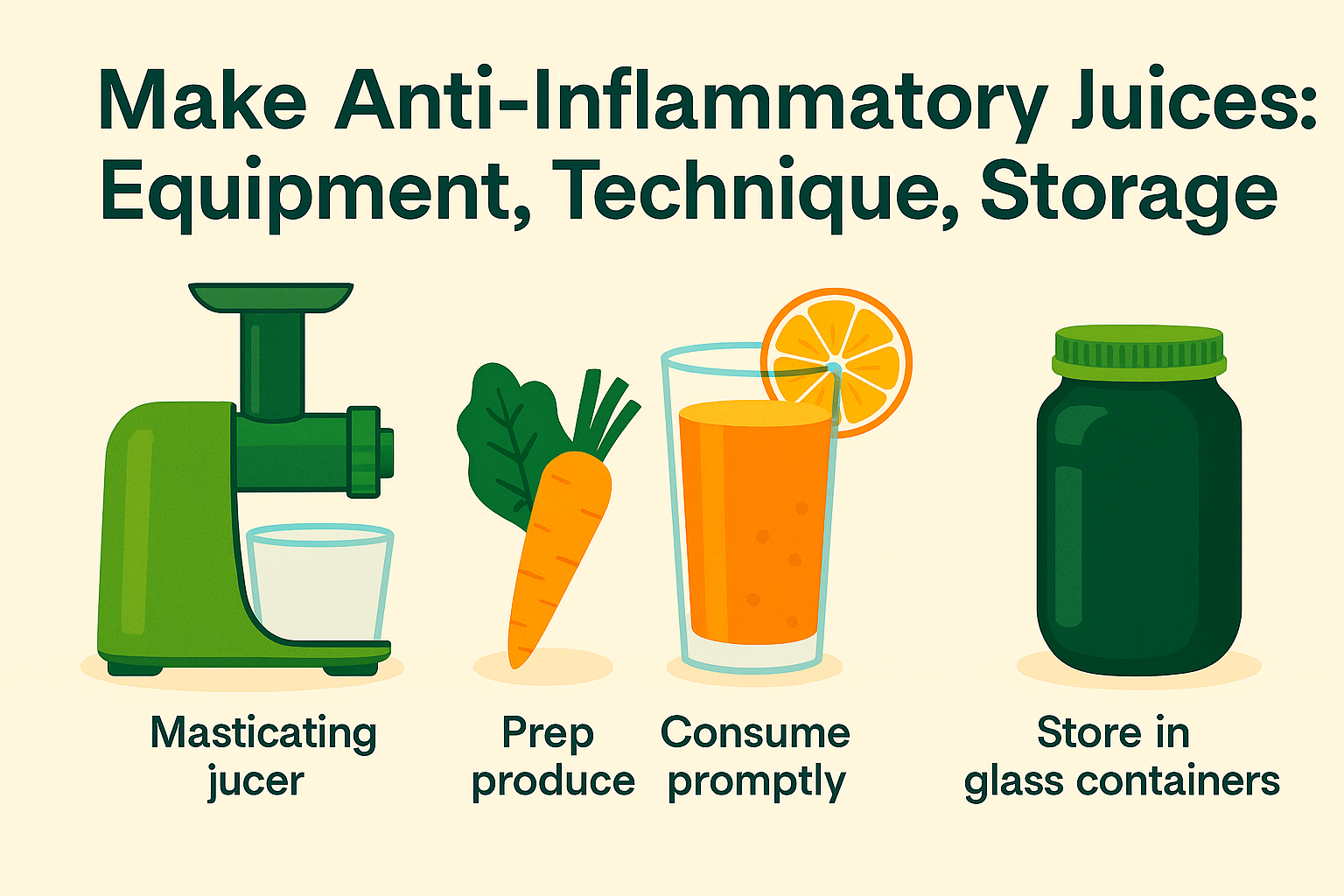
Make Anti‑Inflammatory Juices: Equipment, Technique, and Storage
Choosing appropriate equipment and using thoughtful preparation techniques can influence the nutrient quality and overall consistency of fresh juices. Cold‑pressed juice, produced using a cold‑press or masticating juicer, is often favored because it limits heat and oxidation during extraction, which may help retain a greater proportion of sensitive nutrients compared to high‑speed centrifugal juicing.
Recommended Juicer Types
For juicing within an anti‑inflammatory dietary approach, cold‑press (masticating) juicers are commonly recommended. These machines gently crush and press fruits and vegetables rather than using high‑speed blades, reducing heat buildup and exposure to oxygen. This method is associated with improved retention of certain vitamins, antioxidants, and plant‑derived compounds such as polyphenols found in ingredients like turmeric and ginger.
Cold‑Press Technique Tips
To support nutrient retention, wash produce thoroughly and peel only when necessary. Feeding leafy greens and fibrous vegetables slowly through the juicer can improve extraction efficiency. Using a variety of fruits and vegetables helps balance both flavor and nutrient diversity. While ice or pre‑dilution is not required during juicing, dilution after extraction can be used if desired for taste or hydration without materially affecting overall dietary value.
Consumption and Storage
Fresh juice is best consumed shortly after preparation, as some vitamins and antioxidant compounds are sensitive to light, heat, and oxygen over time. When storage is needed, transfer juice to airtight glass containers to limit oxidation. Refrigeration helps preserve freshness, with most juices maintaining acceptable quality for up to 24 to 48 hours.
Best Containers for Preserving Freshness
Dark glass bottles or tightly sealed mason jars are well‑suited for juice storage, as they reduce light exposure and air exchange. Keeping juice refrigerated further supports flavor stability and nutrient integrity over short storage periods.
By applying these equipment, preparation, and storage practices, juicing can be integrated more effectively into an anti‑inflammatory nutrition pattern while emphasizing consistency, quality, and safety over maximal claims.
Managing Sugar, Dosage, and Safety
When juicing for anti‑inflammation, it is important to be mindful of sugar content, particularly from fruit‑heavy combinations. While fruits provide essential vitamins and antioxidant compounds, some fruits are also high in fermentable carbohydrates known as FODMAPs (fermentable oligo‑, di‑, monosaccharides, and polyols). In susceptible individuals, higher FODMAP loads can contribute to bloating, digestive discomfort, and unfavorable blood sugar responses, which may influence inflammatory signaling.
This consideration is especially relevant for individuals with digestive sensitivities or concerns related to gut barrier function, sometimes referred to in the wellness and research literature as “leaky gut” (increased intestinal permeability). In these contexts, excess fermentable sugars reaching the colon may exacerbate symptoms by increasing osmotic load and microbial fermentation, rather than being fully absorbed in the small intestine.
To manage this, emphasize portion control and ingredient selection by limiting higher‑FODMAP or higher‑sugar fruits such as apples and larger servings of pineapple. Balance these with lower‑FODMAP, lower‑sugar vegetables such as cucumbers, leafy greens, celery, and citrus, which contribute phytonutrients while minimizing fermentable carbohydrate load.
If a juice tastes overly sweet or sugar intake is a concern, diluting it with water or unsweetened coconut water can reduce total carbohydrate concentration while maintaining hydration and flavor. Adding lemon or lime juice can further enhance acidity, helping balance sweetness without increasing fermentable sugars.
Serving size is another important factor. Starting with smaller portions, such as 8 to 12 ounces, allows individuals to assess digestive tolerance and comfort. Juices are nutrient‑dense, and moderate intake helps avoid excessive delivery of fermentable carbohydrates that may overload sensitive digestive systems.
Individuals managing digestive symptoms, metabolic concerns, or chronic inflammatory conditions may benefit from consulting a healthcare professional before beginning a regular juicing routine. This is particularly relevant for those following low‑FODMAP dietary approaches or managing blood sugar regulation, reflux symptoms, or medication use that may interact with certain juice ingredients.
By selecting lower‑FODMAP ingredients when appropriate, moderating portion sizes, and tailoring juice composition to individual tolerance, juicing can be incorporated safely and thoughtfully as part of a balanced, anti‑inflammatory dietary pattern.
Incorporating Juices into an Anti-Inflammation Diet Plan
Incorporating anti-inflammatory juices into your daily diet can be a delicious and effective way to support your body’s ability to deal with increased oxidative damage and imbalances in inflammatory cascades. To help you get started, here is a sample one-day anti-inflammation plan that balances nutrient-rich juices with protein-packed meals to sustain energy and promote overall wellness.
Sample One-Day Anti-Inflammation Plan
Morning: Start your day with a refreshing green juice made from kale, spinach, cucumber, green apple, and a splash of lemon juice. This nutrient‑dense juice provides antioxidants, vitamins, and chlorophyll that support gut health and overall antioxidant balance.
Mid-Morning Snack: Enjoy a handful of nuts or a boiled egg to add protein and healthy fats, which help support better blood glucose regulation and keep you satiated.
Lunch: Pair a vibrant beet and carrot juice with a balanced meal featuring lean protein such as grilled chicken or legumes, alongside a colorful salad rich in leafy greens and healthy fats like avocado or olive oil.
Afternoon: Sip on a turmeric‑ginger juice shot to provide a concentrated source of bioactive compounds such as curcumin and gingerols, which are commonly included in dietary approaches focused on recovery and oxidative balance.
Dinner: Complement your meal with a glass of pineapple‑ginger juice, which provides bromelain and antioxidants, alongside a source of protein such as baked salmon or tofu and a generous serving of steamed vegetables.
Weekly Shopping List for Anti-Inflammatory Foods
To maintain a steady supply of ingredients for your anti-inflammatory juices and meals, consider stocking your kitchen with the following:
Leafy greens: kale, spinach, collard greens, parsley
Roots and spices: turmeric root, fresh ginger, beets, carrots
Fruits: fresh pineapple, green apples, lemons, oranges
Vegetables: cucumber, celery
Protein sources: nuts, seeds, legumes, lean meats, fatty fish like salmon, which can be complemented with research-backed antioxidant supplements when whole-food intake is insufficient
Healthy fats: avocado, olive oil
By integrating these ingredients into your weekly shopping and meal planning, you can create a variety of delicious, nutrient-packed juices and meals that work together to reduce inflammation, support your immune system, and promote long-term health.
Remember, pairing juices with protein-rich meals not only helps regulate blood sugar levels but also enhances nutrient absorption and keeps you feeling full and energized throughout the day. This balanced approach makes juicing for anti-inflammation a sustainable and enjoyable part of your healthy lifestyle.
Troubleshooting and Taste Adjustments
When juicing for anti inflammation, it’s common to encounter flavors that may feel too bitter, sour, or strong for your palate. Fortunately, there are simple ways to adjust and enhance the taste of your juices without compromising their overall nutritional quality or intended anti‑inflammatory role.
Fixes for Overly Bitter Juices
If your juice tastes bitter, consider adding a small amount of fresh pineapple or green apple to balance the flavor. These fruits contribute natural sweetness and antioxidants without dominating the juice when used in moderation. Alternatively, incorporating mild vegetables such as cucumber or celery can mellow bitterness while adding hydration and additional phytonutrients.
Balancing Flavors with Herbs and Citrus
Fresh herbs such as mint, basil, or parsley can brighten juices and add refreshing notes that complement earthy or bitter ingredients. Citrus fruits, including lemon, lime, or orange, are effective for adding acidity and enhancing overall flavor complexity. A splash of lemon juice also contributes vitamin C, which supports immune function and collagen synthesis.
When to Strain Versus Keep Pulp
Whether to strain your juice depends on texture preference, digestive tolerance, and individual bowel patterns. Retaining some pulp preserves dietary fiber, which plays an important role in gut function and metabolic health. However, not all fiber behaves the same way, and understanding these differences can help guide whether keeping or removing pulp is appropriate.
Juice pulp primarily contains insoluble fiber, which adds bulk to stool and can help stimulate intestinal movement. For individuals experiencing sluggish digestion or constipation related to low fiber intake, retaining a small amount of pulp may support regularity by increasing stool volume. In these cases, adequate hydration is also important, as fiber draws water into the stool.
However, for people prone to bloating, abdominal discomfort, or sensitivity to fermentable carbohydrates, excess insoluble fiber from pulp may worsen symptoms rather than improve them. In such situations, straining juice can reduce mechanical bulk while still providing vitamins, minerals, and antioxidant compounds.
It is also important to note that soluble fiber, which forms gels and is more easily fermented by gut microbes, is largely removed during juicing regardless of straining. As a result, juices should not be relied upon as a primary fiber source, and whole fruits, vegetables, and other fiber‑rich foods should remain part of the overall diet.
Ultimately, both strained and lightly pulpy juices retain key polyphenols and antioxidants. Choosing whether to strain should be guided by personal digestive response, stool consistency, and comfort rather than a one‑size‑fits‑all rule.
By experimenting with these adjustments, it’s possible to create flavorful, nutrient‑dense juices that suit personal taste preferences and integrate smoothly into a broader anti‑inflammatory eating pattern.
Conclusion and Next Steps
Now that you’ve explored a variety of anti-inflammatory juice recipes and learned how juicing for anti inflammation can support your overall health, it’s time to take action. We encourage you to try at least three of the recipes shared in this guide over the next week. Experiment with different combinations to discover what flavors and ingredients resonate best with your body and taste buds.
As you incorporate these juices into your routine, consider tracking any changes in symptoms related to chronic inflammation, such as joint pain, digestive discomfort, or energy levels. Keeping a simple journal can help you identify which recipes provide the most relief and support your wellness journey.
For further guidance, explore additional resources on anti-inflammatory diets, lifestyle habits, and juicing techniques to deepen your understanding and enhance your results, and consider learning from science-backed nutrition for real energy and well-being to inform your overall approach. Remember, juicing is just one part of a holistic approach to managing inflammation—combining it with a balanced diet, regular exercise, and adequate rest will maximize your health benefits.
Start juicing today and take a confident step toward reducing inflammation and improving your well-being!
FAQ About Anti-Inflammatory Juicing and Chronic Inflammation
Q: Can juicing alone cure chronic inflammation?
A: While juicing for anti inflammation provides concentrated nutrients and antioxidants that can help reduce inflammation, it should not be considered a sole treatment. A balanced diet, regular exercise, and medical guidance are essential for managing chronic inflammation effectively.
Q: How soon can I expect to see benefits from juicing?
A: Results vary depending on individual health and lifestyle. Some people notice improved digestion and reduced inflammation within days, while for others, it may take several weeks of consistent juicing combined with healthy habits.
Q: Are there any risks or side effects of juicing for inflammation?
A: Juicing is generally safe, but excessive consumption can lead to high sugar intake or digestive discomfort. Those with medical conditions or on medications should consult a healthcare provider, as some juice ingredients may interact with medications or affect blood sugar levels.
Q: Can juicing interact with medications?
A: Certain ingredients like grapefruit or turmeric can interact with medications by affecting how they are metabolized. It’s important to discuss your juicing regimen with your healthcare provider to avoid any potential interactions.
Q: Should I replace meals with juice during a juice fast?
A: Juice fasts can provide short-term benefits but are not recommended as a long-term solution for chronic inflammation. Juices should complement a balanced diet rather than replace whole meals to ensure adequate nutrient intake and maintain energy levels.
Q: How can I maximize the anti-inflammatory benefits of my juices?
A: Use a variety of fresh fruits, vegetables, and spices known for their anti-inflammatory properties, consume juices fresh, and pair them with a balanced diet rich in protein and healthy fats. Using a cold press juicer can also help preserve more nutrients.
Q: Is juicing suitable for everyone?
A: Juicing can be beneficial for most people, but those with certain health conditions, such as diabetes or acid reflux, should approach it cautiously and seek medical advice before starting a juicing regimen.
This FAQ aims to help you make informed decisions about incorporating anti-inflammatory juicing into your lifestyle safely and effectively.
Disclaimer
The information provided in this article is for educational and informational purposes only and is not intended as medical advice. While we work diligently to provide accurate and up-to-date information, we make no representations or warranties of any kind, express or implied, about the completeness, accuracy, reliability, suitability, or availability with respect to the content. The information contained herein should not be used as a substitute for the advice of an appropriately qualified and licensed physician or other healthcare provider. The suggestions and insights should not be used for diagnosing or treating a health problem or disease, or prescribing any medication. Always seek the advice of your physician or other qualified health provider with any questions you may have regarding a medical condition or treatment and before undertaking a new health care regimen. Never disregard professional medical advice or delay in seeking it because of something you have read on this site.

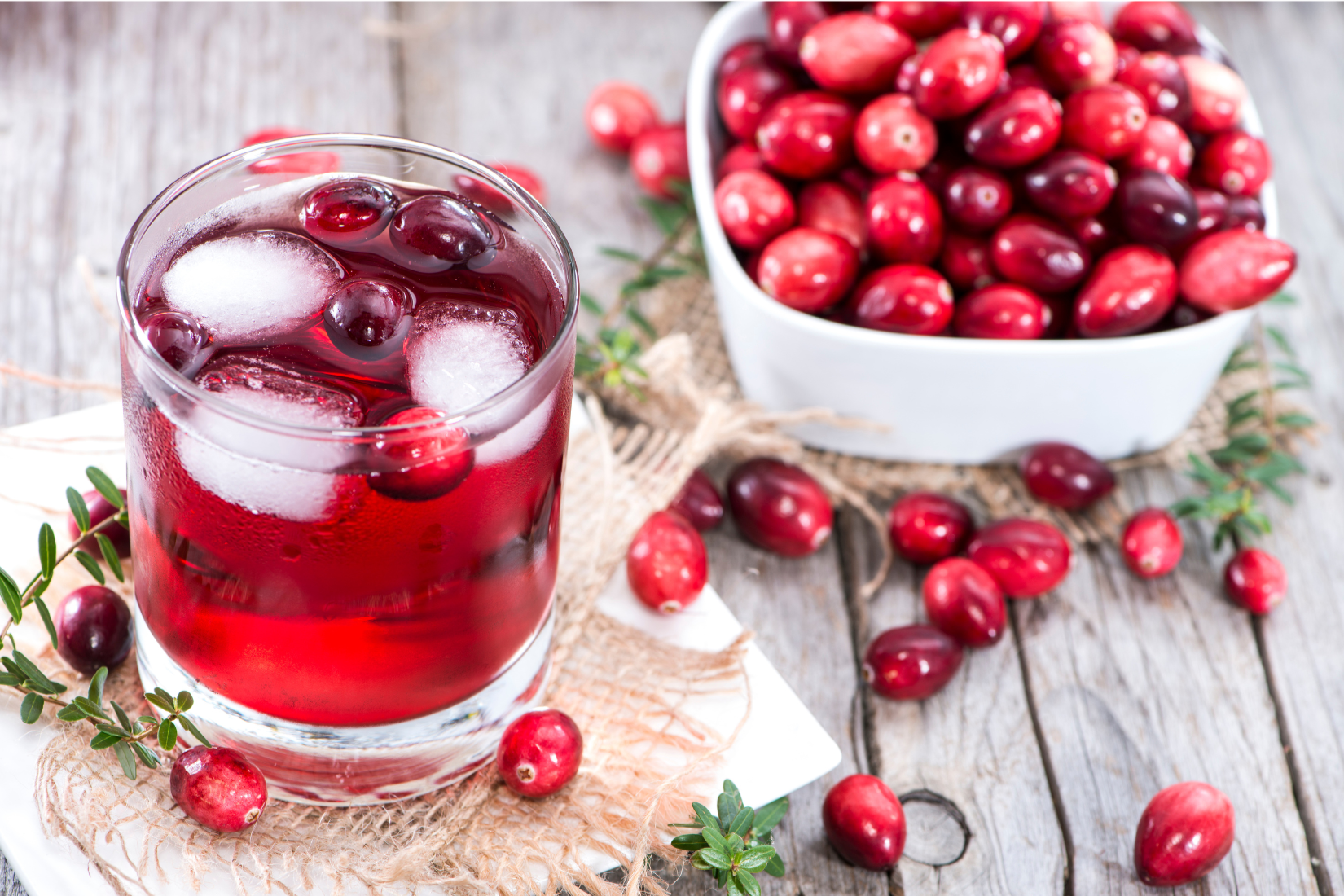
Antioxidants play a vital role in protecting our bodies from the harmful effects of oxidative stress, a condition caused by an imbalance between free radicals and the body's natural defenses. Free radicals are unstable molecules that can damage cells, proteins, and DNA, contributing to the development of chronic diseases such as cancer, heart disease, and neurodegenerative disorders. Understanding antioxidants and their sources can empower you to make healthier dietary choices that support long-term well-being.
This article delves into the science behind antioxidants, explaining how these powerful molecules neutralize free radicals and prevent cellular damage. You'll discover the best natural sources of antioxidants, including a wide variety of fruits, vegetables, nuts, seeds, and whole grains, and learn why a diet rich in these foods is linked to lower risks of many chronic diseases. The article also highlights how cooking methods can influence antioxidant levels, sometimes enhancing their availability and other times causing losses, offering practical tips to maximize their benefits.
Beyond diet, the article explores the complex relationship between antioxidant supplements and health. While supplements may seem like an easy solution, scientific evidence suggests that they do not always provide the same benefits as antioxidants from whole foods and, in some cases, may even pose risks. The discussion includes important insights into how high doses of certain supplements can have adverse effects, emphasizing the importance of consulting healthcare providers before starting any supplementation.
You'll also find an overview of the different types of antioxidants, such as vitamins C and E, beta-carotene, and polyphenols, and how they contribute uniquely to health. The article touches on how antioxidants support immune function, protect skin and brain health, and may help slow age-related decline.
Whether you're interested in improving your diet, understanding the science of antioxidants, or considering supplements, this comprehensive guide offers evidence-based information to help you navigate the topic confidently. Dive into the full article to uncover the fascinating world of antioxidants, learn how to incorporate them into your lifestyle, and take proactive steps toward better health.