
Scroll


BENEFITS OF PEQISH
To accommodate our consumer’s active and busy lifestyles, we provide delicious and nutritionally balanced grab and go foods for breakfast, lunch and snack time.
Better ingredients made and/or carefully selected by Peqish
We understand the science of food sensitivities and the importance of gut health
Taste and nutrition focused foods
Personalized foods that meet most dietary restrictions

Making Good Choices
Today’s 1st world problem is low quality diets and processed foods. Food related illnesses are on the rise and their impact on the well-being of humanity poses a greater risk than unsafe sex, drugs, alcohol, and tobacco use combined.¹
As a society, we cannot continue to ignore the impact that poor quality diets and misinformation is having on the well-being of individuals living in developed nations. Despite best efforts to publish guidance on what constitutes healthy eating, there are many commercial and economic factors at play that can impact or influence your decision on what to eat. These factors taken together with our need for convenience and affordability create undue pressures that ultimately lead to poorer diet decisions.
You ARE what you ATE, and we take pride in helping you EAT better when you are on the go.

Healthy Eating Blog and Peqish News
Featured
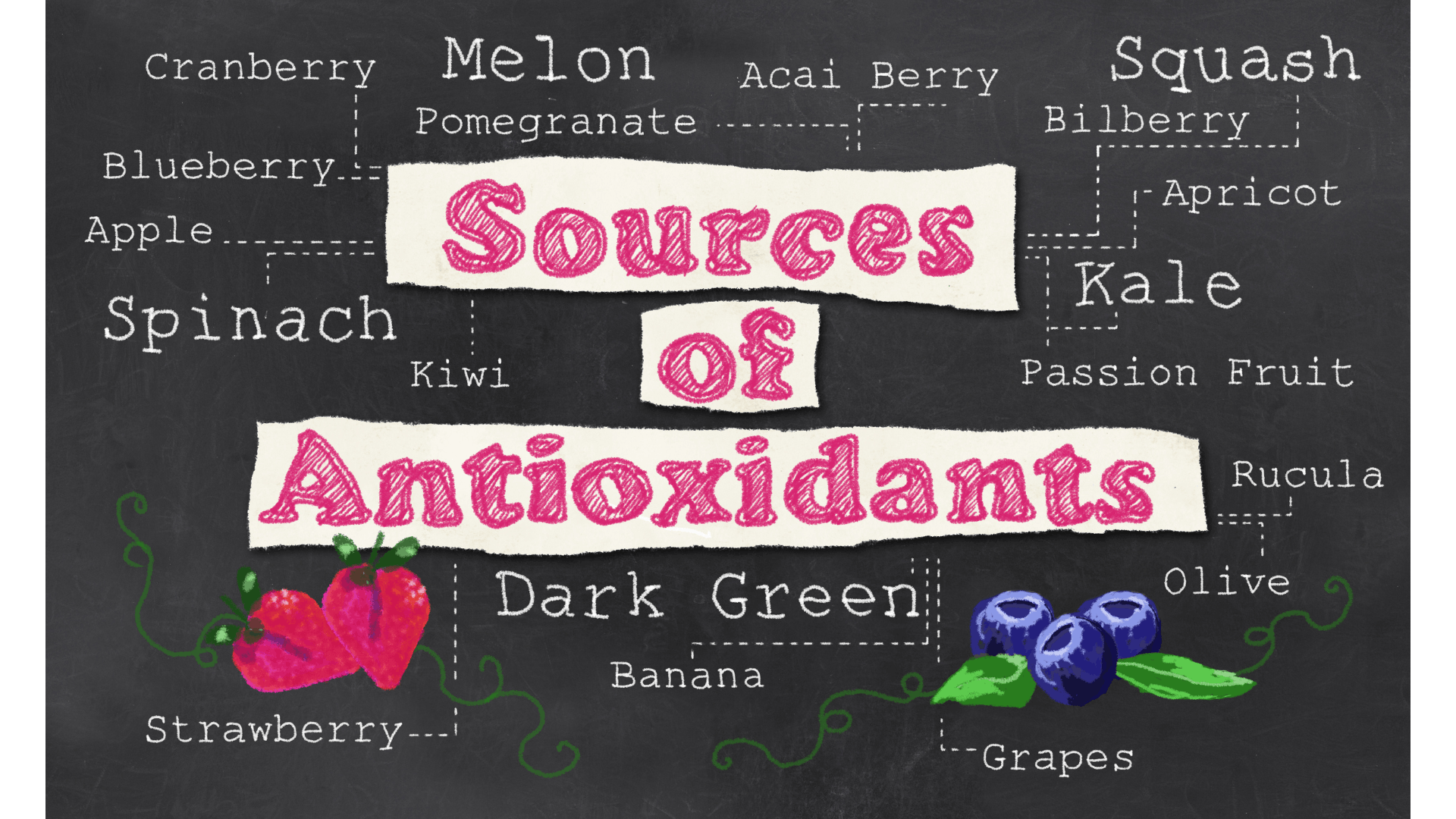
Antioxidants play a vital role in protecting our bodies from the harmful effects of oxidative stress, a condition caused by an imbalance between free radicals and the body's natural defenses. Free radicals are unstable molecules that can damage cells, proteins, and DNA, contributing to the development of chronic diseases such as cancer, heart disease, and neurodegenerative disorders. Understanding antioxidants and their sources can empower you to make healthier dietary choices that support long-term well-being.
This article delves into the science behind antioxidants, explaining how these powerful molecules neutralize free radicals and prevent cellular damage. You'll discover the best natural sources of antioxidants, including a wide variety of fruits, vegetables, nuts, seeds, and whole grains, and learn why a diet rich in these foods is linked to lower risks of many chronic diseases. The article also highlights how cooking methods can influence antioxidant levels, sometimes enhancing their availability and other times causing losses, offering practical tips to maximize their benefits.
Beyond diet, the article explores the complex relationship between antioxidant supplements and health. While supplements may seem like an easy solution, scientific evidence suggests that they do not always provide the same benefits as antioxidants from whole foods and, in some cases, may even pose risks. The discussion includes important insights into how high doses of certain supplements can have adverse effects, emphasizing the importance of consulting healthcare providers before starting any supplementation.
You'll also find an overview of the different types of antioxidants, such as vitamins C and E, beta-carotene, and polyphenols, and how they contribute uniquely to health. The article touches on how antioxidants support immune function, protect skin and brain health, and may help slow age-related decline.
Whether you're interested in improving your diet, understanding the science of antioxidants, or considering supplements, this comprehensive guide offers evidence-based information to help you navigate the topic confidently. Dive into the full article to uncover the fascinating world of antioxidants, learn how to incorporate them into your lifestyle, and take proactive steps toward better health.
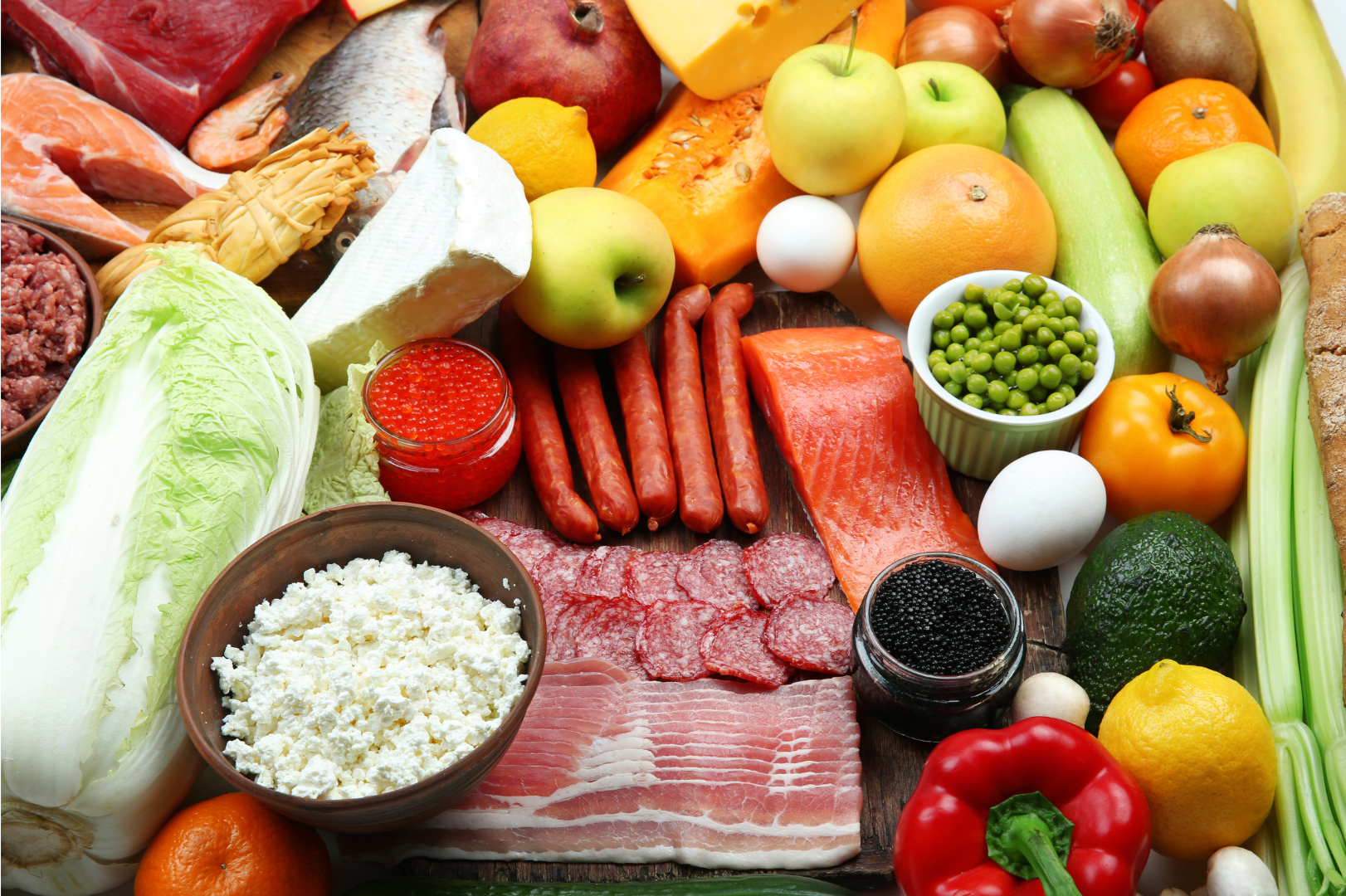
Dietary fats play a crucial role in our health, providing essential energy but also posing challenges when consumed in excess. With 9 calories per gram, fats are the most calorie-dense macronutrient, significantly influencing total caloric intake. The problem lies in the overconsumption of fats, such as saturated and trans-fats, which elevate LDL ("bad") cholesterol levels and heighten the risk of chronic conditions like heart disease and obesity.
This guide focuses on understanding the different types of fats, their caloric impact, and practical strategies to manage fat intake, helping individuals make informed choices for a balanced and healthy diet.

Diabetic diets for patients with Type 2 diabetes are not about bland food, strict deprivation, elimination of important food groups, or buying special “diabetic” products. Managing your diet is one of the most effective ways to control blood sugar and reduce the risk of diabetes complications. This guide is intended for individuals with Type 2 diabetes and is best used in collaboration with a licensed or qualified healthcare professional, such as a registered dietitian or diabetes care specialist. The right approach is a practical eating plan built around regular meals, portion control, healthy whole rich foods, and steady blood glucose.
In this guide, you will learn how a diabetes diet can work for you, which food choices matter most, how to use the diabetes plate method, and how different eating patterns like the Mediterranean diet, DASH, flexitarian, and vegan diet can support diabetes management.

Discover the remarkable world of quercetin, a powerful flavonoid antioxidant found abundantly in everyday colorful fruits, vegetables, and herbs. From the vibrant red onions and crisp apples to the tangy capers and antioxidant-rich berries, quercetin is nature’s secret weapon for supporting your health. This naturally occurring compound plays a crucial role in neutralizing harmful free radicals, promoting a healthy inflammatory response, and supporting cardiovascular and immune health.
Imagine enhancing your meals with foods that not only delight your taste buds but also provide therapeutic effects that could help maintain healthy blood pressure, support brain function, and potentially reduce the risk of chronic diseases. Quercetin-rich foods are more than just ingredients; they are allies in your journey toward wellness.
But did you know that how you prepare these foods can significantly impact their quercetin content? Cooking methods like boiling may reduce quercetin levels by up to 30%, while techniques such as steaming, roasting, or microwaving without water help preserve this valuable nutrient. Pairing quercetin-rich foods with healthy fats or vitamin C-packed ingredients can further enhance absorption, making your meals both delicious and nutritionally potent.
For those seeking an extra boost, quercetin supplements offer a convenient option, with recommended doses typically ranging from 500 to 1,000 mg per day. However, it is essential to be mindful of dosage and consult with healthcare professionals, especially since excessive intake might affect kidney health. The natural synergy of quercetin in whole foods often provides a safer, more balanced approach to harnessing its health benefits.
Whether you’re interested in supporting heart health, managing inflammation, or simply embracing a diet rich in antioxidants, understanding foods high in quercetin empowers you to make informed choices. This article dives deep into the top sources of quercetin, how to maximize its benefits through preparation, and the latest insights into its health effects.
Ready to unlock the potential of quercetin and transform your diet into a vibrant, health-enhancing experience? Explore the full guide to discover practical tips, delicious food ideas, and evidence-based knowledge that can help you thrive naturally. Your journey to better health starts here—let quercetin be part of your everyday wellness strategy.

Chronic stress does more than affect mood or mental clarity, it initiates a cascade of biological changes that can significantly compromise physical health. One of the most critical, yet often overlooked, consequences is oxidative stress. This process arises when the body produces an excess of free radicals, unstable molecules that seek to stabilize themselves by damaging nearby cells, while simultaneously lacking sufficient antioxidants to neutralize them. Over time, this imbalance contributes to cellular dysfunction, inflammation, and the gradual deterioration of tissues throughout the body.
When stress becomes persistent, the body remains in a prolonged state of “fight or flight,” driven by elevated levels of cortisol and other stress hormones. While helpful in short bursts, this constant activation places strain on cellular systems, particularly within the mitochondria, where energy is produced. These structures become both a major source and target of reactive oxygen species (ROS), intensifying oxidative damage. As a result, essential biological components, including DNA, proteins, and lipids, begin to lose their integrity, impairing normal bodily functions.
The cumulative effect of these processes has been strongly linked to a wide range of chronic conditions. Cardiovascular disease, for example, is partly driven by oxidative damage to blood vessels, which promotes plaque buildup and reduces vascular flexibility. Similarly, in type 2 diabetes, oxidative stress contributes to insulin resistance and pancreatic cell dysfunction. Even the brain is vulnerable, as increased oxidative damage has been associated with cognitive decline and neurodegenerative disorders.
In everyday life, signs of elevated oxidative stress may appear subtly. Persistent fatigue, difficulty concentrating, premature aging of the skin, and increased susceptibility to illness are all potential indicators that the body is under oxidative strain. While these symptoms may seem unrelated, they often share a common biochemical root tied to prolonged stress exposure.
Fortunately, the body possesses its own defense system designed to counteract free radicals. Antioxidants, found both naturally within the body and in foods, play a crucial role in maintaining this balance. Nutrients such as vitamin C, vitamin E, and plant-derived compounds like polyphenols help neutralize harmful molecules before they can inflict damage. However, these defenses can become overwhelmed without proper support.
Adopting a proactive approach is key to reducing oxidative stress. Regular exercise, adequate sleep, and consistent stress management practices, such as mindfulness or relaxation techniques, help regulate hormone levels and reduce free radical production. Equally important is a diet rich in whole, unprocessed foods, particularly fruits, vegetables, nuts, and whole grains, which provide a steady supply of antioxidants.
By understanding how stress and oxidative damage are interconnected, individuals can take meaningful steps to protect their long-term health and resilience.
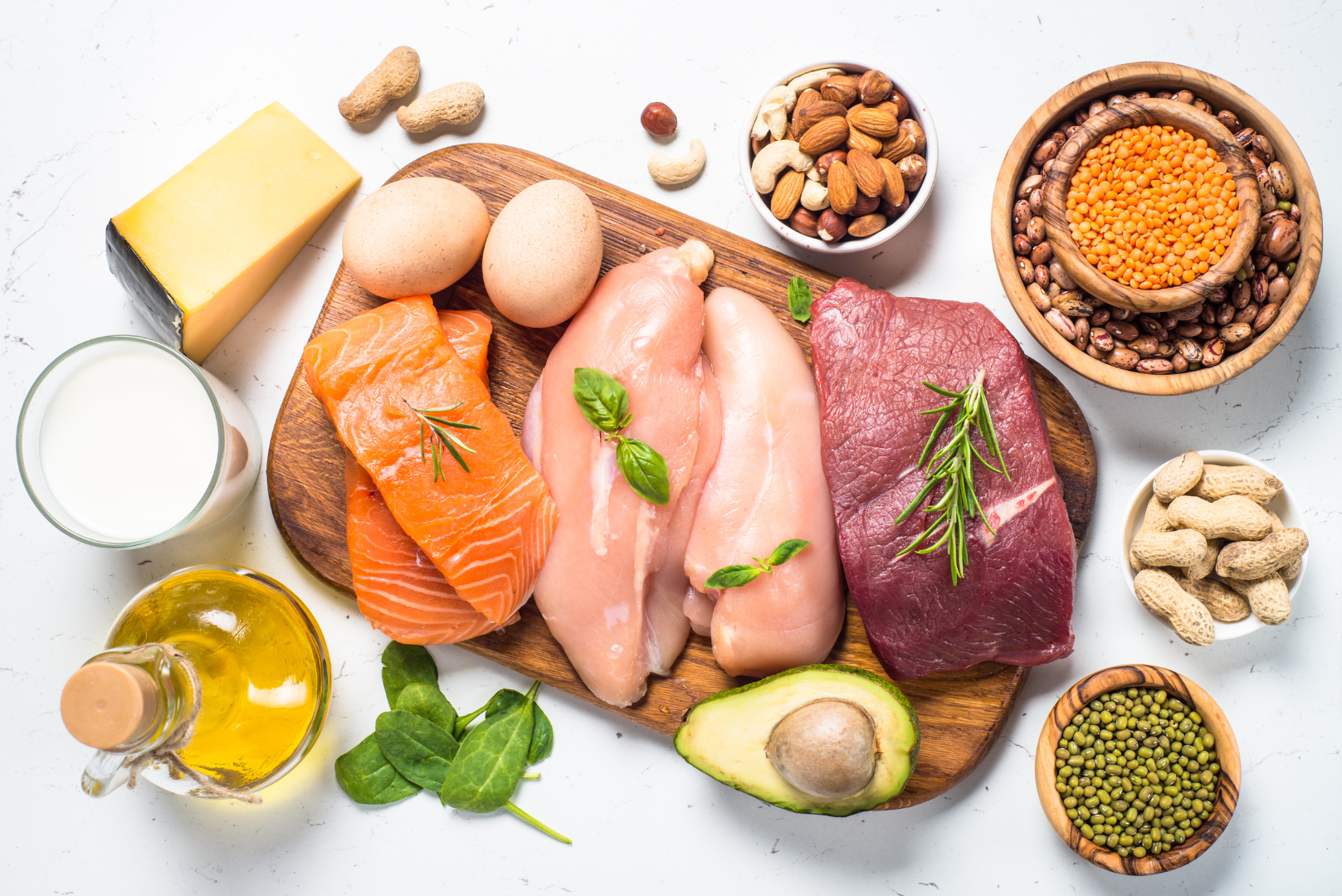
Protein is a vital nutrient made of amino acids, often called the building blocks of the body, and includes nine essential amino acids that the body cannot produce and must obtain through dietary protein. The recommended dietary allowance (RDA) for protein intake for an average sedentary adult is 0.8 grams per kilogram of body weight, which translates to about 60 grams of protein per day for a person weighing 165 pounds (75 kilograms). (1)
For minimal/light activity, the recommendation is 1.0 gram of protein per kilogram of body weight. (1) Active individuals, including athletes, may require 1.2 to 2 grams of protein per kilogram of body weight per day, depending on their level of activity. (2)
Protein provides amino acids that help build and repair muscle, skin, hair, and other tissues, while also supporting muscle recovery, immune system function, and overall health. Animal-based protein sources include dairy products, eggs, fish, poultry, and red meat, while plant-based sources include beans, lentils, nuts, seeds, whole grains, and soy products.
This guide is for anyone interested that wants to consume protein to optimize their health, fitness, or nutrition by understanding how much protein they need each day. Knowing your daily protein needs can help you gain and maintain muscle mass, support recovery, and achieve your health or fitness goals.

Are you tired of feeling overwhelmed by confusing nutrition advice? You’re not alone—95% of people feel the same way. Navigating the world of healthy eating can seem complicated, with endless diet trends, conflicting information, and labels that read like a foreign language. But what if healthy eating didn’t have to be this hard?
Imagine a straightforward, real-food approach that helps you build balanced meals, supports your energy, and promotes long-term well-being—without the stress or confusion. Our comprehensive guide, Top Tips for Incorporating Healthier Food into Your Daily Meals, brings together evidence-based nutrition principles and practical strategies that anyone can follow.
Discover how to embrace variety and color on your plate, focusing on nutrient-dense whole foods like fresh fruits, vegetables, whole grains, and lean proteins. Learn why incorporating healthy fats such as avocados, nuts, and olive oil can boost your heart health and enhance nutrient absorption. We break down the essentials of building balanced meals that satisfy your taste buds and nourish your body.
You’ll also find simple tips for increasing your intake of plant-rich foods, including clever ways to add vegetables to breakfast or boost fiber with whole grains. Curious about protein? We cover both animal and plant-based sources, explaining how to choose options that support muscle maintenance and keep you full longer. Plus, we explain how to reduce added sugars and refined carbs without sacrificing flavor.
This guide isn’t about rigid rules or unrealistic diets—it’s about sustainable habits that fit your lifestyle and preferences. Whether you’re a busy professional, a parent juggling mealtimes, or simply someone ready to make smarter food choices, this article offers approachable advice to help you feel confident and empowered.
Ready to cut through the noise and take control of your nutrition? Click through to read the full article and start your journey toward healthier eating today. Say goodbye to diet confusion and hello to a balanced, enjoyable way of nourishing your body for the long haul!

The most dangerous fat on your body isn't the belly fat you can pinch, it is visceral fat, which is stored deep inside the body, surrounding internal vital internal organs like the liver, pancreas and intestines. If you are concerned about the health risks associated with body fat, understanding visceral fat is crucial.
This article is designed for individuals who want to learn about the health implications of different types of body fat, especially those who are interested in reducing their risk of chronic diseases such as heart disease, diabetes, and cancer. We will cover what visceral fat is, why it is considered the most harmful, how to measure it, the health risks it poses including its link to certain cancers and effective strategies to reduce it. You’ll also learn how to distinguish visceral fat from subcutaneous fat, how to assess your own risk, and what lifestyle changes can help you achieve better health and longevity.
Understanding visceral fat matters because it is not just about how much fat you have, but where it is stored and how it behaves in your body. Visceral fat is often called 'active fat' because it surrounds internal organs and actively influences body functions. The body stores fat in different locations, and this fat storage pattern has profound implications for health.
This article will help you recognize the dangers of visceral fat, how to identify if you have too much, and what you can do to reduce it for better health and longevity.
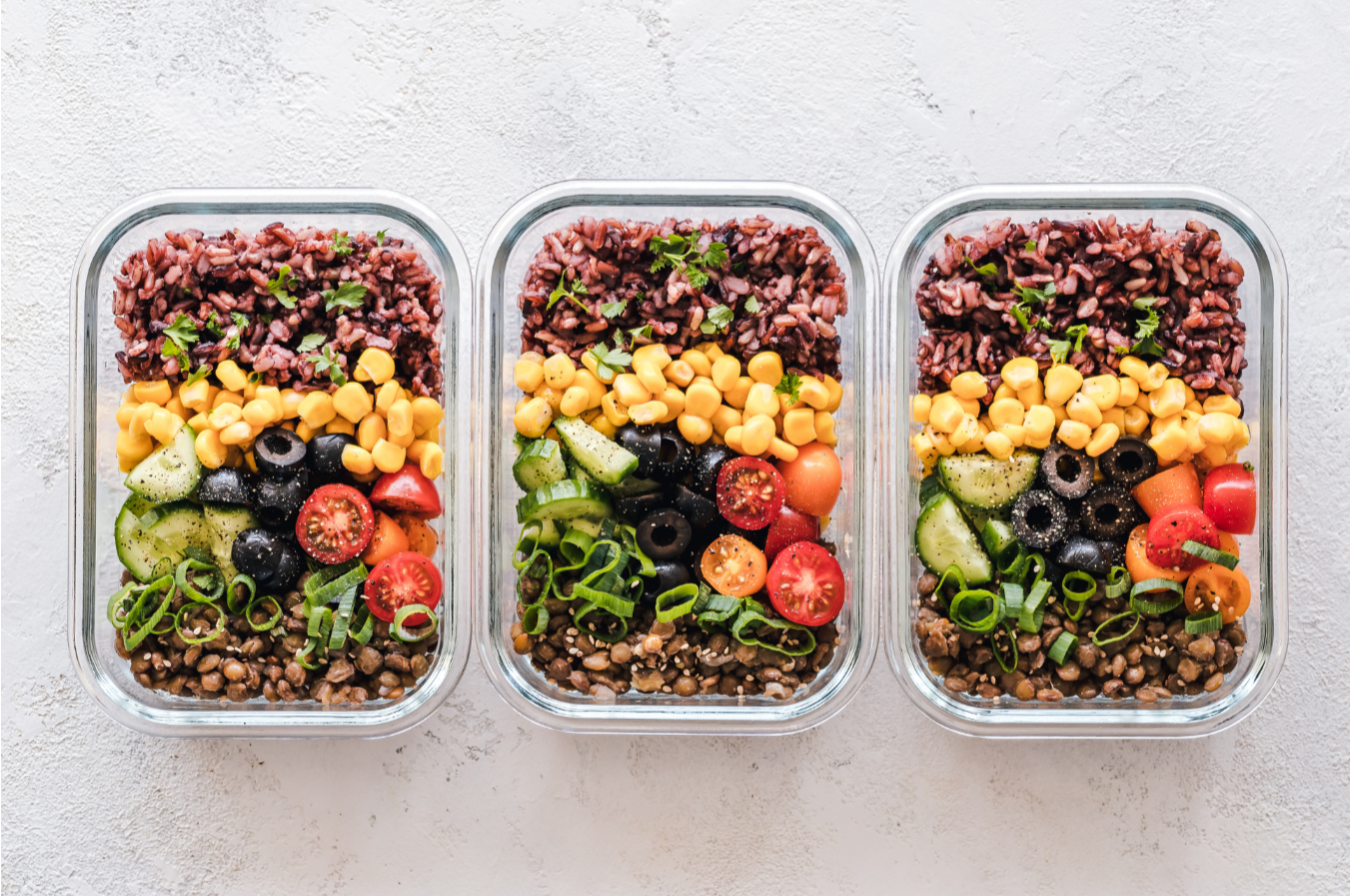
Lunch doesn’t have to feel like a last-minute scramble or a repetitive routine you dread halfway through the week. With a bit of intention and simple planning, it can become one of the easiest and most enjoyable meals of your day. Preparing lunches in advance not only saves time but also helps you make healthier choices, keeping your energy stable whether you’re working, studying, or managing a busy schedule.
One of the most effective strategies is to think in components rather than full recipes. By batch cooking a few basics—like grilled chicken, roasted vegetables, or a pot of grains—you give yourself flexible building blocks that can be mixed and matched in different ways. This approach keeps lunches interesting without requiring extra effort each day. For example, the same roasted sweet potatoes and broccoli can be turned into a grain bowl one day and added to a salad or wrap the next.
Meal prep doesn’t have to be complicated to be effective. Even dedicating a short amount of time to washing, chopping, or pre-cooking ingredients can drastically simplify your week. Leftovers from dinner can easily be transformed into a new meal with a different sauce, added greens, or a change in presentation. What was once a roasted vegetable side can become part of a hearty lunch bowl or a filling wrap the next day.
Ultimately, the goal is to make lunch something you can rely on—quick, nourishing, and satisfying. With a few smart habits, like planning ahead, keeping your fridge stocked with ready-to-use ingredients, and focusing on balance and flavor, you can turn lunchtime into an effortless part of your routine. Over time, these small changes add up, helping you stay consistent, reduce stress, and actually look forward to your midday break.
WHAT OUR CUSTOMERS SAY
“I can’t thank Peqish enough for bringing to Vancouver what we so desperately needed. Their food is delicious, healthy and very reasonably priced. I love their brand and LOVE the fact that it was started by PhDs.”
- Sean, customer

Looking for Reliable Information?

Our content is reviewed by our health advisory team to ensure that it meets our quality standards. We aren’t about Fads, Marketing Trends or Gimmicks - there is enough people doing this. Through our content, we want to help you be your best!
Saturated fat is a type of fat found in many common foods, from buttery croissants and fatty red meats to coconut oil and full-fat dairy. While it plays important roles in the body, including energy provision and supporting cell structure, consuming too much saturated fat can raise LDL cholesterol—the "bad" cholesterol linked to heart disease. But how much saturated fat is too much, and which foods pack the biggest punch? This guide dives into the highest saturated fat foods, explains how they affect heart health, and offers smarter swaps to enjoy delicious meals without overdoing it.
Most people know saturated fat is worth watching, but few realize how quickly it adds up. Just a tablespoon of butter, a slice of cheese, or a fast food dinner can push you past the recommended daily limit without you noticing. Foods rich in saturated fat tend to be calorie-dense and low in fiber, making it easy to overconsume calories and body fat, which can further increase cardiovascular risk.
Not all saturated fats behave the same way in the body, and the source matters. Animal fats like butter, lard, and fatty cuts of red meat are classic examples, but tropical oils such as coconut and palm oil also contain high levels of saturated fat. Meanwhile, foods like eggs and oily fish contain moderate amounts but are packed with nutrients that support overall health.
Health experts recommend keeping saturated fat intake to less than 10% of daily calories, with some guidelines suggesting even lower targets for those at risk of heart disease. Replacing saturated fats with unsaturated fats from nuts, seeds, olive oil, and oily fish can improve cholesterol levels and reduce cardiovascular risk.
But what about one indulgent meal? Research shows that a single high-fat meal may temporarily impair blood vessel function, but the effect is short-lived. Heart disease develops over years of eating patterns, so your weekly and monthly habits matter far more than a single occasion.
This article breaks down the highest saturated fat foods by category, from animal fats and tropical oils to baked goods and fast food. It includes practical tips and delicious meal ideas to help you cut saturated fat without sacrificing flavor. Whether you're looking to improve heart health, manage body fat, or simply make smarter choices, this guide offers clear, science-backed advice to empower your eating habits.
Ready to learn which foods to watch and how to enjoy them wisely? Dive into the full article for detailed insights, gram-per-serving numbers, and swaps that keep your meals satisfying and heart-healthy.