Discover Which Food Is High in Protein for Optimal Nutrition

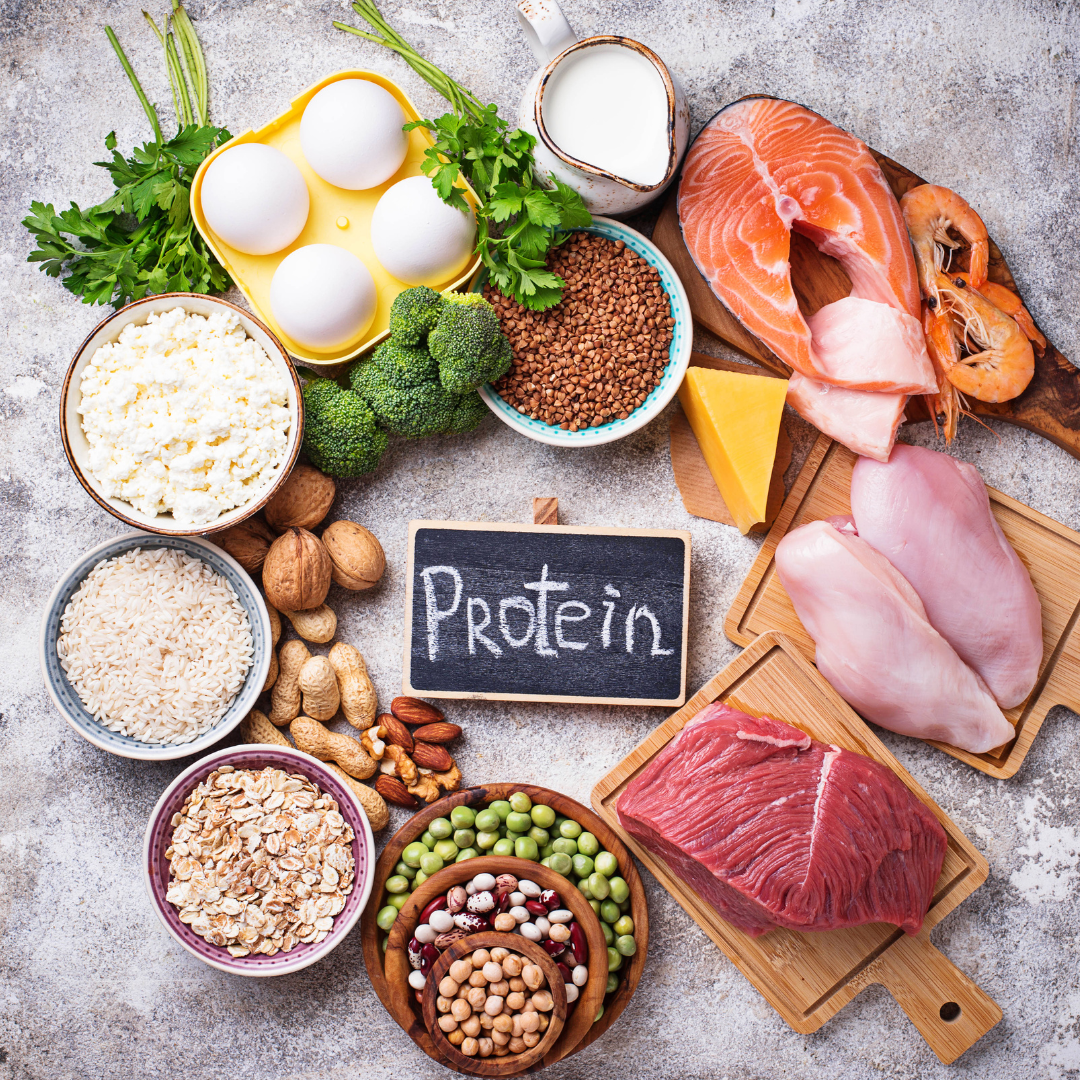
Exploring the world of protein uncovers numerous health benefits within each bite of high-protein food. Imagine a plate featuring a succulent grilled chicken breast, wholesome brown eggs, flavorful lentils, and a dash of crunchy nuts, all combining to celebrate the power of energy and life.

Protein serves as the maestro of our body's immune symphony, orchestrating antibody production, guiding gene expression, and constructing a strong defense against infections. It's essential for muscle growth, critical for cellular repair post-exercise, and important for maintaining muscle mass during a calorie deficit. Selecting the proper protein-rich foods can enhance muscle bulk, strength, and general wellness.

For those who follow a plant-based diet, there's no cause for concern, as the plant kingdom is rich with protein-dense stars. From humble lentils to mighty soybeans, vegetarians and vegans have access to an array of foods that meet and even exceed their protein needs. Combining different plant proteins provides a complete array of amino acids, contributing to a balanced and nutritious diet.

Reading this article, you'll discover that protein is not just about meat and eggs. It includes a broad array of choices suitable for meat-eaters, omnivores, and vegetarians. You'll learn how to increase your protein intake with simple, delicious recipes, and understand the role of protein supplements in enhancing your diet.

This blog acts as a guide through the protein terrain, leading you from animal-based treats like delicious salmon and soft chicken to plant powerhouses such as edamame and tempeh. You'll find tips for adding protein to every meal and learn about the risks associated with excessive protein consumption. It provides a comprehensive view on developing a varied and balanced diet, rich in this essential nutrient.

Read More

Simple Strategies to Eat Healthy on a Budget

Eating healthily is often perceived as expensive, but this notion is about to be debunked. This guide will show you how to nourish your body with quality foods without straining your finances.

Picture a grocery trip where your cart brims with colorful produce and wholesome staples, yet your wallet remains unscathed. This article transforms that vision into reality, offering clarity on healthy eating and tips for budget-friendly grocery shopping.

Healthy eating doesn't necessitate exotic ingredients or costly supplements. It's about informed decisions, understanding nutrition, and rethinking how you shop. Learn to identify nutrient-dense foods that deliver the most bang for your buck, such as beans, whole grains, and seasonal produce. Embrace the art of meal planning and discover the joys of cooking at home, which not only saves money but also ensures that you know exactly what's going into your food.

This guide will empower you with the knowledge to make cost-effective yet delicious and nutritious choices. We'll explore how to take advantage of sales and discounts, the benefits of buying in bulk, and the wisdom of choosing generic brands over name brands when appropriate. You'll find out how to store food properly to extend shelf life and reduce waste. Plus, we'll provide you with creative ideas on how to repurpose leftovers into new, appetizing meals.

Armed with these tips and strategies, you'll see that a healthy diet can be accessible and affordable. Get ready to change the way you think about healthy eating, as we prove that it can be both wallet-friendly and incredibly satisfying.

Read More
Top Strategies for Sustainable Weight Loss: Women's Guide to Healthy Weight Management

Embarking on a weight loss journey can feel like navigating a labyrinth, with each turn presenting a new challenge, especially for women. Hormones, those chemical messengers coursing through your body, are the unseen guides that can lead you to success or leave you wandering in circles. Understanding their influence is like having a map to the treasure – in this case, achieving your weight loss goals.

The Hormonal Balancing Act

Imagine your body as an orchestra, with hormones as the musicians. Just as music can stir emotions, hormones can shape your weight. They direct where fat is stored – often in places women wish it wouldn’t – and can make losing weight feel like trying to solve a Rubik's cube. But knowledge is power. By learning how estrogen and progesterone pull the strings behind the scenes, you can tailor your weight loss strategy to work in harmony with your body’s natural rhythms.

Hormonal Interventions and Their Impact

Consider hormonal interventions like adding a new instrument to the orchestra. Birth control pills and hormone replacement therapy can change the tune, sometimes making it harder to keep the rhythm of weight loss going. It's a delicate dance, but with the right guidance, you can learn the steps to maintain balance.

Strategies for Hormone-Healthy Weight Loss

Now, let’s talk about turning insight into action. There are strategies that sing in tune with your hormonal profile. Synchronizing your diet and exercise with your menstrual cycle can be as satisfying as hitting the high note in a favorite song. Prioritizing sleep and managing stress are like tuning your instruments – essential for a flawless performance. And, opting for whole foods is like choosing the finest sheet music, ensuring that every note contributes to the symphony of your wellbeing.

Embark on this journey with us, and discover how to navigate the intricate relationship between hormones and weight loss. Every woman’s body is unique, like a piece of art, and with the right approach, you can paint a picture of health that is all your own. This is just a glimpse of the full symphony of strategies and insights waiting for you. Are you ready to conduct your own weight loss masterpiece? Read on to unveil the full concert of information designed to empower your weight loss journey and harmonize with your body's natural design.

Read More
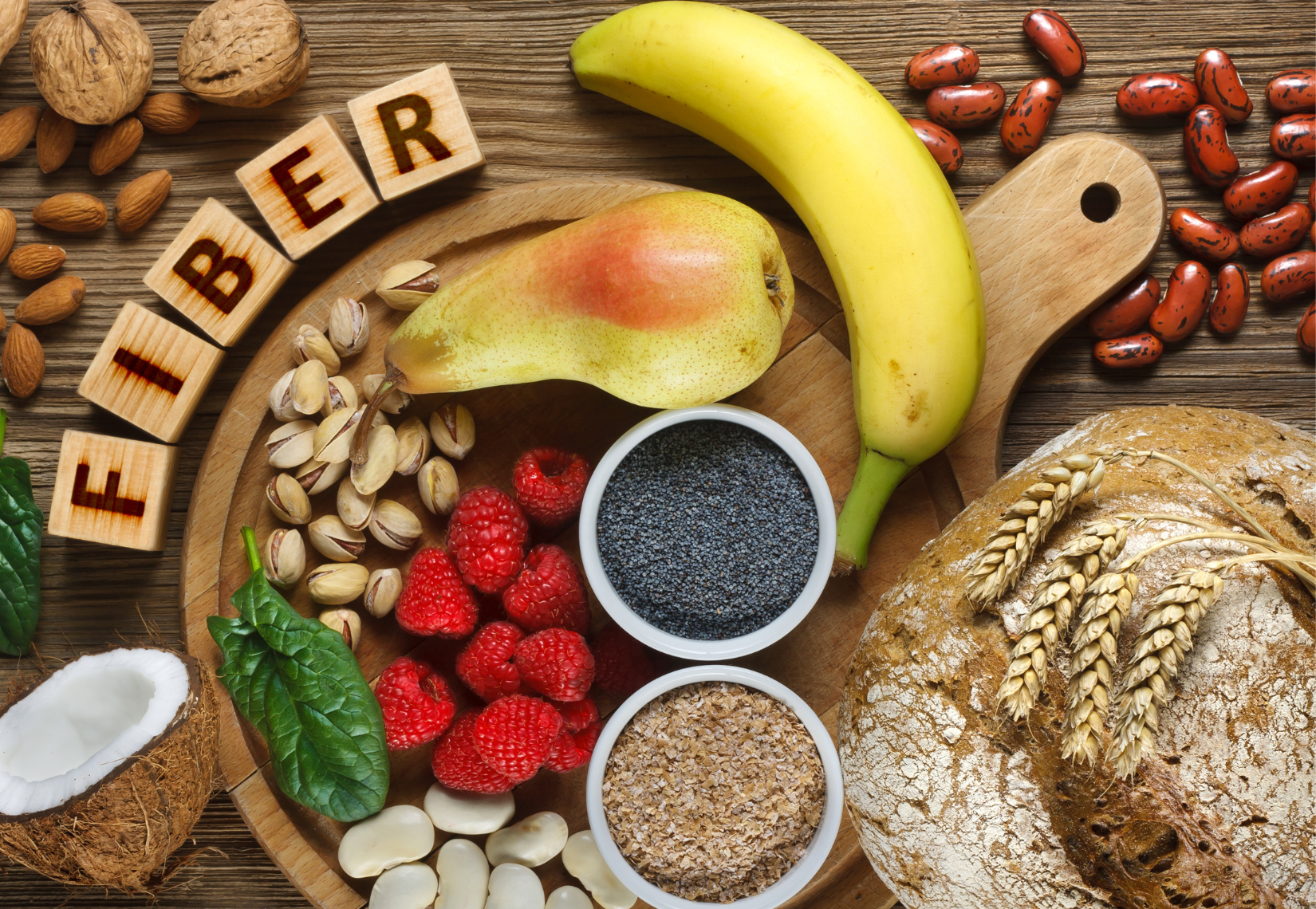
Unlocking the Power of Fiber: Your Guide to a Healthier Diet

Embarking on the journey through the dietary fiber landscape can be simple and enlightening. This guide aims to simplify the complexities of dietary fiber and its role in health, offering easy-to-implement strategies for incorporating more fiber-rich foods into your diet. You'll learn about the essence of fiber, its health advantages, and actionable tips for enhancing your meals with a fiber-rich touch.

Dietary fiber, a non-digestible carbohydrate, is an important component of our diets with two primary forms: soluble and insoluble fibers. Soluble fibers act like sponges that absorb water, creating a gel-like substance that slows digestion, while insoluble fibers sweep through your digestive system, aiding in forming bulkier stools and promoting better digestion. By incorporating these high-fiber foods into your meals regularly, you support a variety of bodily functions and encourage healthier eating habits.

High-fiber foods contribute to a reduced risk of chronic diseases, support digestive health, manage weight, and regulate blood sugar levels. To meet the recommended intake of 25 to 35 grams of fiber daily, meal planning should include a variety of high-fiber foods, and dietary changes should be made gradually to avoid digestive distress.

Fiber-rich diets are linked with lower incidences of the coronary heart disease and, diabetes, certain forms of cancer, and obesity. Consuming nutrient-dense, fibrous foods like fruits, vegetables, whole grains, nuts, and seeds can enhance overall well-being. Fruits such as pears, strawberries, and avocados, and vegetables like carrots and broccoli are high in fiber and essential for a balanced diet.

Whole grains, another high-fiber option, provide additional nutrients including B vitamins and antioxidants. Including a variety of these foods in your diet not only increases fiber intake but also contributes to sustained health.

By understanding the science behind fiber's health benefits and learning how to incorporate high-fiber foods into your diet, you can take significant strides towards improving your overall health. Fiber's role extends beyond just aiding digestion; it also plays a crucial part in reducing the risk of various chronic diseases, managing weight effectively, and maintaining stable blood sugar levels. By making informed choices about the foods you eat and understanding how different types of fiber affect the body, you can optimize your dietary fiber intake for better health outcomes.

Read More