
10 Essential Strategies for Eating Healthier Every Day

Eating healthier doesn't have to be a daunting task! This comprehensive guide, "10 Essential Strategies for Eating Healthier Every Day," cuts through the clutter of complex dietary advice and offers straightforward, actionable steps for refining your diet. From embracing a variety of fruits and vegetables to choosing lean proteins and whole grains, you'll find clear and practical tips to enhance your eating habits.

The article delves into the importance of diversifying your intake of fruits and vegetables, highlighting how both fresh and frozen varieties can be equally nutritious. It also offers creative ways to incorporate more veggies into your meals, ensuring that healthy eating never feels like a chore.

Whole grains take center stage as a key component for a healthier diet. The guide explains the benefits of replacing refined grains with whole grains, which are richer in dietary fiber, essential minerals, and antioxidants. By making simple substitutions, you can significantly reduce the risks of heart disease, high blood pressure, obesity, and certain cancers.

Lean proteins are another focus, with recommendations for sources like poultry, fish, dairy products, legumes, and tofu. The article emphasizes the importance of health-conscious cooking methods such as grilling and baking to maximize the benefits of these proteins without adding unnecessary fats or calories.

The guide also tackles the often-overlooked aspects of healthy eating, such as limiting unhealthy fats and sugars, staying hydrated with healthier beverages, and the significance of a balanced breakfast. Mindful eating habits are encouraged, promoting a deeper connection with your food and helping you avoid overeating.

Planning and preparing meals in advance is another essential strategy discussed, offering practical steps to make meal prep a breeze. This not only saves time and money but also ensures that you stick to your nutritional goals.

Dining out doesn't have to derail your healthy eating efforts either. The article provides smart tips for making healthier choices at restaurants, from portion control to selecting dishes prepared with healthier cooking methods.

Finally, the power of herbs and spices is highlighted as a flavorful way to reduce salt intake while adding health benefits to your meals. The guide wraps up with a Frequently Asked Questions section, addressing common concerns about healthy eating and providing additional insights.

Whether you're a seasoned health enthusiast or just starting your journey towards better eating habits, this article offers valuable information to help you make informed choices every day. Dive in and discover how easy and enjoyable healthy eating can be!

Read More


Elevate Your Health: Easy Strategies to Overcome a Sedentary Lifestyle

Are you spending too much time sitting and not enough moving? You might be putting your health at serious risk. In our comprehensive guide, "Elevate Your Health: Easy Strategies to Overcome a Sedentary Lifestyle," we delve into the hidden dangers of prolonged inactivity and provide practical, actionable tips to help you integrate more movement into your daily routine.

Imagine this: every hour spent sitting could be silently chipping away at your health, increasing your risk of diseases such as diabetes, cardiovascular issues, and even depression. Our guide cuts through the noise to uncover the stark truths about inactivity and offers easy strategies to counteract these risks. From understanding the science behind sedentary lifestyles to identifying common sedentary habits, we provide a thorough exploration of how our modern way of life is impacting our well-being.

You'll learn about the alarming physiological changes that occur with prolonged sitting, including reduced enzyme activity essential for metabolism, elevated triglycerides, and decreased bone mineral density. But it’s not all doom and gloom; we also share how incorporating regular physical activity can mitigate these risks and improve overall health.

Discover how small, intentional changes can make a big difference. Whether it's engaging in moderate-intensity activities, using fitness trackers to monitor progress, or breaking up long periods of sitting with short bouts of movement, our guide is packed with tips to help you transition to a more active lifestyle.

For those tied to desk jobs or glued to screens, we offer innovative strategies to stay active during the workday. From standing desks to brief activity breaks, these simple adjustments can transform your workspace into a dynamic environment that promotes movement.

Mental health is just as crucial as physical health, and our guide addresses this by highlighting the links between inactivity and mental health issues like anxiety and depression. Learn how even short-term inactivity can exacerbate these conditions and what you can do to combat them.

We also explore how household chores can double as stealthy exercise and how balancing screen time with active time can lead to a healthier, more balanced life. Plus, discover how technology, often blamed for our sedentary habits, can be harnessed to promote movement and track progress towards a more active lifestyle.

Join us on this journey to better health. By understanding the risks of a sedentary lifestyle and taking proactive steps to incorporate more movement into your day, you can transform your life. Dive into our guide for a healthier, happier you!

Read More
Decoding Your Health: Should I Take Supplements for Optimal Well-being?

In a society increasingly focused on health and wellness, dietary supplements have surged in popularity, with many individuals turning to them to enhance their nutritional intake and overall well-being. This comprehensive guide delves into the multifaceted aspects of supplements, weighing their potential benefits against the risks and considering the scientific evidence that supports or refutes their efficacy.

The guide begins by exploring the reasons why people might consider supplementing their diet, including addressing specific health conditions, compensating for nutritional deficiencies, and supporting a health-conscious lifestyle. However, it emphasizes that supplements are not a panacea for all health problems and should not replace a balanced diet and regular exercise.

The scientific backing for supplements like vitamin D for bone health and omega-3 fatty acids for heart health is discussed, alongside the mixed results and potential dangers of overconsumption or misuse. The guide also highlights the lack of stringent FDA regulation for supplements, unlike prescription drugs, which places the onus on consumers to make informed decisions.

Special attention is given to understanding the necessity of supplements in certain situations, such as during pregnancy, breastfeeding, or for individuals with specific dietary restrictions or chronic health issues. The importance of a balanced diet is reiterated, with the guide pointing out that whole foods provide a complex array of nutrients that supplements alone cannot offer.

The article unpacks the science behind popular supplements, discusses the regulatory landscape, and outlines potential risks and interactions, particularly when supplements are taken in high doses or alongside prescription drugs. It provides practical advice on how to make informed choices about supplement use, including evaluating one's diet, consulting healthcare professionals, and selecting high-quality products.

This guide stresses that while supplements can play a role in enhancing health, they should be considered as part of a holistic approach to well-being that also includes diet, exercise, and stress management. Ultimately, the decision to take supplements should be made with careful consideration and professional guidance, keeping in mind that they are an adjunct to, not a replacement for, healthy living practices.

Read More
Discover Which Food Is High in Protein for Optimal Nutrition

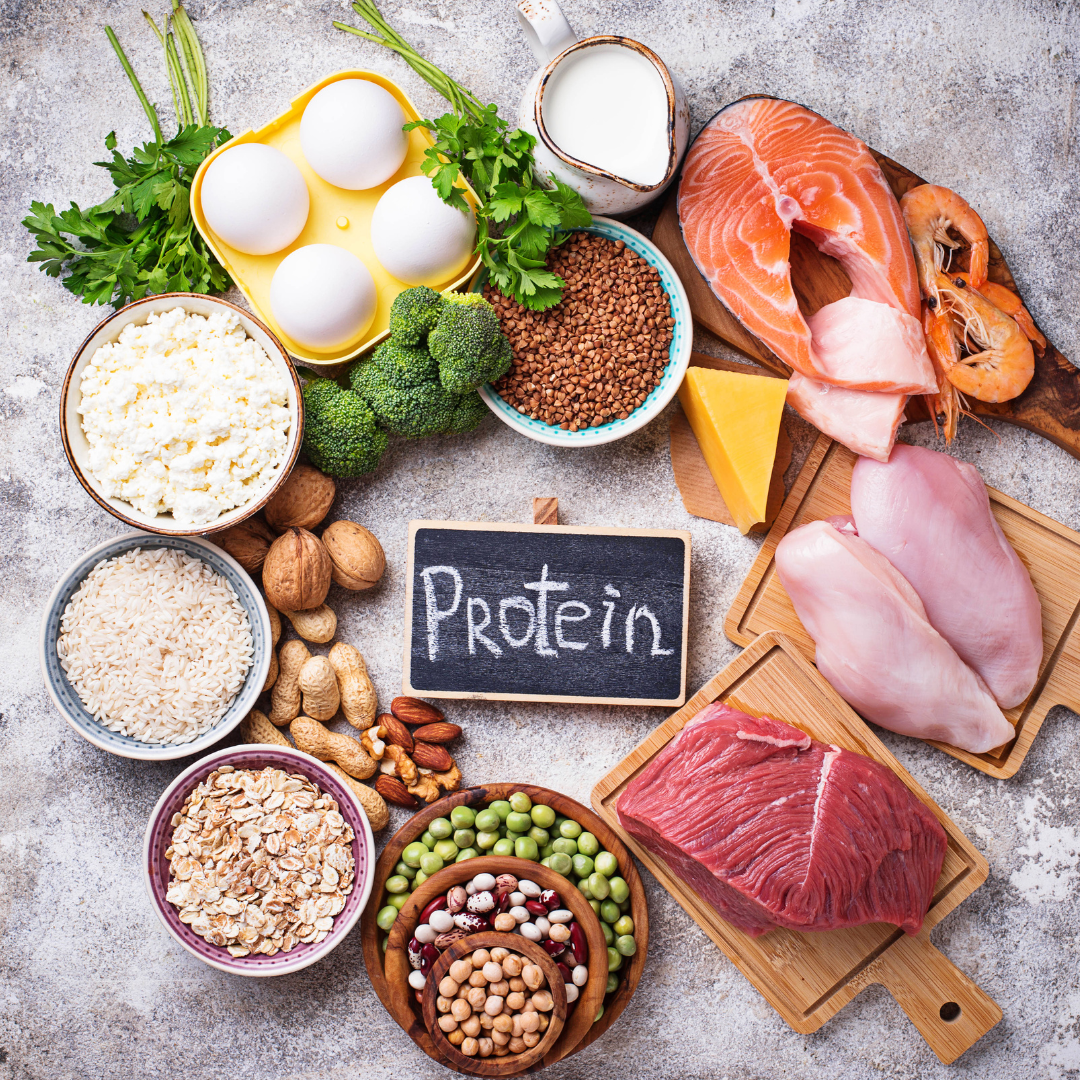
Exploring the world of protein uncovers numerous health benefits within each bite of high-protein food. Imagine a plate featuring a succulent grilled chicken breast, wholesome brown eggs, flavorful lentils, and a dash of crunchy nuts, all combining to celebrate the power of energy and life.

Protein serves as the maestro of our body's immune symphony, orchestrating antibody production, guiding gene expression, and constructing a strong defense against infections. It's essential for muscle growth, critical for cellular repair post-exercise, and important for maintaining muscle mass during a calorie deficit. Selecting the proper protein-rich foods can enhance muscle bulk, strength, and general wellness.

For those who follow a plant-based diet, there's no cause for concern, as the plant kingdom is rich with protein-dense stars. From humble lentils to mighty soybeans, vegetarians and vegans have access to an array of foods that meet and even exceed their protein needs. Combining different plant proteins provides a complete array of amino acids, contributing to a balanced and nutritious diet.

Reading this article, you'll discover that protein is not just about meat and eggs. It includes a broad array of choices suitable for meat-eaters, omnivores, and vegetarians. You'll learn how to increase your protein intake with simple, delicious recipes, and understand the role of protein supplements in enhancing your diet.

This blog acts as a guide through the protein terrain, leading you from animal-based treats like delicious salmon and soft chicken to plant powerhouses such as edamame and tempeh. You'll find tips for adding protein to every meal and learn about the risks associated with excessive protein consumption. It provides a comprehensive view on developing a varied and balanced diet, rich in this essential nutrient.

Read More